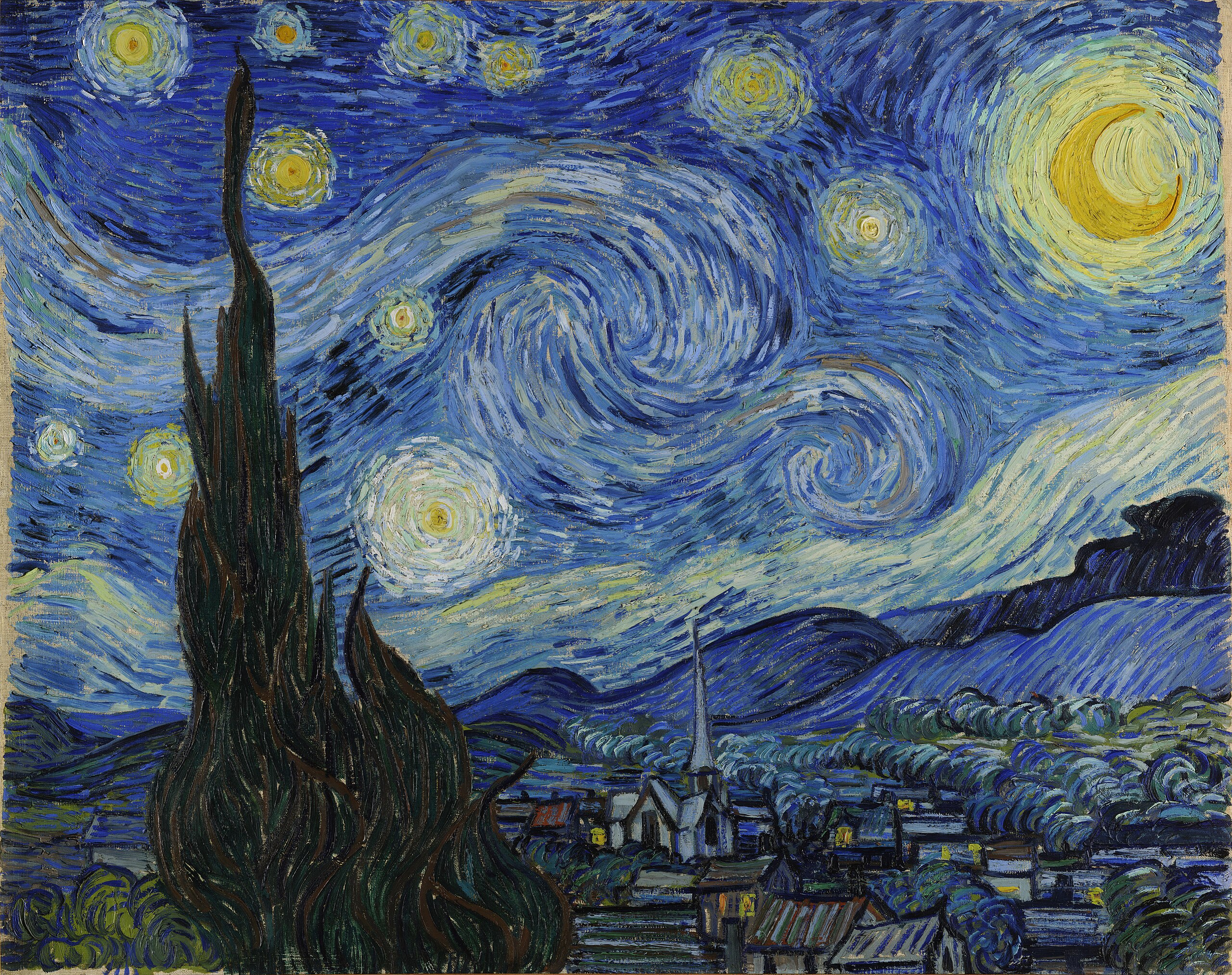
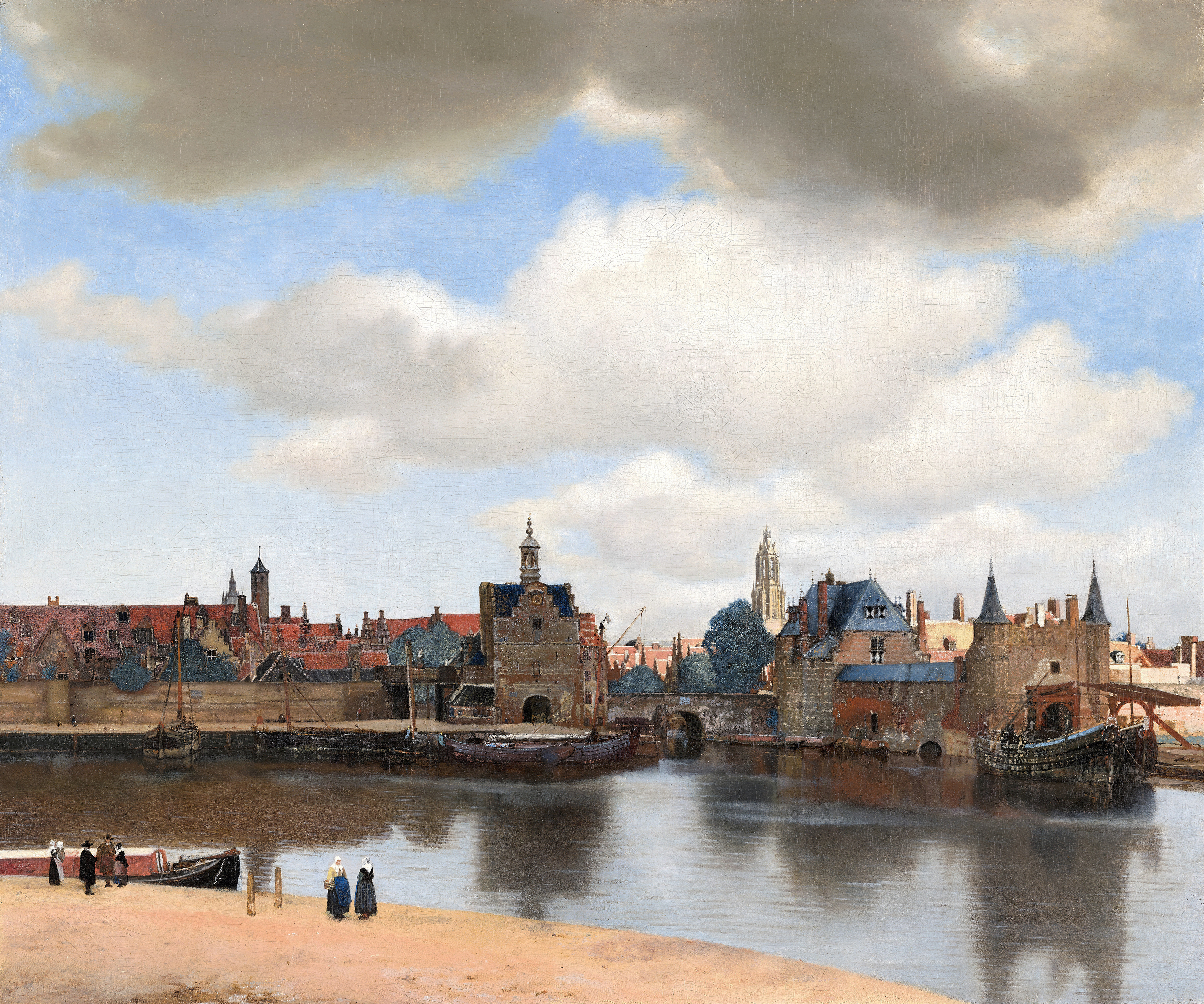
Discover insights about this artwork
Bordighera — History & Facts
In Bordighera, Claude Monet presents a vibrant coastal landscape filled with lush greenery and colorful flowers. The painting features a bright blue sky, dotted with fluffy white clouds, casting soft shadows on the land. The foreground is alive with vivid colors, showcasing Monet's signature brushwork and impressionistic style.
The scene invites the viewer to immerse themselves in the beauty of nature. The painting is executed in oil on canvas, a medium that allows for rich color and texture. Monet's technique involves quick brushstrokes that create a sense of movement and light. The dimensions of the artwork are approximately 73 x 92 cm, making it a sizable piece that commands attention.
The use of color and light is characteristic of the Impressionism movement, emphasizing the fleeting moments of nature. Bordighera was painted during Monet's visit to the Italian Riviera in the 1880s, a period when he was exploring the effects of light and color. This work reflects his fascination with the Mediterranean landscape and its vibrant colors. Interestingly, Monet created several paintings of Bordighera, each capturing different aspects of the scenery.
This particular piece is celebrated for its lively depiction of the coastal flora and the interplay of light.
More Artworks by Claude Monet
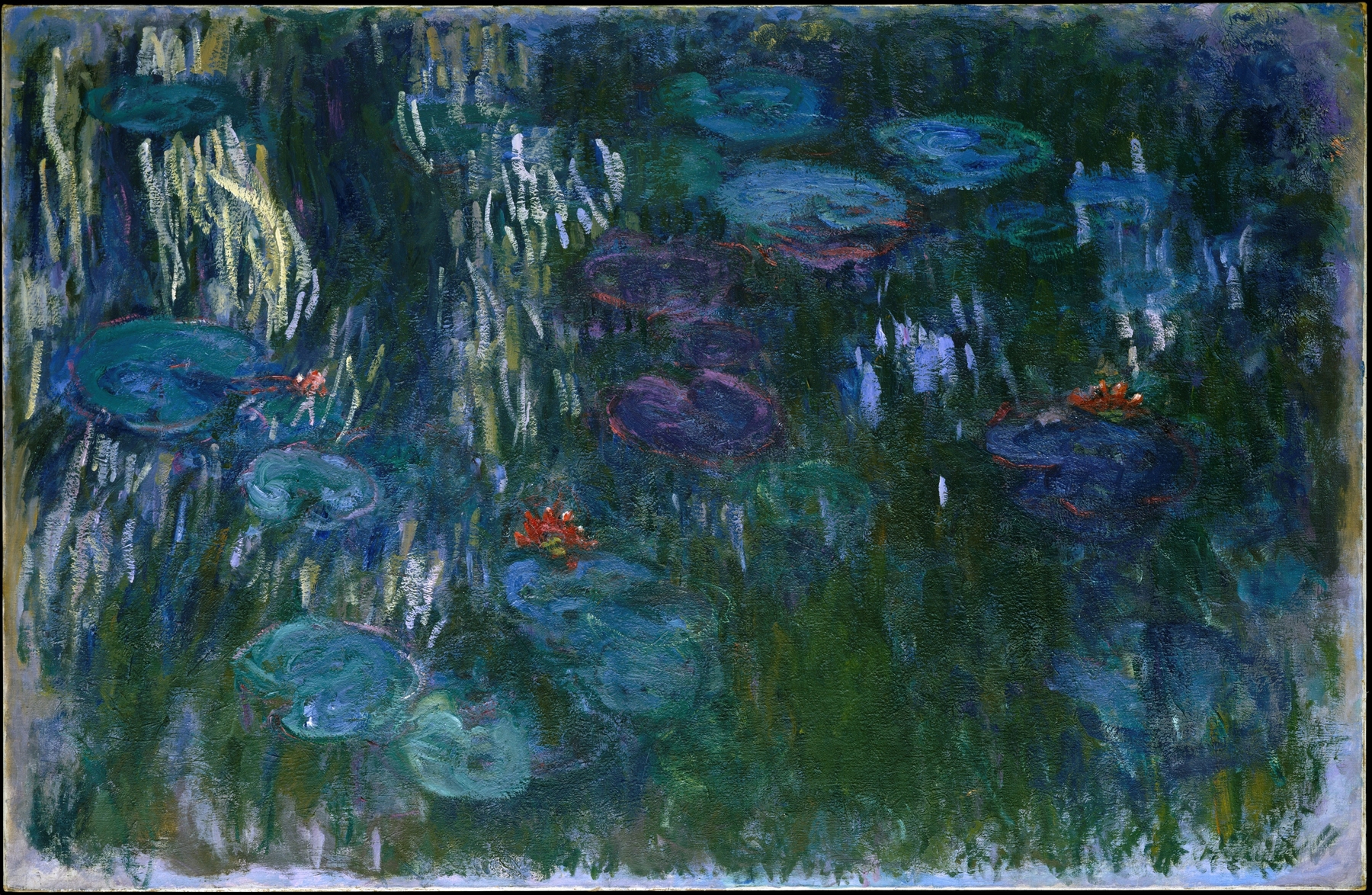
Water Lilies
Claude Monet
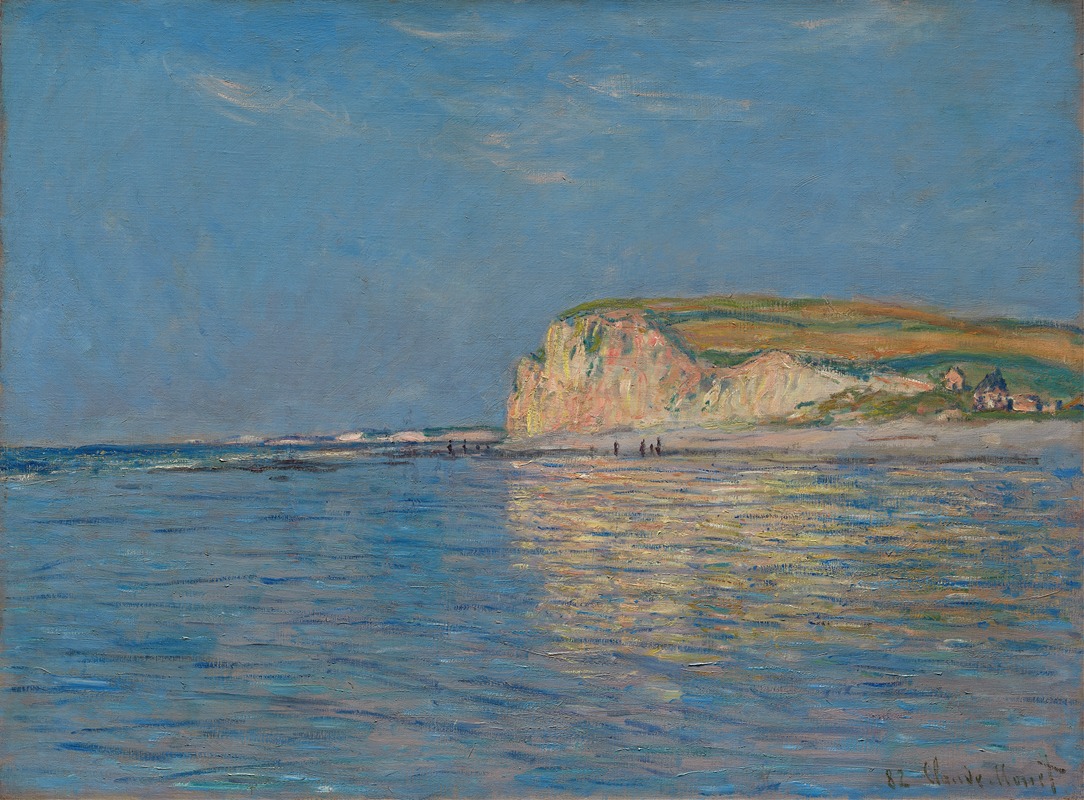
Low Tide at Pourville, near Dieppe
Claude Monet
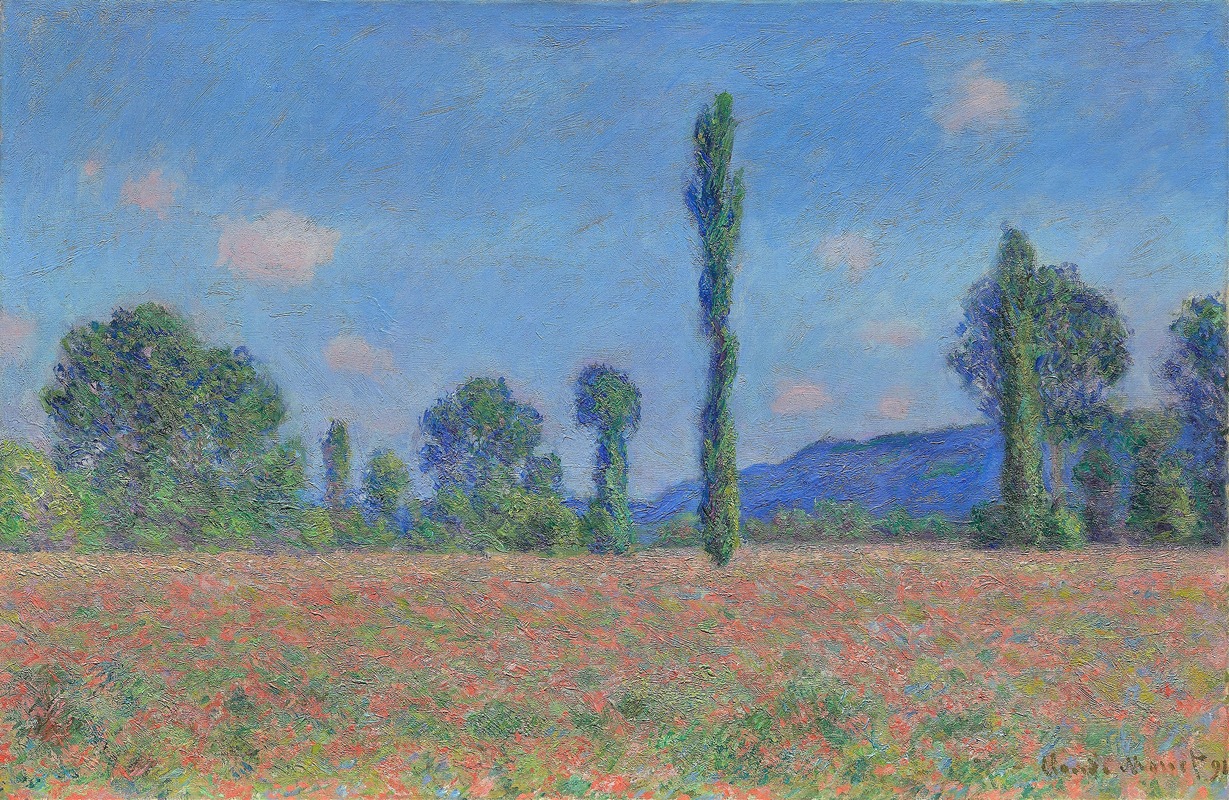
Poppy Field (Giverny)
Claude Monet
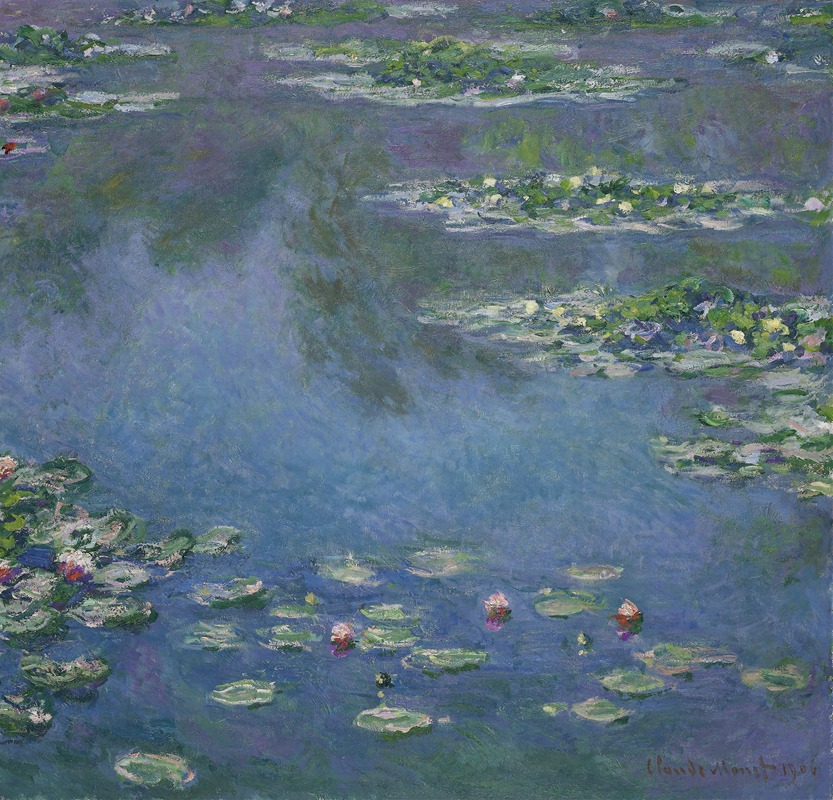
Water Lilies
Claude Monet
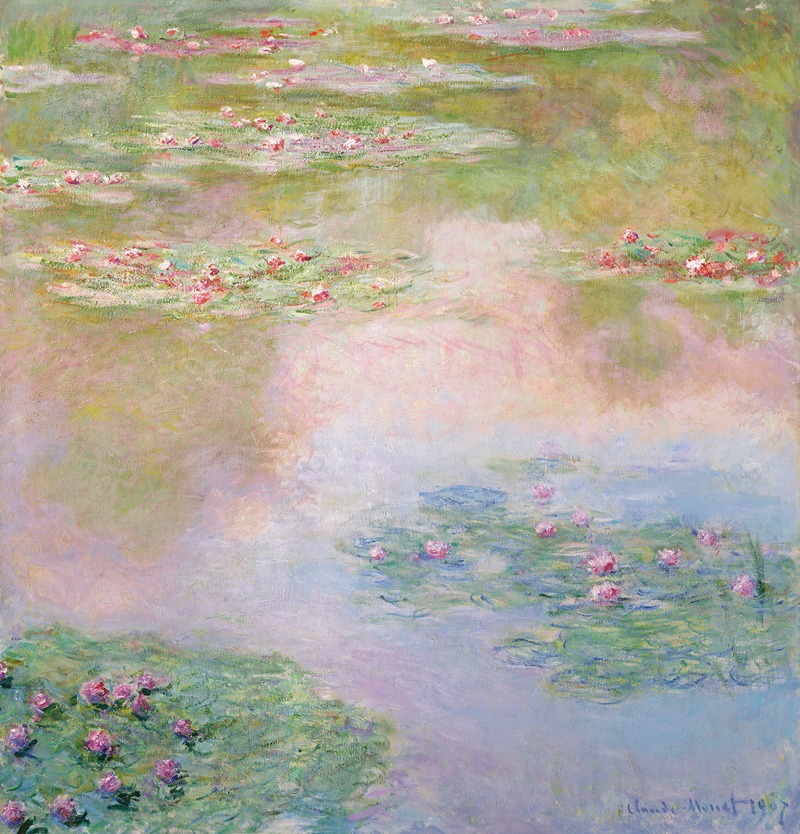
Nymphéas
Claude Monet
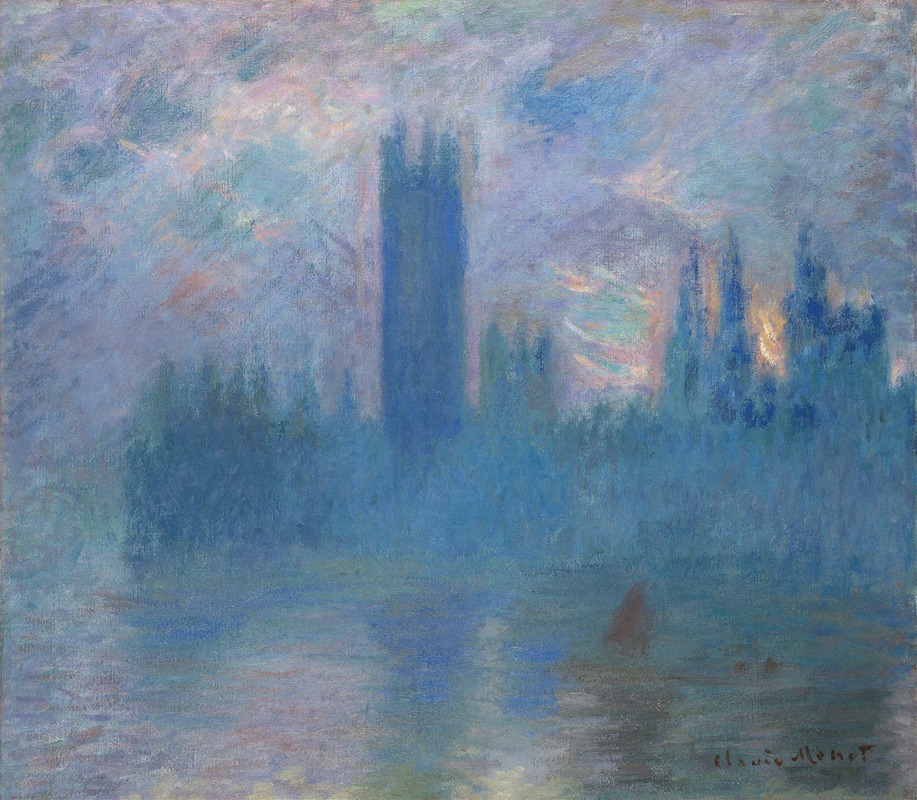
Houses of Parliament, London
Claude Monet
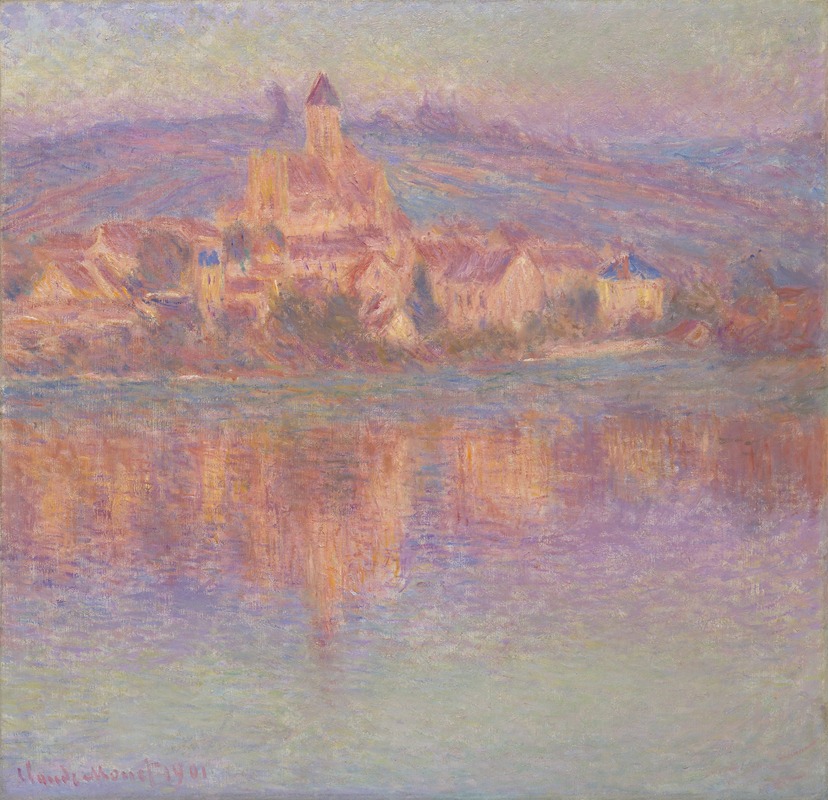
Vétheuil
Claude Monet
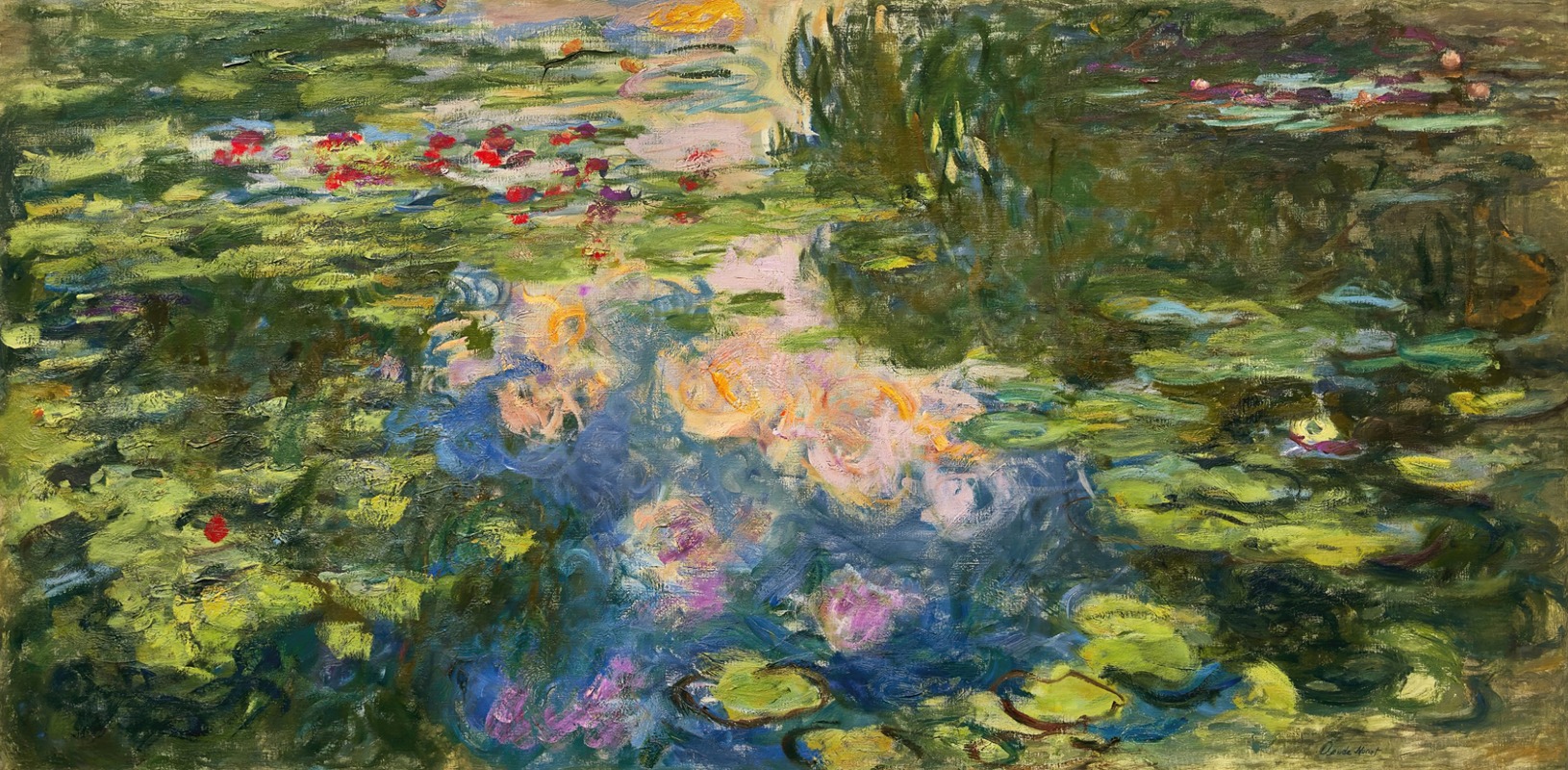
Le Bassin aux nymphéas
Claude Monet
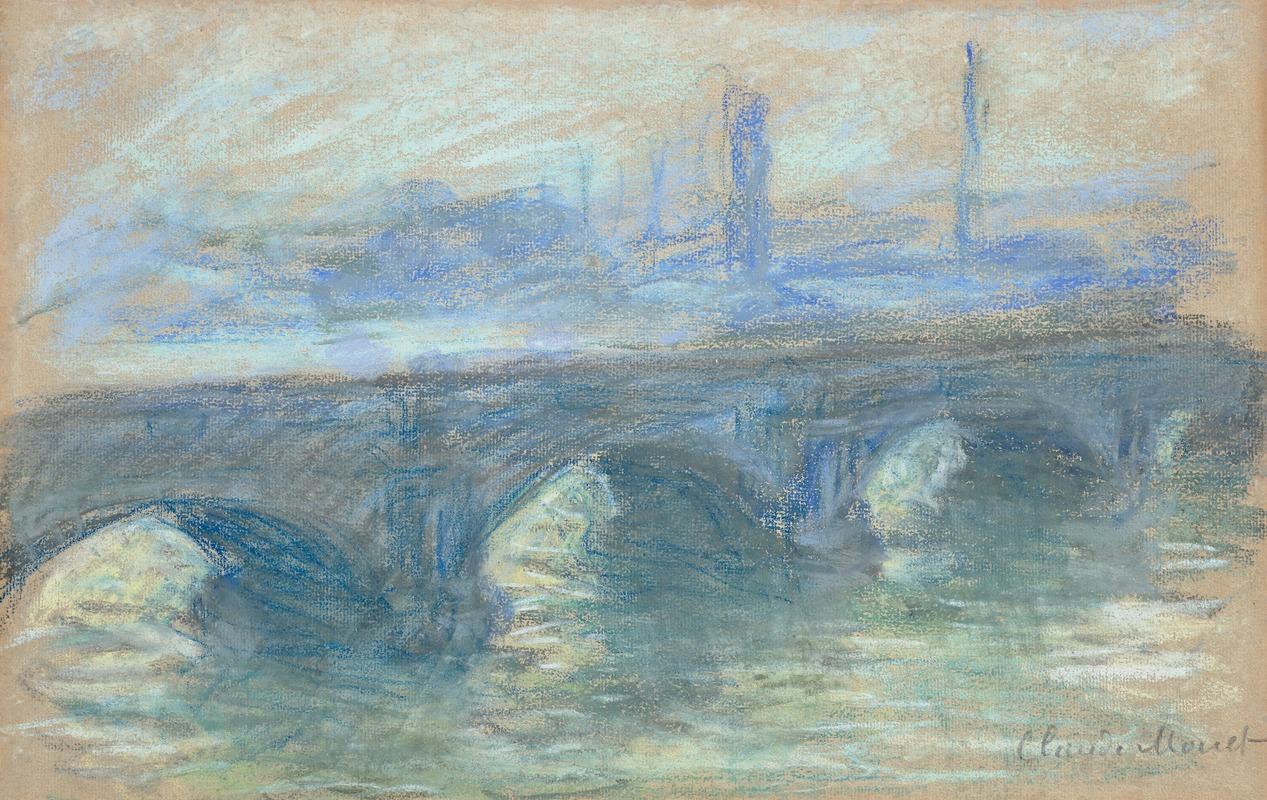
Waterloo Bridge
Claude Monet

Printemps à Giverny, effet d’après-midi
Claude Monet