
Bords de la Suippe — History & Facts
In the gentle embrace of nature, balance becomes a quiet observer, reminding us that harmony is often found in the simplest of moments. Look to the lower right at the tranquil water's edge, where the soft ripples reflect the muted hues of the sky. The brushstrokes captivate, forming a delicate interplay between the rich greens of the foliage and the calming blues of the water. As you trace the winding path through the trees, notice how light filters through the leaves, casting intricate shadows that dance upon the ground, inviting you to step closer into the serene landscape. Beneath the surface, a deeper contemplation arises.
The stillness of the water suggests a moment frozen in time, while the vibrant growth surrounding it signals the ever-present cycle of life and renewal. The juxtaposition of light and shadow reveals an internal tension, a delicate balance between chaos and tranquility that speaks to the viewer's own experiences. The subtle variations in color evoke not just beauty, but also the profound stillness that comes with introspection. In 1901, Houdard created this piece amid a burgeoning movement toward Impressionism, focusing on capturing the nuances of natural beauty.
During this time, he was deeply influenced by the exploration of light and color, seeking to convey emotional resonance through landscapes that invite quiet reflection. Engaging with the outdoors, he found inspiration in the pastoral scenes of France, where nature provided both refuge and revelation.
More Artworks by Charles-Louis Houdard
Browse all →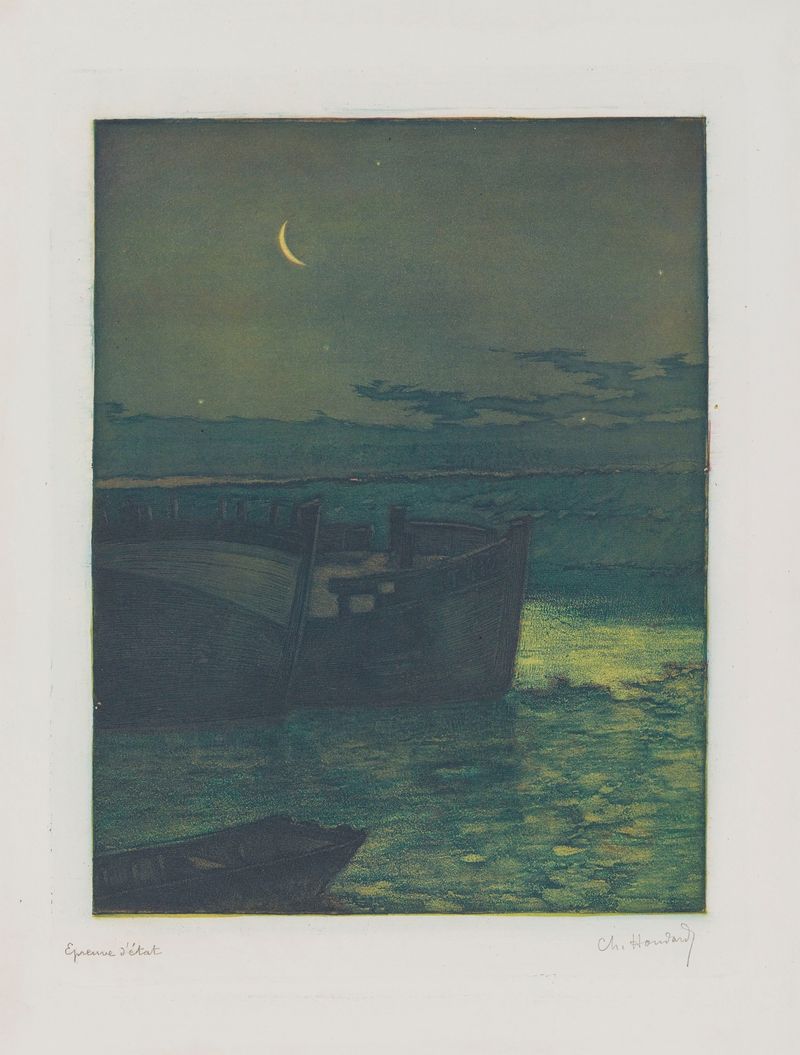
Epaves, navire échoué au clair de lune
Charles-Louis Houdard
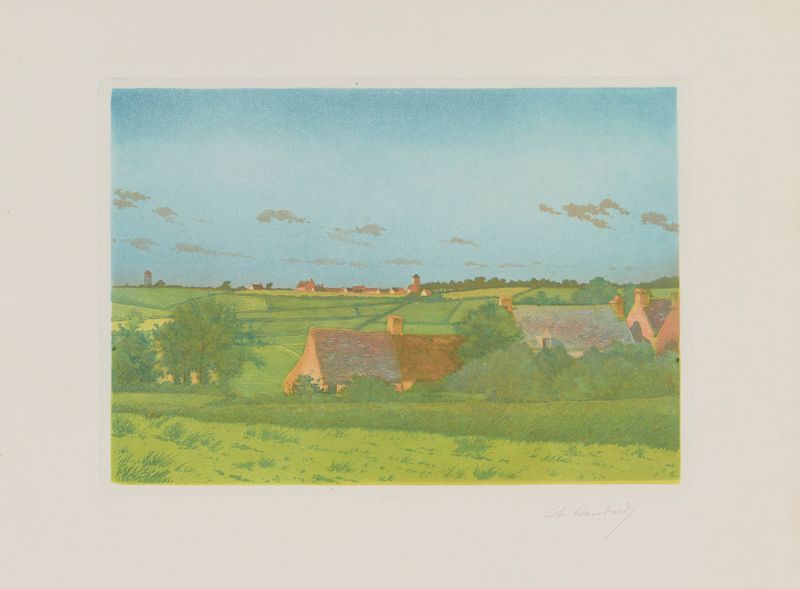
Les hauteurs de Crozon, Finistère
Charles-Louis Houdard
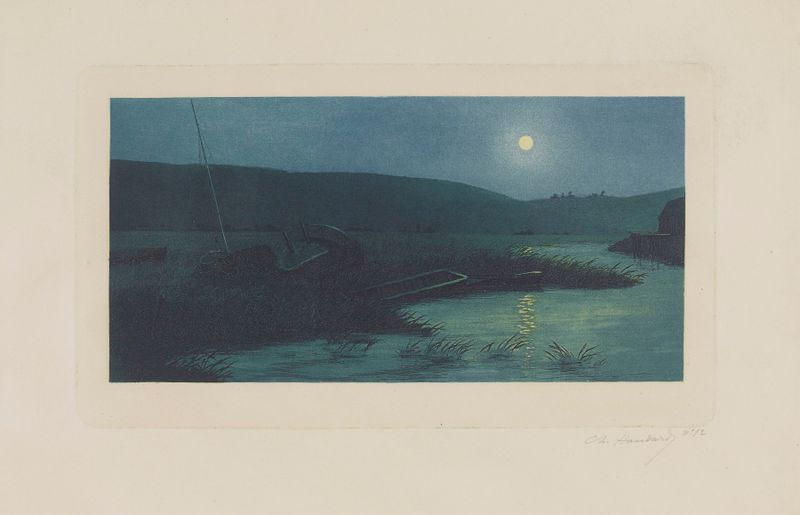
Clair de lune sur la Bresle
Charles-Louis Houdard
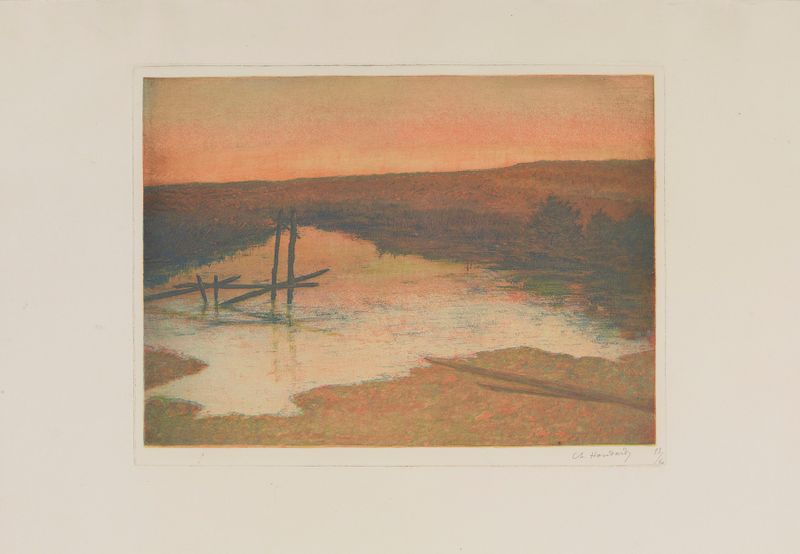
L’étang du moulin à Sémide
Charles-Louis Houdard
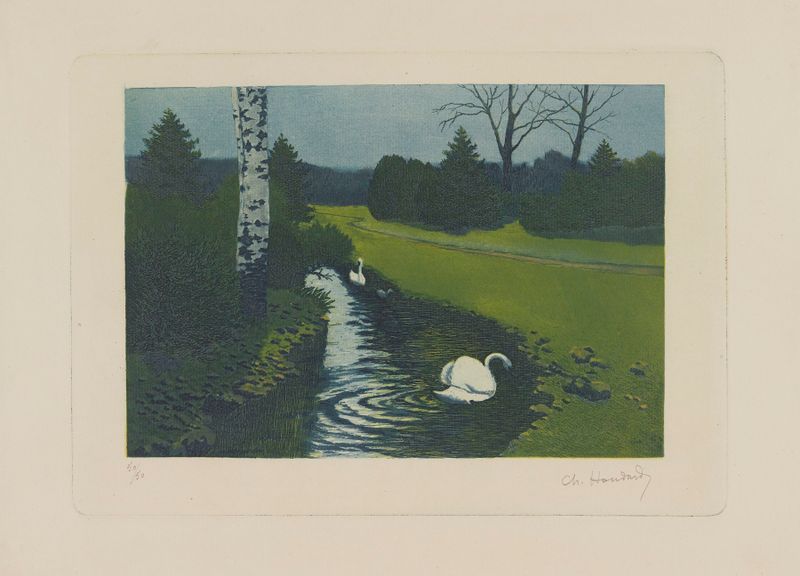
Au bois, cygnes sur un ruisseau
Charles-Louis Houdard
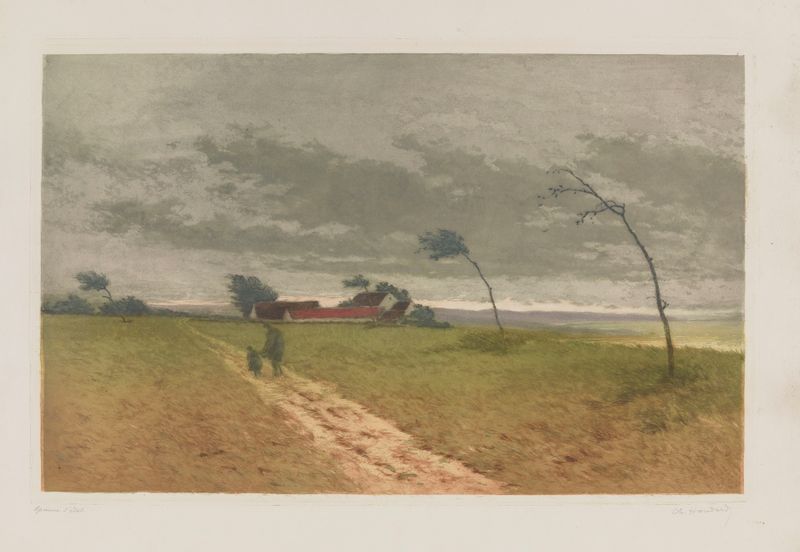
La rafale, plaine sous l’orage
Charles-Louis Houdard
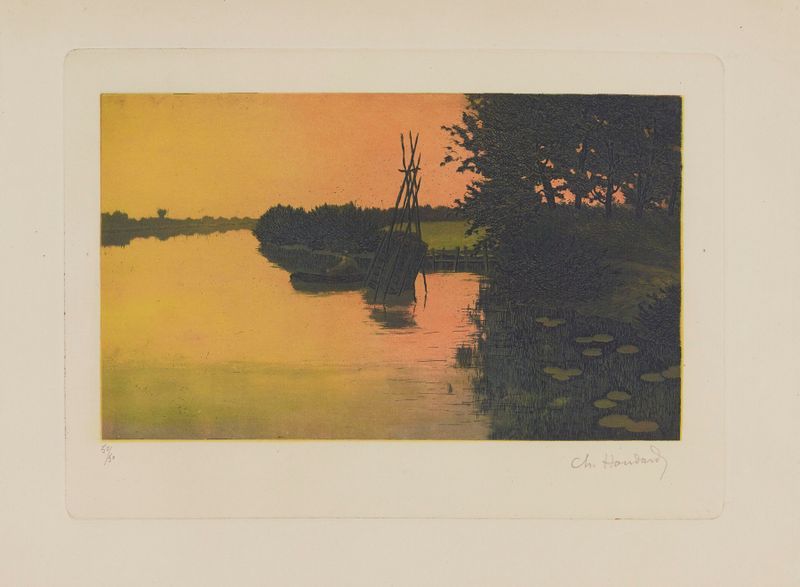
L’Oise à Précy
Charles-Louis Houdard
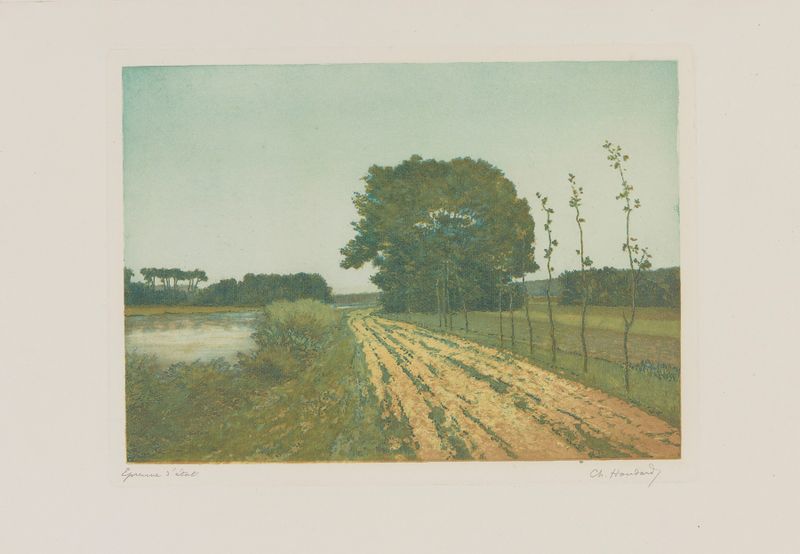
La route abandonnée
Charles-Louis Houdard
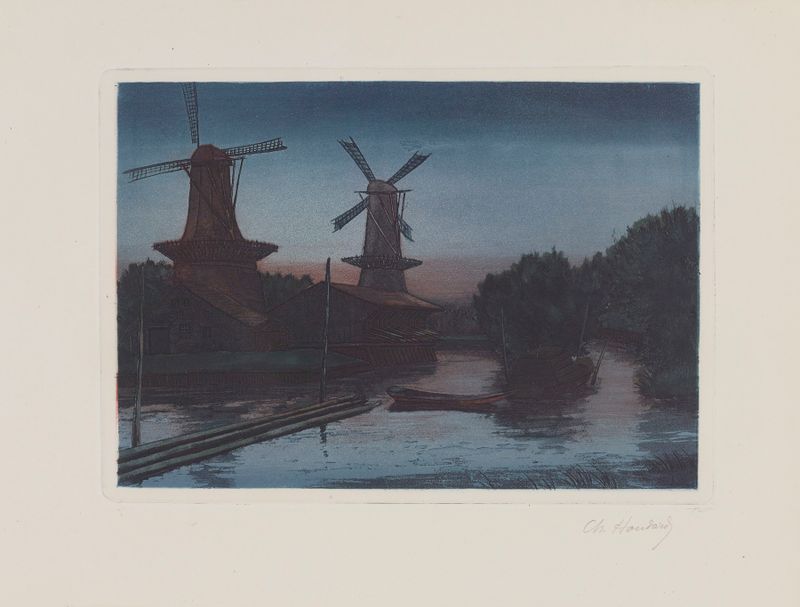
Moulins à Dordrecht
Charles-Louis Houdard
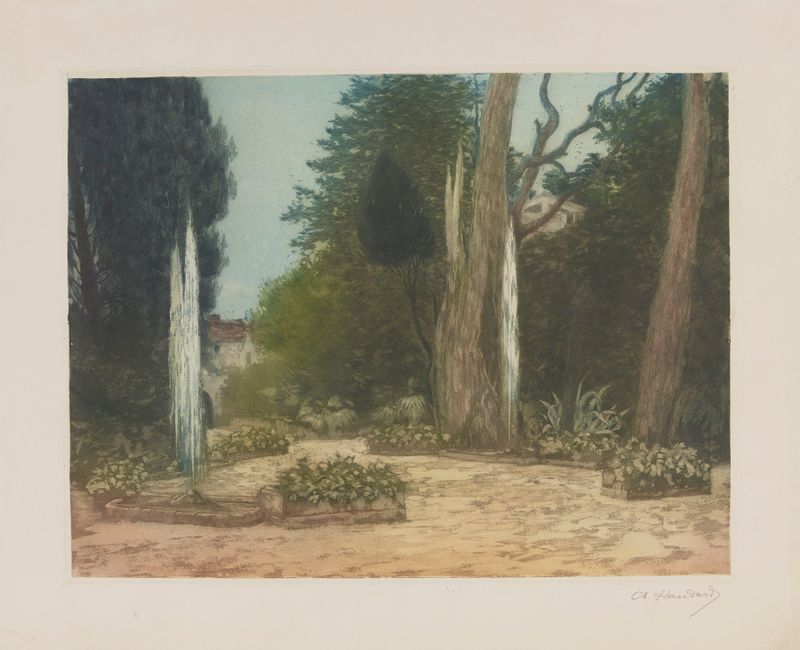
Villa d’Este, Tivoli, le rond-point
Charles-Louis Houdard





