
Bords de rivière — History & Facts
In Bords de rivière, destiny unfolds amidst whispers of nature, where each flicker of light reveals paths untaken and moments cherished. Look to the left, where the river meanders softly beneath a dappled sky, reflecting the tranquil hues of green and blue. The gentle strokes of the brush create a sense of movement, drawing the viewer’s gaze to the interplay between the water and the verdant foliage. Notice how the light falls upon the surface, glimmering like fragments of memory, while the silhouettes of trees stand sentinel, almost in reverence to the scene before us. The artwork encapsulates a delicate balance between serenity and longing.
The stillness of the river hints at a world paused in contemplation, while the earthy tones evoke nostalgia — a reminder of fleeting time. The juxtaposition of the illuminated landscape against darker areas suggests life’s unpredictable nature, where moments of clarity emerge amidst shadows of uncertainty. In 1860, Jean-Baptiste-Camille Corot was deeply entrenched in the Barbizon School movement, capturing the essence of nature with an intuitive approach. He painted Bords de rivière during a period of personal and artistic exploration, as he sought to blend realism with an ethereal quality in his landscapes.
The world of art was shifting towards Impressionism, and Corot’s work reflected both a reverence for natural beauty and the impending transformations of modernity.
More Artworks by Jean-Baptiste-Camille Corot
Browse all →
View of Genoa
Jean-Baptiste-Camille Corot
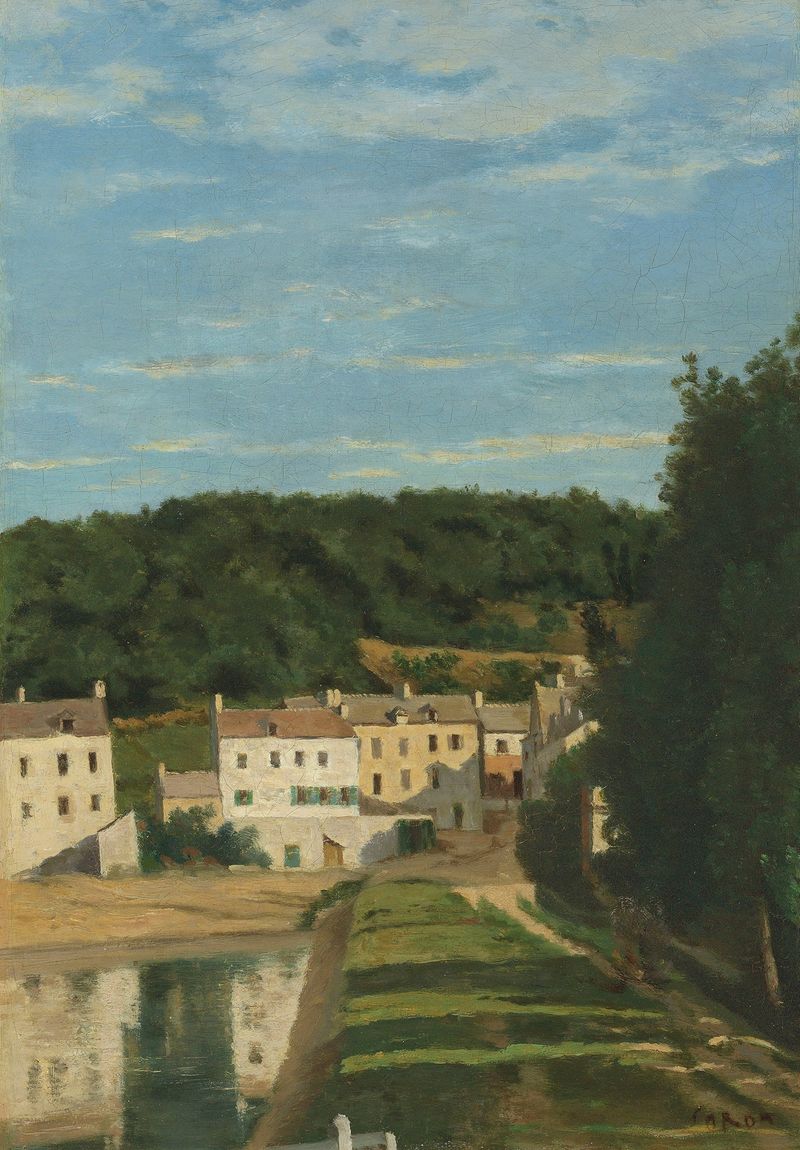
Les Maisons Cabassud À Ville D’avray
Jean-Baptiste-Camille Corot

La solitude. Souvenir de Vigen (Limousin)
Jean-Baptiste-Camille Corot
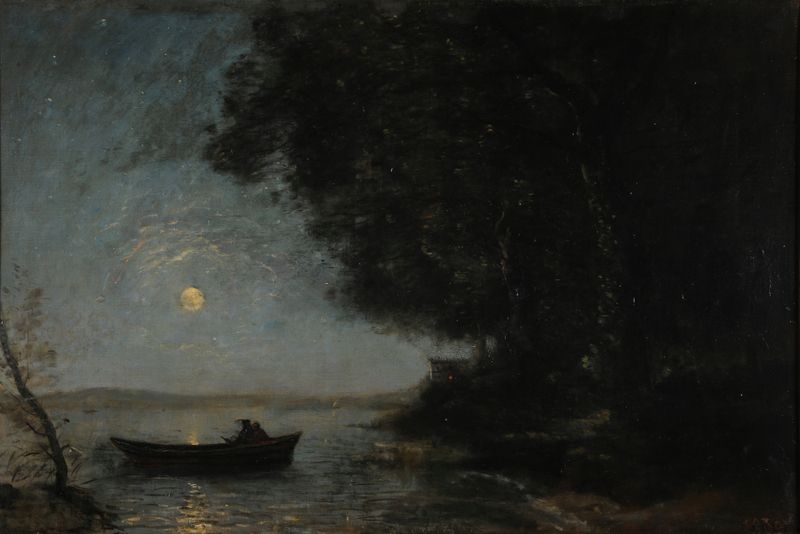
Le lac ; effet de nuit
Jean-Baptiste-Camille Corot
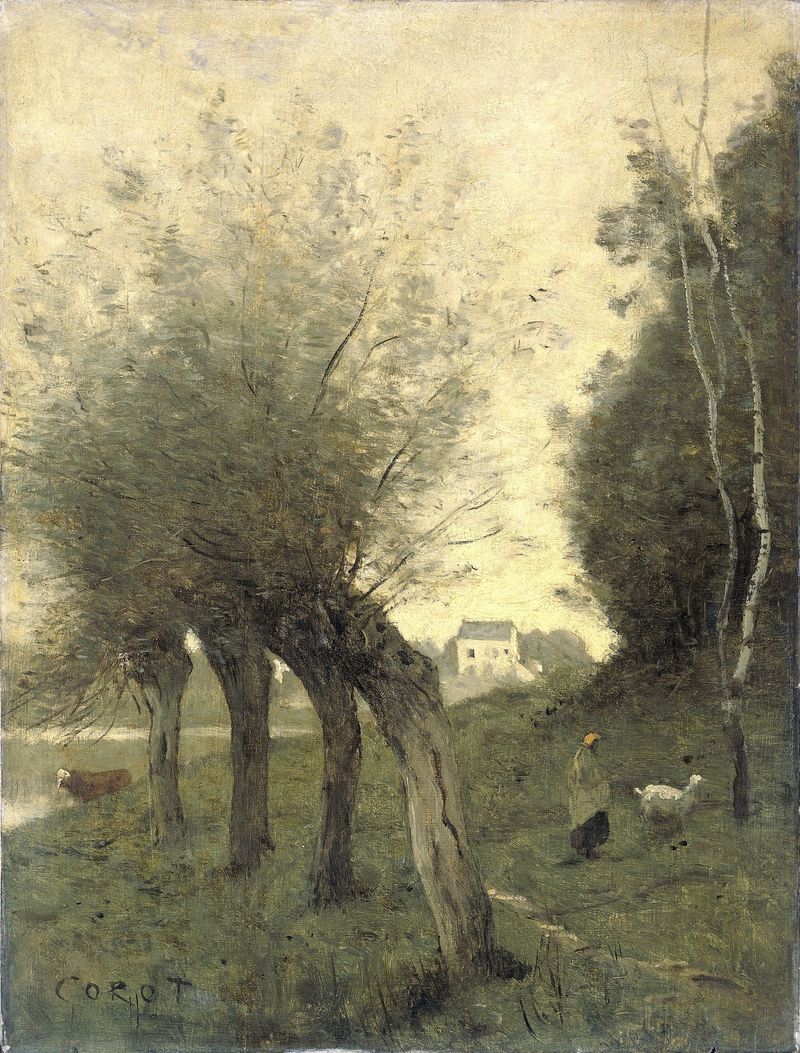
Landscape with Pollard Willows
Jean-Baptiste-Camille Corot
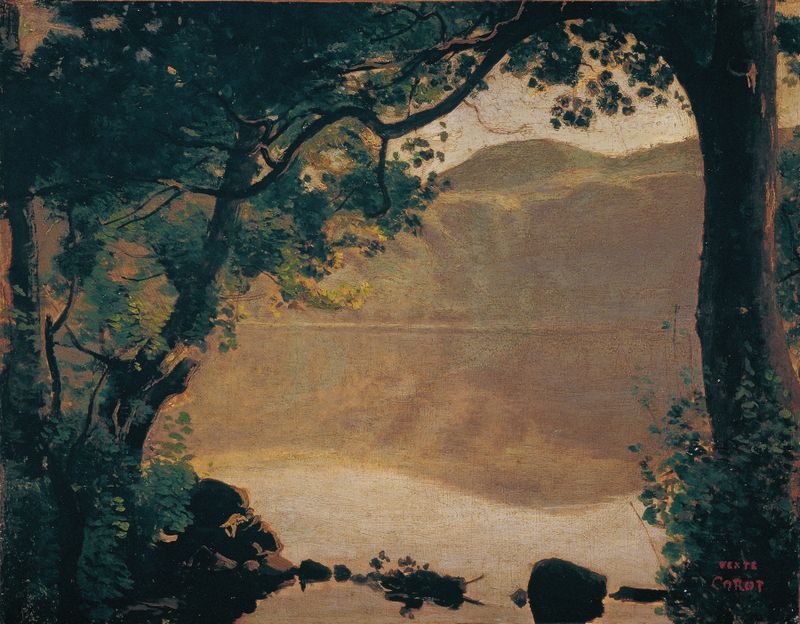
Der Nemisee
Jean-Baptiste-Camille Corot
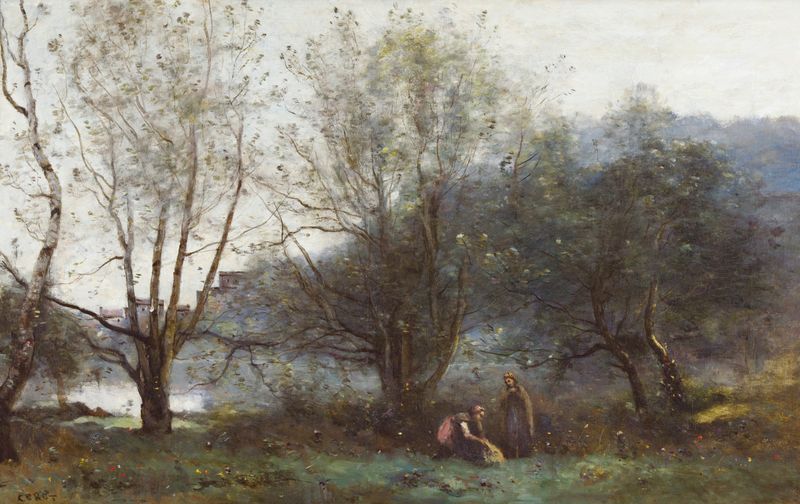
Les Étangs De Ville D’avray
Jean-Baptiste-Camille Corot
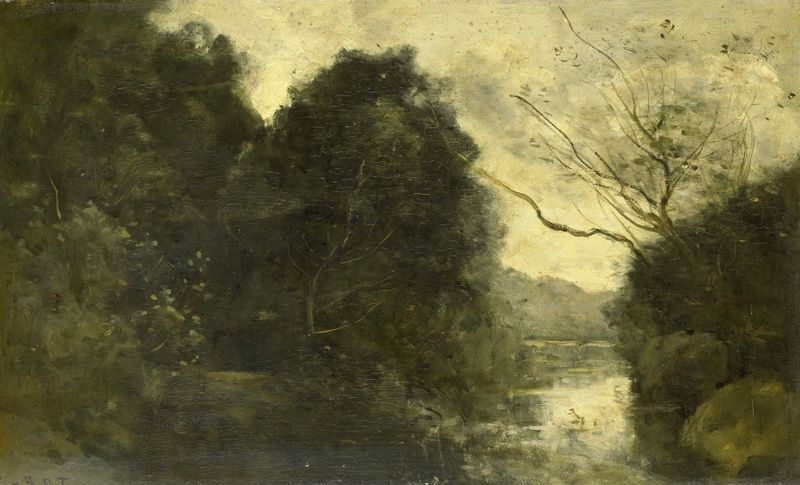
Pond in the Woods
Jean-Baptiste-Camille Corot
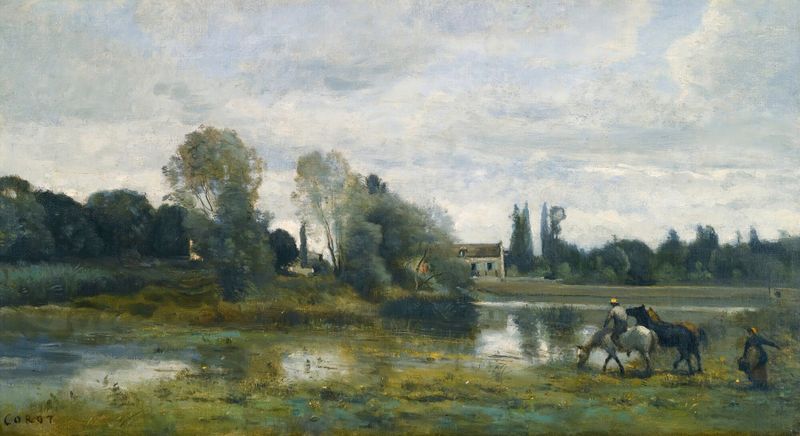
Ville D’avray; L’abreuvoir Des Chevaux
Jean-Baptiste-Camille Corot
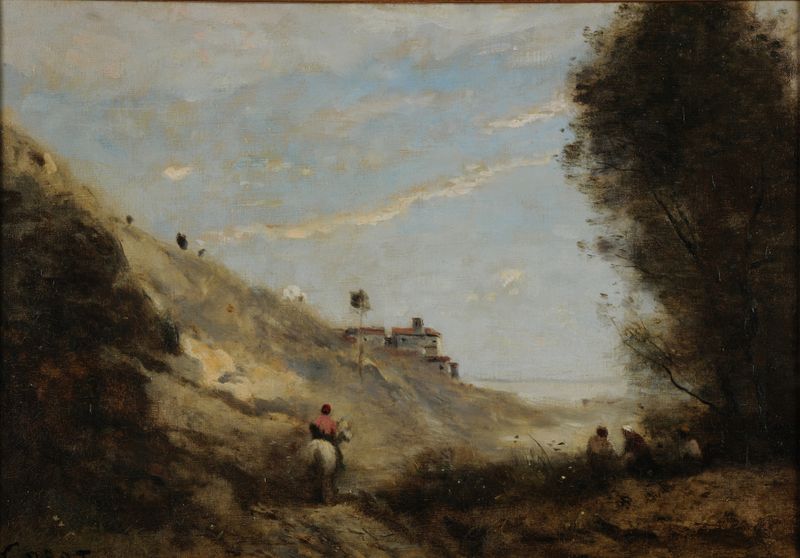
Le vallon au cavalier
Jean-Baptiste-Camille Corot





