
Borrowdale, with Longthwaite Bridge and Castle Crag — History & Facts
Who listens when art speaks of silence? In Borrowdale, with Longthwaite Bridge and Castle Crag, we are drawn into a tranquil dreamscape where nature's whispers hold profound secrets. Focus first on the tranquil waters of the river, reflecting the delicate hues of the sky. Notice how the pale blues and soft grays blend seamlessly into the landscape, creating an ethereal quality that invites contemplation. Turn your gaze towards the bridge that elegantly arches over the water; its intricate detail contrasts beautifully with the surrounding softness, grounding the composition in human craftsmanship amid nature’s majesty.
The gentle play of light and shadow across the craggy peaks hints at the elusive dance of time, as if the moment captured is both fleeting and eternal. Turner creates an emotional resonance within the interplay between the bridge and the crag, symbolizing the connection between human endeavor and the sublime forces of nature. The light barely kisses the bridge's surface, suggesting both a presence and a fading into the landscape, like a memory that lingers yet is destined to dissolve. This tension between permanence and transience invites the viewer to contemplate the dreamlike quality of existence, where every element contributes to a larger narrative of connection and solitude. Painted between 1799 and 1802, this work emerged during a pivotal period in Turner's career, as he began to explore the interplay of light and atmosphere more fiercely.
Working in England, his focus shifted towards landscapes that conveyed emotion and storytelling, reflecting the Romantic movement's ideals. The era brought a growing appreciation for nature's beauty, setting the stage for art that would evoke feelings beyond the mere visual, inviting viewers into a deeper, contemplative dialogue with what they see.
More Artworks by Joseph Mallord William Turner
Browse all →
Dort or Dordrecht- The Dort Packet-Boat from Rotterdam Becalmed
Joseph Mallord William Turner
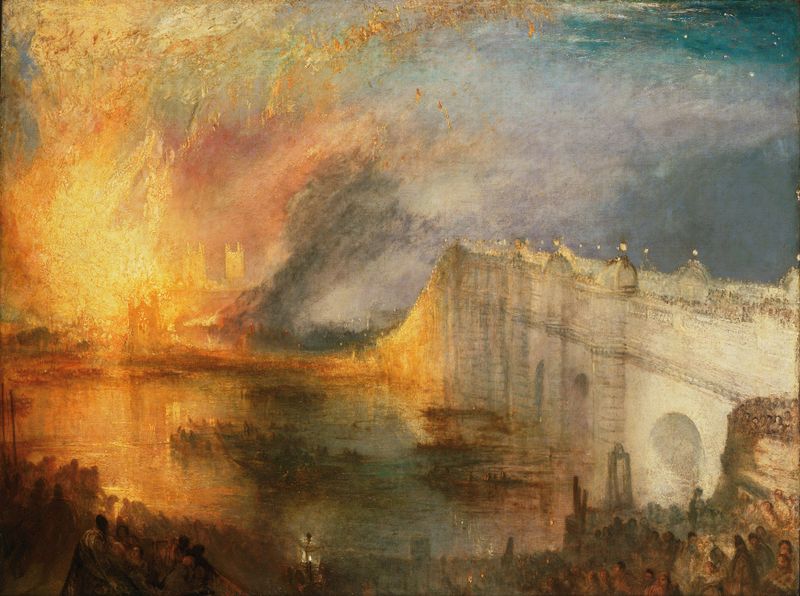
The Burning of the Houses of Lords and Commons, October 16, 1834
Joseph Mallord William Turner
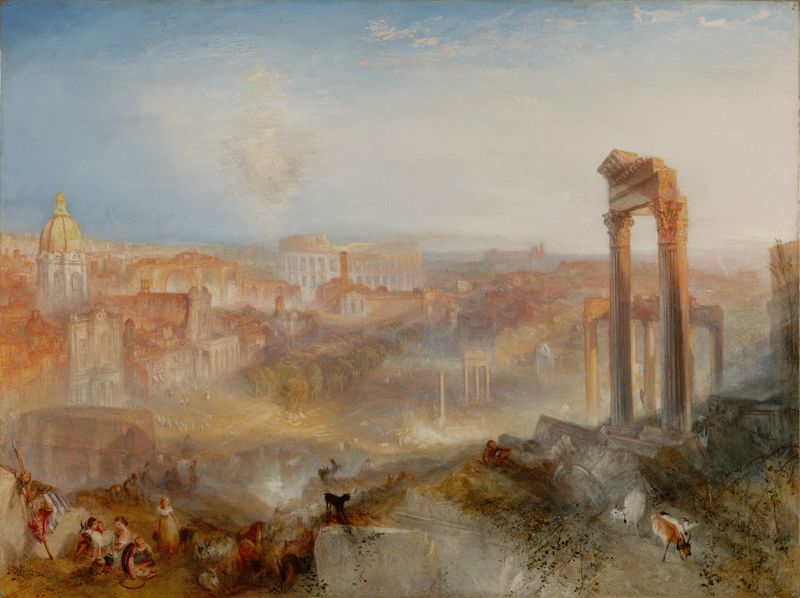
Modern Rome – Campo Vaccino
Joseph Mallord William Turner
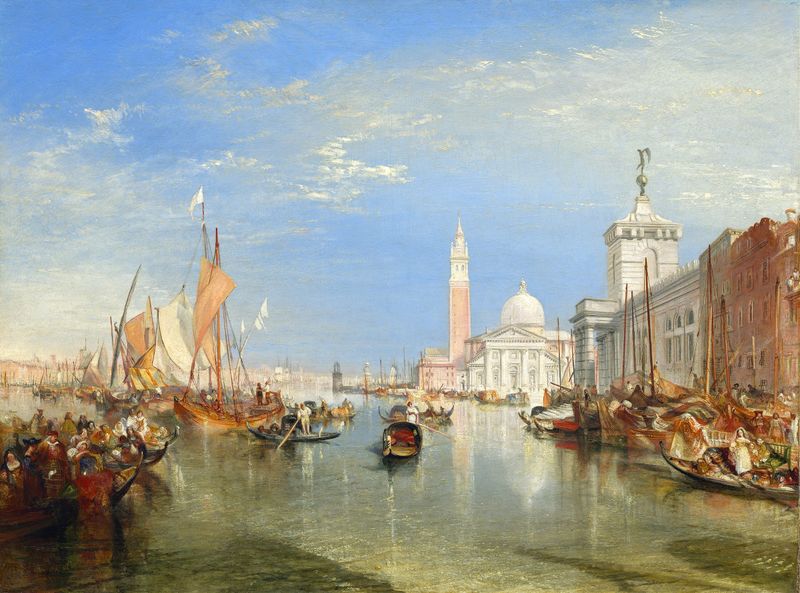
Venice – The Dogana and San Giorgio Maggiore
Joseph Mallord William Turner

The Burning of the Houses of Lords and Commons, 16 October 1834
Joseph Mallord William Turner
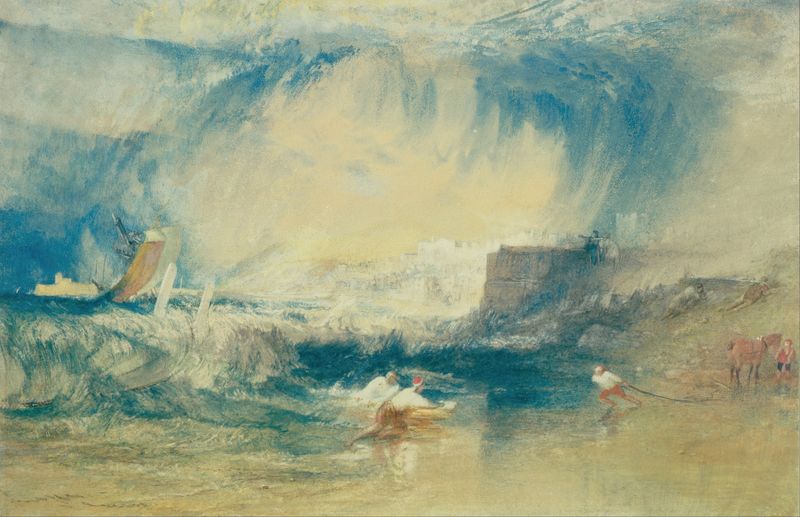
Lyme Regis, Dorsetshire, England
Joseph Mallord William Turner
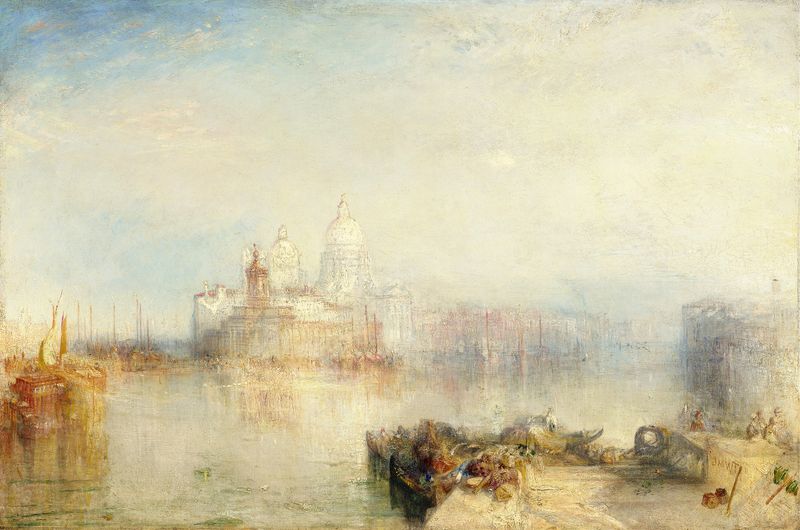
The Dogana and Santa Maria della Salute, Venice
Joseph Mallord William Turner
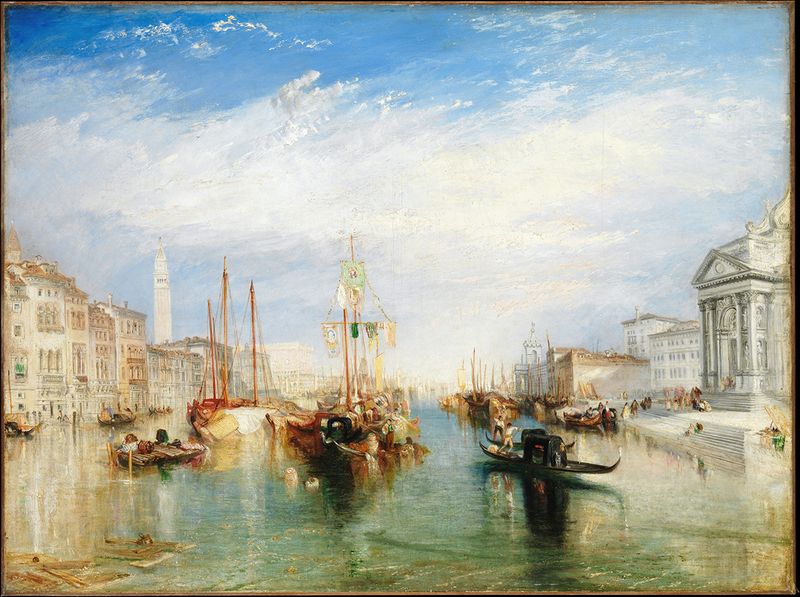
Venice, from the Porch of Madonna della Salute
Joseph Mallord William Turner
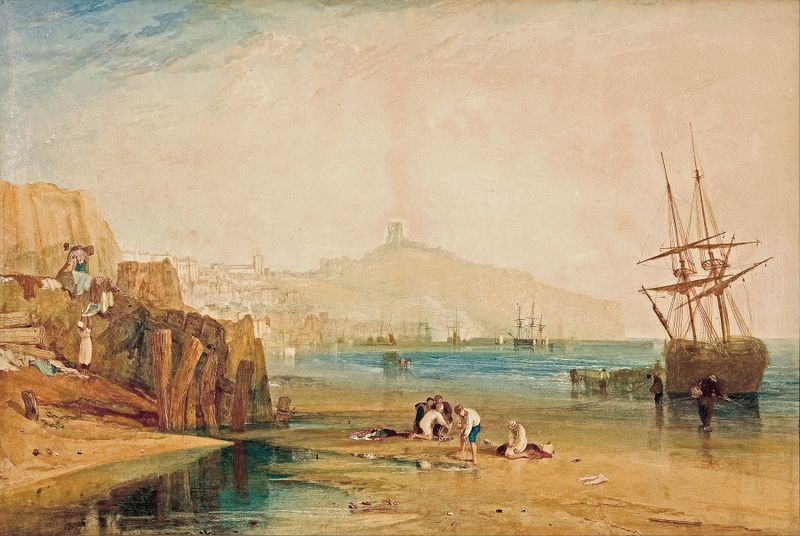
Scarborough town and castle; morning; boys catching crabs
Joseph Mallord William Turner
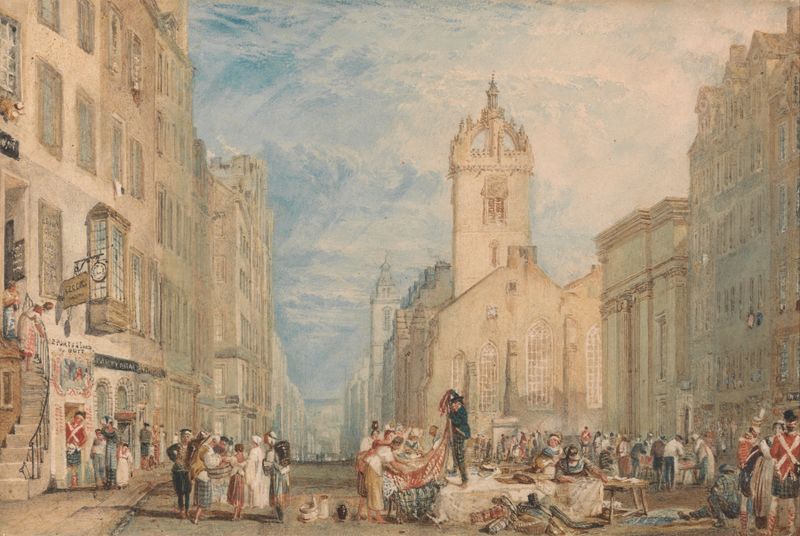
High Street, Edinburgh
Joseph Mallord William Turner





