
Bosje — History & Facts
How do shadows shape our truths, revealing what we often hide? In Bosje, the interplay of light and dark invites us into a world where the unseen lurks within every crevice. Focus on the striking contrast between the vibrant, almost electric colors and the deep, engulfing shadows. The intricate details of the figures—each figure seemingly caught in a moment of contemplation—beckon the viewer to explore the depths of their expressions. Notice how the light dances upon the faces, illuminating their features while the hands are cloaked in darkness, suggesting both presence and absence, action and restraint. Beneath the surface, the artist masterfully crafts an emotional tension between clarity and obscurity.
The brighter hues may represent fleeting joy, while the shadows loom large, hinting at unacknowledged fears or regrets. These contrasts echo the complexities of human emotion, where laughter may mask sorrow, and light can never entirely dispel the dark. The ambiguous composition amplifies this duality, inviting a reflection on the intimate relationship between our inner lives and the facades we present to the world. In 1888, Ensor was developing his unique style in Ostend, Belgium, a time marked by personal struggles and the burgeoning influence of the Symbolist movement.
Emerging from a tumultuous period, he increasingly focused on themes of spirituality and existential inquiry, capturing the essence of human experience in a world rife with uncertainty. Bosje encapsulates this exploration, providing a window into the shadows that define our very existence.
More Artworks by James Ensor
Browse all →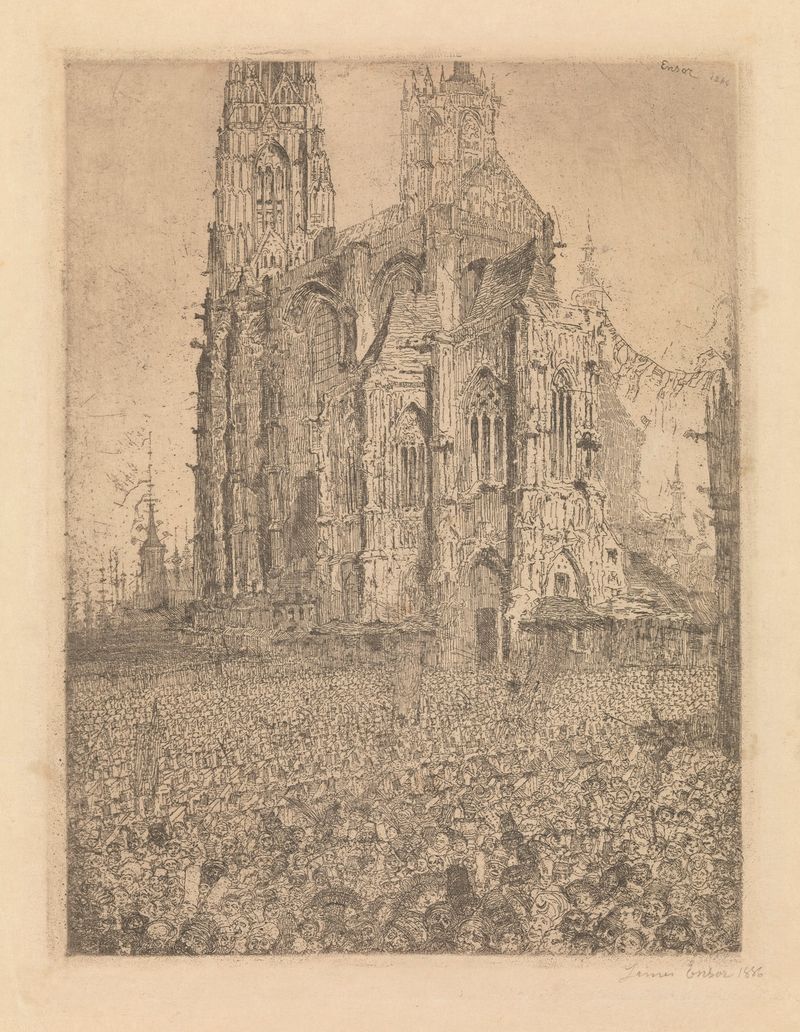
The Cathedral
James Ensor
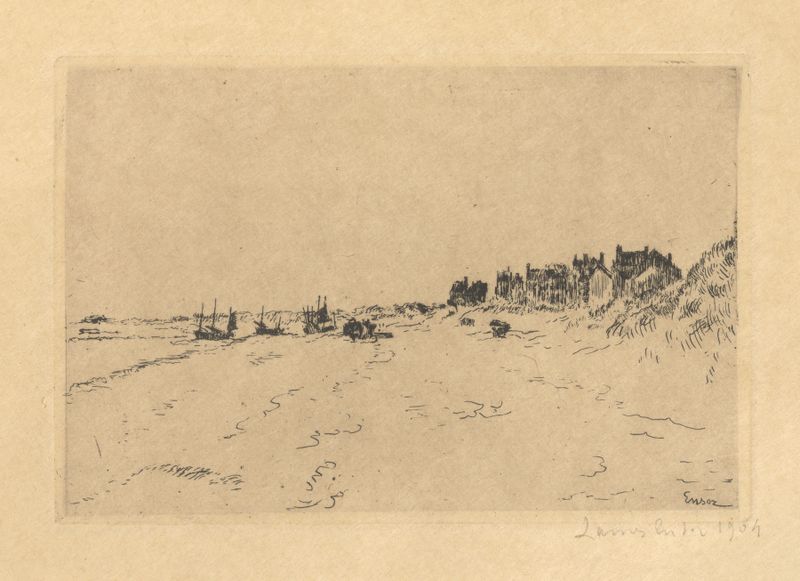
Het strand van De Panne
James Ensor
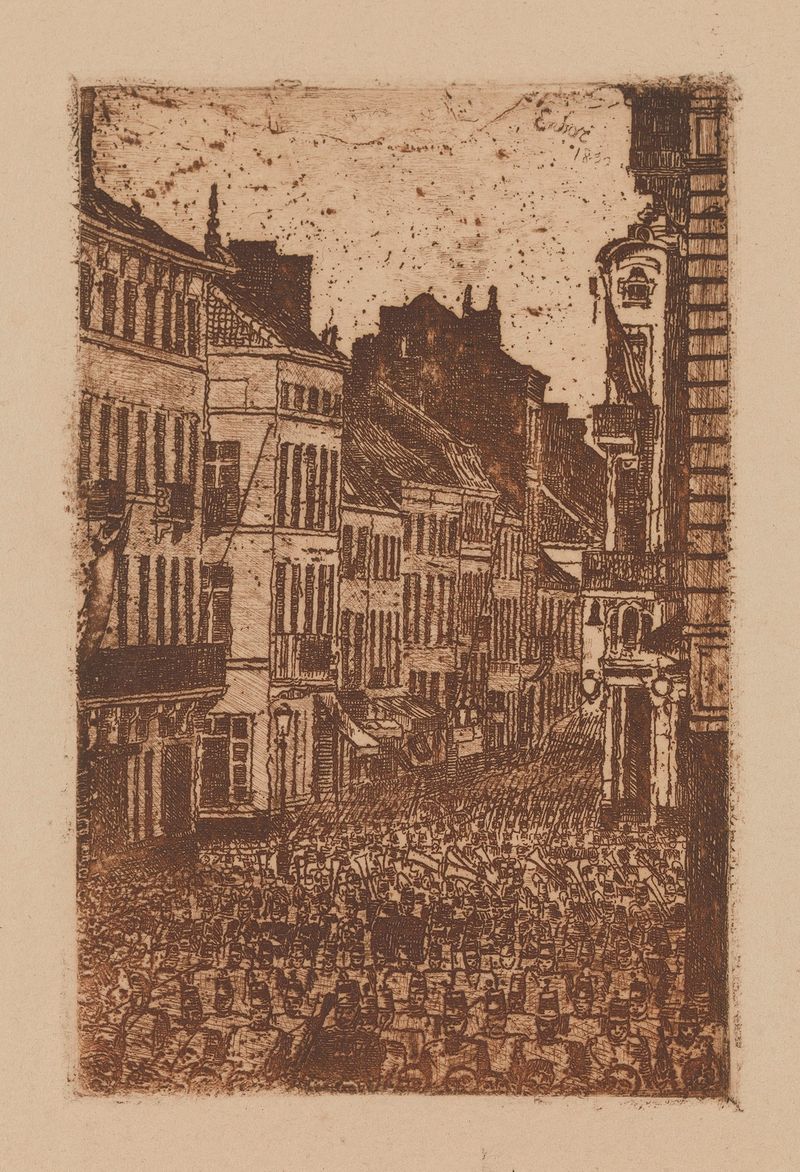
The Music in the rue de Flandre, Ostend
James Ensor
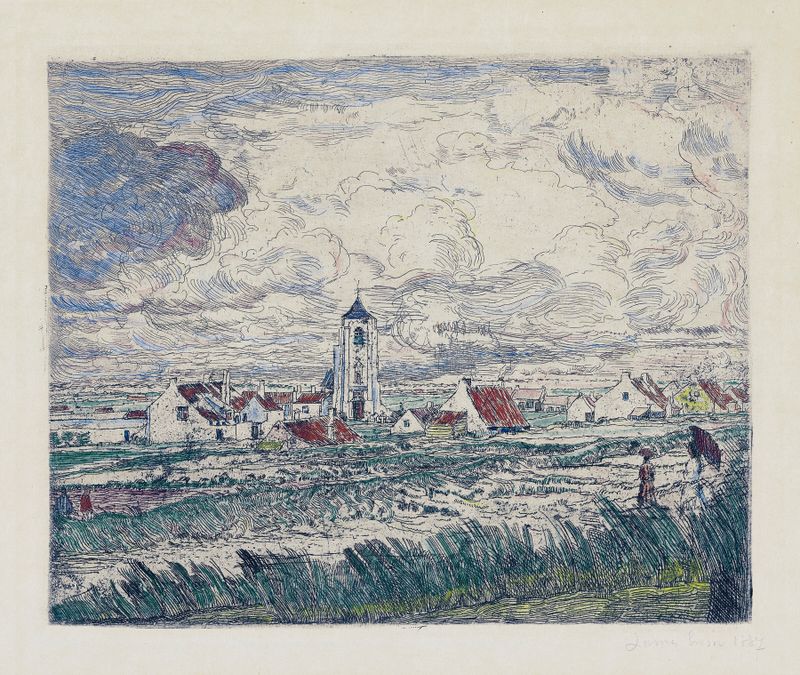
Grande vue de Mariakerke
James Ensor
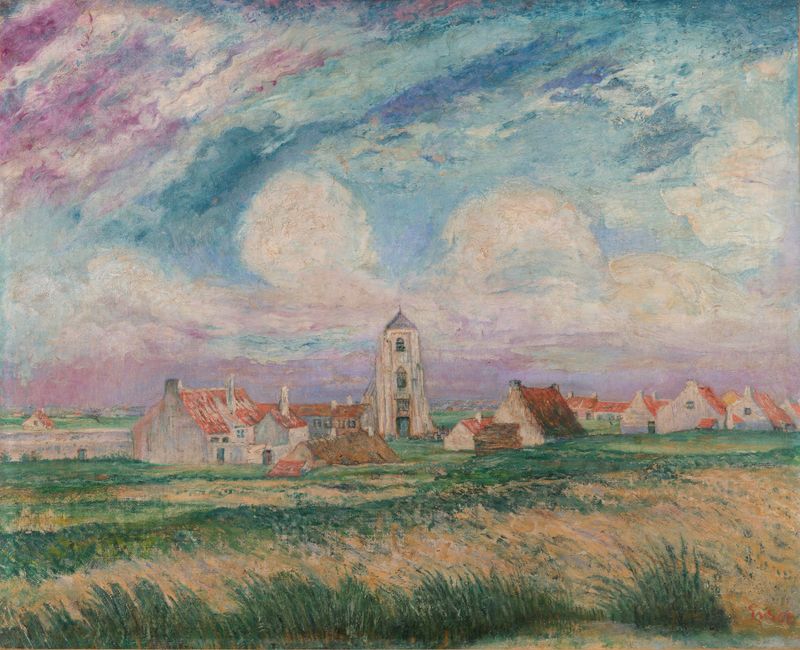
View of Mariakerke
James Ensor
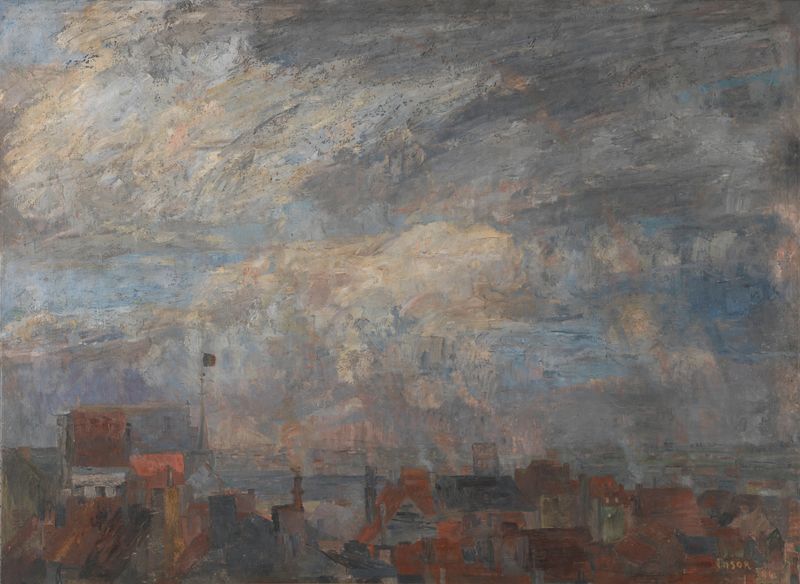
The Rooftops of Ostend
James Ensor
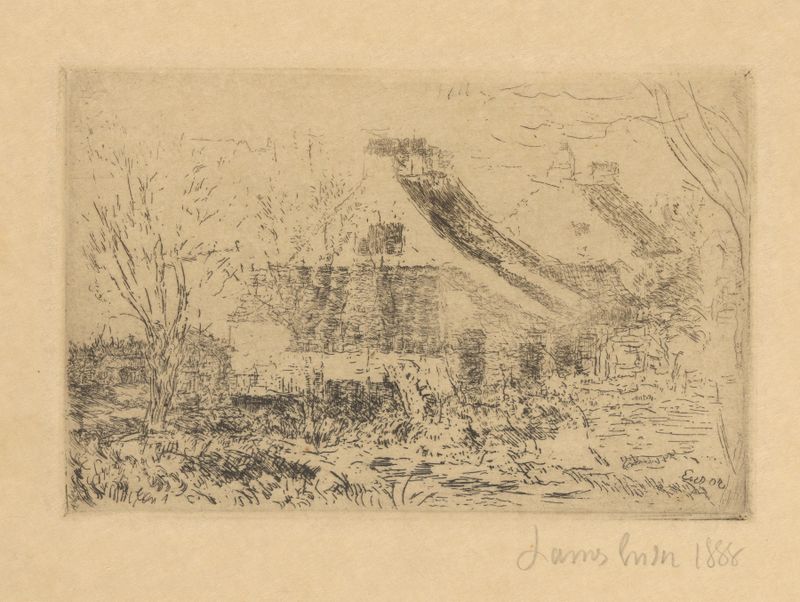
Huisjes in Mariakerke
James Ensor
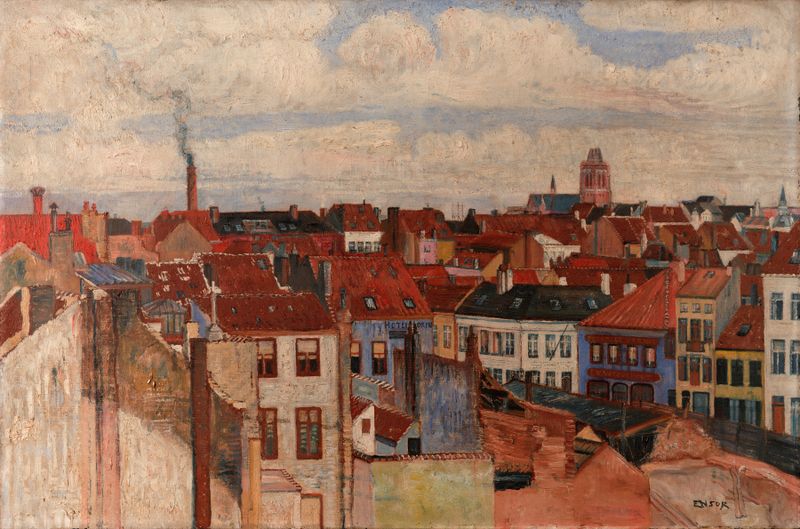
The rooftops of Ostend
James Ensor
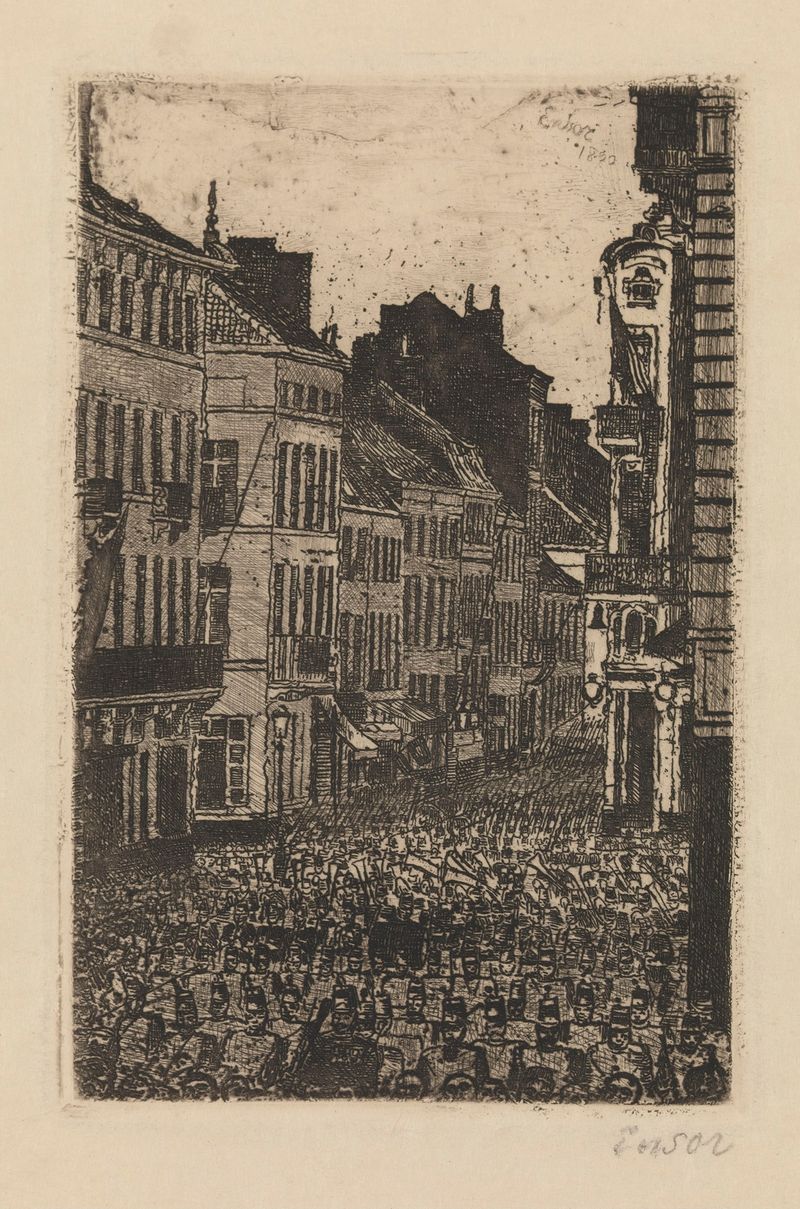
The Music in the rue de Flandre, Ostend
James Ensor
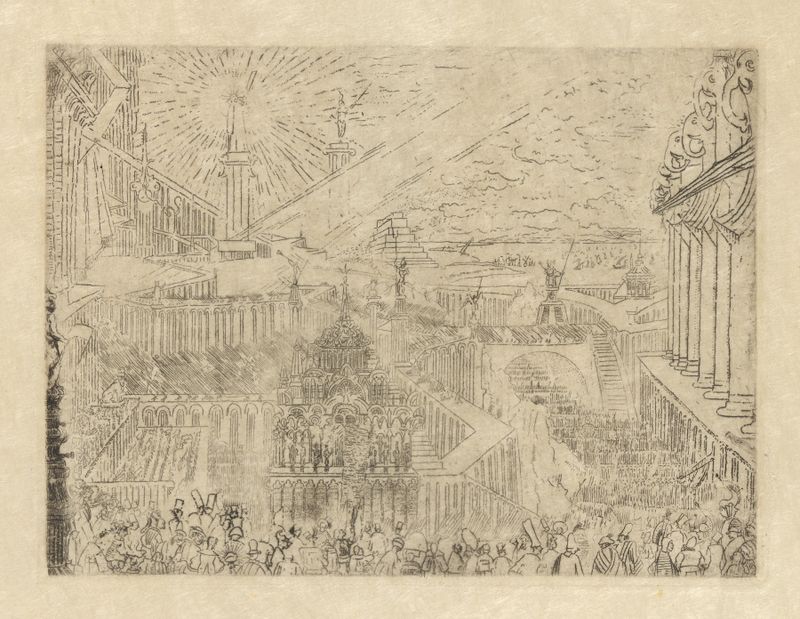
Verovering van een vreemde stad
James Ensor





