Boslandschap — History & Facts
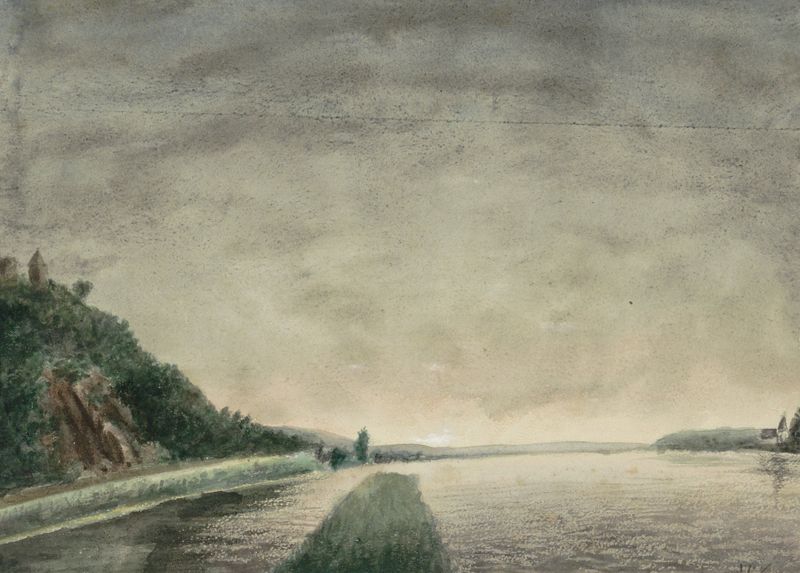
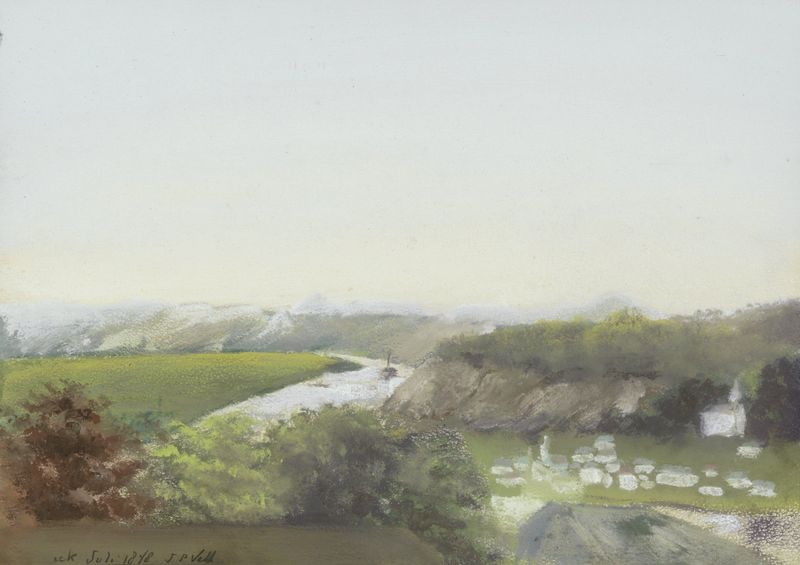
Is this a mirror — or a memory? In Boslandschap, an ethereal landscape emerges, where nature's divine beauty whispers secrets through every brushstroke, inviting contemplation of our own existence amidst the vastness. Focus on the vivid greens and earthy browns that blanket the canvas, guiding your gaze to the towering trees that stretch towards the sky. Notice how the light delicately filters through the leaves, creating dappled shadows on the forest floor. The tranquil water reflects the surrounding foliage, blurring the lines between reality and illusion, urging the viewer to ponder the sacredness of this serene landscape. Within this tranquil haven, contrasts thrive: the vibrant life of the trees stands in stark relief against the stillness of the water, suggesting a duality—creation and reflection, presence and absence.
The intricate details in the brushwork echo the complexity of nature itself, hinting at an internal harmony that resonates with the viewer’s own journey. Here, the essence of divinity is captured not through overt symbols but through the lush tranquility and the silent invitation to pause and reflect. Jan Veth painted Boslandschap in 1885 during a time of artistic exploration in the Netherlands. As a member of the Hague School, he was immersed in a movement that celebrated the natural world, seeking to depict its beauty with authenticity.
This period saw a shift toward embracing emotional expression through realism, a path that Veth skillfully navigated as he sought to capture the spiritual essence embedded within everyday landscapes.