Gezicht op een van de terrassen van de Borobúdur — History & Facts
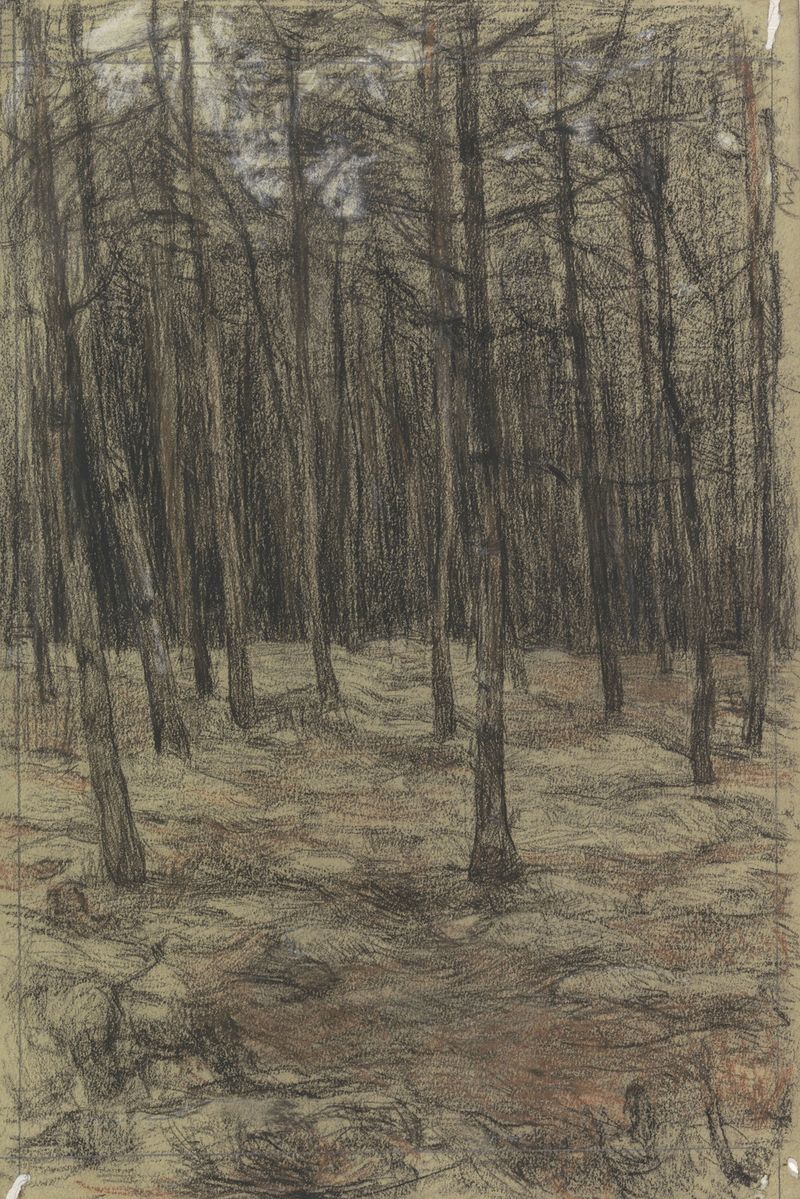
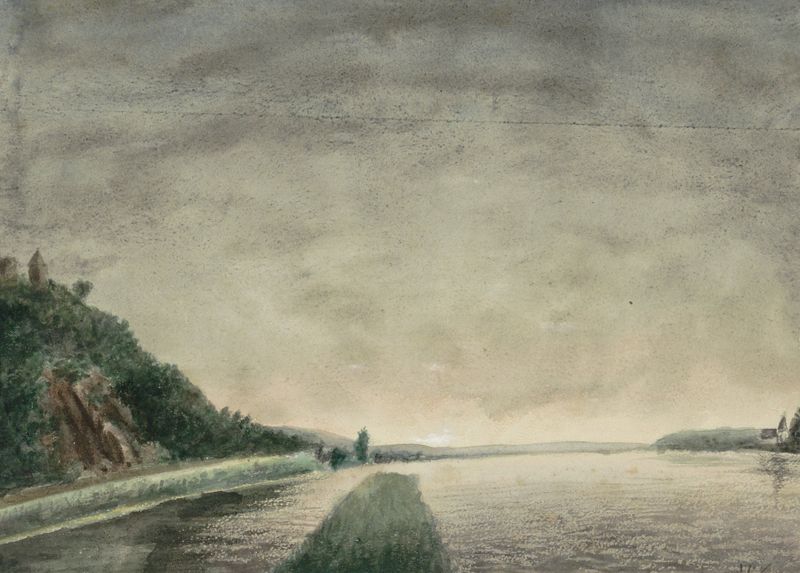
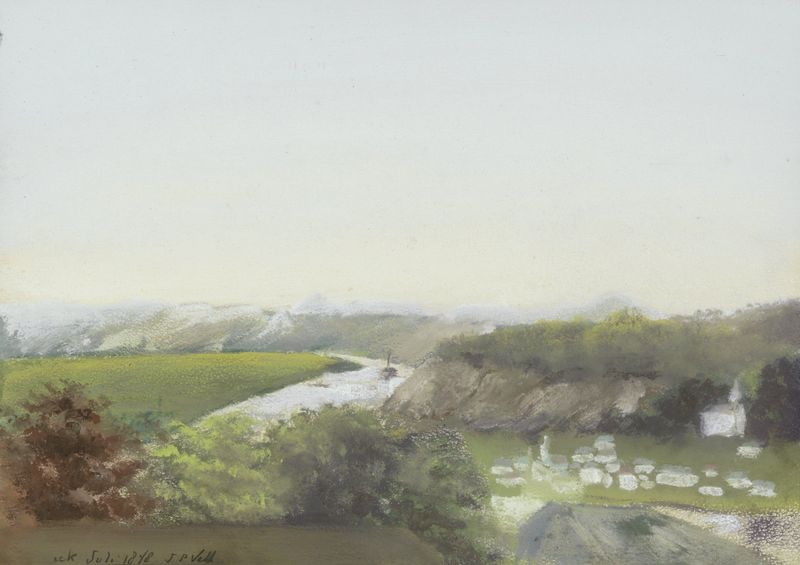
Is this a mirror — or a memory? The vibrant colors and intricate details invite you to step into a world that straddles the line between reality and dream. Look to the left at the cascading greens and browns that paint the terraced landscape, revealing the lush surroundings of Borobudur. The soft play of light across the stone structures leads your gaze, emphasizing the depth and texture of the ancient terraces. Each stroke, delicately layered, captures the warmth of the scene, while the cool blues of the sky create a harmonious contrast, binding the elements together in a meditative balance. Hidden within this serene landscape are layers of meaning.
The bright colors symbolize not only the physical beauty of the site but also its spiritual significance — a reminder of the myriad stories etched in stone. Notice the subtle play of light and shadow that evokes the passage of time, as if inviting you to pause and reflect on your own journey through memory and history. The artist’s choice of hues generates an emotional resonance, echoing the Old World's whispers and the viewer's inner reflections. Created between 1921 and 1922, this piece reflects Jan Veth's deep fascination with Indonesia, a land he grew to love during his travels.
At this time, the artist was navigating the complex dynamics of the post-colonial context, capturing both the beauty of the island's landscapes and the poignant histories they held. As modernism began to influence many artists, Veth's work stands out for its vibrant color palette and its sincere homage to cultural heritage.