Discover insights about this artwork
Bottom of the Ravine — History & Facts
In Bottom of the Ravine, Paul Cézanne presents a landscape filled with lush greenery and a winding path leading into the depths of the ravine. The colors are vibrant, with deep greens and earthy browns dominating the canvas. The brushwork is textured, creating a sense of movement and depth in the foliage.
The overall composition invites the viewer to explore the serene yet mysterious setting. Cézanne's technique is evident in the way he layers paint to build texture and form. The use of short, deliberate brush strokes gives the painting a dynamic quality, while the color palette enhances the natural beauty of the scene. The dimensions of the painting are approximately 65 x 81 cm, making it a substantial work that commands attention.
The oil on canvas medium allows for rich color saturation and depth. Bottom of the Ravine is a notable example of Cézanne's exploration of landscape painting during the late 19th century. He often sought to capture the essence of nature through his unique approach to form and color. Interestingly, this work reflects his transition from Impressionism to a more structured style that would influence modern art.
Cézanne's focus on geometric shapes and spatial relationships is evident in this piece.
More Artworks by Paul Cézanne
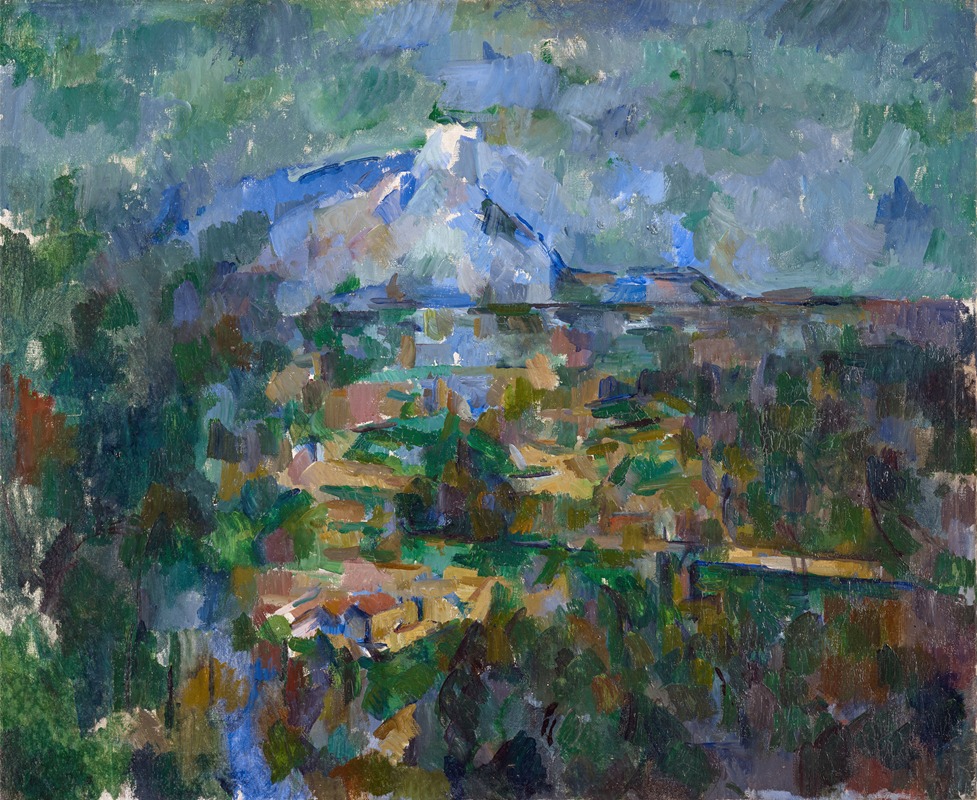
The Mont Sainte-Victoire Seen From Les Lauves
Paul Cézanne
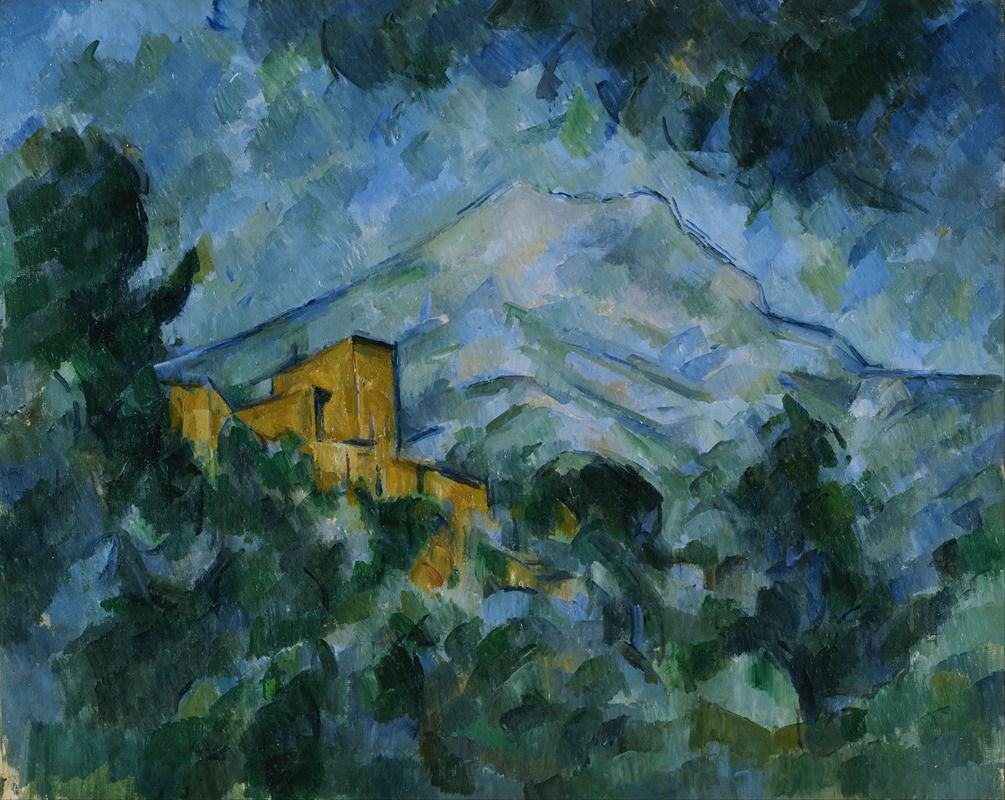
Mont Sainte-Victoire and Château Noir
Paul Cézanne
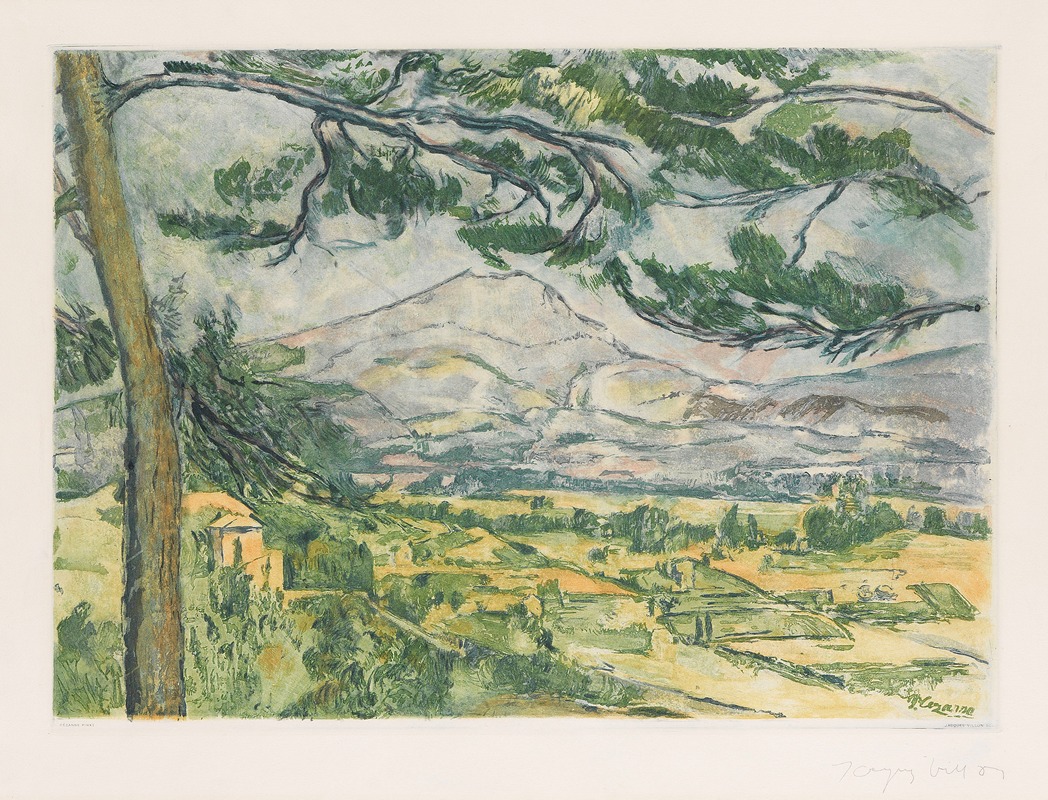
La Montagne Sainte-Victoire
Paul Cézanne
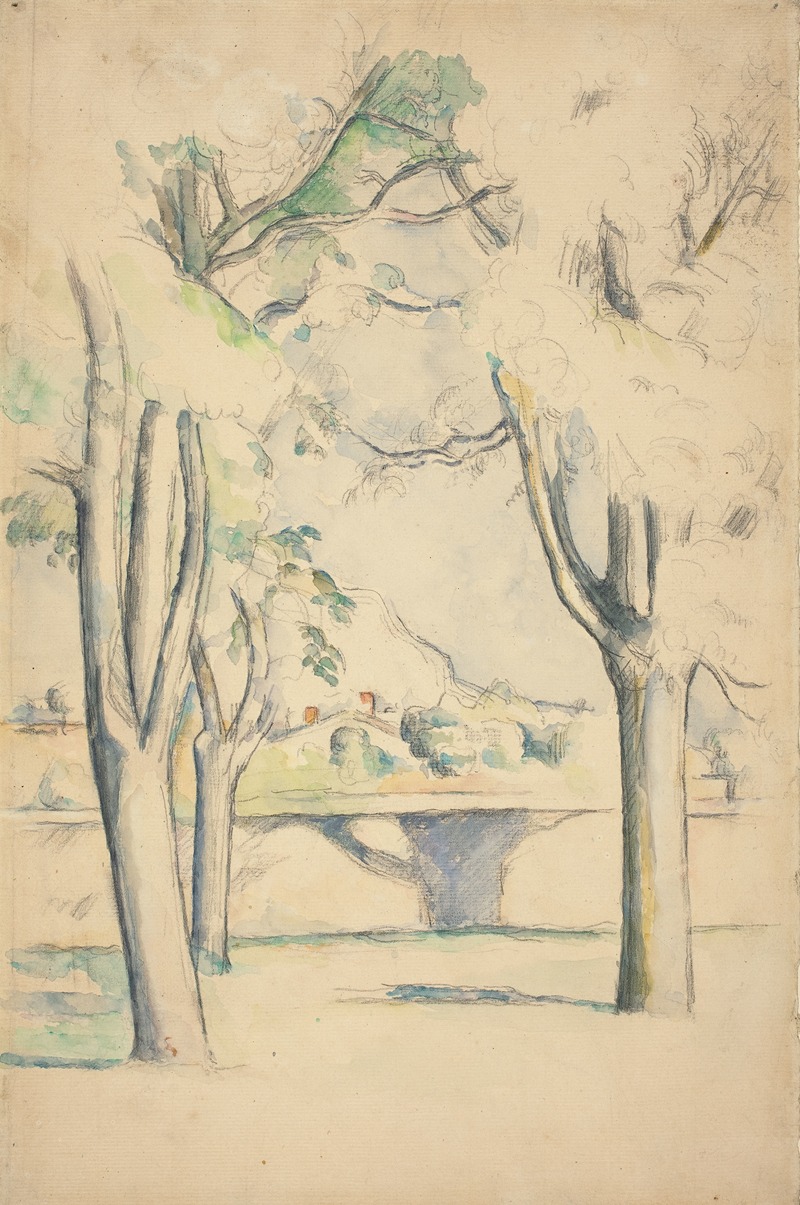
Mont Sainte-Victoire Seen beyond the Wall of the Jas de Bouffan
Paul Cézanne
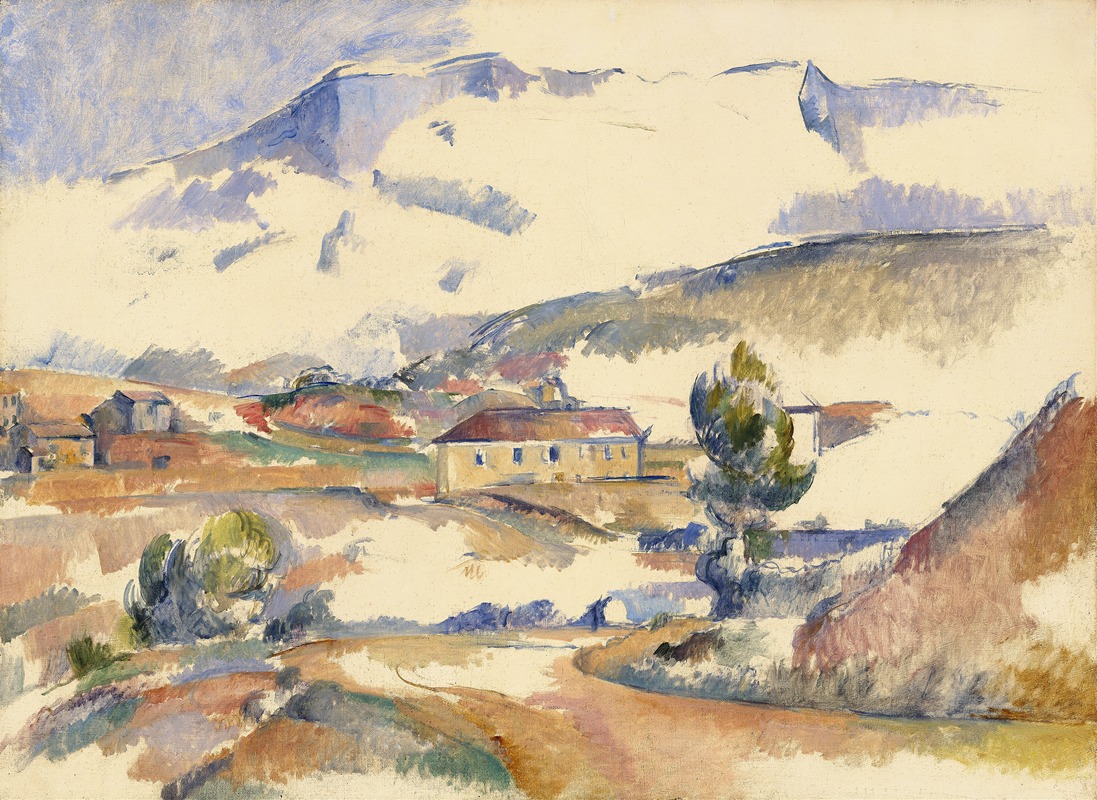
Montagne Sainte-Victoire,from near Gardanne
Paul Cézanne
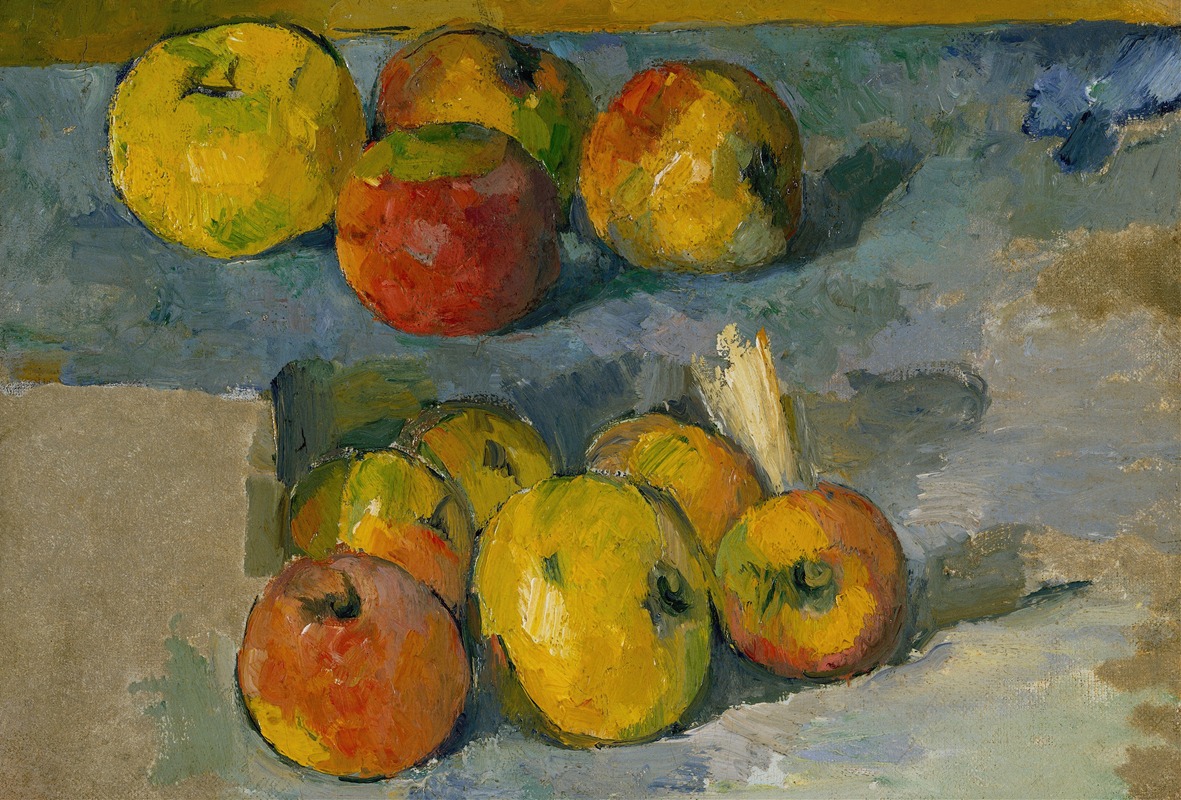
Apples
Paul Cézanne
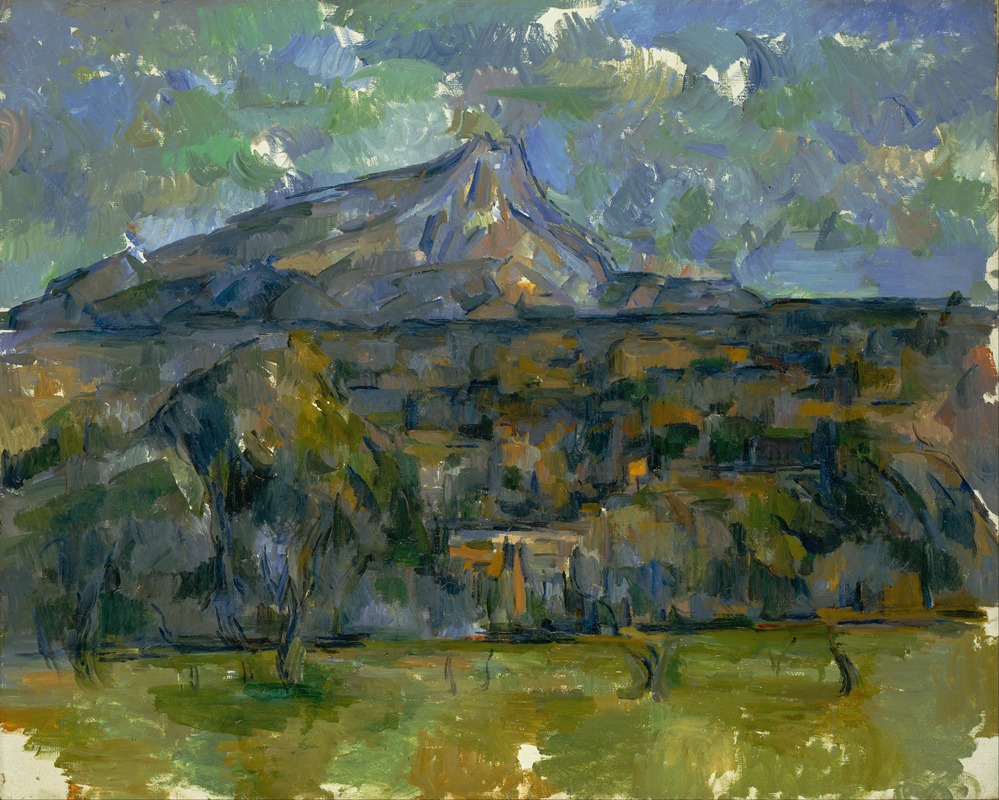
Mont Sainte-Victoire
Paul Cézanne
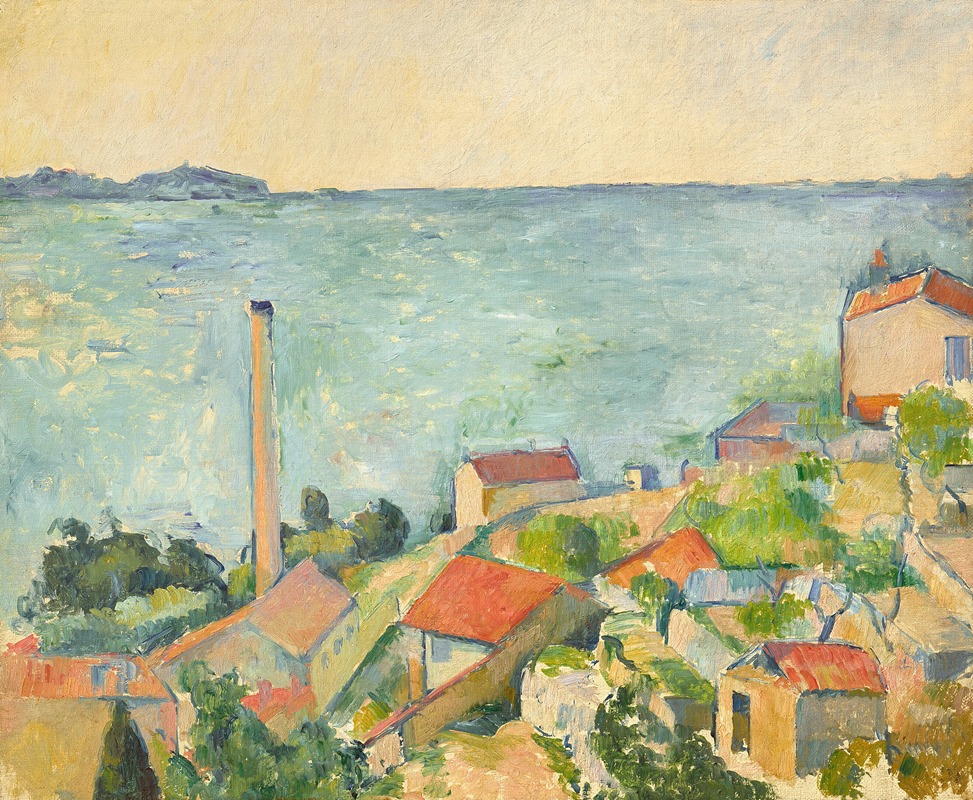
La mer à l’Estaque
Paul Cézanne
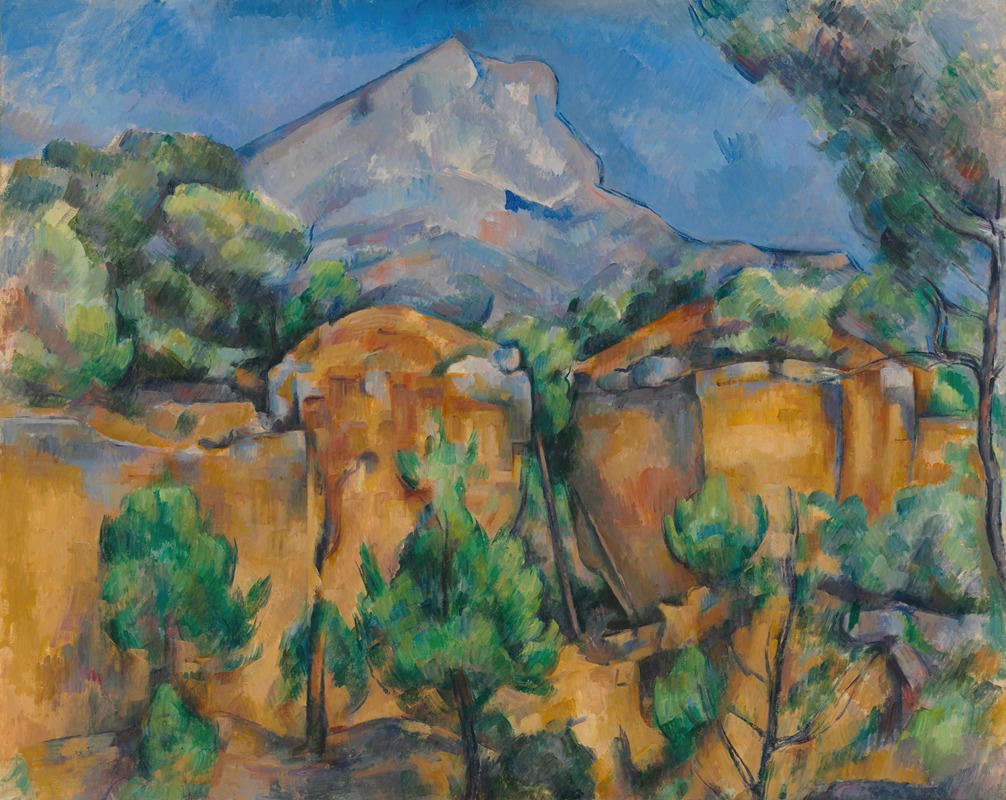
La Montagne Sainte-Victoire vue de la carrière Bibémus
Paul Cézanne
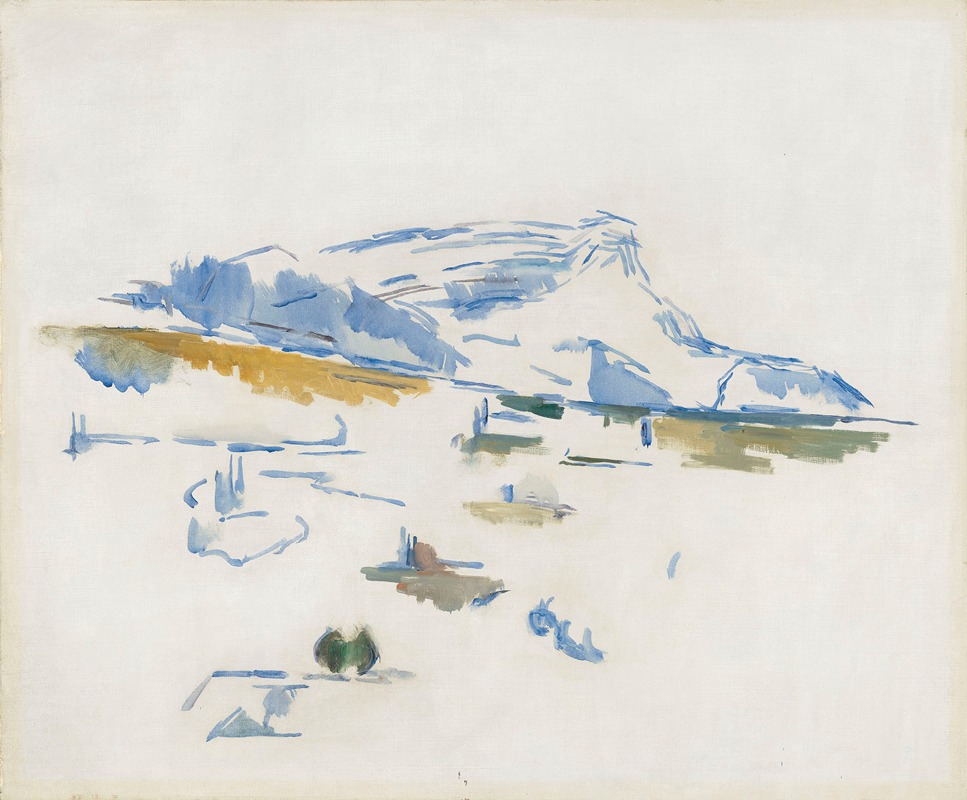
La Montagne Sainte-Victoire vue des Lauves
Paul Cézanne