
Bouquet d‘arbres, effet de crépuscule — History & Facts
Could beauty survive in a century of chaos? In Bouquet d‘arbres, effet de crépuscule, the canvas whispers a serene answer amidst the tumult of its time. Look to the center where the trees stand sentinel, their silhouettes etched against a twilight sky. The artist masterfully employs soft brushstrokes, allowing layers of greens and blues to merge seamlessly, conveying the gentle fading of day. Notice how the light filters through the branches, creating a delicate interplay between shadow and illumination, inviting the viewer to linger in this moment of tranquil transition. Yet, beneath the surface tranquility, there lies an undercurrent of tension.
The juxtaposition of the vibrant colors with the encroaching darkness hints at the inevitable passage of time, reflecting the artist’s contemplation of nature's beauty and its fleetingness. Each tree, though standing tall and proud, is acutely aware of the dusk—a metaphor for destiny itself. Here, Corot encapsulates both the calm before the storm and the silent resilience of nature. Created between 1845 and 1850, during a period marked by socioeconomic upheaval in France, the artist found solace in depicting the landscapes he cherished.
This work emerged amid the Barbizon School’s push towards realism, as Corot sought to blend the romanticism of nature with a more honest representation of its essence. It stands as a testament to his conviction that even in tumult, moments of beauty can exist, reminding us of what is worth preserving.
More Artworks by Jean-Baptiste-Camille Corot
Browse all →
View of Genoa
Jean-Baptiste-Camille Corot
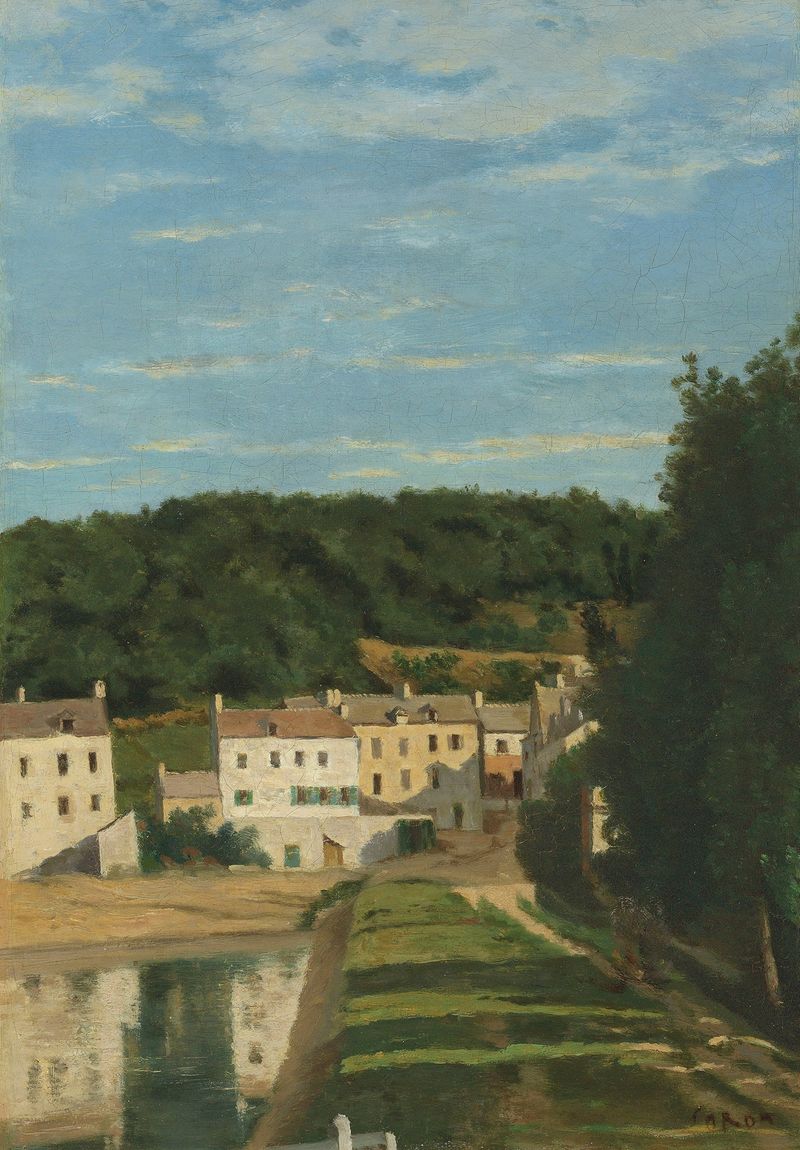
Les Maisons Cabassud À Ville D’avray
Jean-Baptiste-Camille Corot

La solitude. Souvenir de Vigen (Limousin)
Jean-Baptiste-Camille Corot
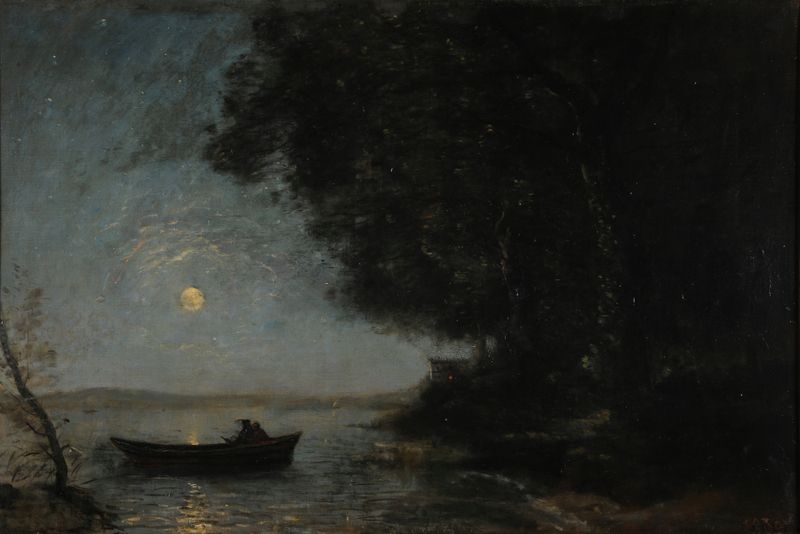
Le lac ; effet de nuit
Jean-Baptiste-Camille Corot
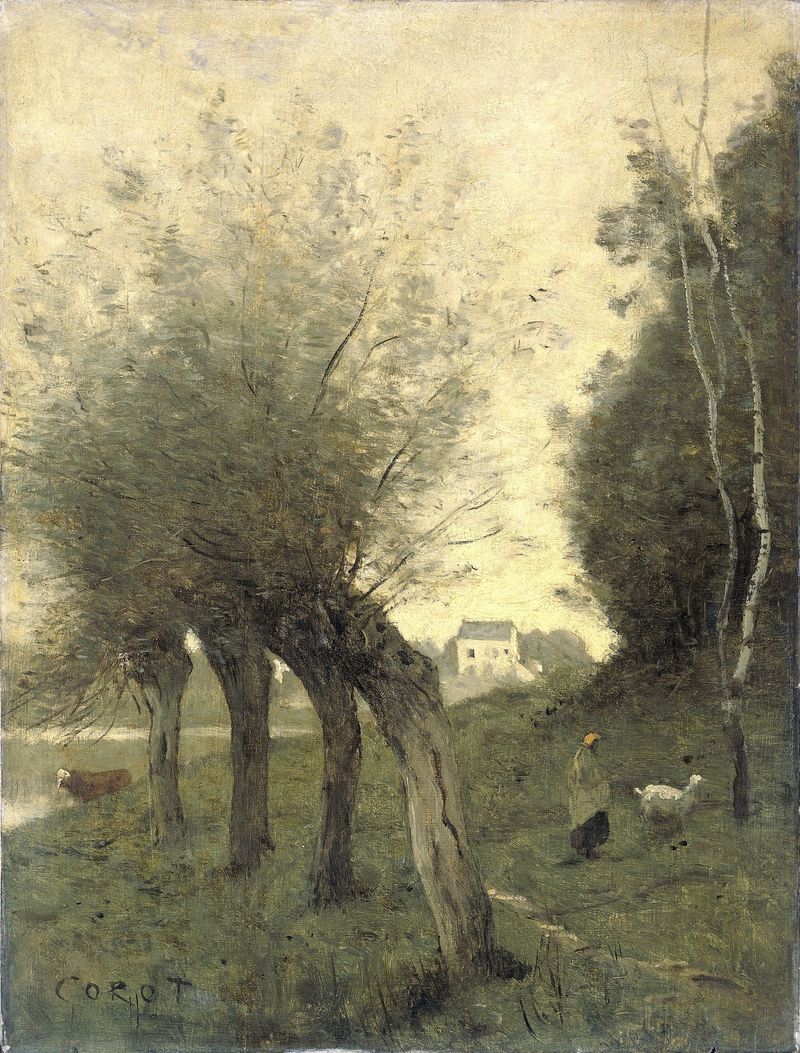
Landscape with Pollard Willows
Jean-Baptiste-Camille Corot
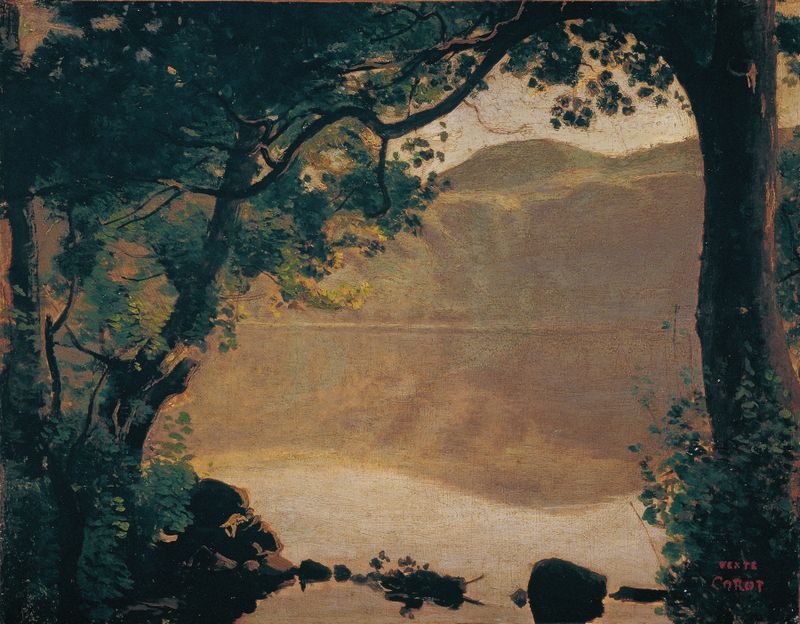
Der Nemisee
Jean-Baptiste-Camille Corot
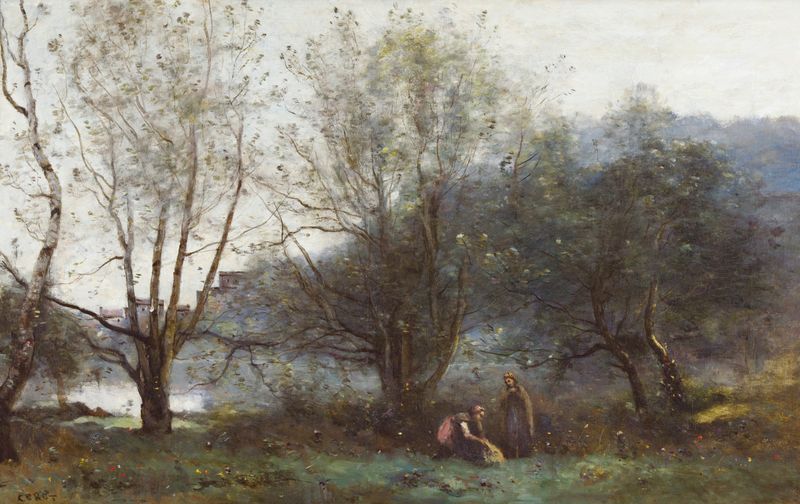
Les Étangs De Ville D’avray
Jean-Baptiste-Camille Corot
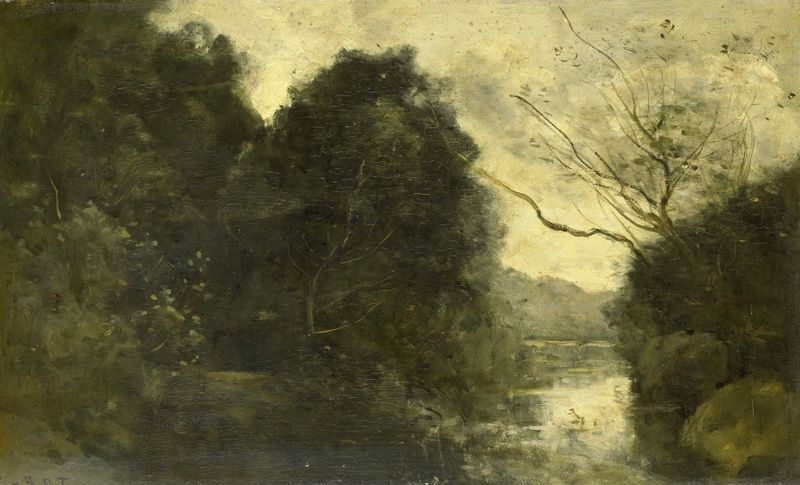
Pond in the Woods
Jean-Baptiste-Camille Corot
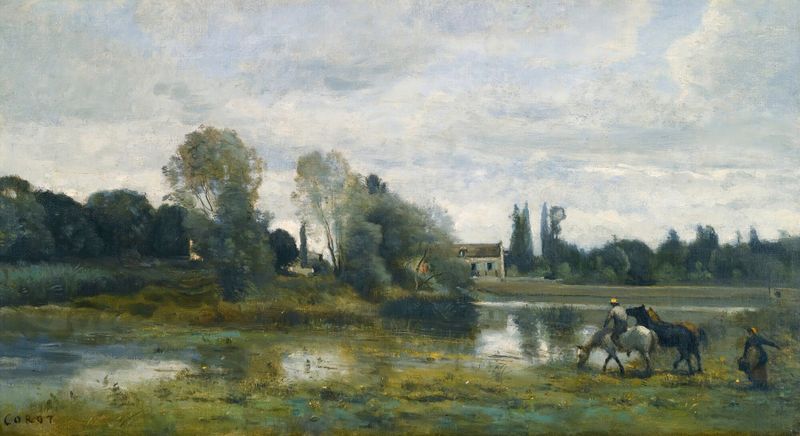
Ville D’avray; L’abreuvoir Des Chevaux
Jean-Baptiste-Camille Corot
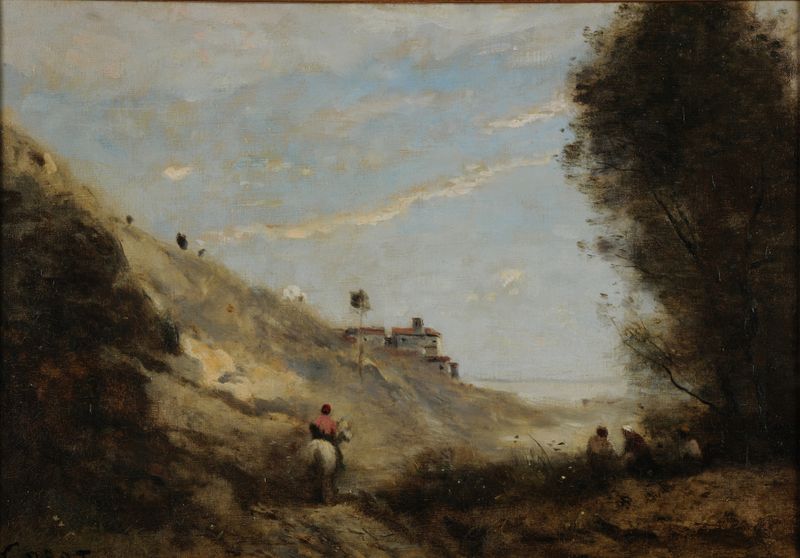
Le vallon au cavalier
Jean-Baptiste-Camille Corot





