
Bouwvallige boerderij — History & Facts
Can beauty exist without sorrow? In Bouwvallige boerderij, a dilapidated farmhouse stands as a poignant testament to memories long faded, urging us to reflect on the stories it once harbored. Look to the left, where the crumbling walls and sagging roof angle dramatically against the expanse of a muted sky. The artist masterfully employs a palette of earthy tones, conveying a sense of decay yet inviting admiration for the delicate remnants of craftsmanship. Notice how light filters through the cracks, casting gentle shadows that dance across the ground, hinting at the life that once thrived within these walls.
Each brushstroke captures the texture of the wood and stone, revealing both neglect and resilience. Beneath the surface, layers of meaning emerge. The house symbolizes not just physical decay, but the passage of time and the inevitability of loss. Each fragment hints at memories—echoes of laughter, the whispers of past inhabitants—defining a complex relationship between beauty and sorrow.
The surrounding landscape, though tranquil, is marked by the absence of life, intensifying the sense of solitude that envelops this structure. During the years between 1782 and 1837, the artist was deeply engaged in capturing the Dutch countryside, a period marked by a transition between traditional ways of life and the encroaching industrial era. While Barbiers sought to document a vanishing world through his art, the emotional weight of this particular piece reflects his own contemplation of memory and impermanence amid societal change.
More Artworks by Pieter Bartholomeusz. Barbiers
Browse all →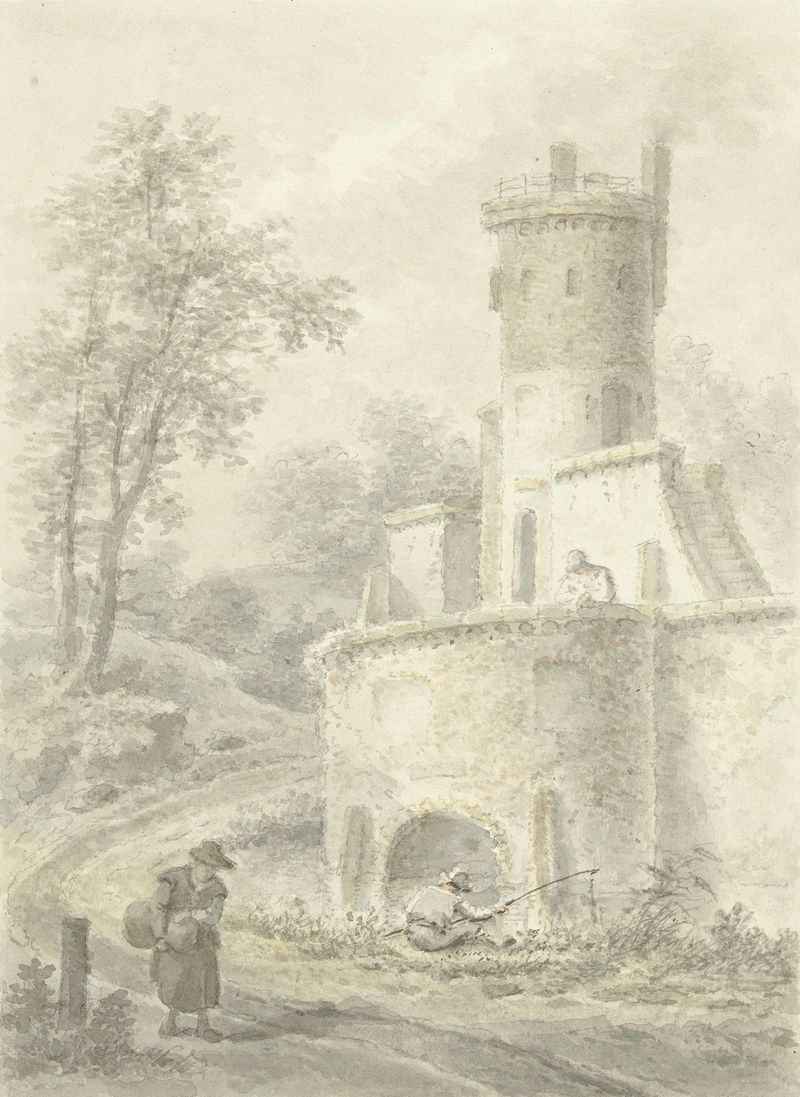
Landschap met hengelaar en wandelende vrouw bij een vestingtoren
Pieter Bartholomeusz. Barbiers
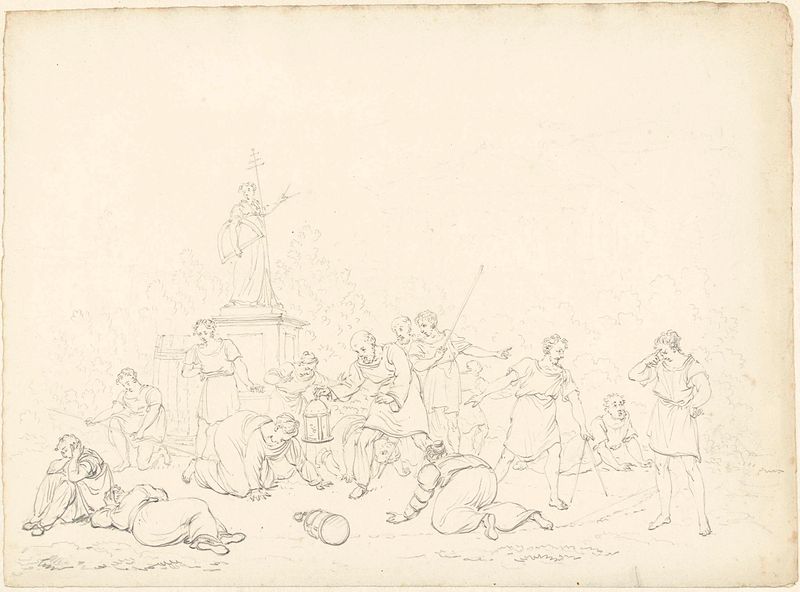
Diogenes met een lantaren een mens zoekend
Pieter Bartholomeusz. Barbiers
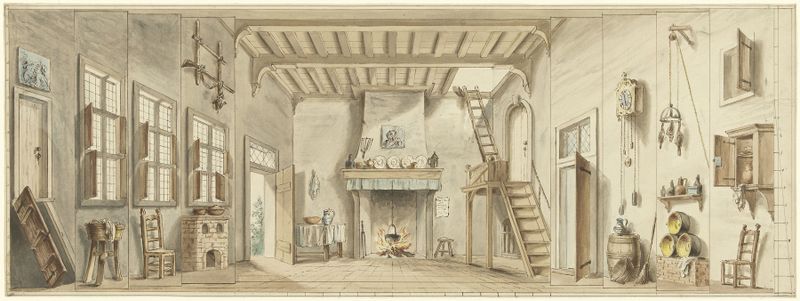
Ontwerp voor een toneeldecor voor de Vlaamse opera Het Kapertje
Pieter Bartholomeusz. Barbiers
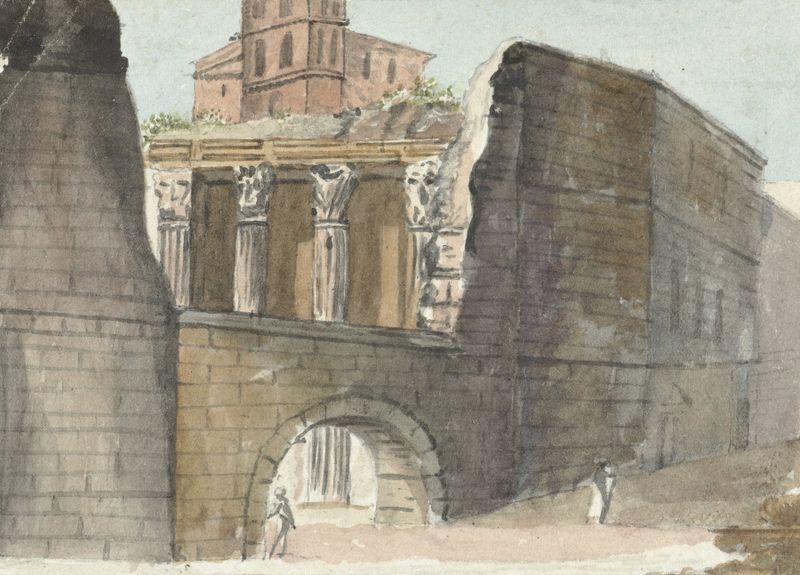
Romeinse ruïnes
Pieter Bartholomeusz. Barbiers
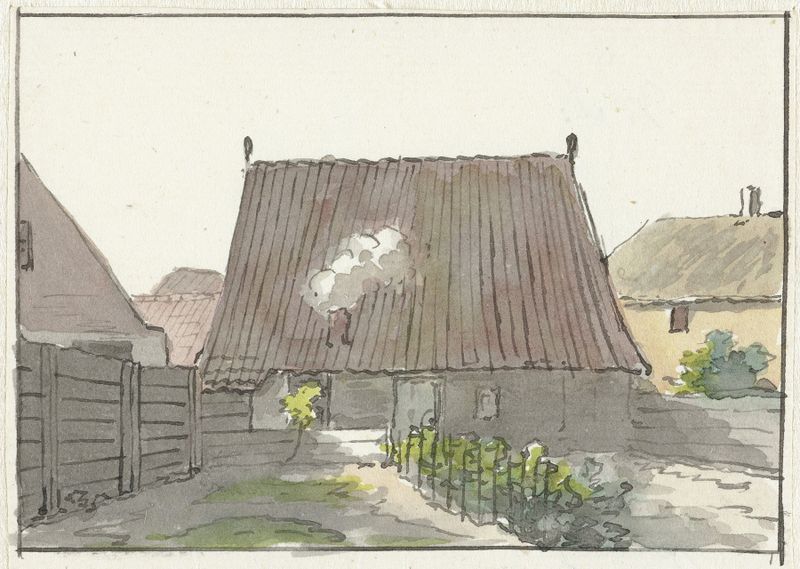
Huis met achtertuin
Pieter Bartholomeusz. Barbiers
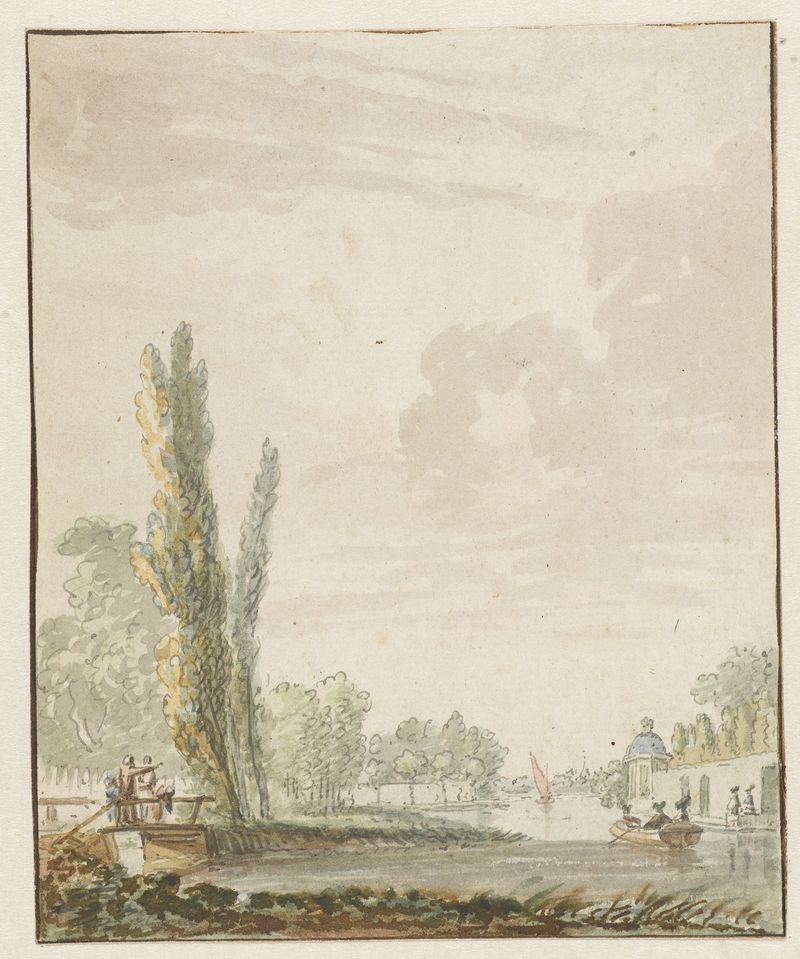
Gezicht langs een rivier met rechts een theekoepelje
Pieter Bartholomeusz. Barbiers
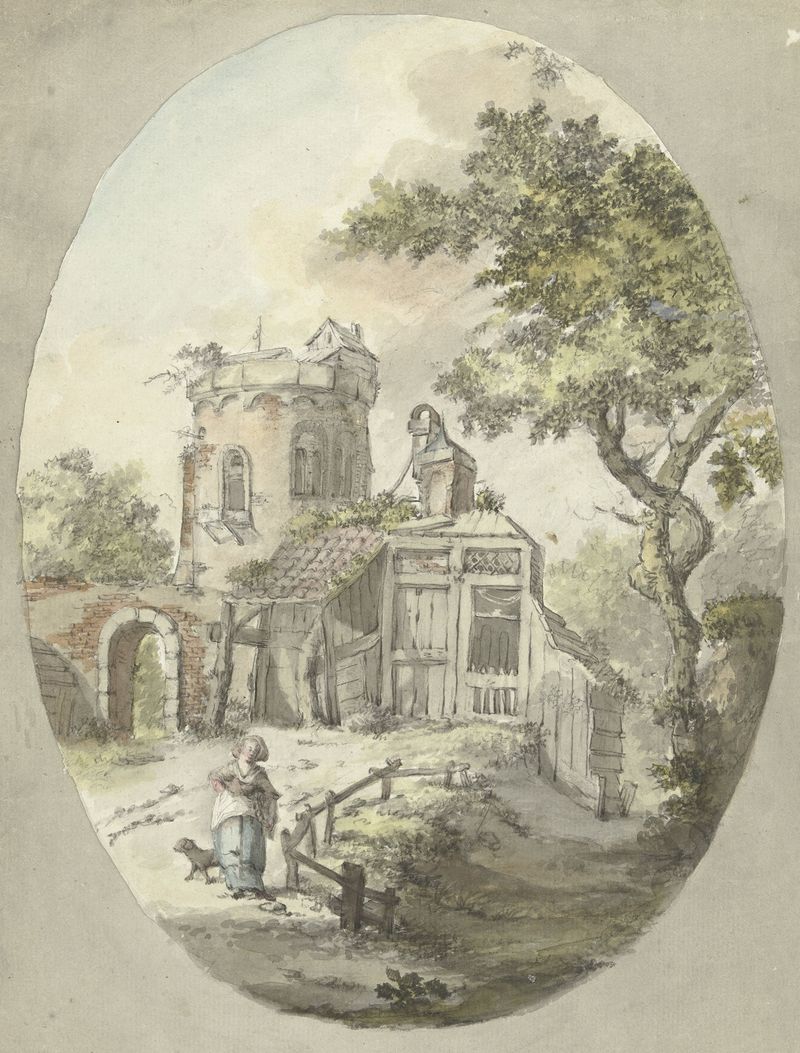
Vrouw met hond voor bouwval aan een toren
Pieter Bartholomeusz. Barbiers
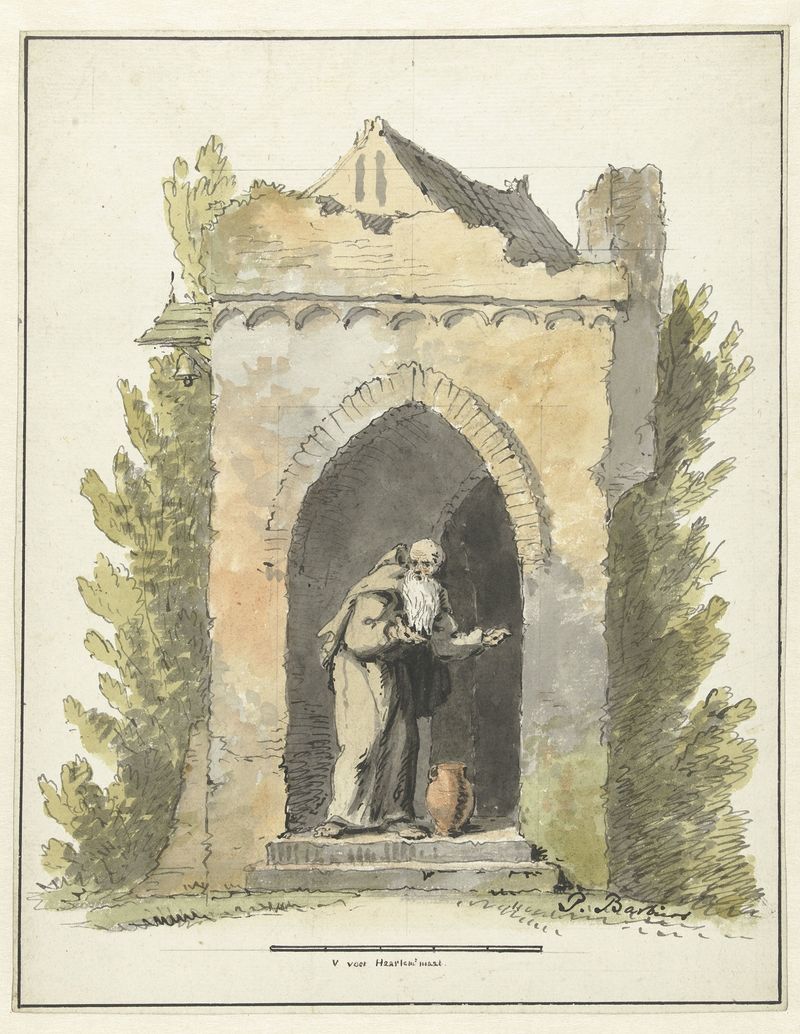
Kluizenaar voor een stenen kapel
Pieter Bartholomeusz. Barbiers
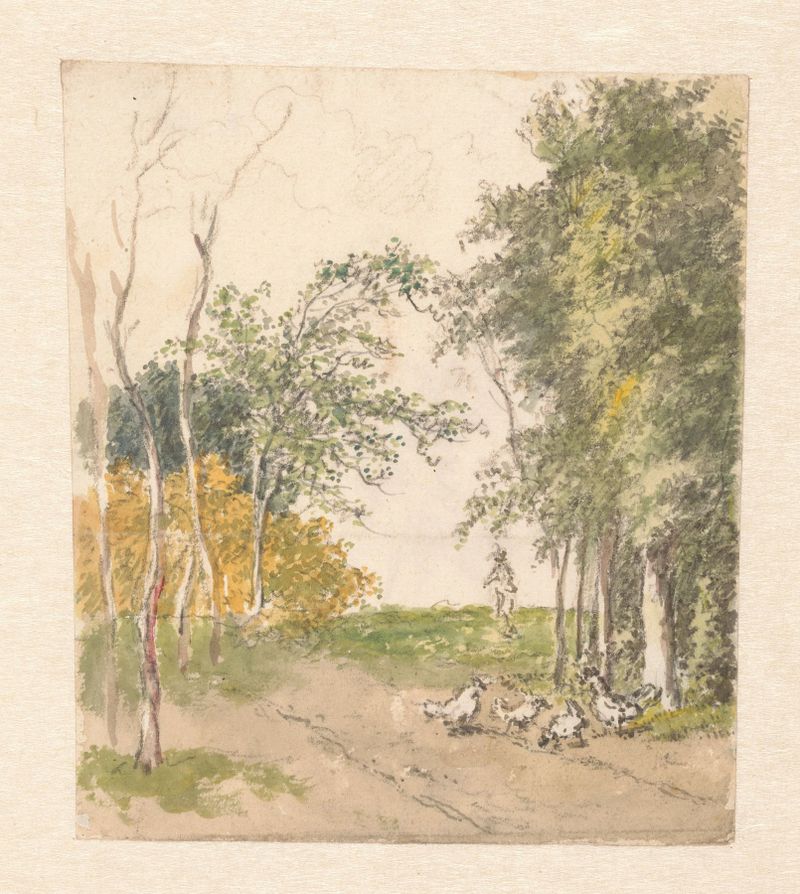
Landschap met kippen langs de weg
Pieter Bartholomeusz. Barbiers
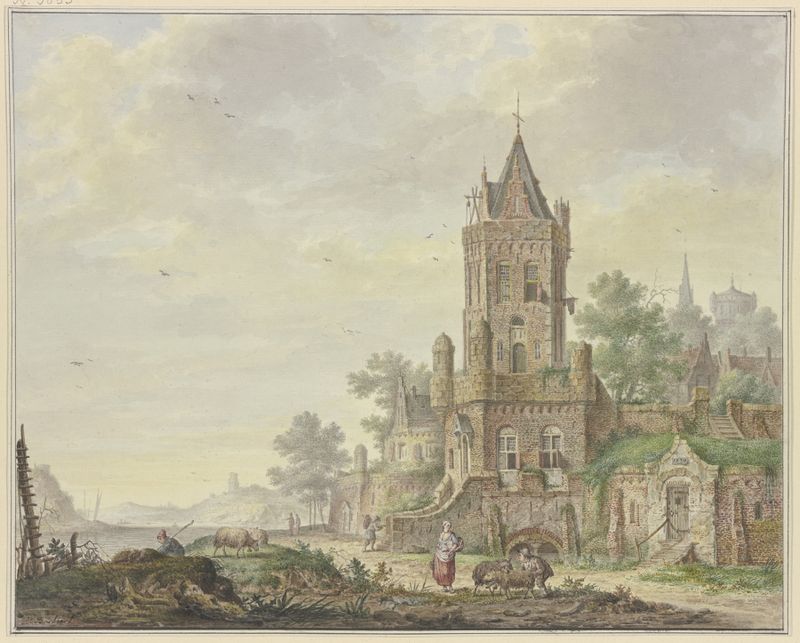
Stadt mit einem alten Turm am Wasser, vorne eine Frau bei einem Knaben mit zwei Schafen
Pieter Bartholomeusz. Barbiers





