Bowl with a green glaze — History & Facts
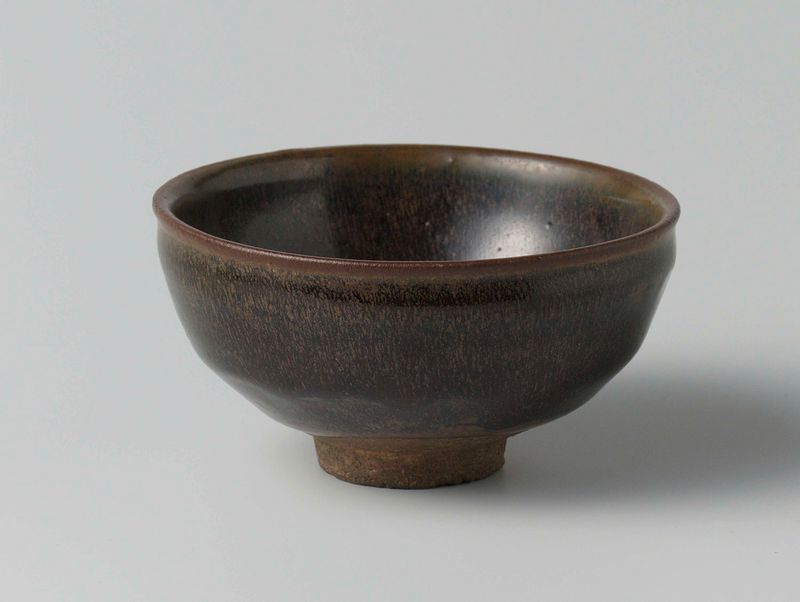
The weight of grief lingers in the air, palpable in the smooth curvature of the vessel before us. There’s an intimacy to this bowl, its green glaze resonating with the echoes of stories untold, moments cherished, and losses mourned. Look closely at the surface; the subtle sheen captures the light, revealing a depth of color that evolves from emerald to a muted jade. The delicate imperfections tell a narrative of its creation—a time when each line was carved with intention, each layer of glaze applied with hope.
Notice how the bowl’s form invites touch, the gentle dip of its sides creating a sense of embrace, a reminder of the human hand that shaped it. Within this seemingly simple object lies a profound exploration of absence and memory. The alluring green, often associated with renewal, contrasts starkly with the sorrow it might carry—an emblem of what has been lost and what could never be. Each mark on the bowl’s surface could symbolize a moment of grief, the silent confessions of its maker, turned into art.
It stands as a testament to resilience, holding both fragility and strength within its walls. Created between 1000 and 1200, this piece reflects a time steeped in cultural transition, possibly during a period of uncertainty and change. The artist, though unknown, was part of a community that valued craftsmanship and the significance of everyday objects. In an era filled with spiritual pursuits and a burgeoning appreciation for aesthetics, this bowl encapsulates both the personal and collective experiences of its time, serving as a poignant reminder of life's transient nature.
More Artworks by Unknown Artist
Browse all →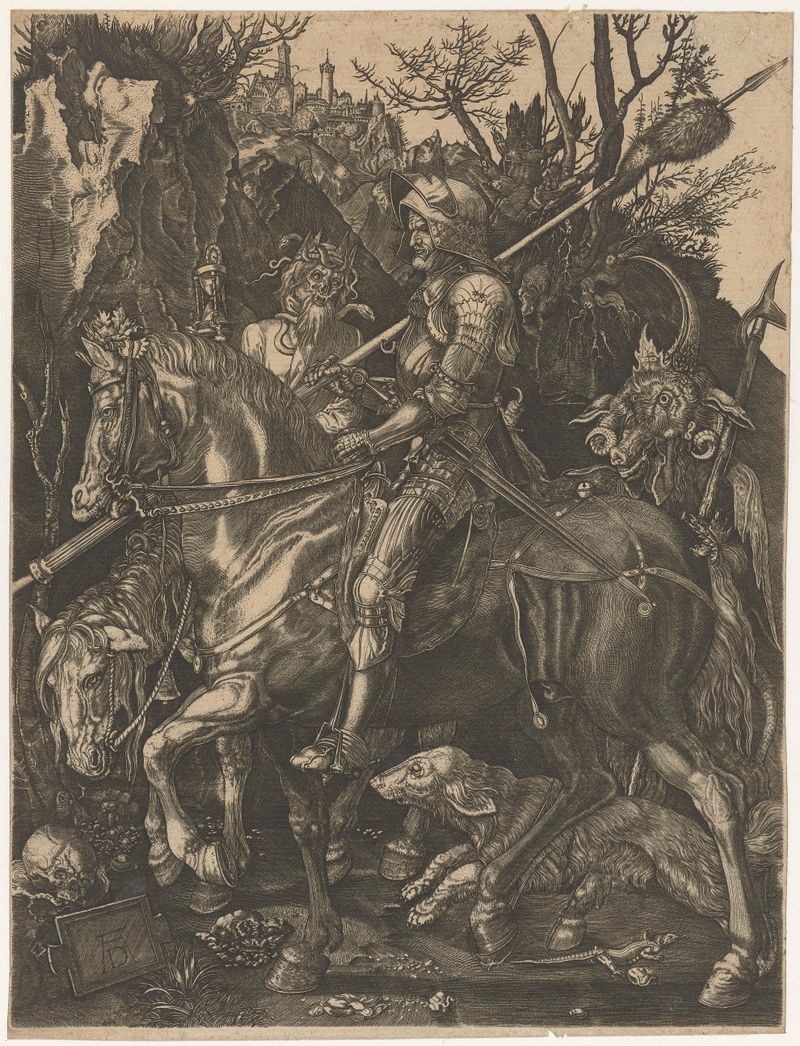
Ridder, Dood en Duivel
Unknown Artist
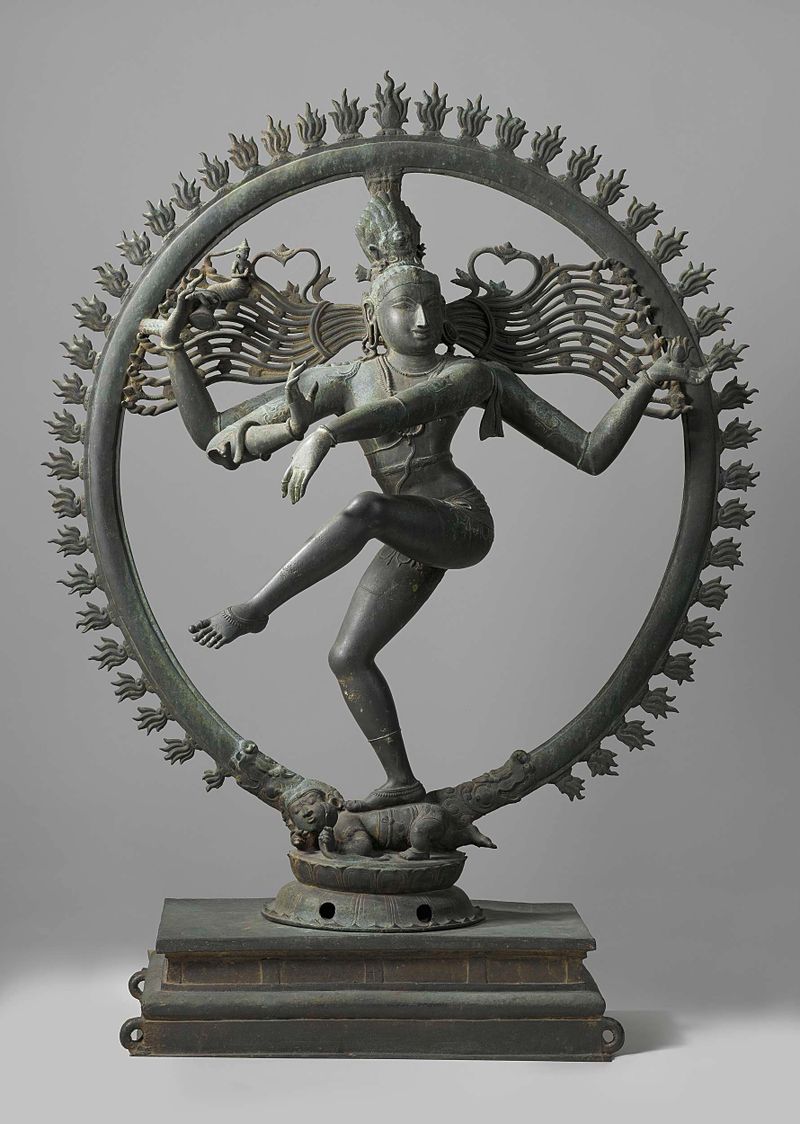
Shiva Nataraja
Unknown Artist

Portrait of Elizabeth I, Queen of England
Unknown Artist
Dolls’ house of Petronella Oortman
Unknown Artist
Shiva Nataraja
Unknown Artist

The Tale of Genji
Unknown Artist

The Tale of Genji
Unknown Artist
Cong
Unknown Artist
The bodhisattva Maitreya
Unknown Artist
Teabowl with a 'hare's fur' glaze
Unknown Artist