Bowl with a white glaze — History & Facts
Could beauty survive in a century of chaos? In an age marked by turmoil and upheaval, the delicate charm of a simple bowl can evoke memories that shimmer with nostalgia. Look to the smooth, pristine surface of the bowl, where the milky white glaze catches the light, revealing subtle nuances in texture. Notice how the artist meticulously shaped the rim, a graceful curve that invites touch, while the slight imperfections in the glaze tell a story of human hands at work. The understated elegance of this piece, devoid of excess ornamentation, allows the viewer’s gaze to linger, appreciating the quiet mastery behind its creation. Beneath its serene exterior lies a deeper commentary on fragility and resilience.
The bowl, though seemingly trivial, embodies the enduring spirit of craftsmanship amid a century rife with strife. Its simple form contrasts with the chaos of its time, suggesting a longing for beauty and memory in a world often dominated by conflict and change. Each glance at the bowl can evoke a sense of comfort, a reminder that artistry can blossom even in the darkest moments. Created around 1600 to 1699, this exquisite piece is shrouded in anonymity, yet it reflects the broader trends of the period.
The late Ming to early Qing dynasty saw an evolution of porcelain artistry, characterized by innovative techniques. As artists navigated a rapidly changing cultural landscape, their work spoke to the enduring value of beauty, rooted in the human experience.
More Artworks by Unknown Artist
Browse all →
Ridder, Dood en Duivel
Unknown Artist
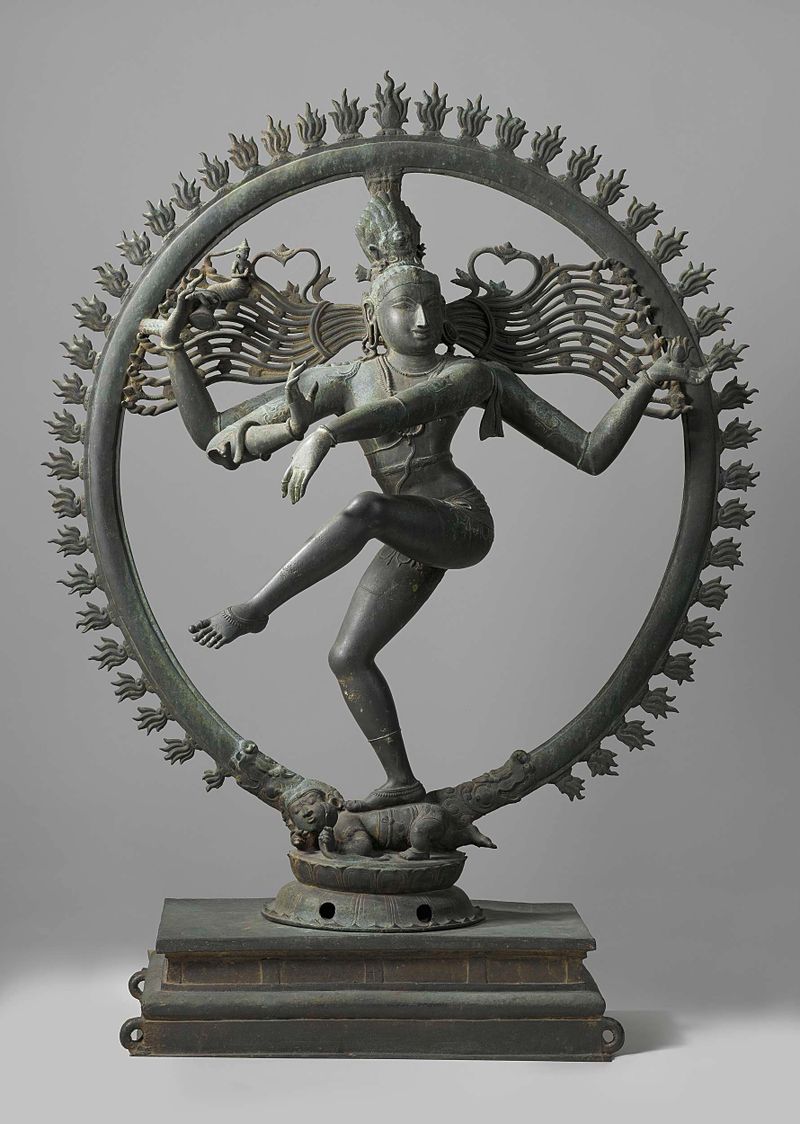
Shiva Nataraja
Unknown Artist

Portrait of Elizabeth I, Queen of England
Unknown Artist
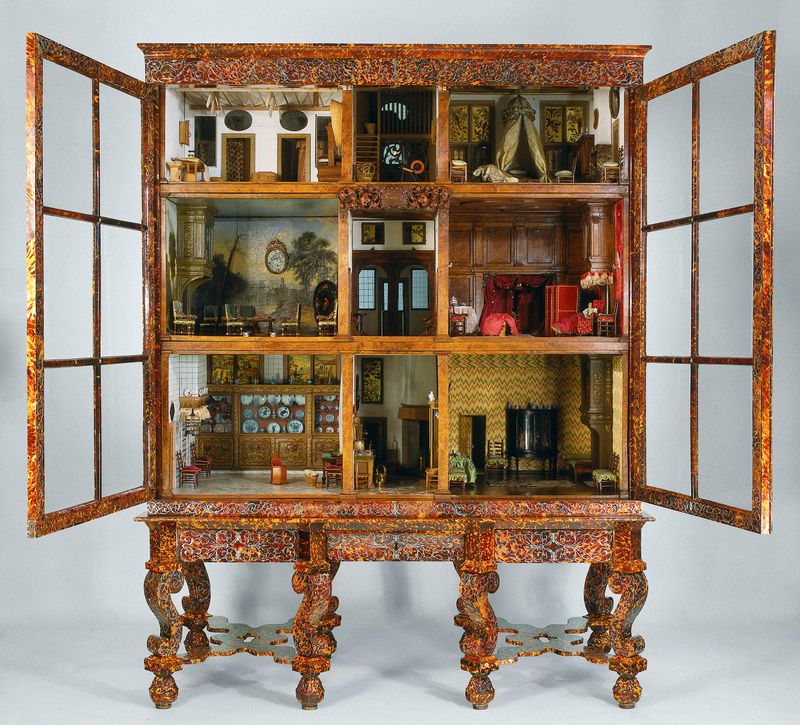
Dolls’ house of Petronella Oortman
Unknown Artist
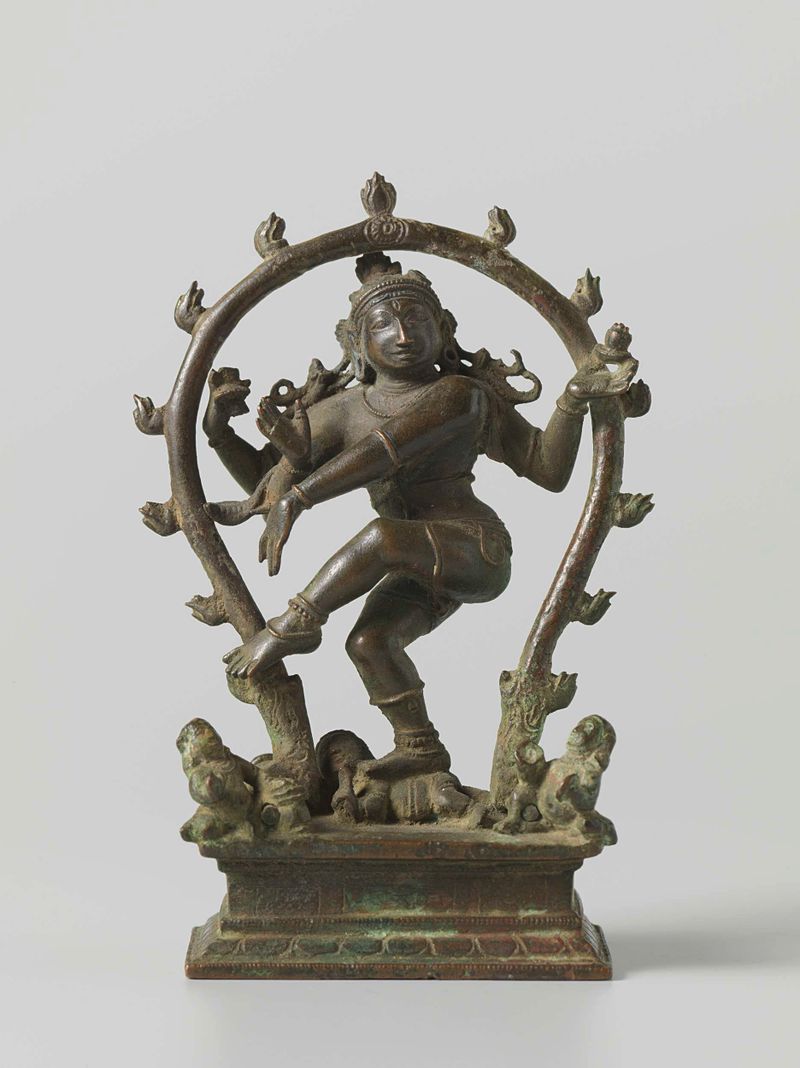
Shiva Nataraja
Unknown Artist

The Tale of Genji
Unknown Artist

The Tale of Genji
Unknown Artist
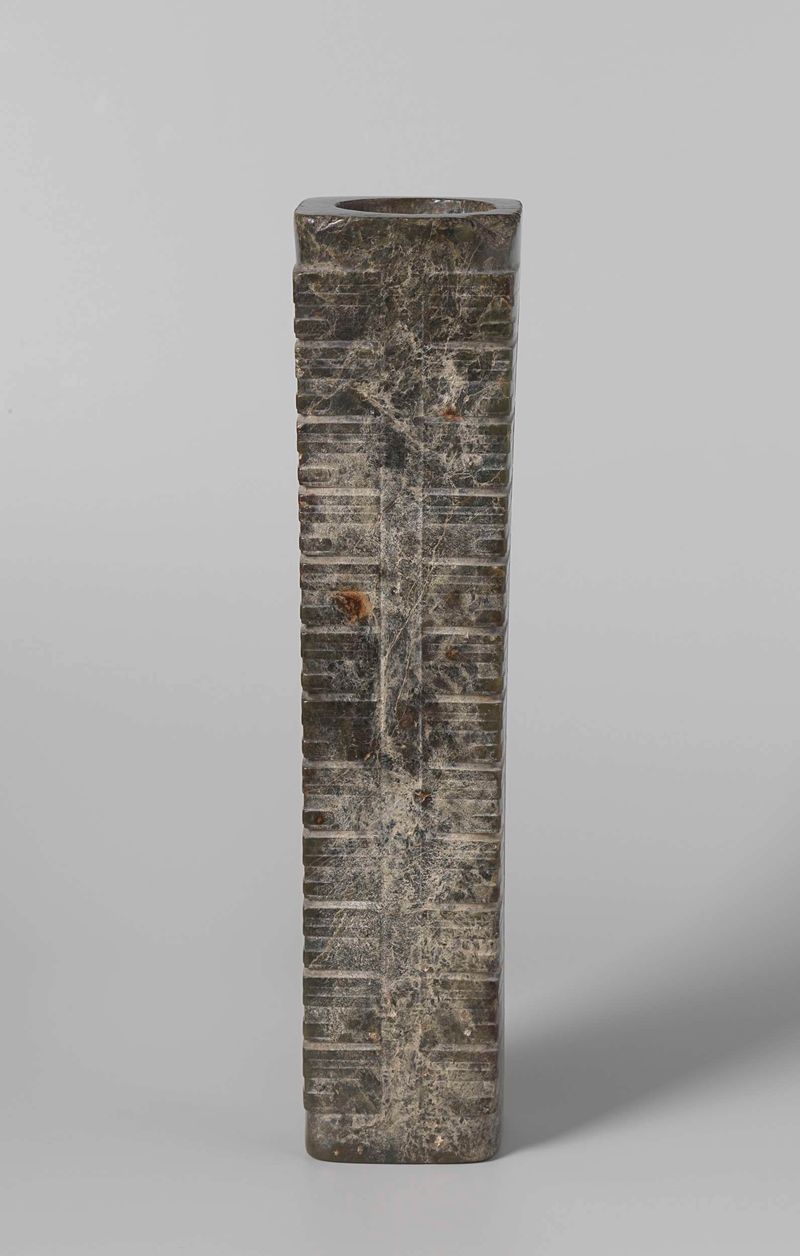
Cong
Unknown Artist
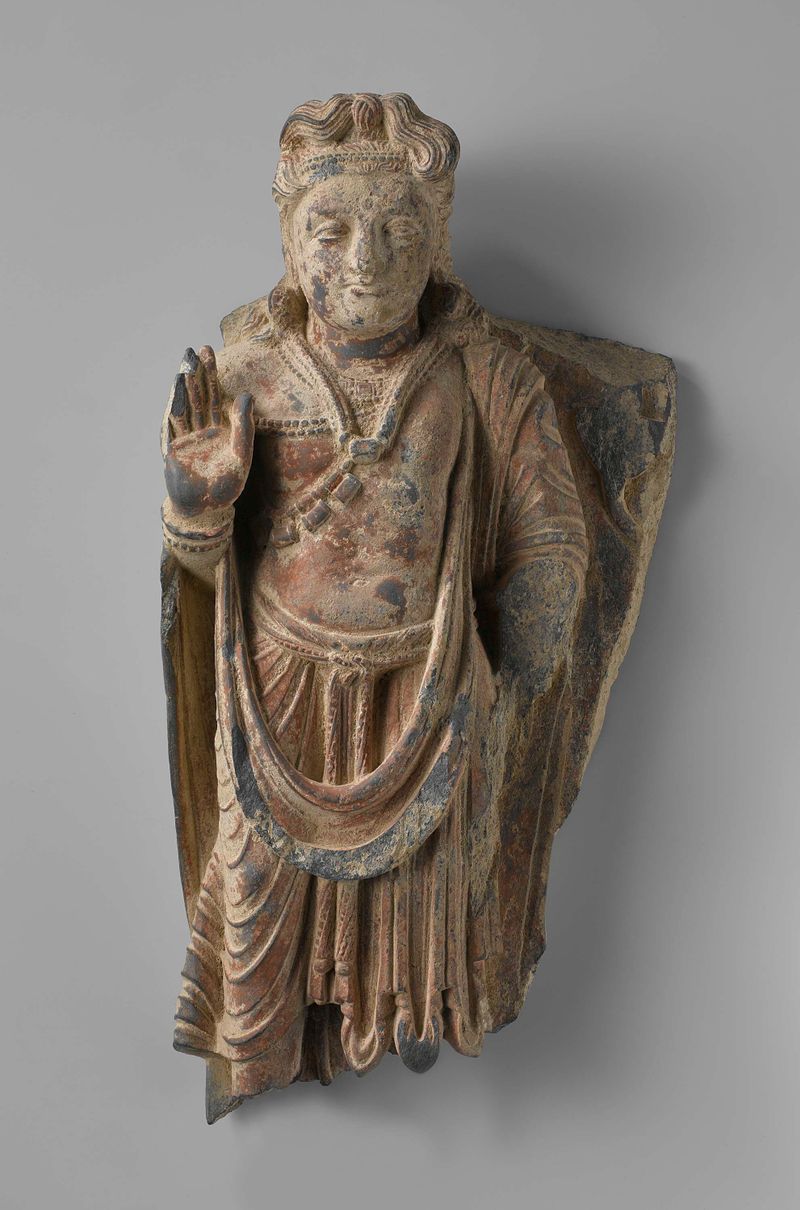
The bodhisattva Maitreya
Unknown Artist
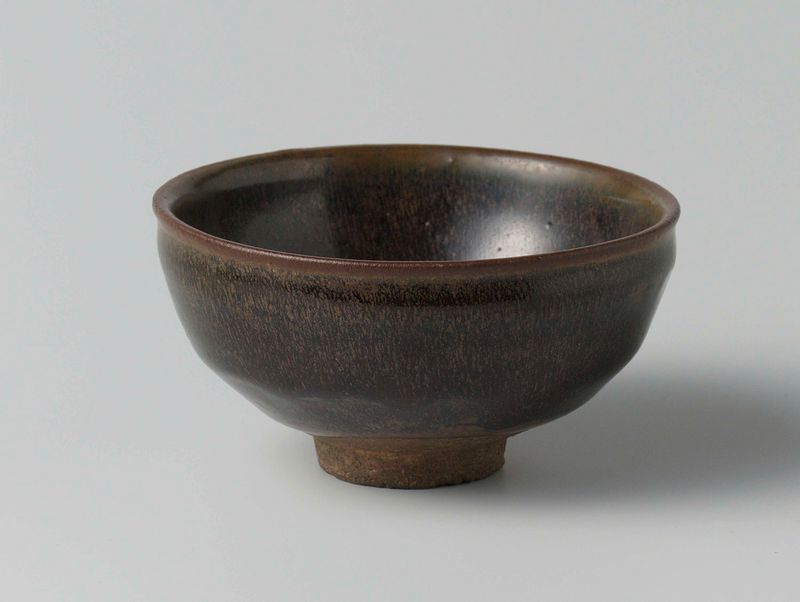
Teabowl with a 'hare's fur' glaze
Unknown Artist