
Bowood Wiltshire: the Seat of the Marquis of Lansdown — History & Facts
Could beauty survive in a century of chaos? This question lingers like a whisper among the grand landscapes that have witnessed both time's passage and humanity's turmoil. In an age marked by upheaval, art captures the delicate balance between despair and hope, reminding us of what endures. Look closely at the verdant expanse of Bowood Wiltshire, where Buckler’s meticulous brushwork brings the estate to life. Start with the lush greens that envelop the scene, guiding your gaze toward the elegant architecture nestled amid the trees.
The soft light dapples through leaves, creating a serene atmosphere that invites contemplation. Notice how the composition draws you in, leading your eye along the winding pathways and inviting you to explore the harmonious relationship between nature and structure. The painting intertwines contrasting elements: the stability of the Marquis's residence against a backdrop infused with the wild beauty of the English countryside. Here, the carefully manicured gardens symbolize human artistry, while the untamed foliage hints at the resilience of nature.
This duality reflects a deeper tension — the struggle to maintain beauty and order amidst the inevitable march of change and chaos. Each detail, from the intricate architecture to the natural elements, tells a story of coexistence and hope. In 1823, Buckler created this work amid a rapidly changing England, where the Industrial Revolution began to alter landscapes and lifestyles. His focus on architectural precision and natural beauty was a response not only to the era's industrial advancements but also to a longing for the pastoral peace that historical estates represented.
Located in Wiltshire, this painting serves as an elegant reminder of art's power to capture and preserve moments of grace, even in tumultuous times.
More Artworks by John Buckler
Browse all →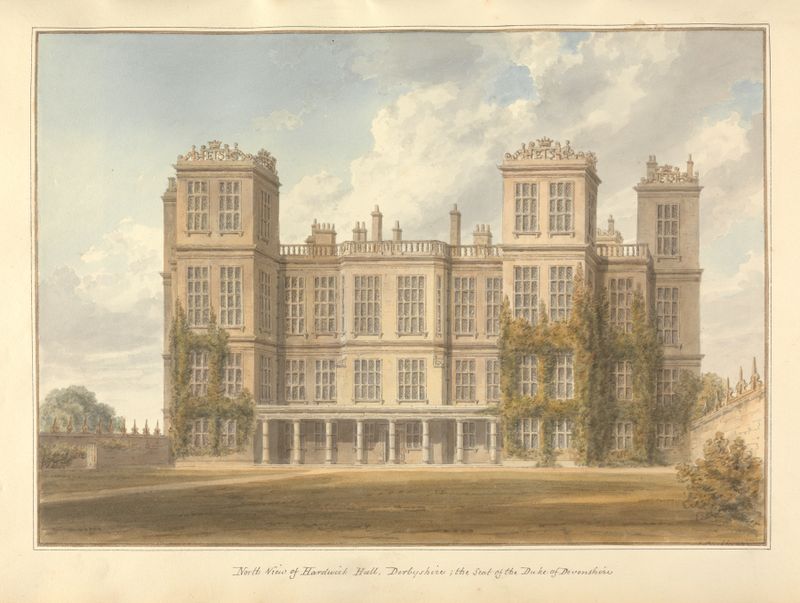
North View of Hardwick Hall, Derbyshire: the Seat of the Duke of Devonshire
John Buckler
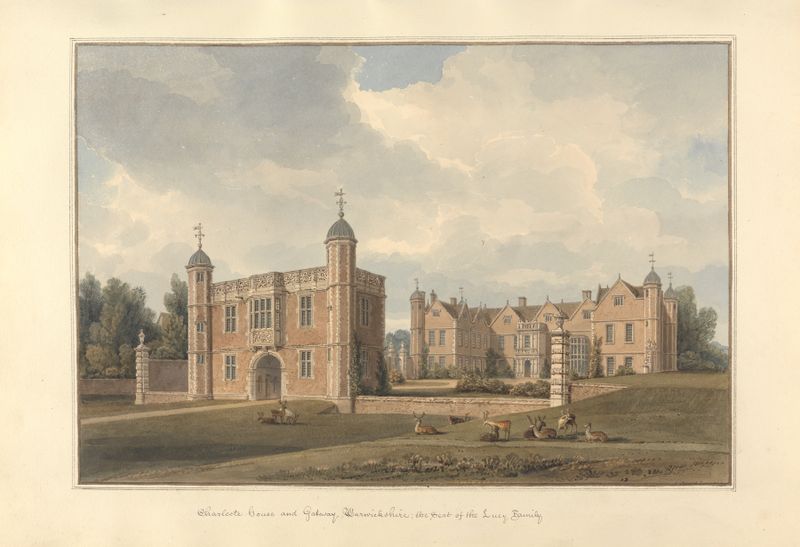
Charlcote house and Gateway, Warwickshire: the Seat of the Lucy Family
John Buckler

North East View of Holland House
John Buckler
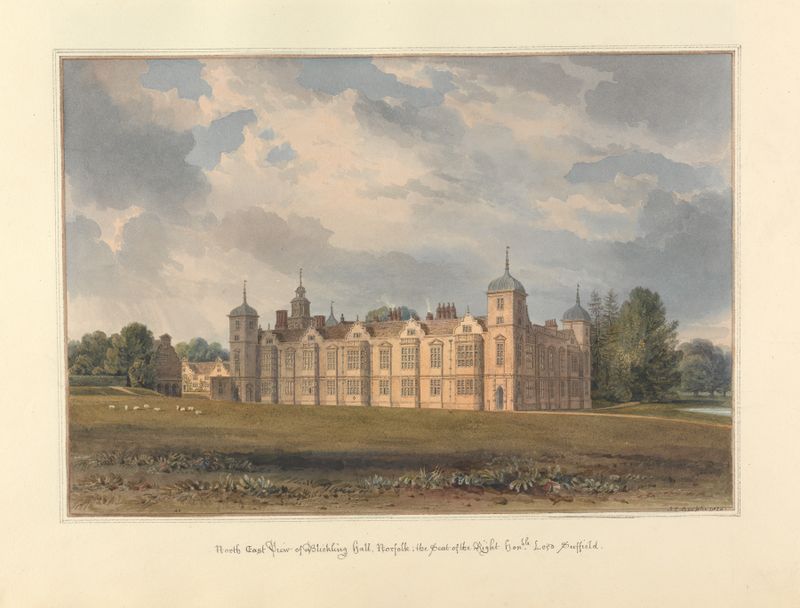
North East View of Blickling Hall, Norfolk: the Seat of the Right Hon’ble Lord Suffield
John Buckler
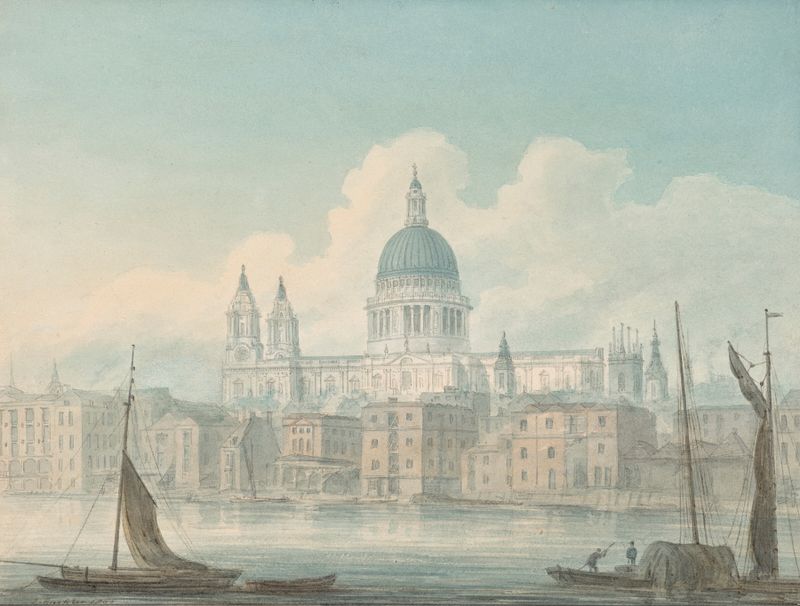
View of St Paul’s Cathedral, from the Southbank of the River Thames, London
John Buckler
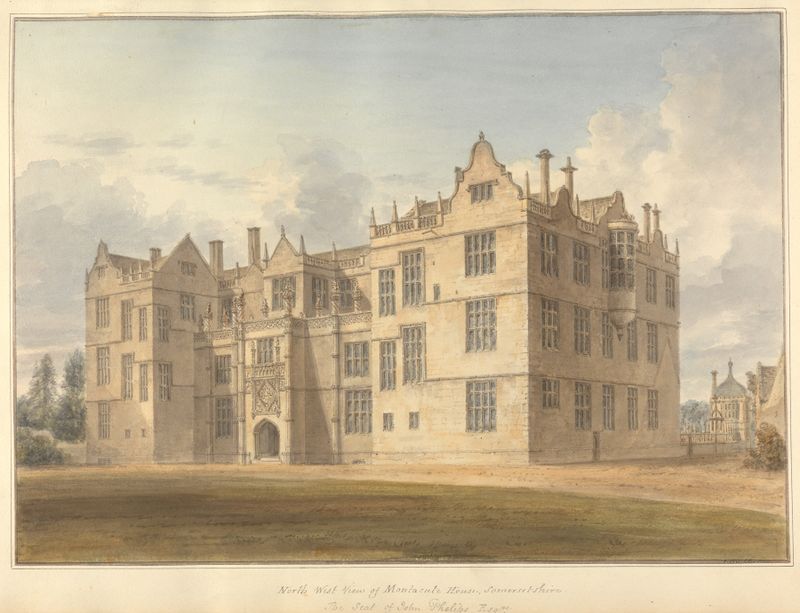
North West View of Montacute House, Somersetshire, The Seat of John Phelips Esqr.
John Buckler
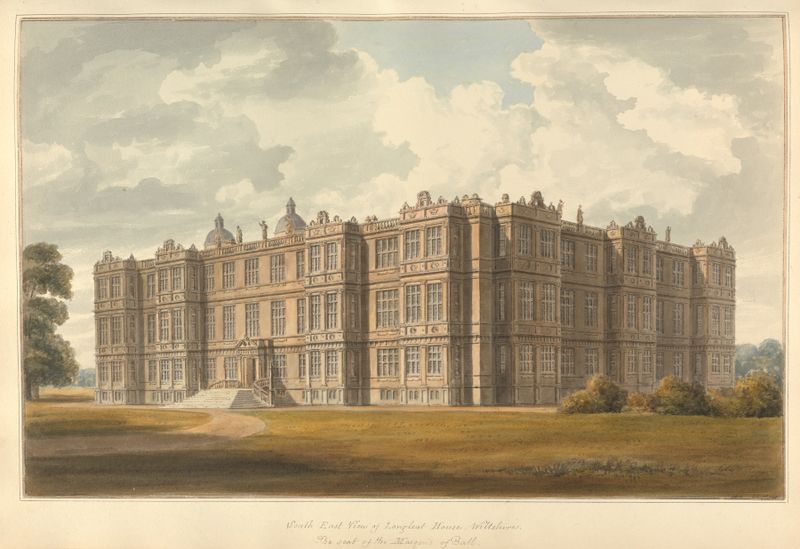
South East View of Longleat House, Wiltshire, the Seat of the Marquis of Bath
John Buckler
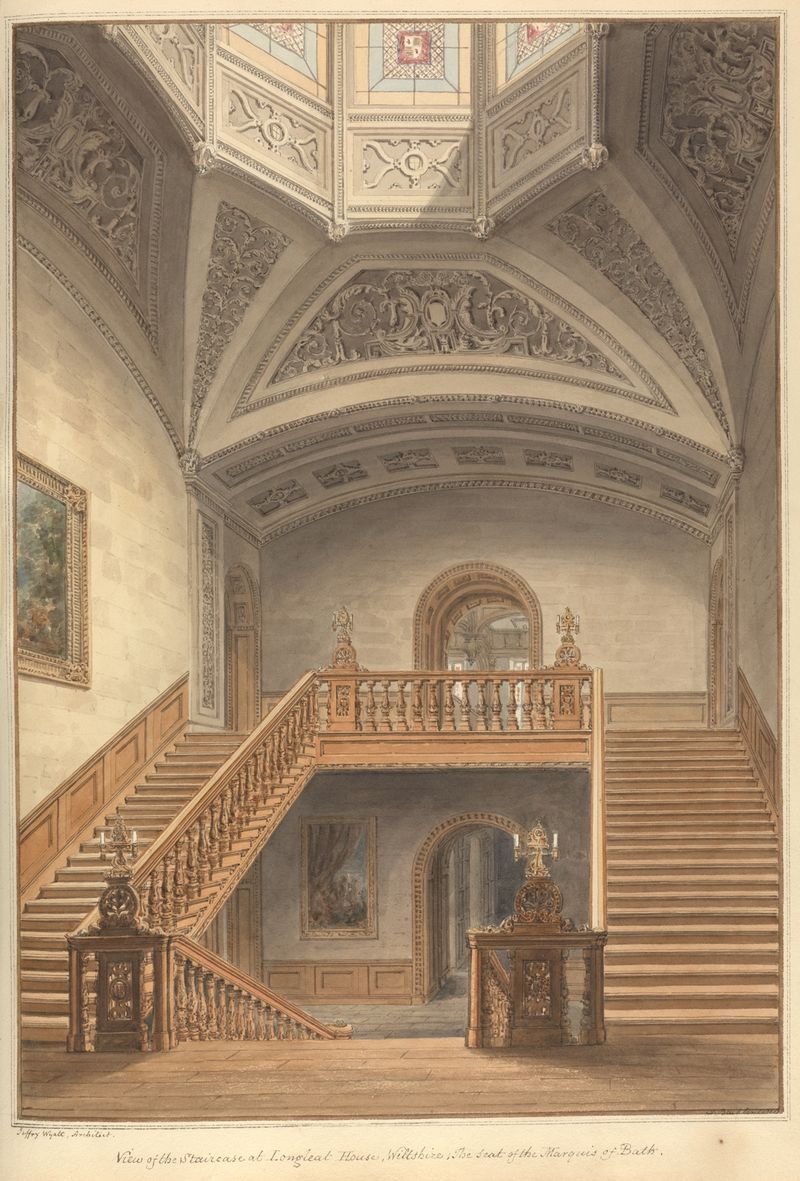
View of the Staircase at Longleat House, Wiltshire: the Seat of the Marquis of Bath
John Buckler
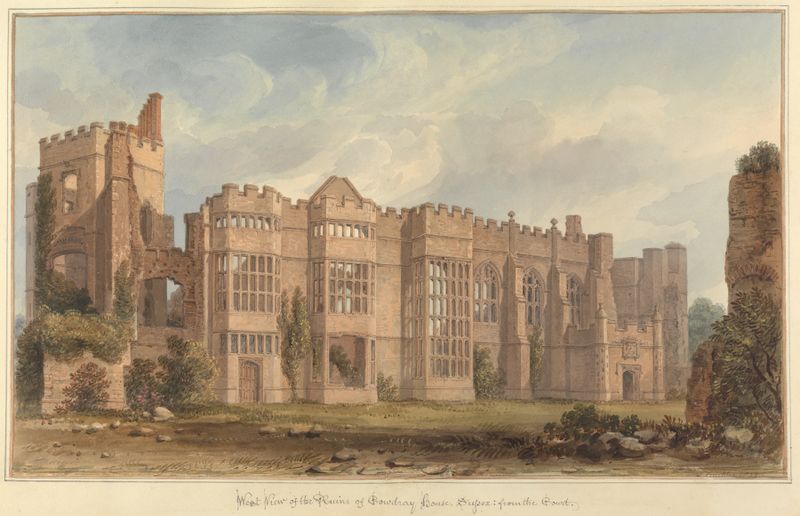
West View of the Ruins of Cowdray House, Sussex: from the Court
John Buckler
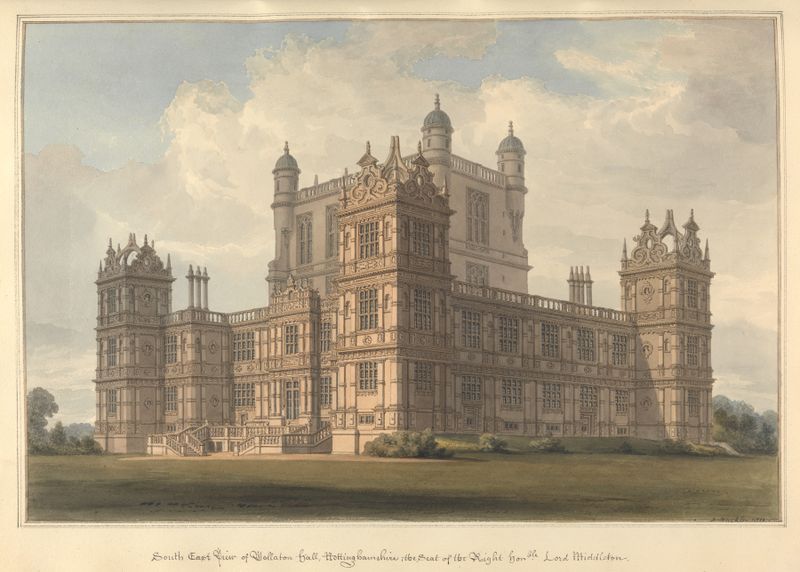
South East view of Wollaton hall, Nottinghamshire, the Seat of the Right honble. Lord Middleton
John Buckler





