
Boy at the Spring — History & Facts
A boy lies flat against the earth, his body stretched and contorted in a desperate reach for water, his lips pressed to a shallow spring. The scene is stripped of distraction: the horizon is low, the sky a blank, unyielding blue, and the land around him is parched, rendered in thick, dry strokes of ochre and brown. The viewer is drawn to the boy’s vulnerability—not just his thirst, but the way his figure seems almost to dissolve into the landscape, as if he belongs to the soil itself.
The brushwork is rough and urgent, echoing the boy’s need, and the stark palette leaves no room for sentimentality. This is not a pastoral idyll, but a moment of survival. Painted in 1923 by Albin Egger Lienz, this work belongs to a world still reeling from the devastation of the First World War, when images of rural hardship and endurance became a kind of visual testimony. Artists of this era, particularly in Central Europe, often turned their attention to the lives of peasants and laborers, seeking dignity in their struggle and resilience.
Little is recorded about the journey of this specific painting, which entered its current collection only recently, as documented by its 2012 source date. Yet the image speaks for itself, urging the viewer to linger on the quiet drama of a single, elemental need—reminding us how art can turn even the most ordinary thirst into something unforgettable.
More Artworks by Albin Egger Lienz
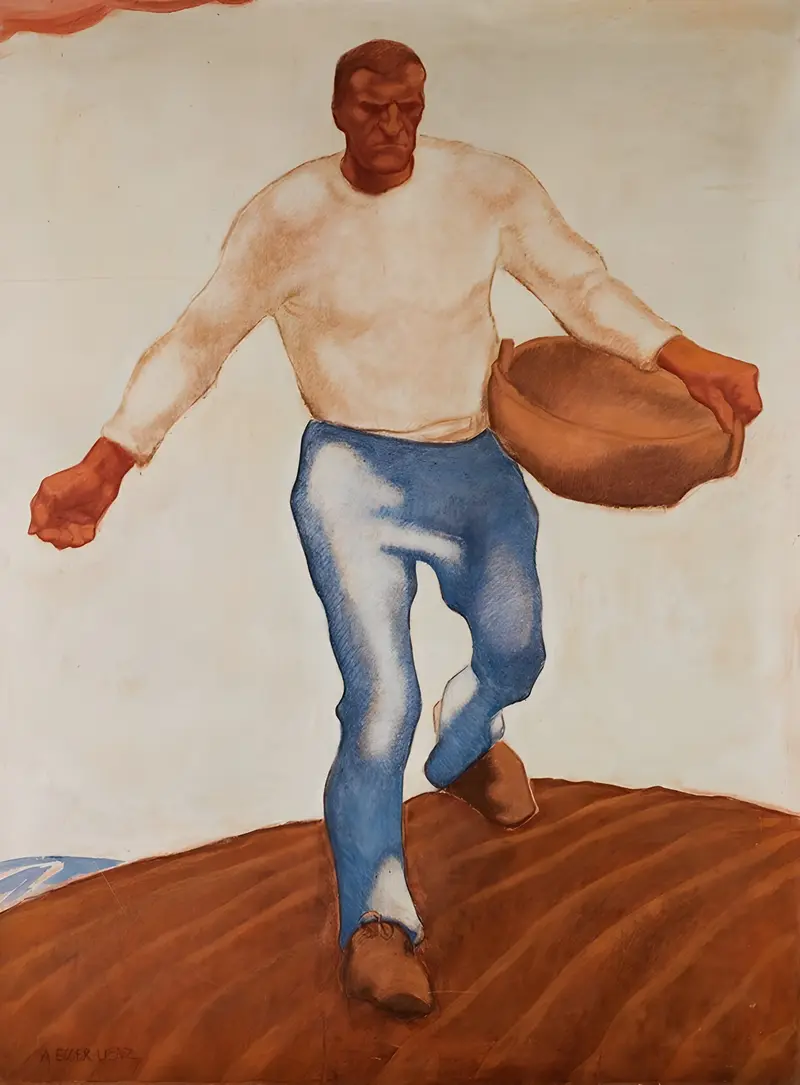
Der Sämann (The Sower)
Albin Egger Lienz
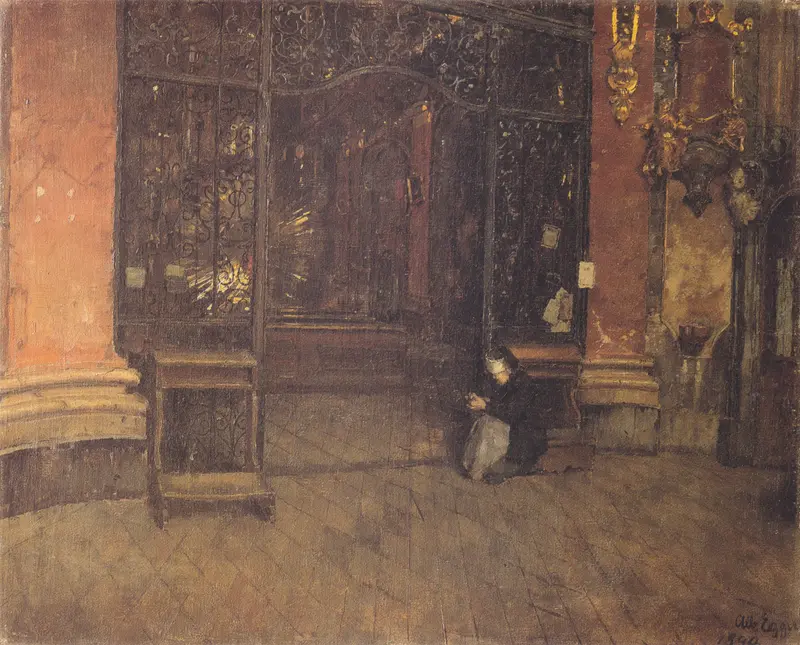
Inneres Der Johanneskirche In München
Albin Egger Lienz
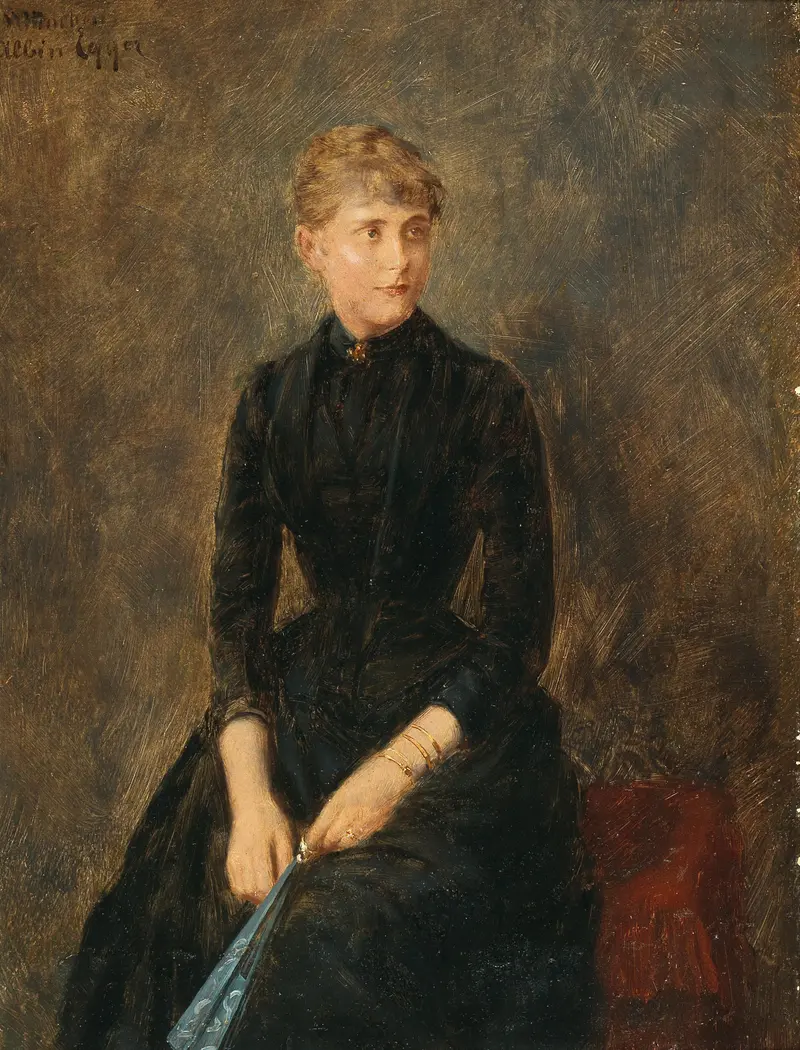
Portrait of the singer Hedwig Helbig
Albin Egger Lienz
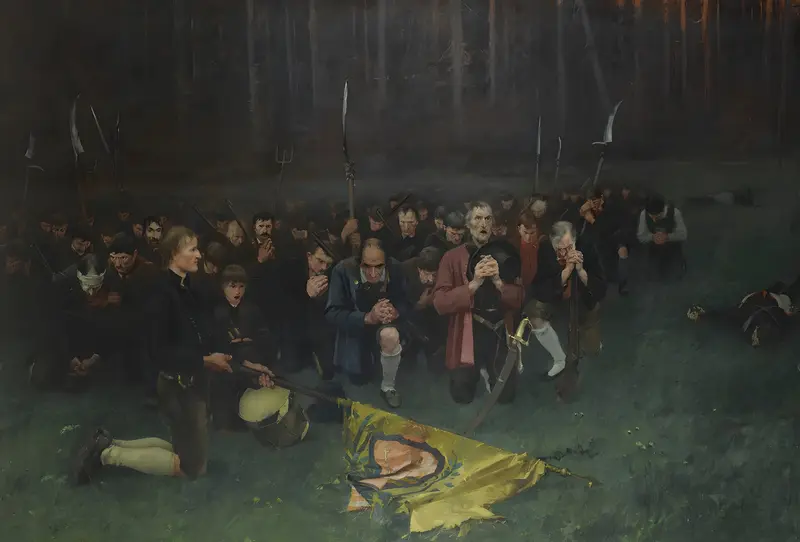
Prayer after the battle of Bergisel
Albin Egger Lienz
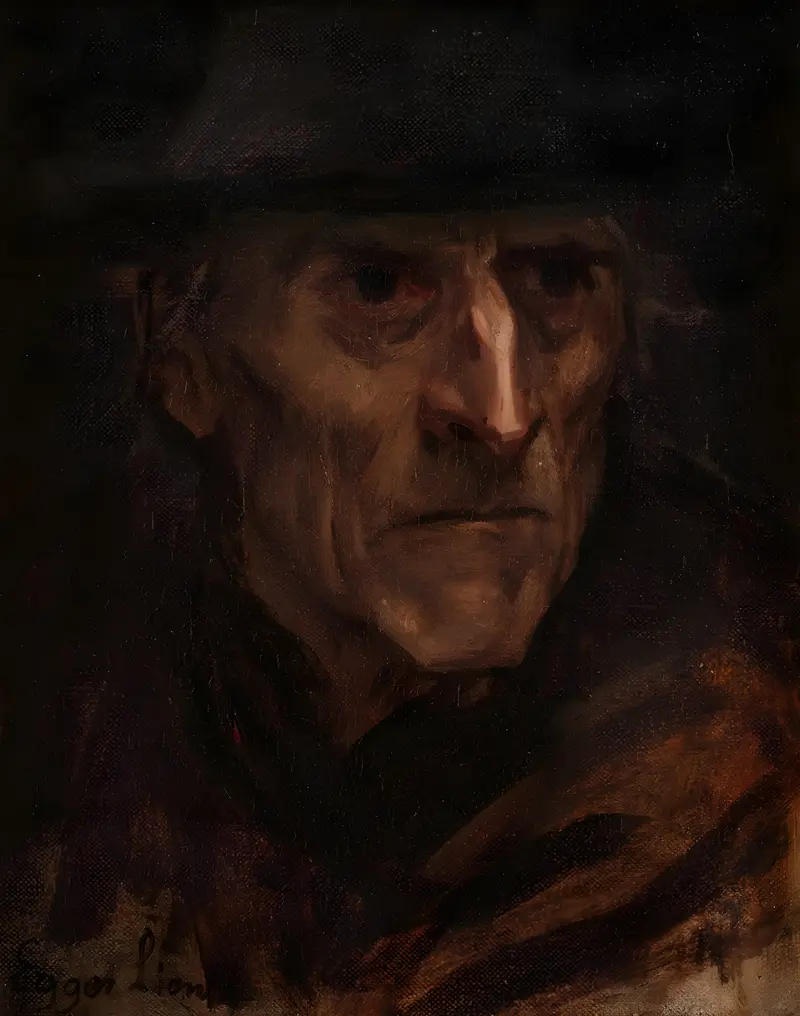
Study for the ‘Sensenmann’ in the ‘Das Kreuz’
Albin Egger Lienz
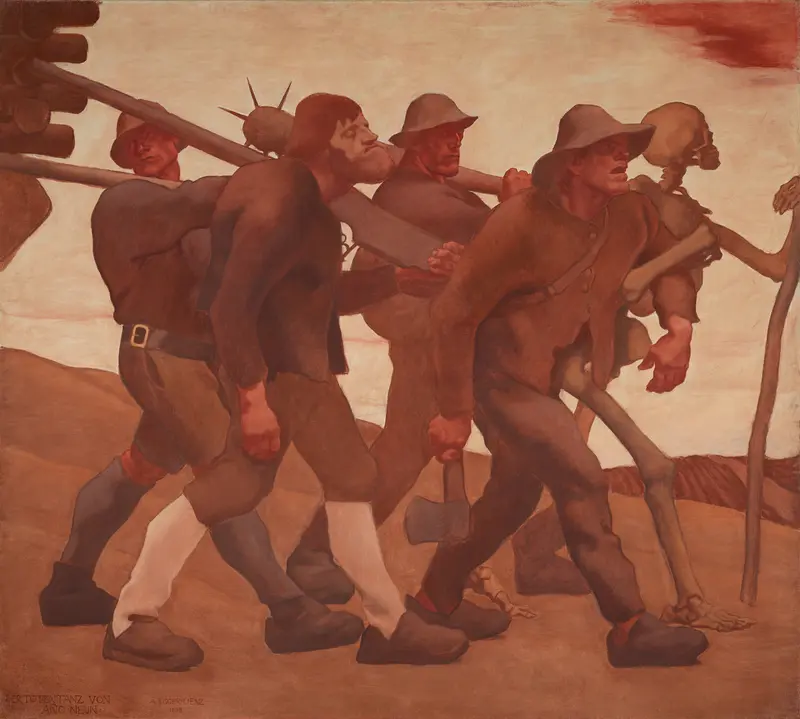
Der Totentanz Von Anno Neun
Albin Egger Lienz
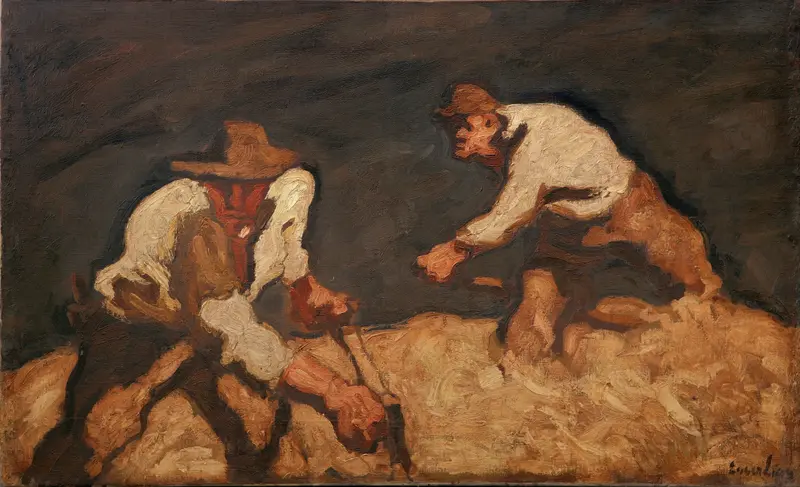
Reapers in a GatheringStorm
Albin Egger Lienz
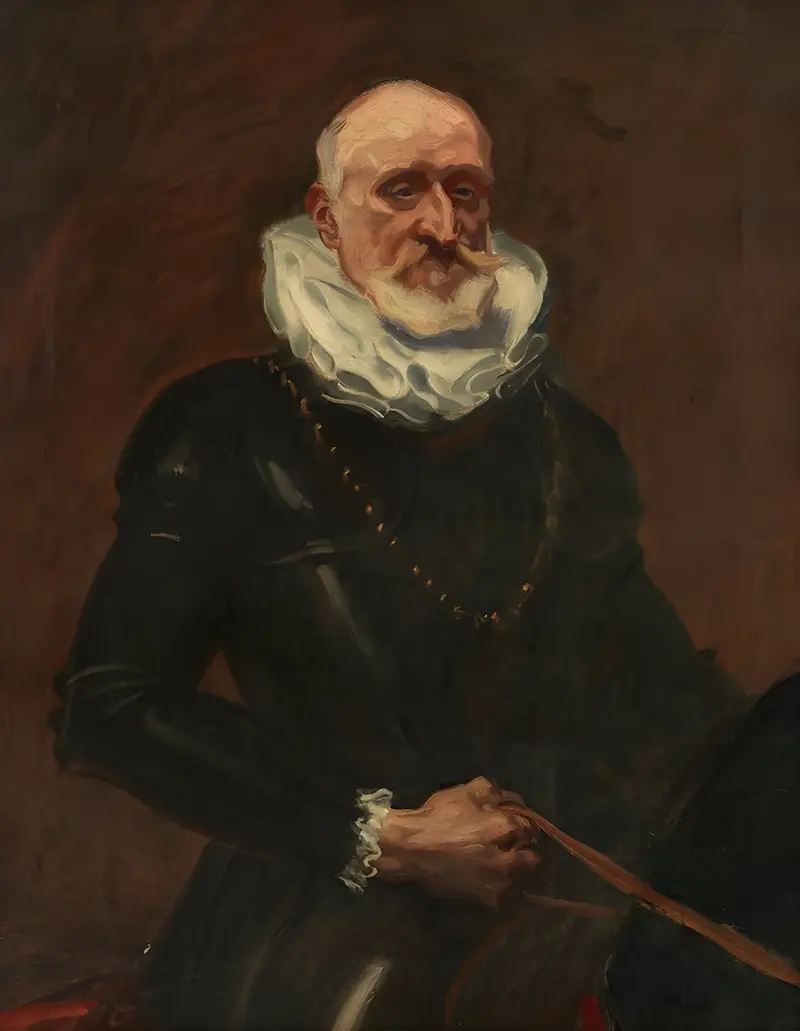
Carl Costenoble (Bildhauer und Stadtrat von Wien)
Albin Egger Lienz
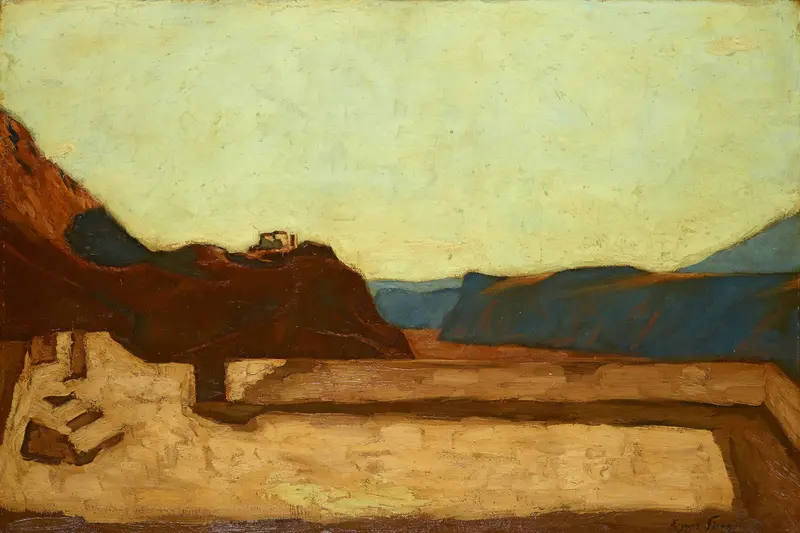
Am Kalvarienberg In Bozen
Albin Egger Lienz
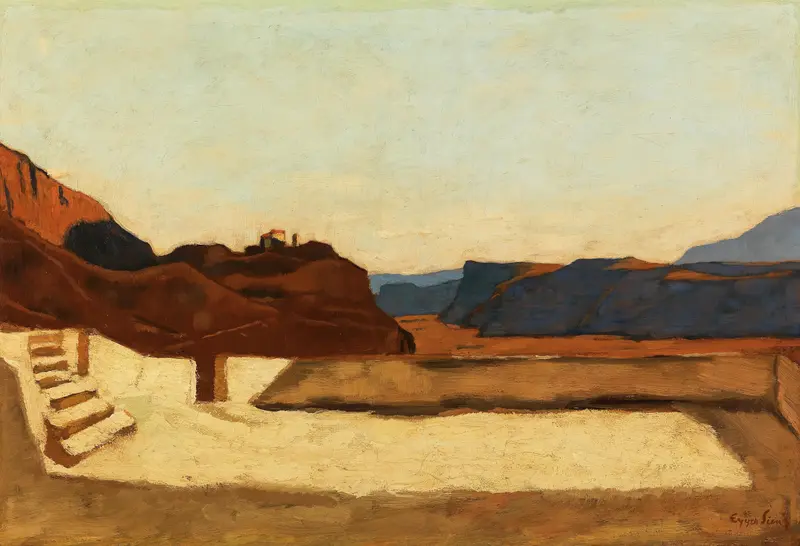
Kalvarienberg bei Bozen
Albin Egger Lienz
More Landscape Art

The Starry Night
Vincent van Gogh

View of Delft
Johannes Vermeer

Water Lilies
Claude Monet

The Grand Canal, Venice, looking north-west from the Ca' Corner to the Ca' Contarini degli Scrigni, with the campanile of Santa Maria della Carità
Canaletto

Windsor Castle
Canaletto

The Grand Canal looking North-East from the Palazzo Dolfin-Manin to the Rialto Bridge
Canaletto