
Bradbury’s Mill Pond, No. 2 — History & Facts
In the gentle embrace of time, a stillness lingers, inviting contemplation. Look to the left where the expansive mill pond reflects a mosaic of autumn hues, the vibrant oranges and yellows draping across the surface like a delicate shawl. The artist’s brushstrokes create a rhythmic quality, leading the eye toward the distant trees, their silhouettes softened by the caress of fading light. Notice how the fading sun casts a warm glow, illuminating the water’s edge and forming a striking contrast against the cool blues of the surrounding landscape. As you explore the details, subtle narratives unfold—the rippling water hints at movement while the stillness of the scene evokes a profound sense of solitude.
The juxtaposition of vibrant colors against the quiet surface of the pond suggests the passage of time; each reflected leaf and fluttering shadow speaks to moments both seized and fleeting. The careful arrangement invites the viewer to ponder what lies beneath the tranquility, a deeper current of emotions swirling in the calm. Painted in 1903, this work emerged during a significant period for the artist, who was exploring American Impressionism and its relationship with nature. Ward Ranger, who resided in a rapidly modernizing world, sought to capture the essence of rural landscapes with an emphasis on atmosphere and light.
His dedication to plein air painting reflects both personal and cultural shifts, as artists began to embrace the beauty of the natural world amid the encroaching industrial age.
More Artworks by Henry Ward Ranger
Browse all →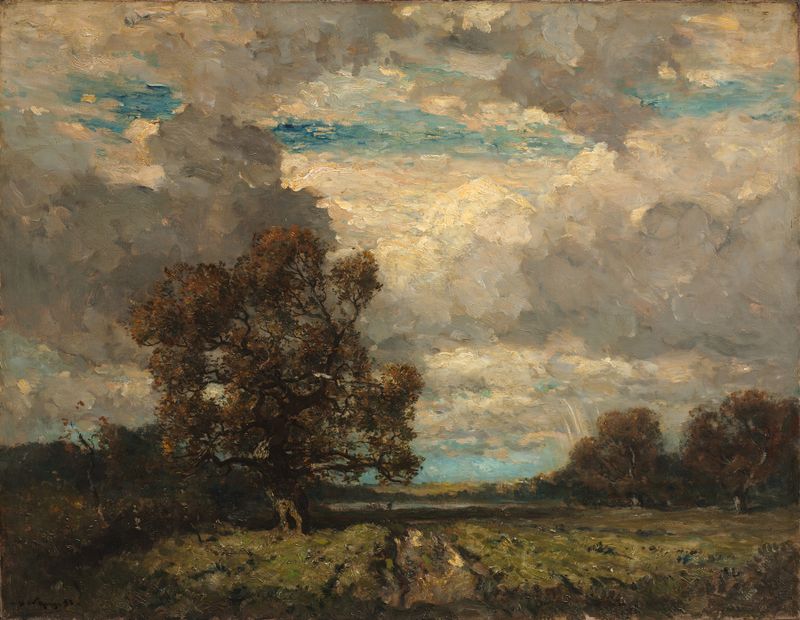
The Lone Sentinel
Henry Ward Ranger
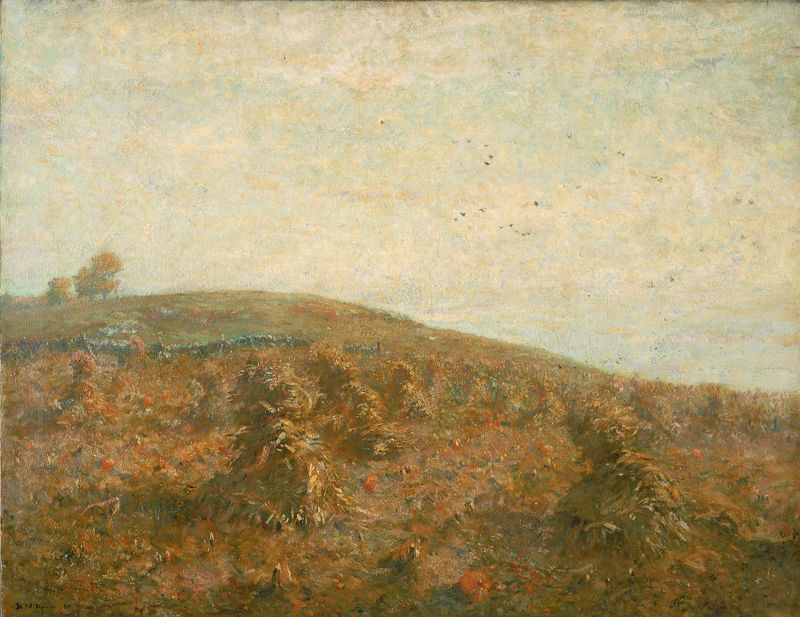
The Cornfield
Henry Ward Ranger

Brooklyn Bridge
Henry Ward Ranger
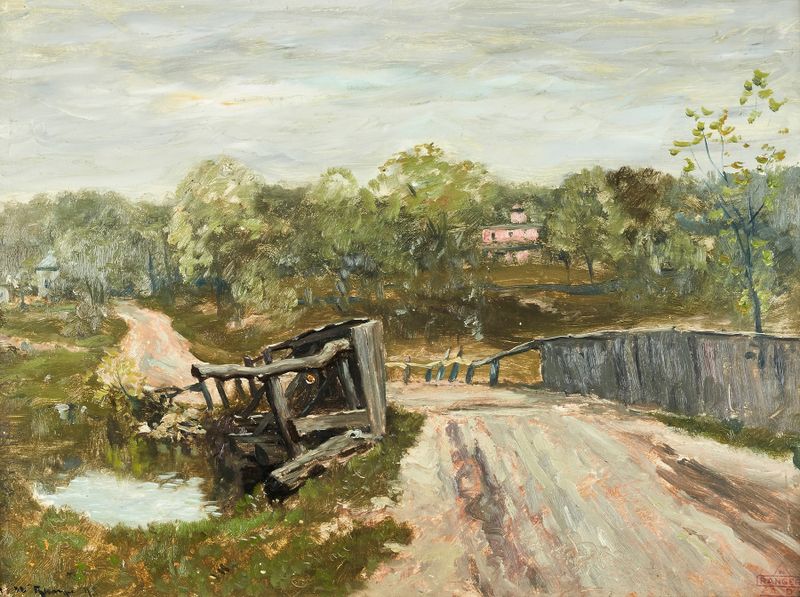
The Stone Fence
Henry Ward Ranger
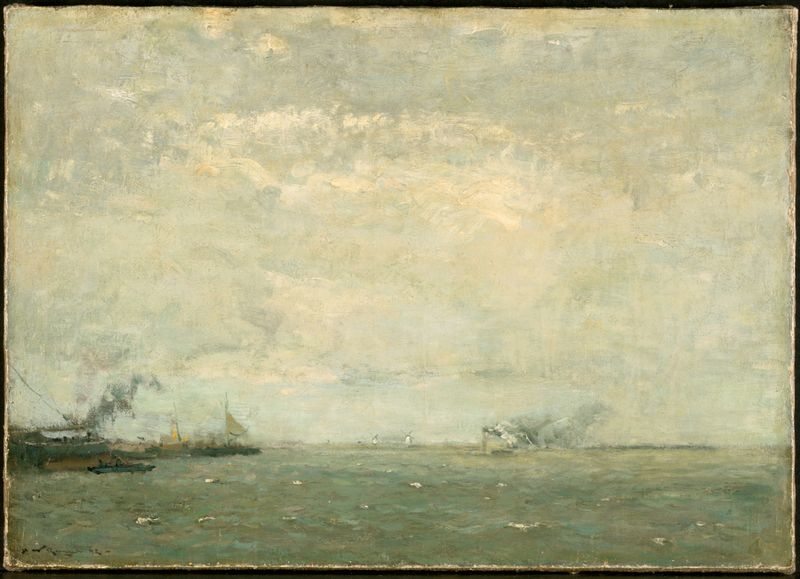
Seascape
Henry Ward Ranger
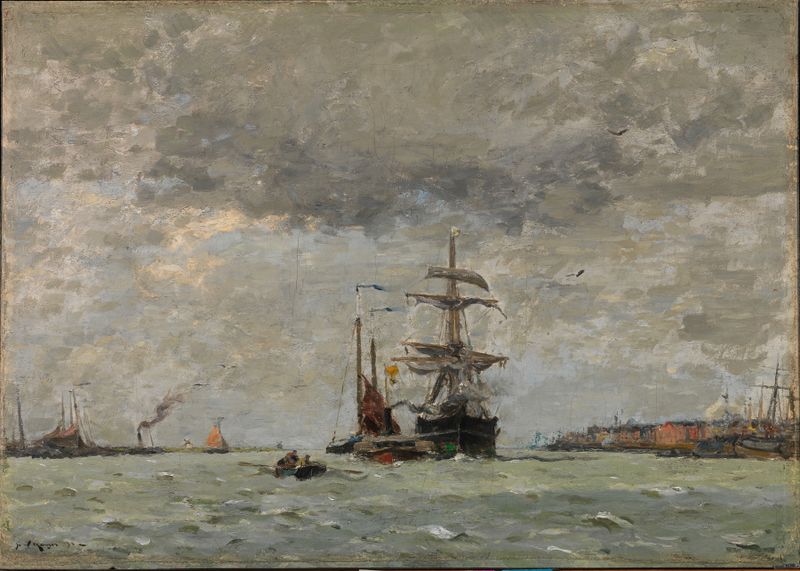
Entrance To The Harbor
Henry Ward Ranger
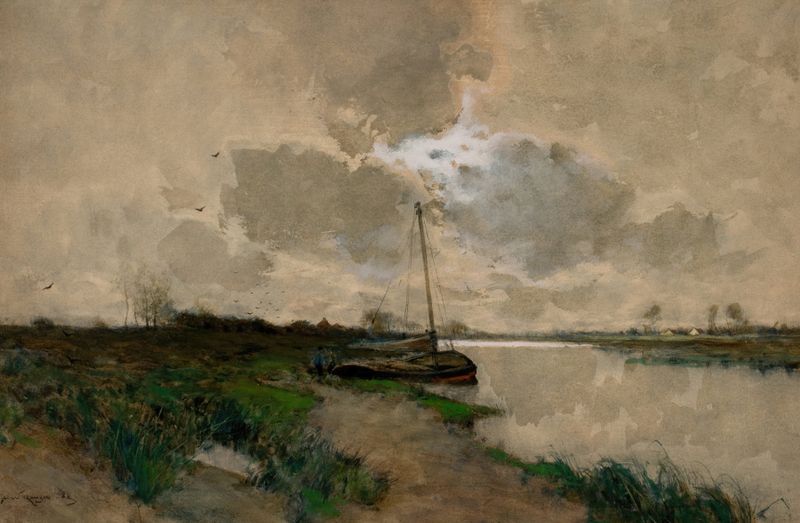
On the Scheldt, Holland
Henry Ward Ranger
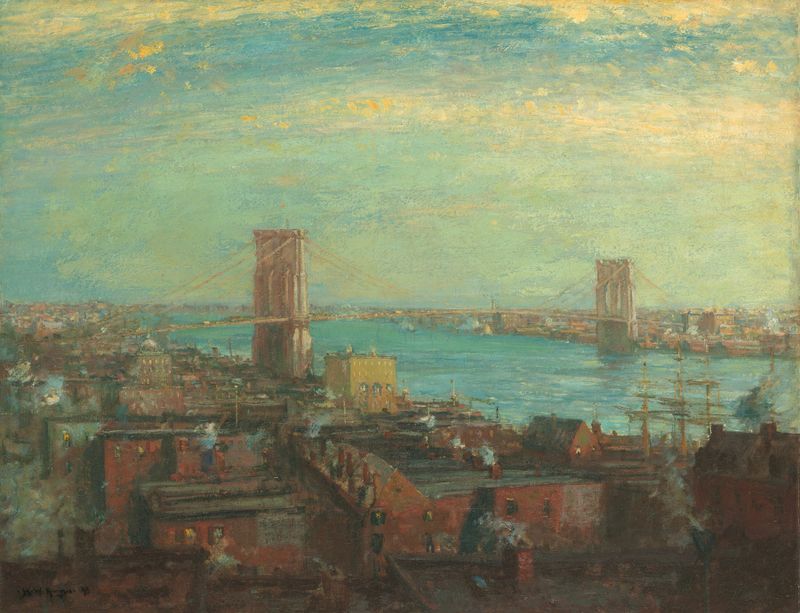
Brooklyn Bridge
Henry Ward Ranger
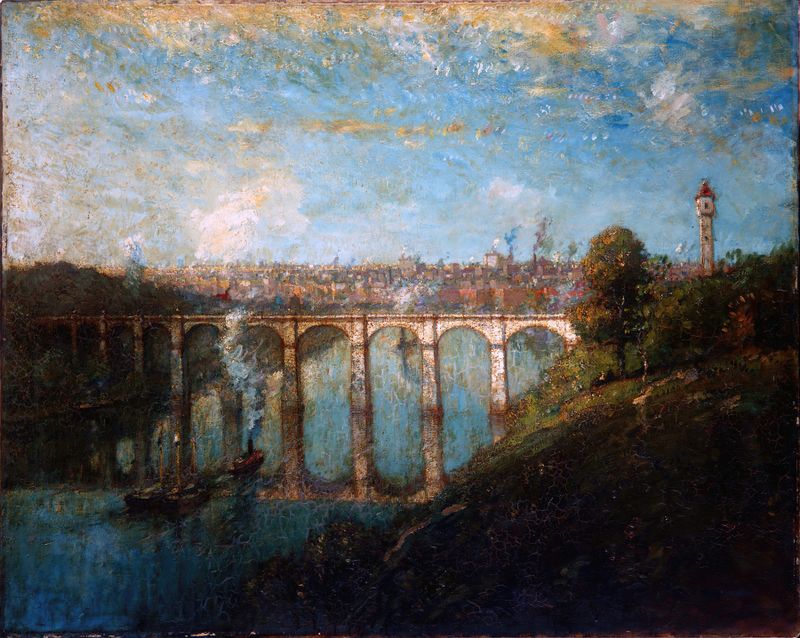
High Bridge, New York
Henry Ward Ranger
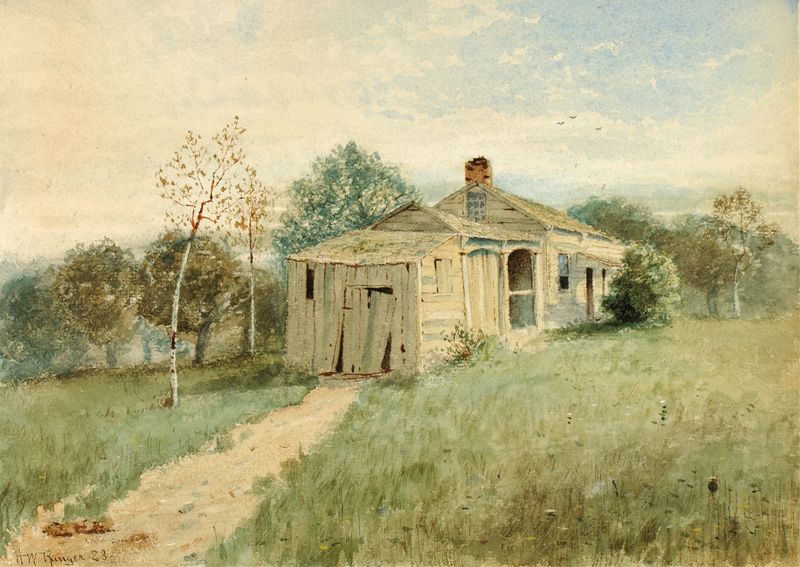
Untitled
Henry Ward Ranger





