
High Bridge, New York — History & Facts
When did color learn to lie? In the realm of art, hues can veil truths, transforming memories into spectral echoes of what once was. Look to the left at the deep blues and greens that cradle the bridge, grounding it amidst the bright, airy sky. The luminous yellow and burnt orange tones above speak of a sunset, perhaps a farewell to the day and a metaphor for loss. Ranger’s brushwork creates a texture that feels both delicate and sturdy—a representation of nature's resilience contrasting with human fragility.
The arched bridge, a focal point, stands poised and silent, inviting contemplation as it spans across the water, a testament to progress yet also a passage into the unknown. As your gaze travels, notice the subtle brushstrokes in the water, reflecting the melancholy of the encroaching dusk. This interplay of light and shadow suggests an emotional depth; the water bears the weight of the sky’s fading brilliance. The bridge, while symbolizing connection, also hints at separation—what is left behind as one crosses to the other side.
The color palette, rich yet subdued, evokes a poignant sense of nostalgia, a longing for something forever altered. Henry Ward Ranger painted High Bridge, New York in 1905, during a period when he was deeply engaged with the American Impressionist movement. He was living in New York and exploring the changing landscapes of his environment. This work reflects both the technological advancements of the time and the artist's personal grappling with the ephemeral nature of beauty and progress, capturing a world on the brink of transformation.
More Artworks by Henry Ward Ranger
Browse all →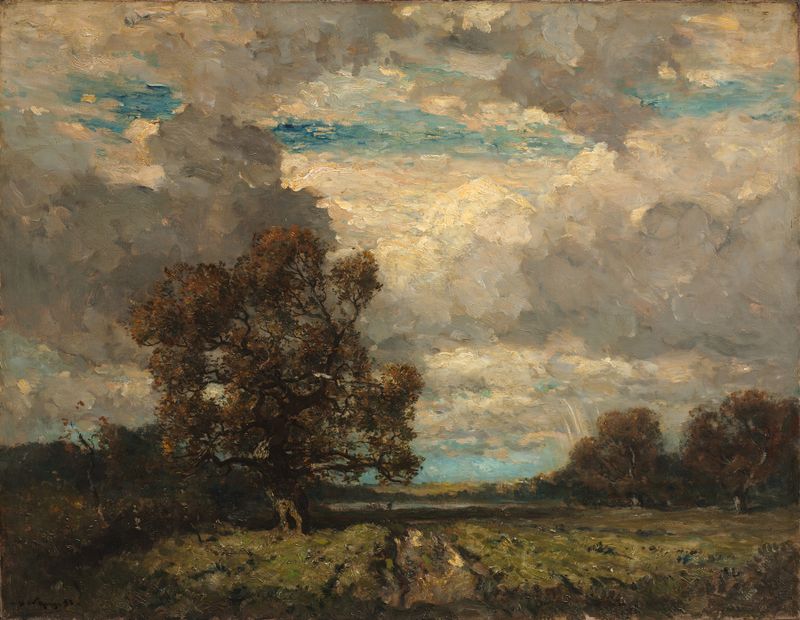
The Lone Sentinel
Henry Ward Ranger
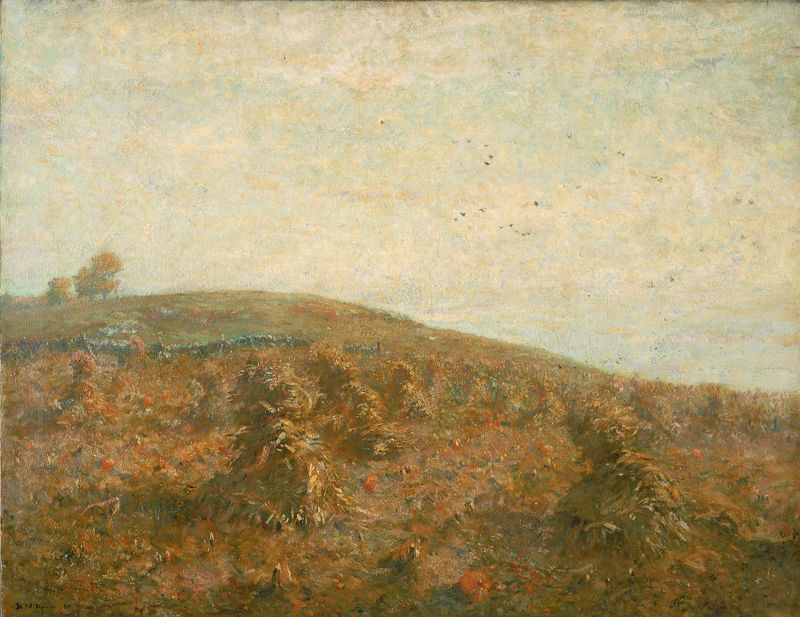
The Cornfield
Henry Ward Ranger

Brooklyn Bridge
Henry Ward Ranger
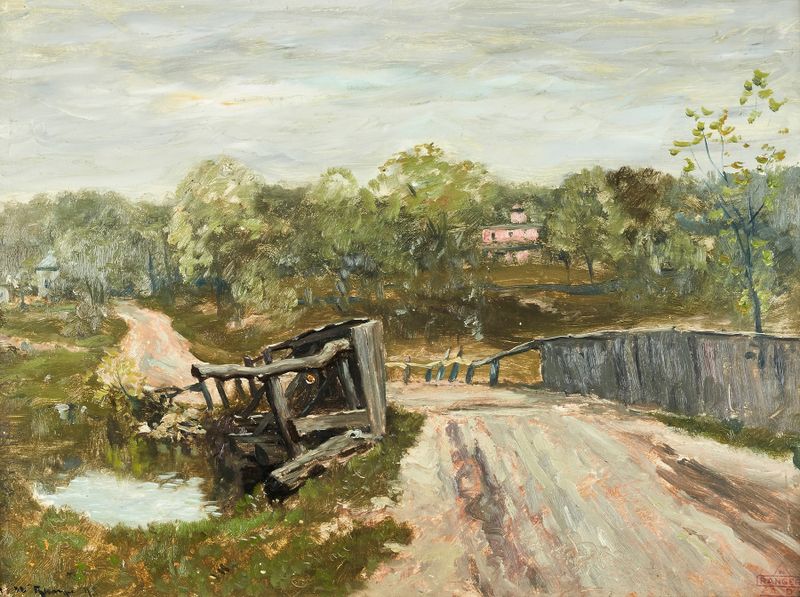
The Stone Fence
Henry Ward Ranger
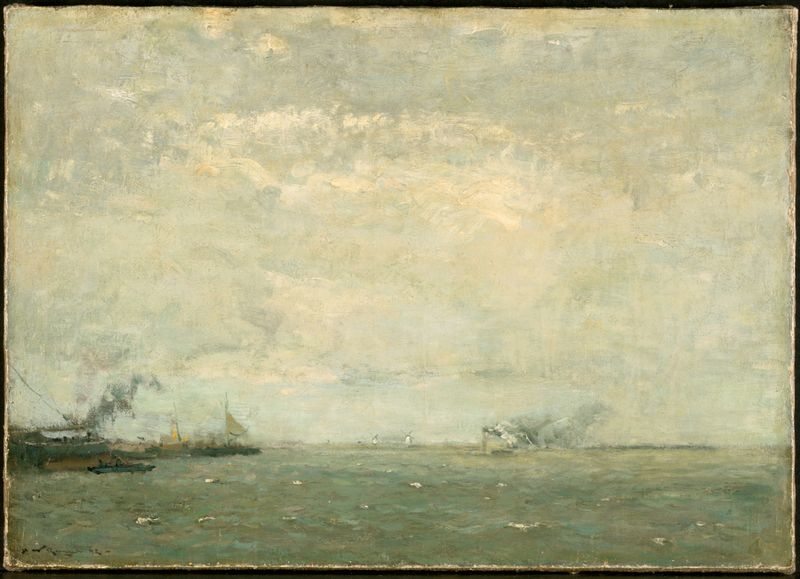
Seascape
Henry Ward Ranger
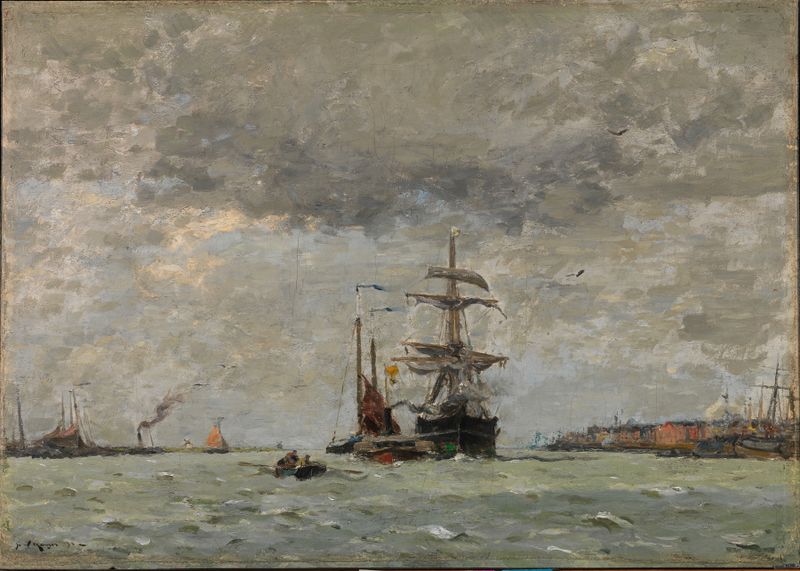
Entrance To The Harbor
Henry Ward Ranger
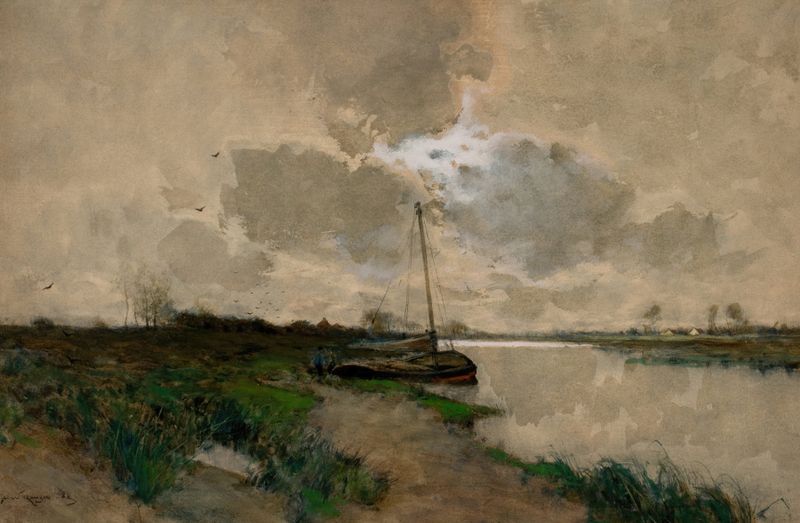
On the Scheldt, Holland
Henry Ward Ranger
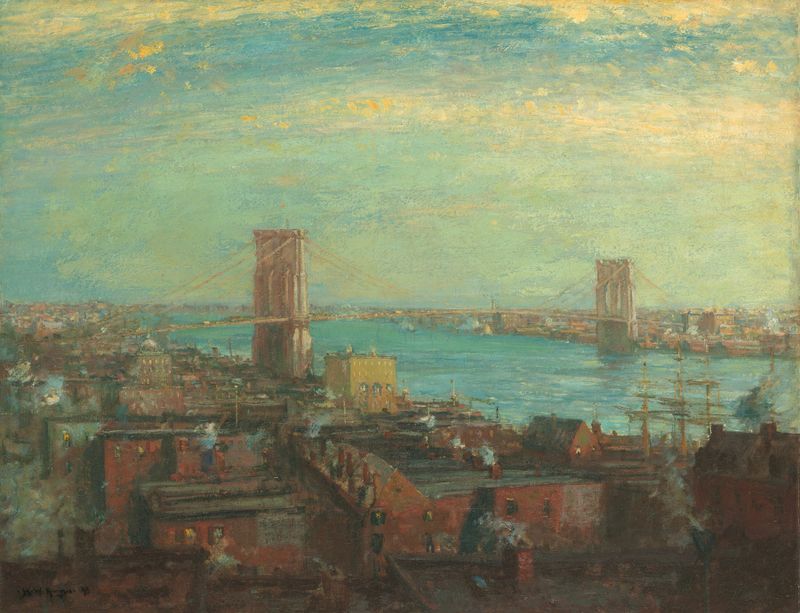
Brooklyn Bridge
Henry Ward Ranger
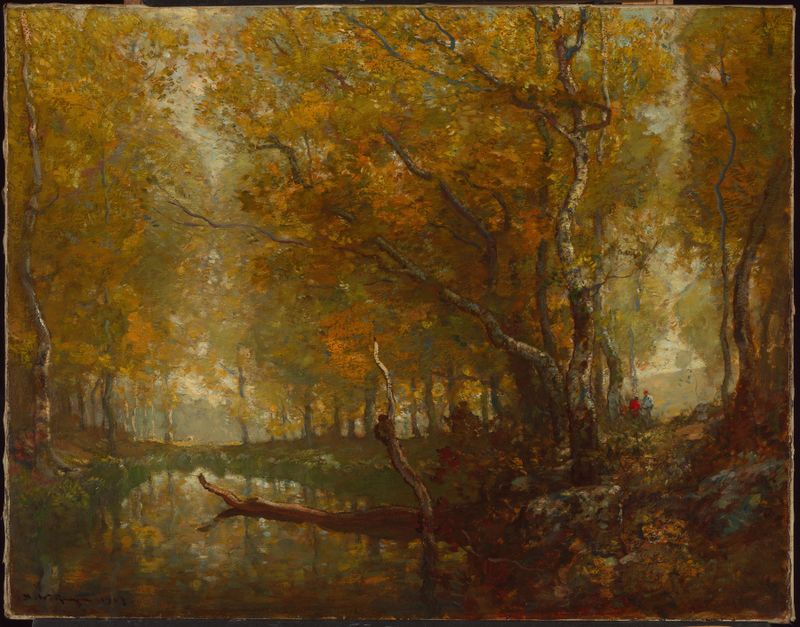
Bradbury’s Mill Pond, No. 2
Henry Ward Ranger
Untitled
Henry Ward Ranger





