
Brooklyn Bridge — History & Facts
Where does light end, and longing begin? In Brooklyn Bridge, the tension between structure and the ethereal invites us to explore the delicate boundaries of revelation etched into its canvas. Look to the center, where the majestic arches of the bridge rise boldly against the backdrop of a dusky sky. The soft gradients of sunset bathe the scene, with hues of pink and orange melting into the deep blues above. Ranger’s brushwork captures the intricate cables’ delicate choreography, a rhythmic dance that contrasts with the solidity of the towers.
The shimmering water below reflects the colors above, creating a mirror that ties together the earthly and the divine, urging viewers to feel the weight of the moment. Hidden within the vibrancy lies a poignant juxtaposition: the bridge symbolizes connection, yet it also suggests isolation, standing as a solitary sentinel against the vast expanse of the sky. This duality is mirrored in the figures that dot the bridge’s pedestrian path—each individual a part of the collective experience but distinctly alone in their thoughts. The interplay of shadow and light creates an atmosphere of introspection, prompting questions about the nature of progress and the longing for connection in an expansive world. In 1899, Ranger painted this work during a period marked by rapid urbanization and the rise of the American landscape movement.
Living in New York, he was influenced by the city’s transformative energy and the artistic community surrounding him. At that time, artists were seeking new ways to capture the essence of modern life, and Ranger's work reflected both the physical and emotional landscapes of an era in transition—a testament to the enduring power of the Brooklyn Bridge as a symbol of hope and connection.
More Artworks by Henry Ward Ranger
Browse all →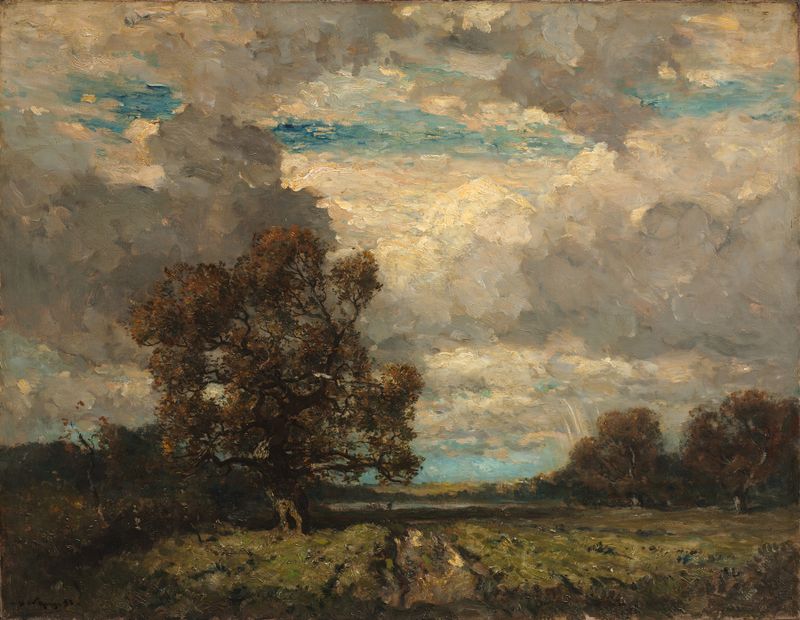
The Lone Sentinel
Henry Ward Ranger
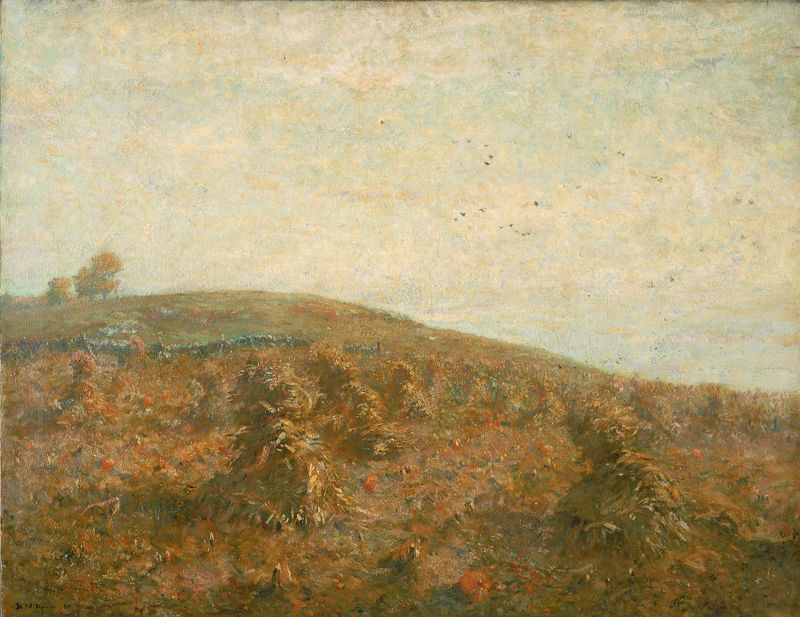
The Cornfield
Henry Ward Ranger

Brooklyn Bridge
Henry Ward Ranger
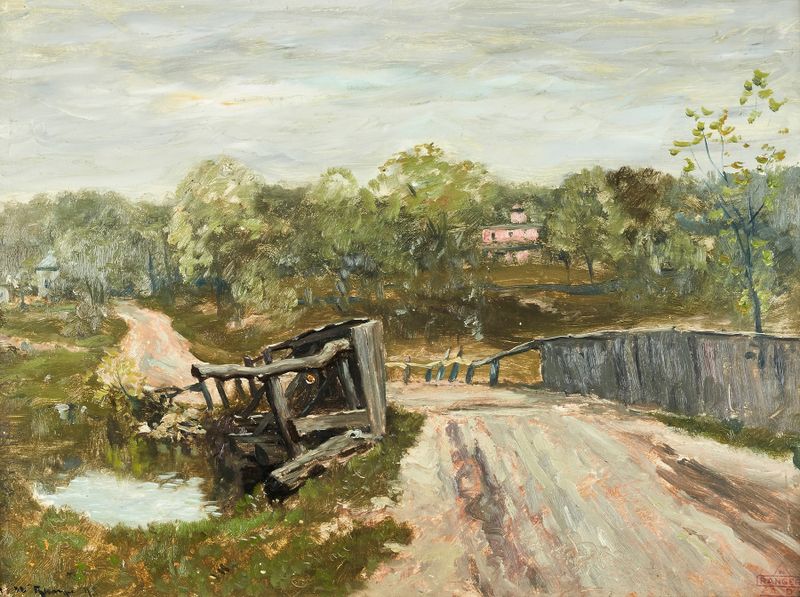
The Stone Fence
Henry Ward Ranger
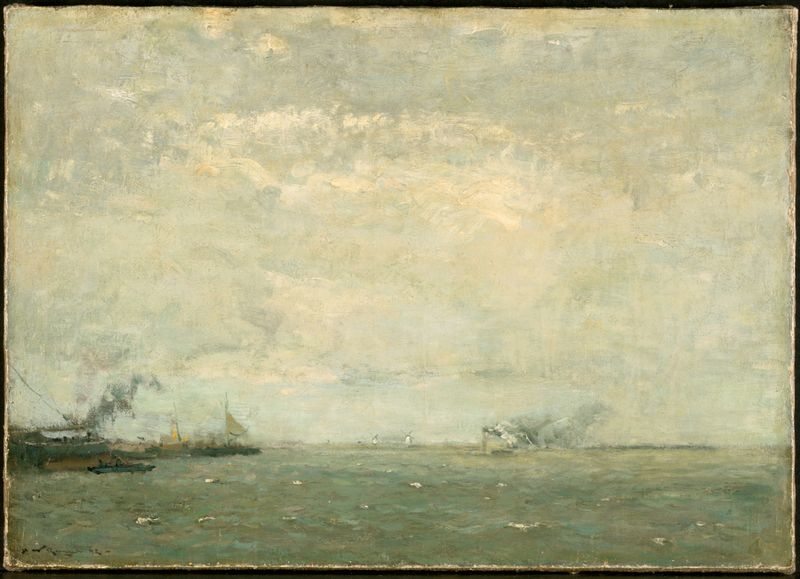
Seascape
Henry Ward Ranger
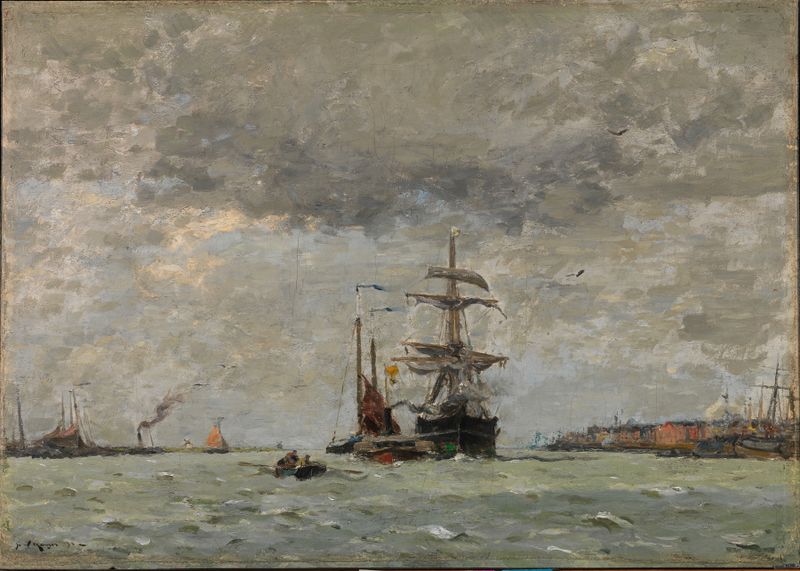
Entrance To The Harbor
Henry Ward Ranger
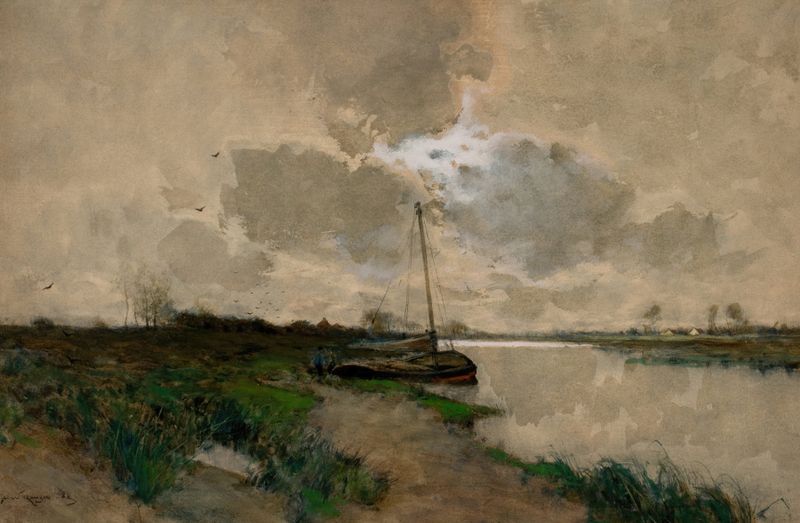
On the Scheldt, Holland
Henry Ward Ranger
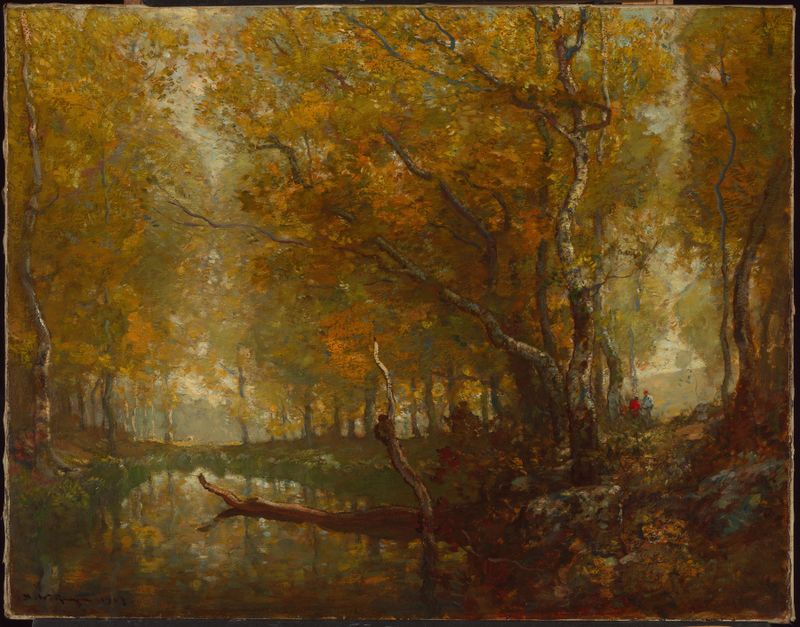
Bradbury’s Mill Pond, No. 2
Henry Ward Ranger
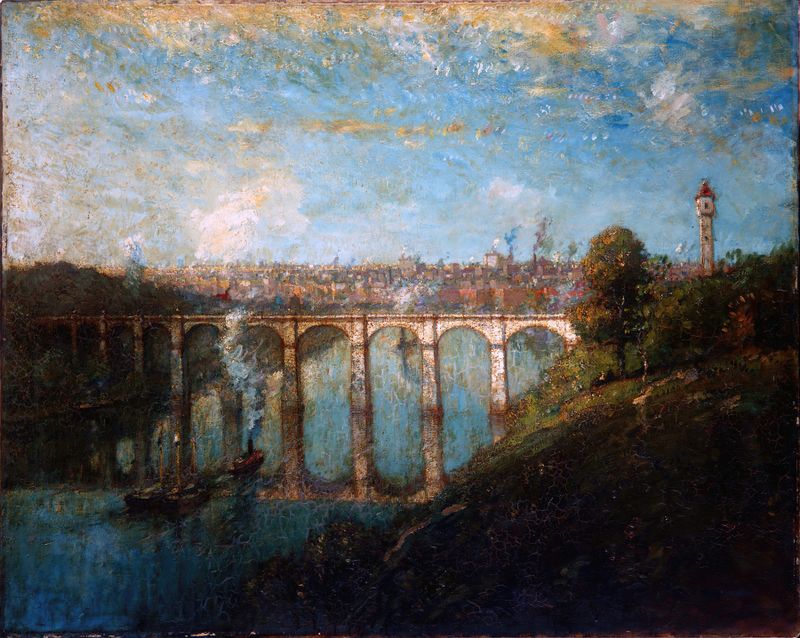
High Bridge, New York
Henry Ward Ranger
Untitled
Henry Ward Ranger
More Architecture Art
Browse all →
The statue of Liberty
Frédéric Auguste Bartholdi

View of Houses in Delft, Known as ‘The Little Street’
Johannes Vermeer

View of Houses in Delft, Known as ‘The Little Street’
Johannes Vermeer

The Cathedral in Rouen. The portal, Grey Weather
Claude Monet

The yellow house
Vincent van Gogh

The Church in Auvers-sur-Oise, View from the Chevet
Vincent van Gogh