Breton Landscape — History & Facts
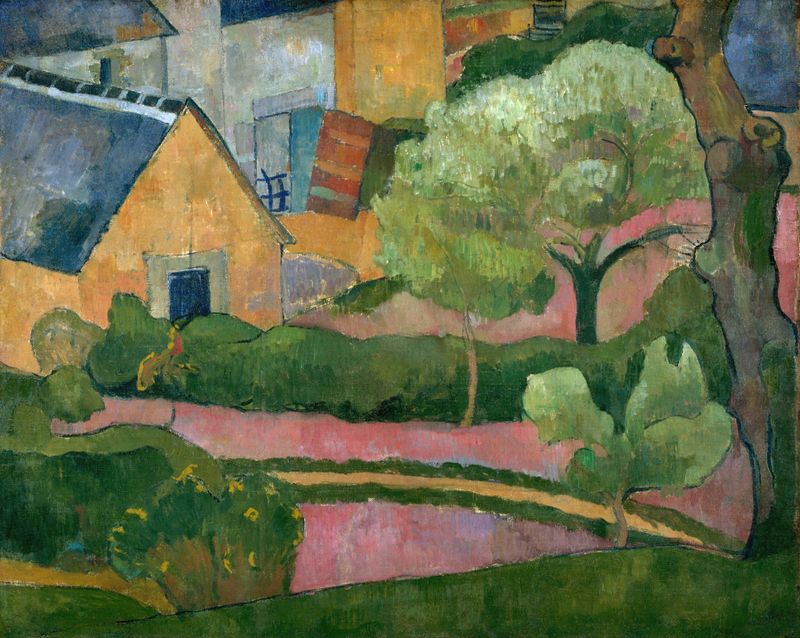
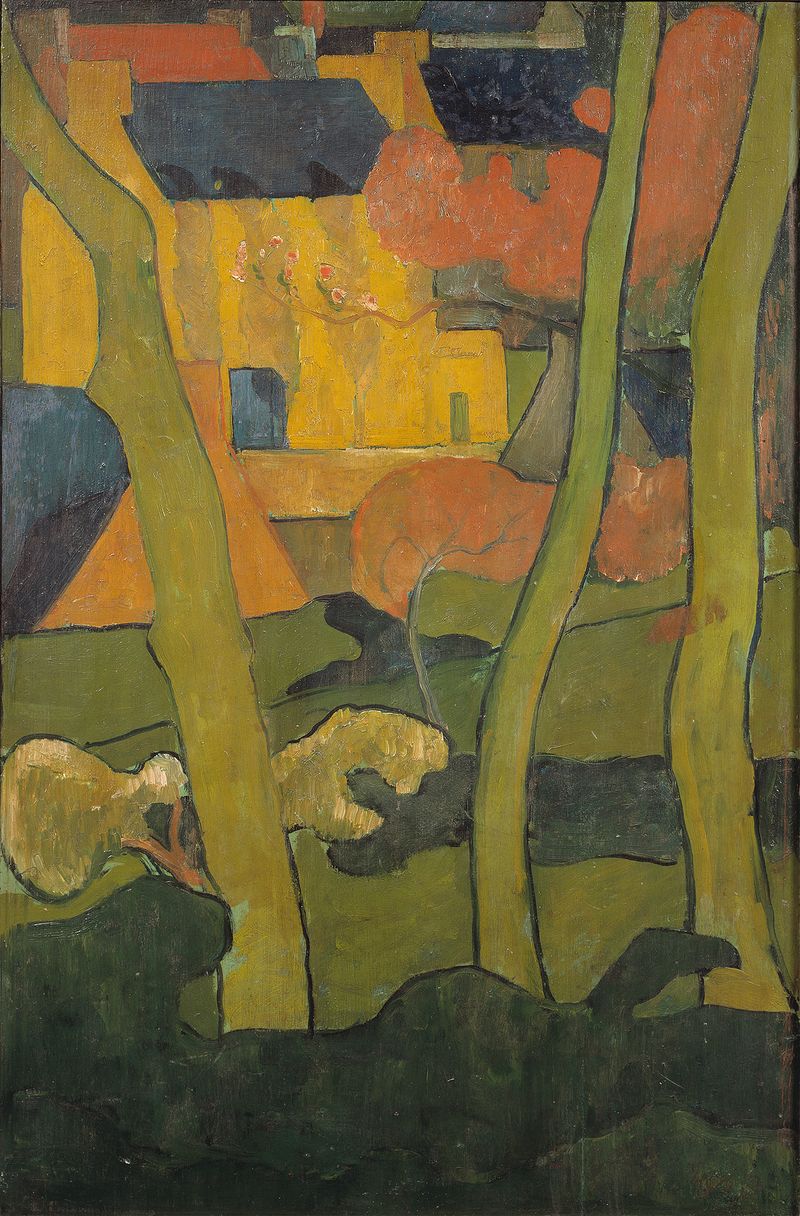
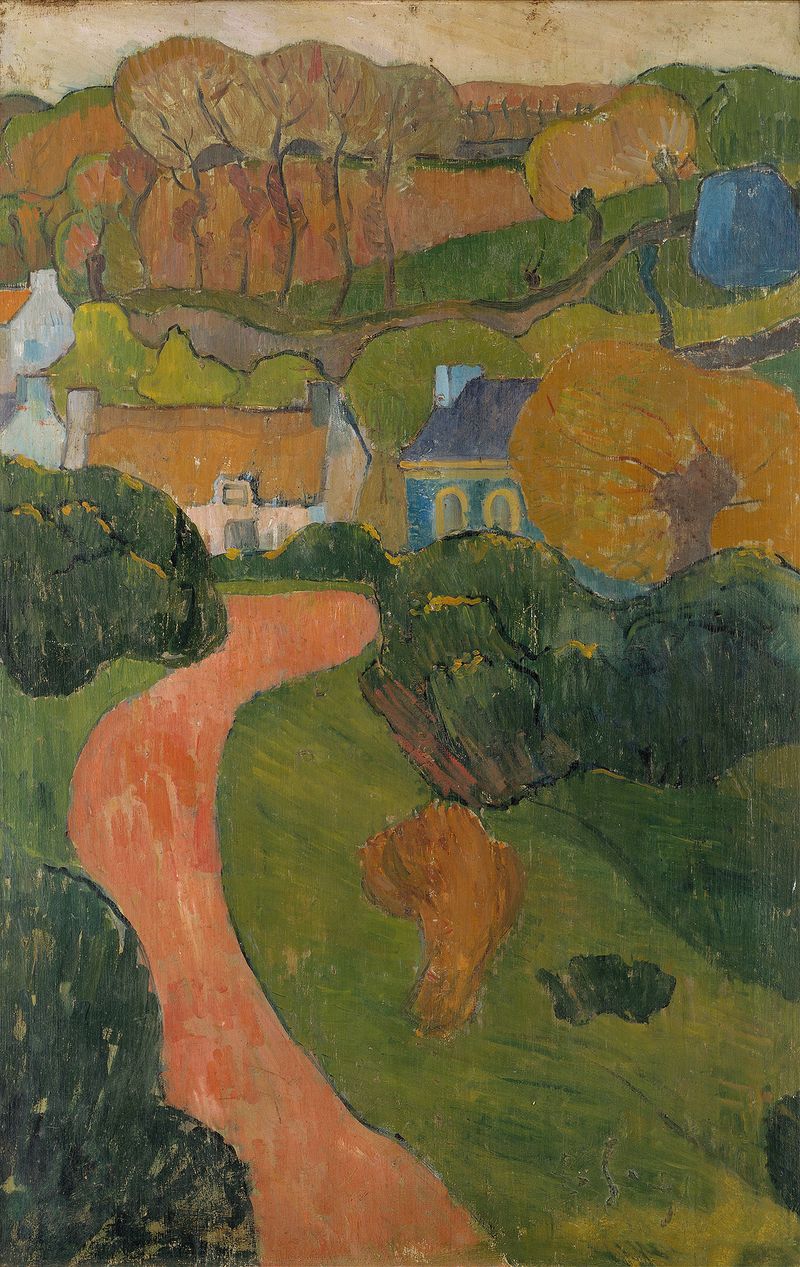
This sentiment encapsulates the transformative power of art and the duality of nature — serene yet volatile, tranquil yet implacable. Look closely at the vibrant greens and deep blues that swirl together, inviting you into the heart of the landscape. Notice how the brushstrokes create a rhythmic flow across the canvas, guiding your gaze from the dense trees to the undulating hills. The interplay of light and shadow reveals the tension between the calm surface and the dynamic undercurrents, suggesting an underlying violence in nature that is both beautiful and unsettling. As you examine the composition, the contrast between the wild, unkempt foliage and the seemingly placid sky evokes a sense of impending storm.
The thick, frenetic strokes of paint convey not just the visual essence of the landscape, but also its emotional weight. This tension hints at the raw power of the natural world, where beauty often masks the chaos that lies just beneath the surface, a reminder of nature’s unpredictable spirit. During the years 1891 to 1892, Verkade was heavily influenced by the Symbolist movement, seeking to capture the complexities of emotion through his landscapes. Living in Brittany at the time, he was surrounded by rugged beauty and dramatic scenery that inspired him.
This period marked a transition in his artistic style — one that embraced the expressive potential of color and texture, reflecting both personal turmoil and the broader avant-garde shifts in the art world.