Paysage de Bretagne — History & Facts
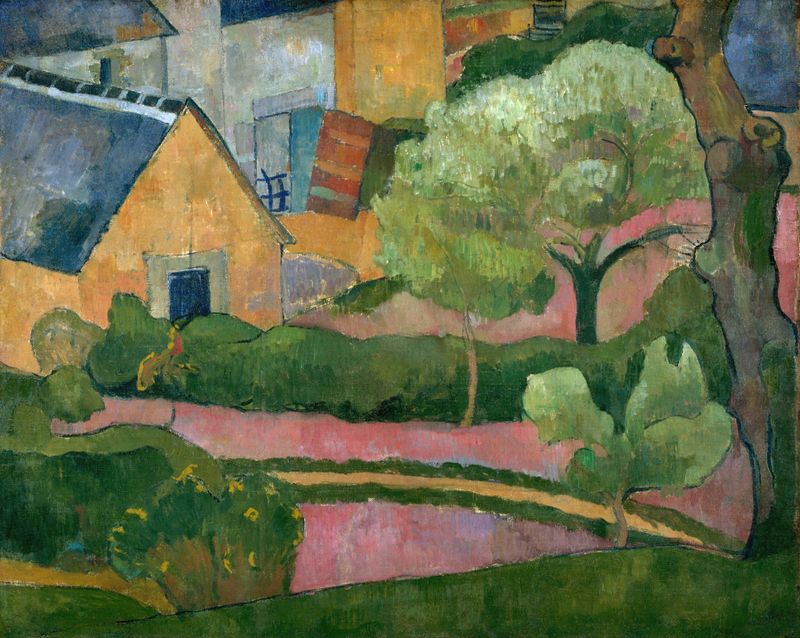
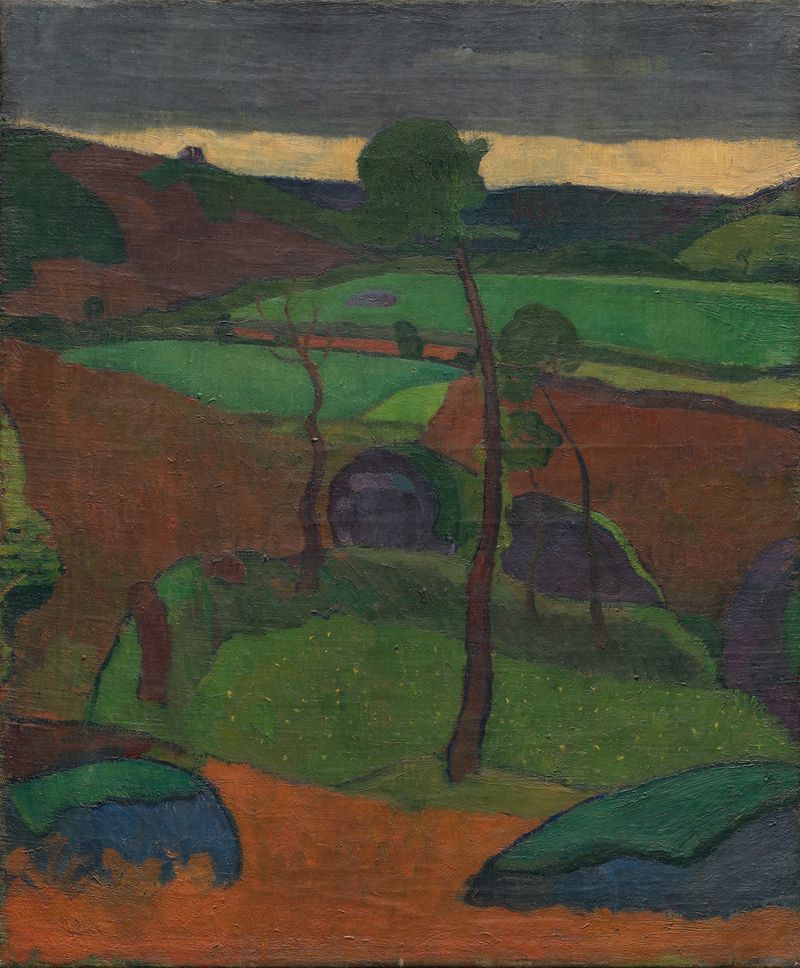
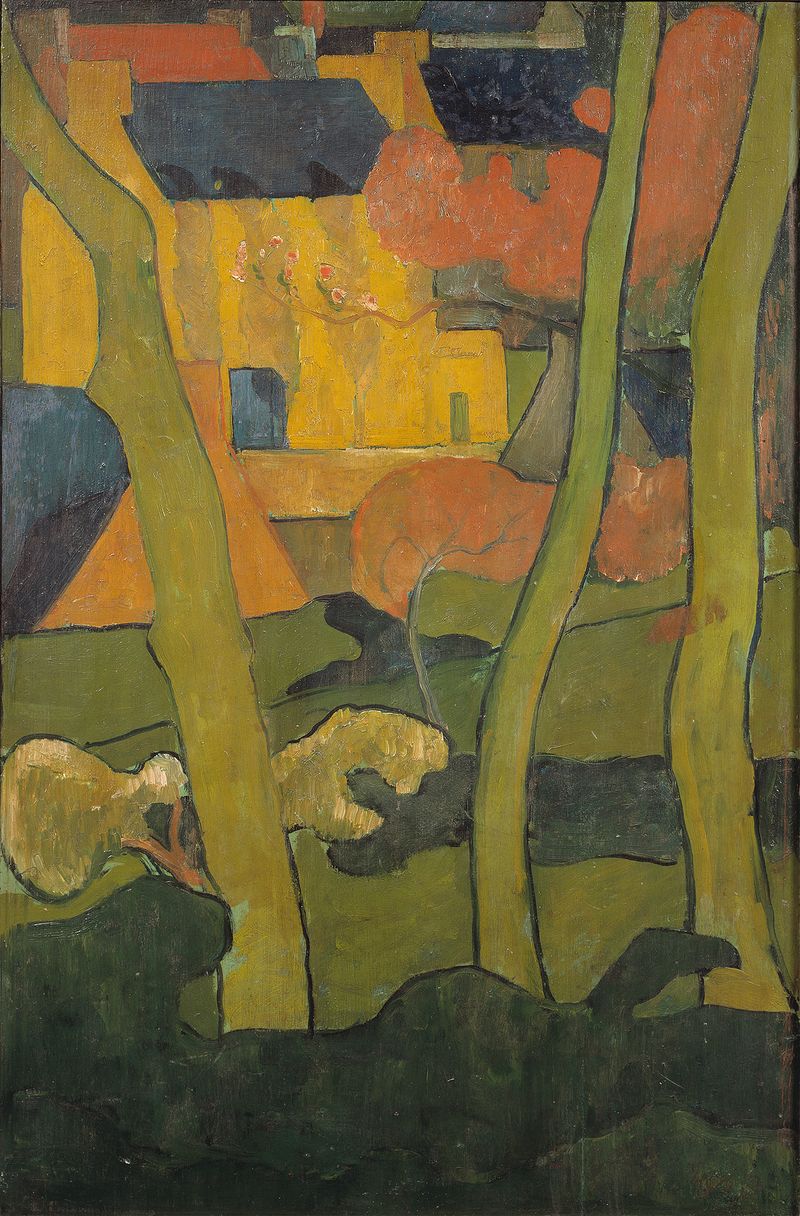
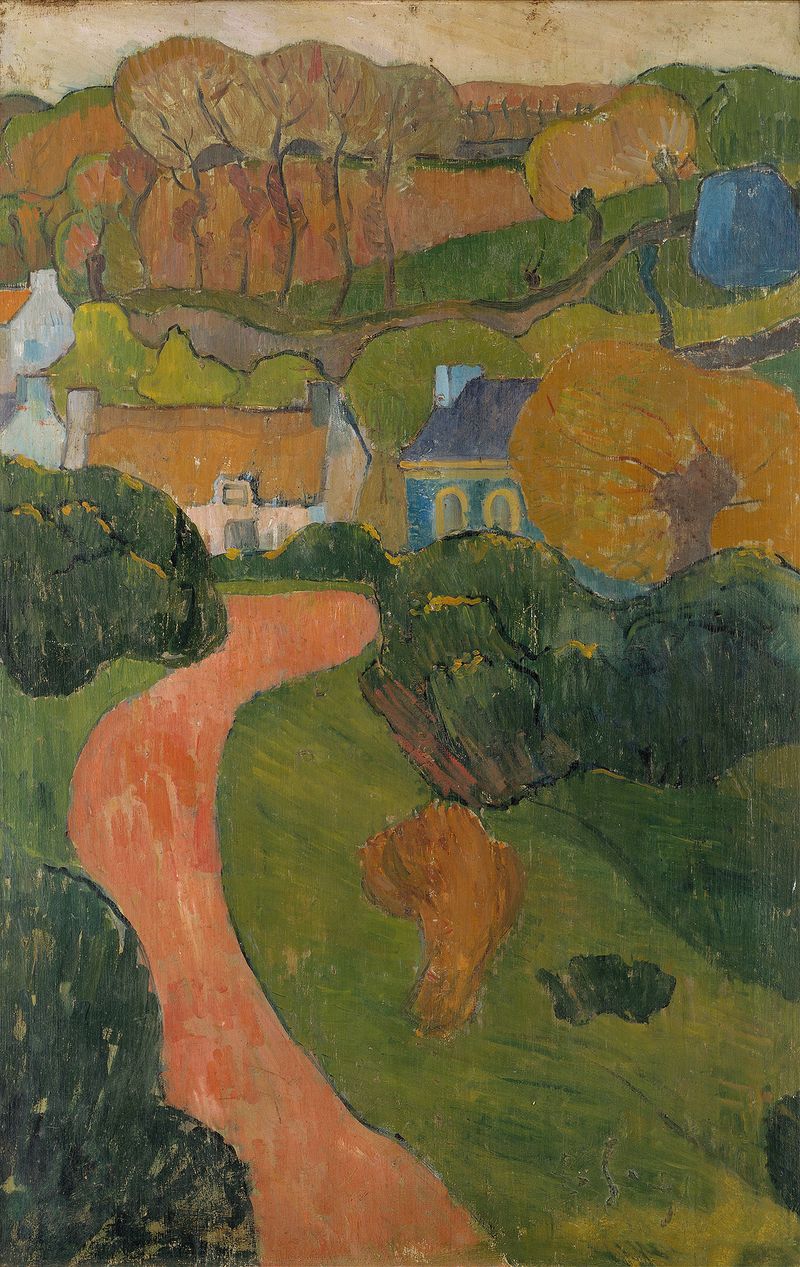
Could a single brushstroke hold eternity? In Paysage de Bretagne, the fleeting essence of a landscape whispers of nostalgia, inviting us to linger in memories of places we may have never seen yet feel deeply connected to. Look to the lower left, where the rolling hills gently rise and fall, their verdant hues interspersed with touches of soft gold. Notice how the sky dominates the canvas, alive with swirling blues and whites that evoke the rhythm of clouds in motion. The application of paint is both thick and deliberate, allowing light to dance across the surface, revealing the artist's touch.
The composition draws the eye along the horizon, where land meets sky, suggesting a world both expansive and intimate. Hidden within this scene are contrasts that speak volumes. The vibrancy of nature is juxtaposed with a serene stillness, suggesting a moment suspended in time. The sporadic brushstrokes communicate both the chaos of natural beauty and the tranquility it inspires.
Feelings of longing resonate through the palette, where earthy colors narrate a journey through memory, further deepening the emotional experience. Jan Verkade created Paysage de Bretagne between 1892 and 1893 during his formative years in France. At this time, he was heavily influenced by the Symbolist movement, which sought to transcend the visible world and explore deeper, often personal themes. Verkade’s exploration of color and form mirrored a broader shift in the art world towards emotive expression, bridging the gap between impressionism and the emerging modernist perspectives of the early 20th century.