Decorative Landscape II — History & Facts
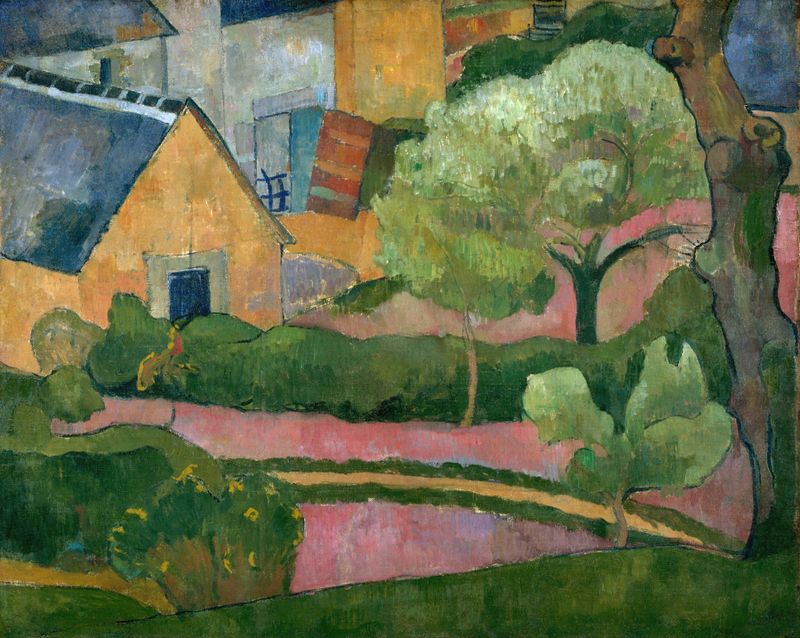
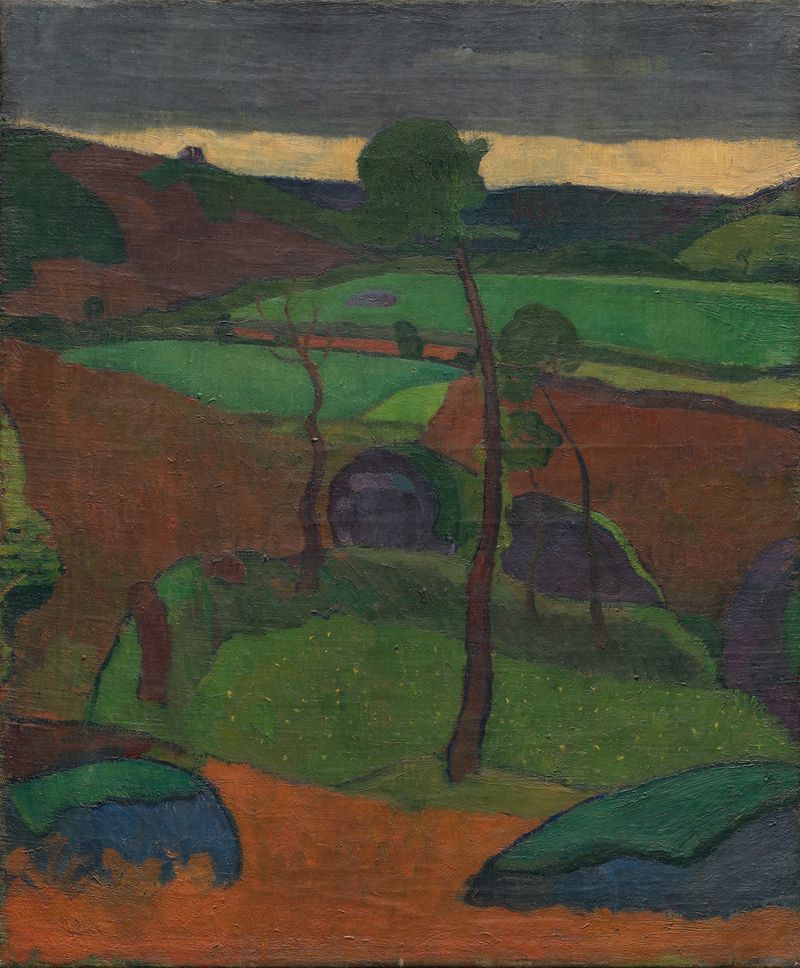
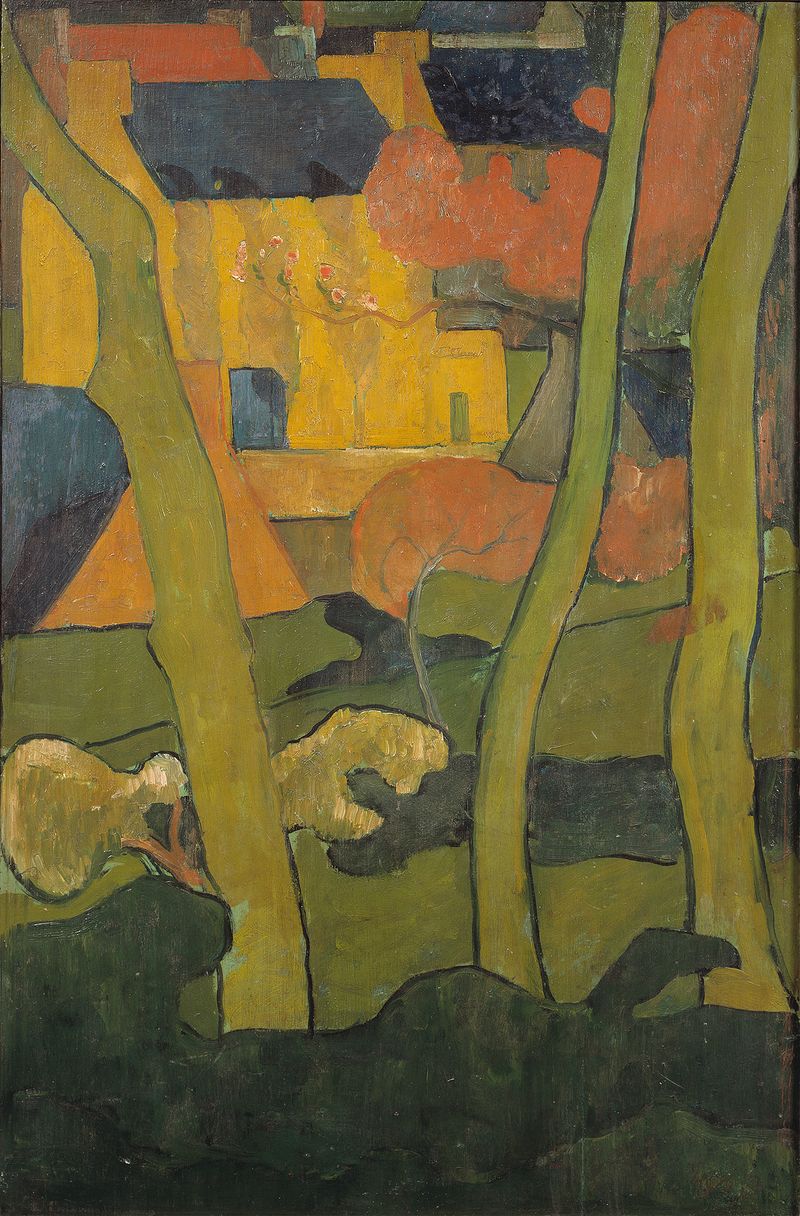
When did color learn to lie? In the depths of artistic expression, one often encounters the subtle whispers of desire, beckoning us to explore the landscapes of our own yearnings. Focus on the vibrant interplay of blues and greens, where the brushstrokes seem to dance with the wind. Notice how the sky, a rich cerulean, gradually melds into a softer hue, suggesting not merely a transition of day but the intimate embrace of heavens and earth. The bold strokes in the foreground create an inviting path, leading the viewer's eye into the depths of the landscape, where nature’s simplicity masks profound emotional undercurrents. Amidst this vivid backdrop lies a solitude that speaks volumes.
The tranquility of the scene contrasts sharply with the underlying tension of human longing, as if the vibrant colors yearn for companionship. Each element—the trees, the winding path, and the distant hills—serves as a metaphor for our desires, each stroke loaded with a sense of unfulfilled dreams and aspirations. The warm hues bleed into the cooler tones, portraying the complexity of hope intertwined with melancholy. Jan Verkade created Decorative Landscape II in 1891 during a period of artistic exploration, where he navigated the realms of symbolism and impressionism.
Living in the Netherlands, Verkade was influenced by the burgeoning art movements of his time, striving to infuse personal emotion into his landscapes. His works reflect a search for a deeper connection between nature and the human experience, a quest for meaning amidst a rapidly changing world.