Decorative Landscape I — History & Facts
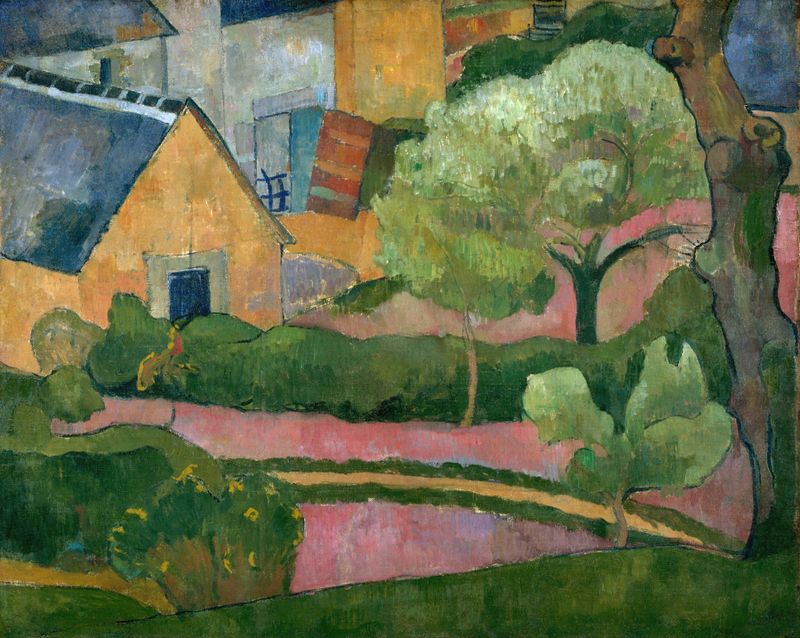
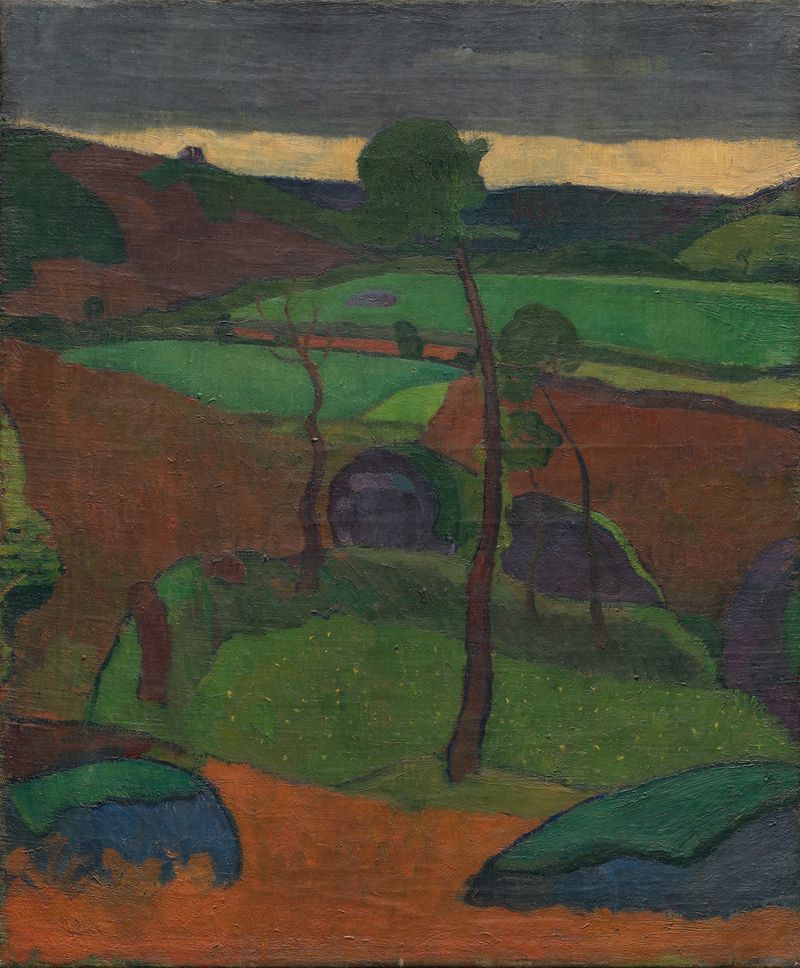
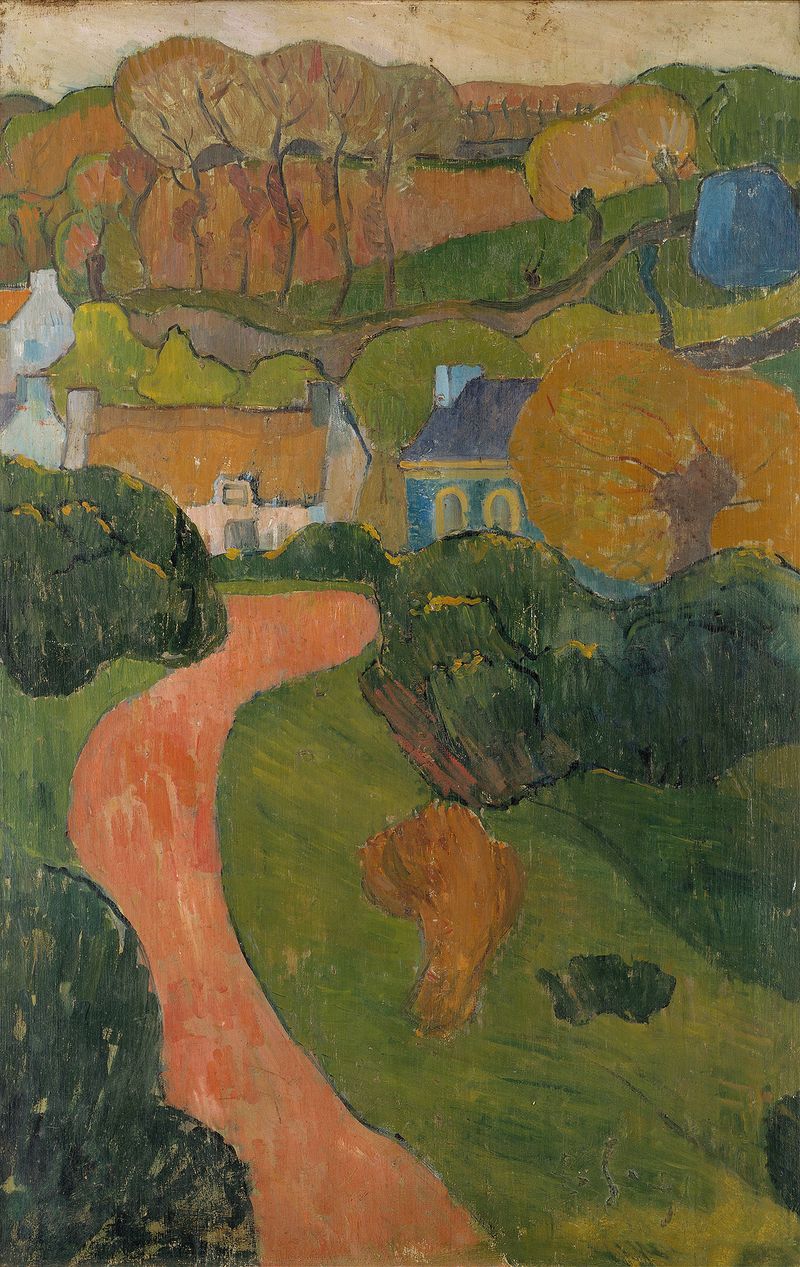
What secret hides in the quiet of the canvas? The stillness of Decorative Landscape I invites contemplation, blurring the lines between time and memory, inviting the viewer to linger in the present while reflecting on the past. Focus on the sweeping curves of the horizon, where vibrant hues of green and blue intertwine, creating a tapestry of nature's beauty. Notice how the artist employs a delicate balance between abstraction and representation, allowing the shapes to resonate with an emotional cadence. The textured brushwork, combined with a palette that shimmers softly, suggests a dreamlike quality, a landscape that exists beyond the constraints of reality. As you explore further, observe the interplay of light and shadow, and how it breathes life into the tranquil scene.
There lies a hint of nostalgia, an echo of a long-lost moment captured within the frame, where time seems both suspended and fluid. The simplicity of the composition belies a deeper complexity—each element is a fragment of a larger narrative, inviting personal reflections and interpretations that transcend the visual. Jan Verkade painted this work during a period of artistic exploration, likely in the early 20th century when he was immersed in the Symbolist movement. This era was marked by a shift towards personal expression and emotional resonance in art, as Verkade sought to capture the essence of beauty and tranquility in the world around him, navigating his own artistic identity amid the changing currents of modernity.