
Bridge and Tower — History & Facts
In a time when innocence often crumbles under the weight of reality, some artists dare to capture its fleeting essence. Look to the horizon where a delicate bridge spans across a tranquil river, leading the viewer's gaze toward a distant tower that stands tall against a soft sky. The gentle palette of blues and greens evokes a serene atmosphere, while the delicate brushwork creates a sense of movement in the water below. Notice how the light dances on its surface, reflecting a purity that seems to imbue the entire composition with an ethereal glow, inviting contemplation. Yet, beneath this idyllic scene lies a tension between the natural and the manmade.
The bridge, a symbol of connection and journey, contrasts sharply with the solitary tower, which evokes feelings of isolation. This duality raises questions about innocence lost — is the bridge leading to a haven or a false promise? The artist's choice of perspective encourages us to consider the viewer's role in this narrative, suggesting an invitation to explore one’s own journey amidst the backdrop of life’s complexities. Edward Francis Burney created Bridge and Tower in a period marked by romanticism, where artists sought to express emotion and nature's beauty. Working during the late 18th century in England, his life was intertwined with the evolving landscape of art, which was transitioning from classical ideals to more expressive forms.
This painting reflects not only his personal vision but also the broader movement towards celebrating the innocence of nature amidst the encroaching industrial age.
More Artworks by Edward Francis Burney
Browse all →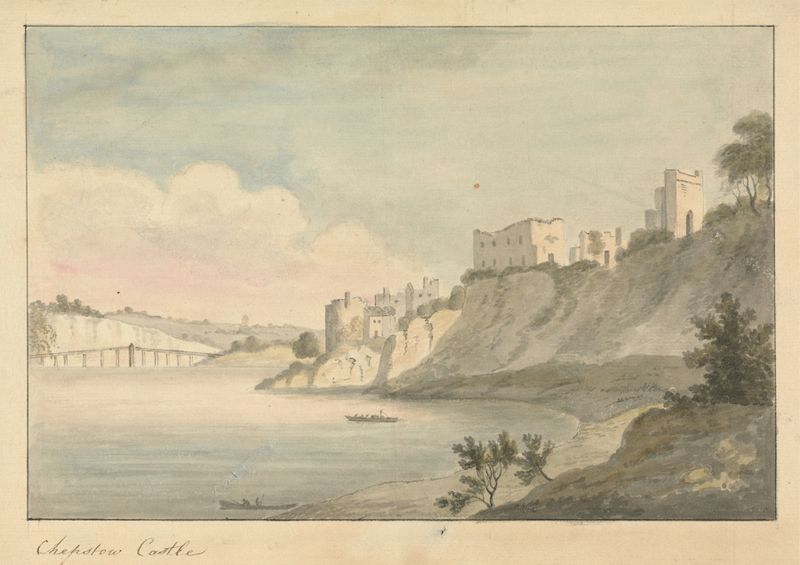
Chepstow Castle
Edward Francis Burney
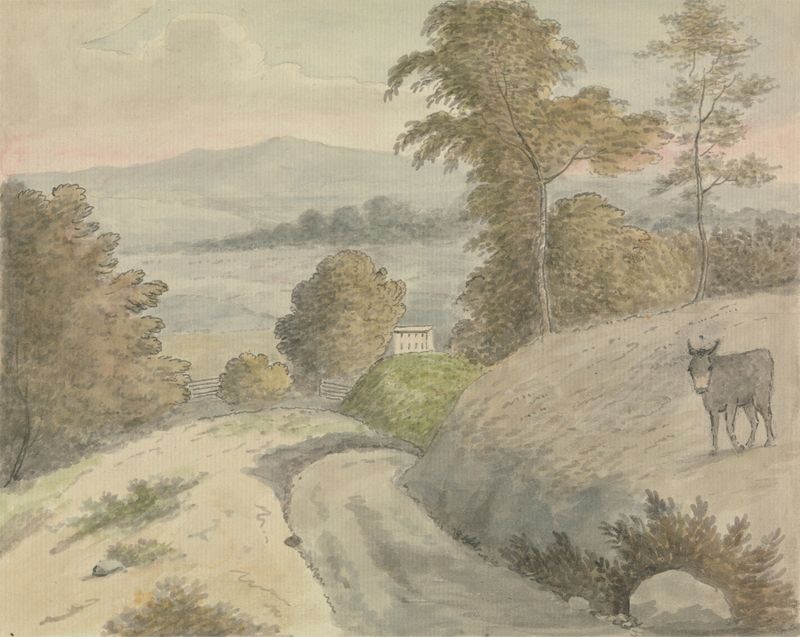
View in Surrey
Edward Francis Burney
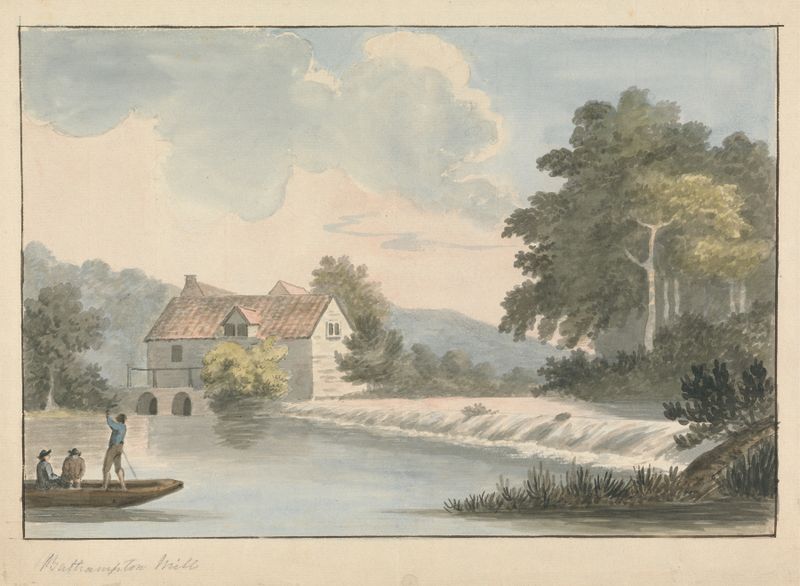
Bathampton Mill
Edward Francis Burney
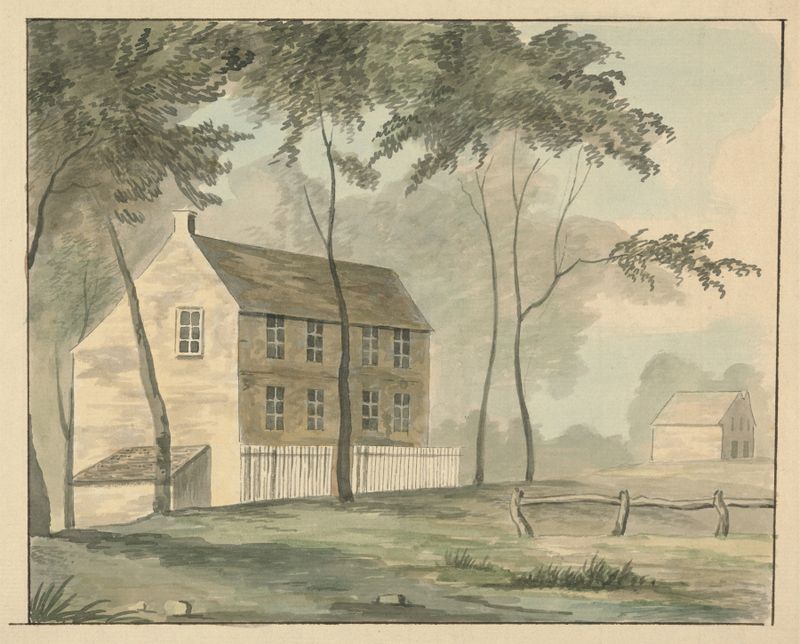
Country House.
Edward Francis Burney
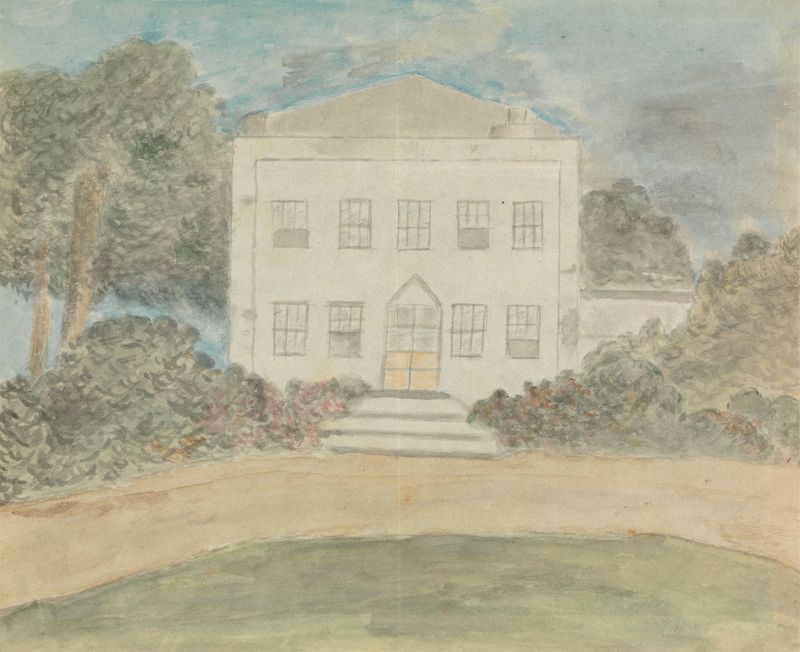
Country House
Edward Francis Burney
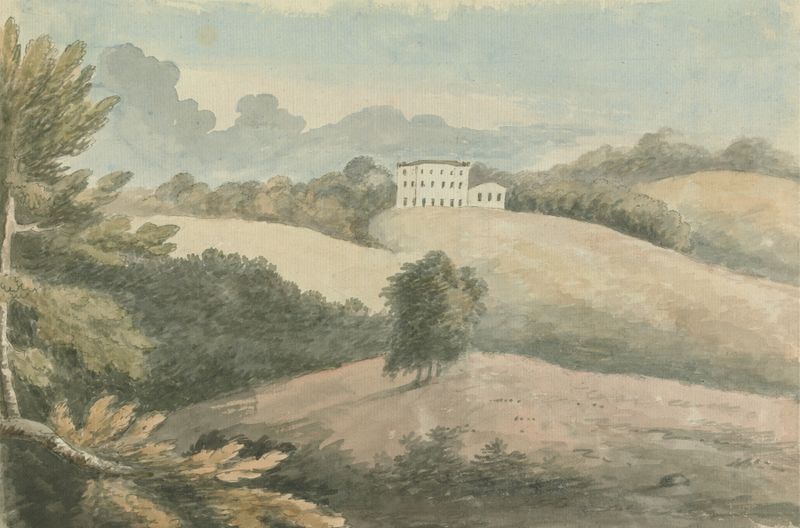
Mowbray Park
Edward Francis Burney
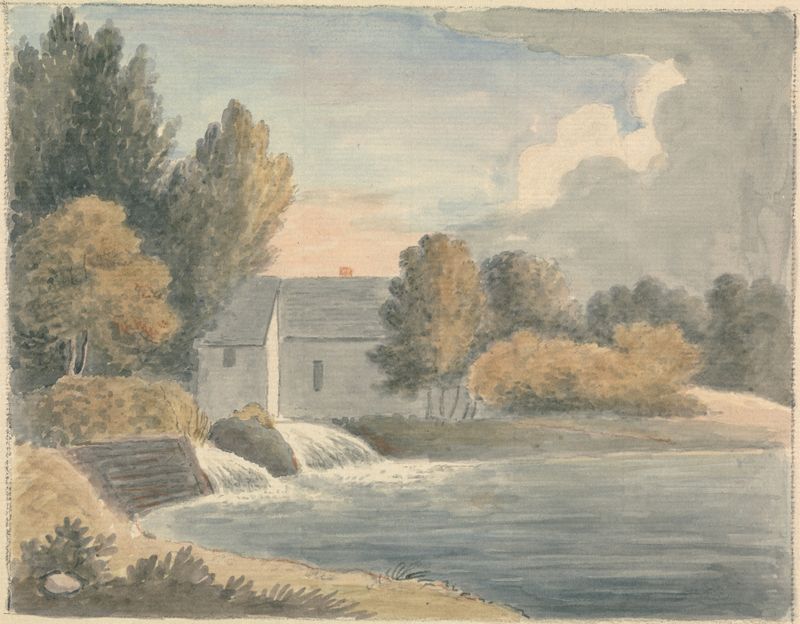
Bathampton Mill.
Edward Francis Burney
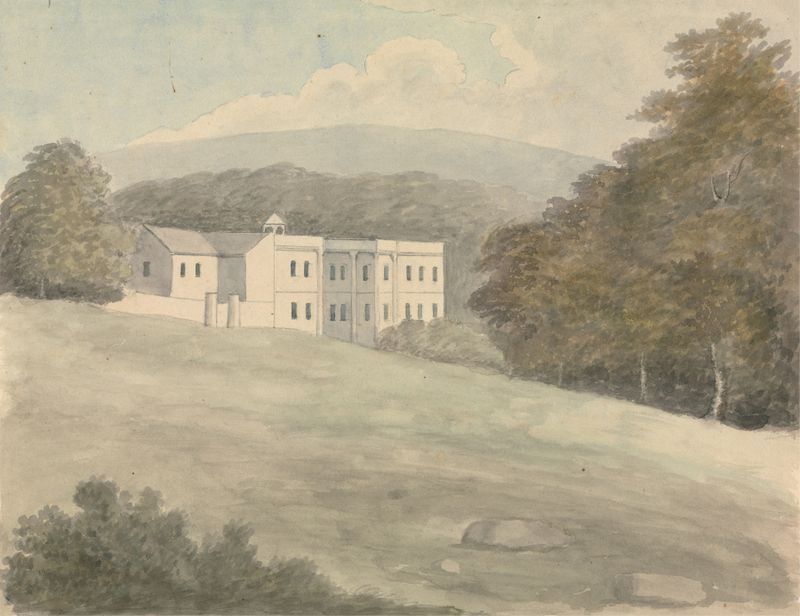
Norbury Park
Edward Francis Burney
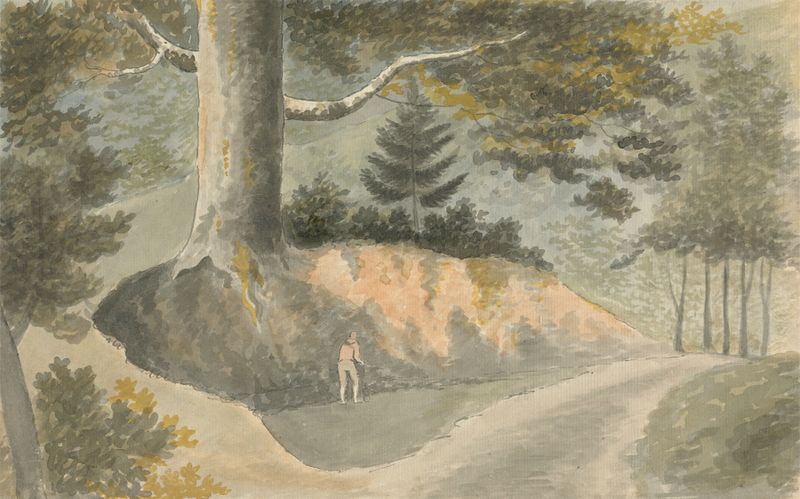
Road in the Forest
Edward Francis Burney
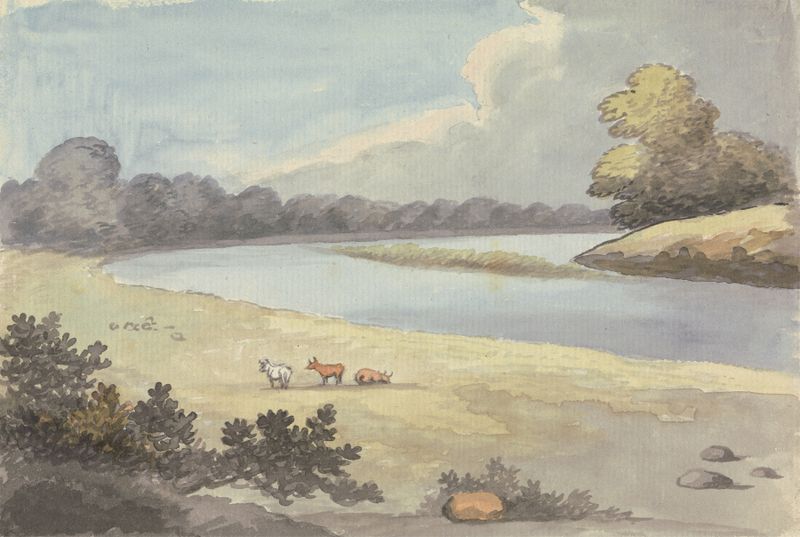
Richmond
Edward Francis Burney





