bridge near Lausanne (Pont de Gergovie) — History & Facts
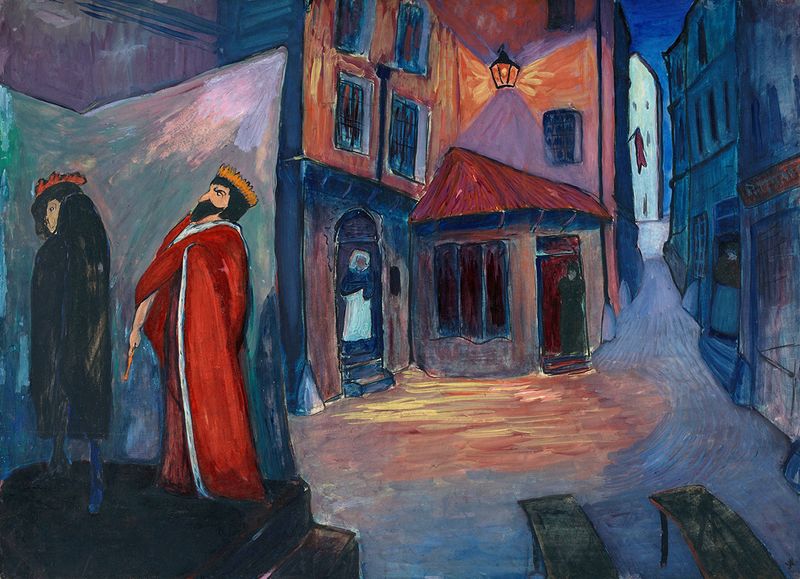
What stories unfold when paint meets surface, and when brush strokes breathe life into stillness? In the realm of art, revolution stirs beneath the surface, igniting a fire of creation and reflection. Notice how the foreground captures your gaze, where the bridge spans the canvas like a steadfast guardian over the swirling waters below. The earthy tones of the landscape evoke a sense of grounding, while the vibrant brushwork gives the impression of movement, almost as if the scene is caught in a moment of transition. Light plays delicately upon the bridge, illuminating its structure with a warmth that contrasts the coolness of the water, creating a dynamic interplay between stability and fluidity. As your eyes wander, consider the deeper meanings woven into this composition.
The bridge itself symbolizes connection and passage, hinting at the tumultuous changes of the time. The energetic brush strokes reflect the artist's own emotional state, caught between a world in upheaval and the stillness of nature. In this work, contrasts emerge — tranquility set against the backdrop of social unrest, the static solidity of the bridge juxtaposed with the turbulent waters that churn around it. Created between 1917 and 1918, this piece reflects a vital period in the artist's life, marked by her relocation to Switzerland amidst the chaos of World War I.
It was a time when Marianne von Werefkin sought refuge from conflict, finding solace in the landscapes that surrounded her. The piece stands as a testament not only to her artistic evolution but also to the shifting tides of an era that demanded both change and introspection.