
Bridge on the Saône River at Mâcon — History & Facts
Is this a mirror — or a memory? The reflection of the landscape on the surface of the Saône River invites us to ponder the fluid boundary between reality and recollection, where every hue whispers the stories of a moment suspended in time. Focus on the gentle, soft blues and muted greens that dominate the canvas, drawing your eye to the shimmering water that reflects the delicate arch of the bridge. Notice how the earthy tones and brushstrokes suggest the tranquility of the surrounding trees, almost caressing the banks. Each stroke of color is layered with intention, revealing Corot’s mastery in capturing the serenity of nature, inviting you to linger longer in this tranquil scene. Yet beneath this serene surface lies an emotional interplay between nature and human ingenuity.
The bridge stands as a testament to human intervention, contrasting with the organic shapes of the trees, which seem to cradle the structure in a protective embrace. The light cascading over the landscape creates a sense of depth, provoking a dialogue between the stillness of the river and the fleeting nature of the moment captured in paint. In 1834, Corot was working in a world that was rapidly industrializing. He painted Bridge on the Saône River at Mâcon in France, amid a burgeoning movement towards realism and the exploration of plein air techniques.
During this period, artists were beginning to break away from the conventions of the past, seeking new ways to express their relationship with nature, a pursuit that Corot embraced wholeheartedly in his work.
More Artworks by Jean-Baptiste-Camille Corot
Browse all →
View of Genoa
Jean-Baptiste-Camille Corot
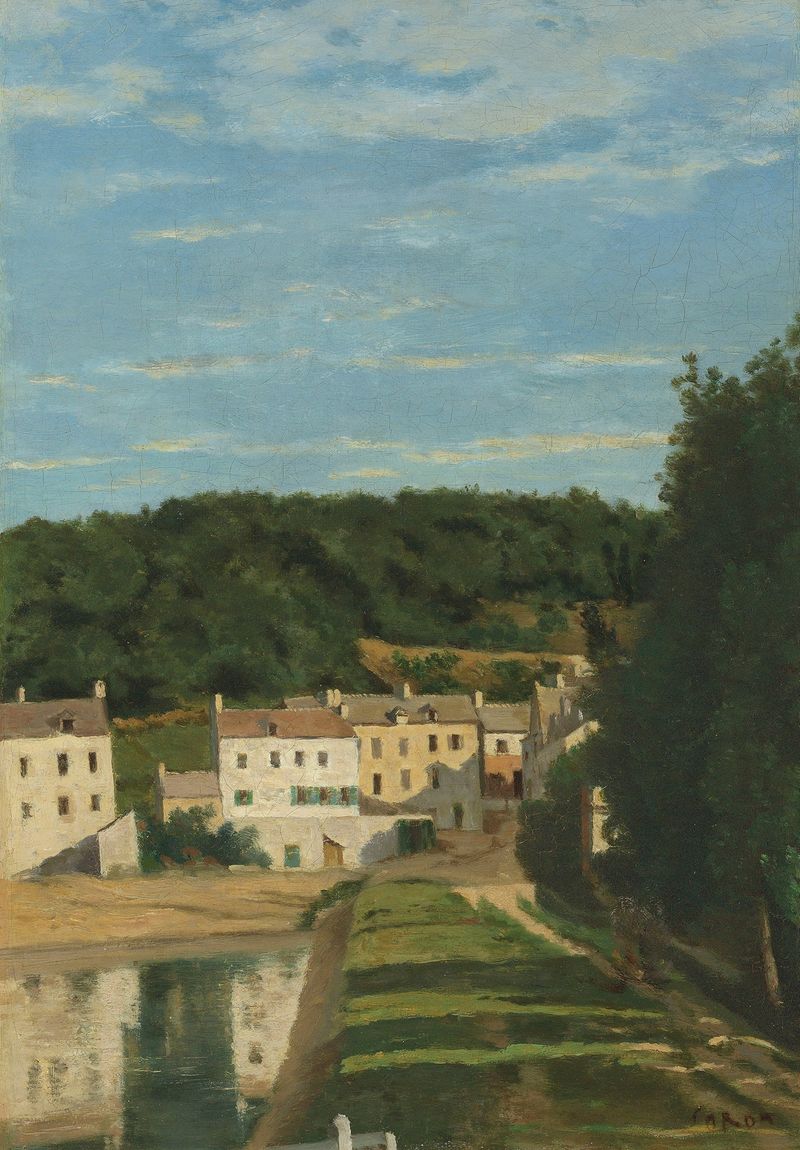
Les Maisons Cabassud À Ville D’avray
Jean-Baptiste-Camille Corot

La solitude. Souvenir de Vigen (Limousin)
Jean-Baptiste-Camille Corot
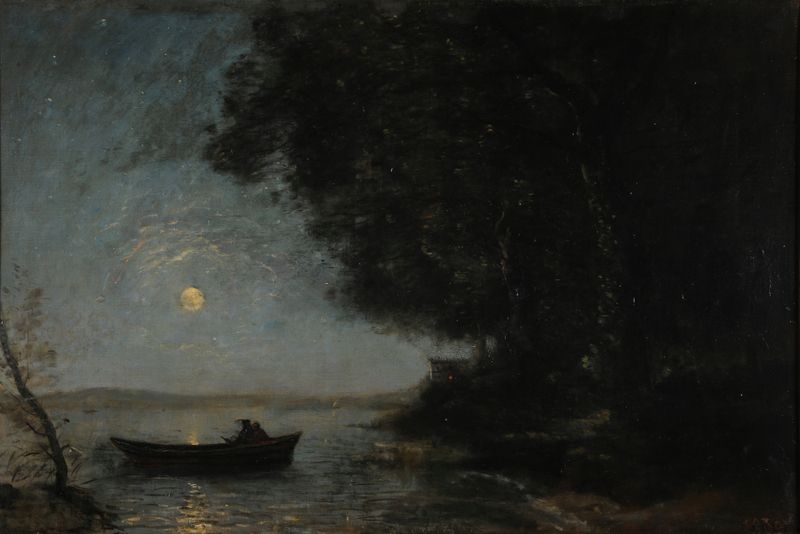
Le lac ; effet de nuit
Jean-Baptiste-Camille Corot
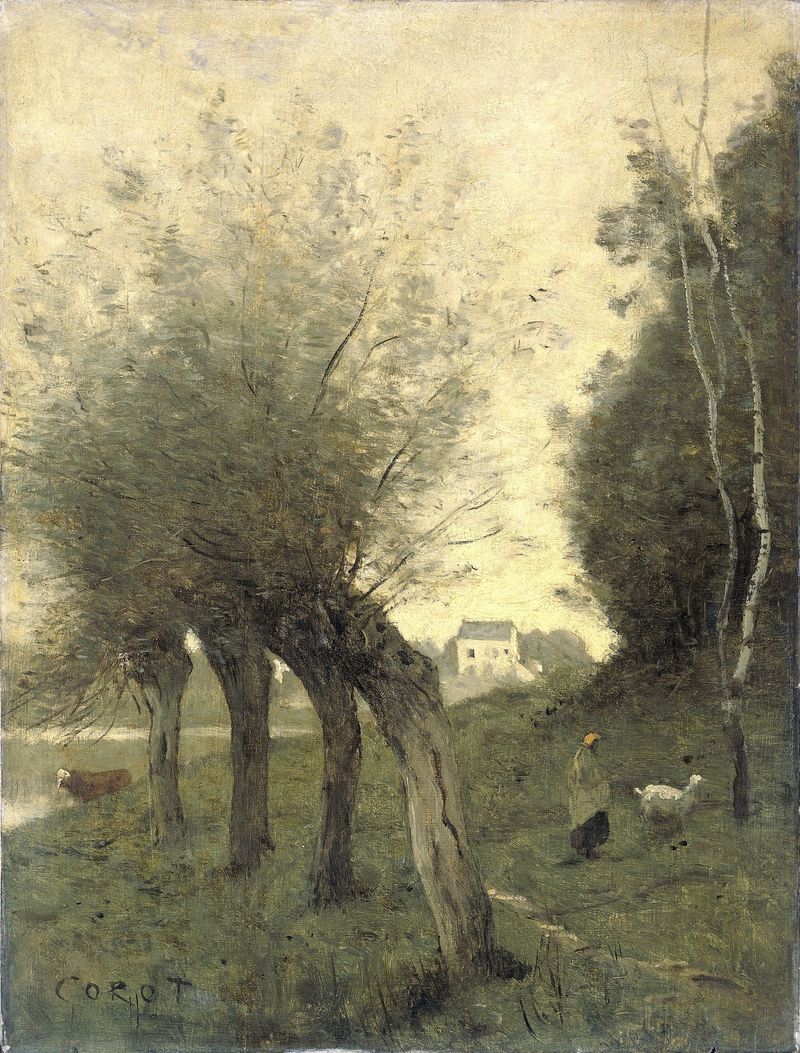
Landscape with Pollard Willows
Jean-Baptiste-Camille Corot
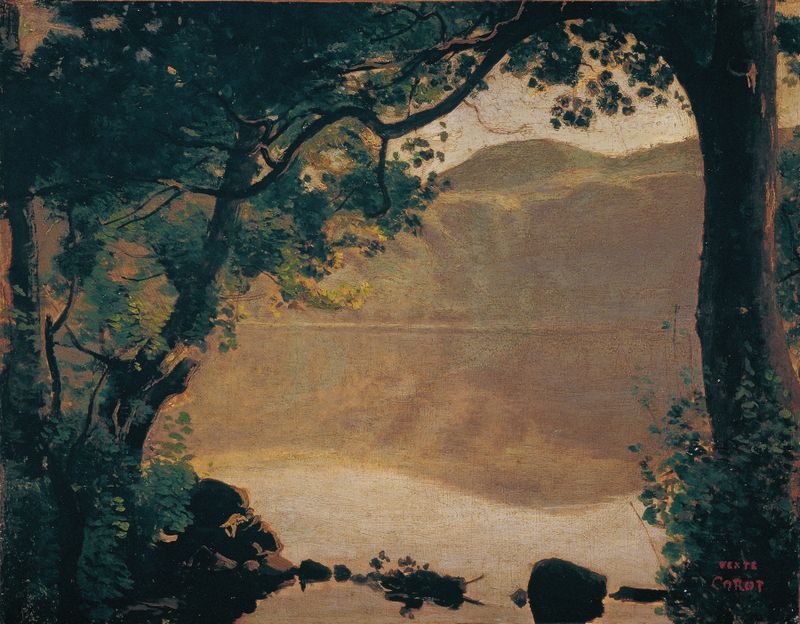
Der Nemisee
Jean-Baptiste-Camille Corot
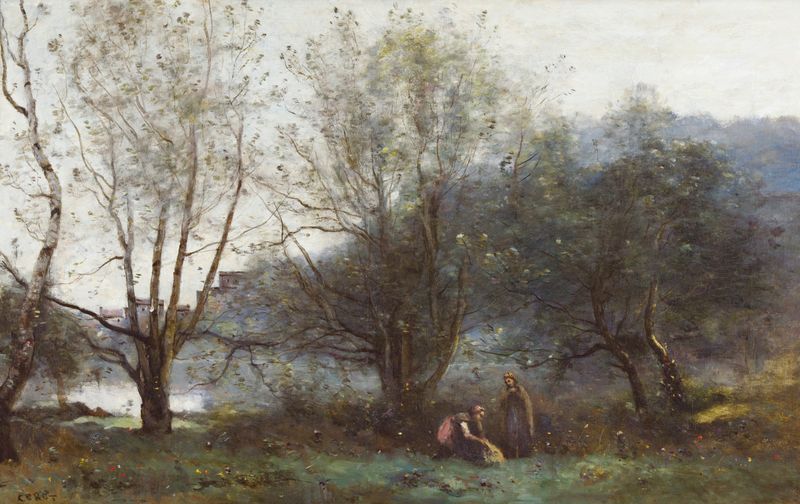
Les Étangs De Ville D’avray
Jean-Baptiste-Camille Corot
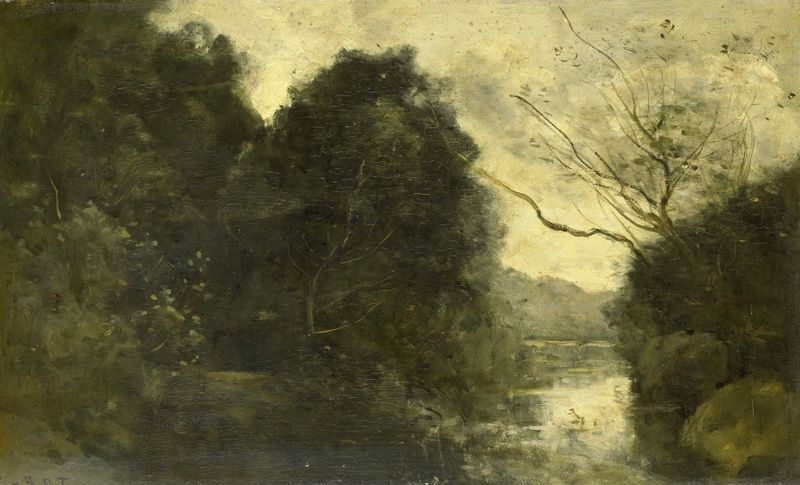
Pond in the Woods
Jean-Baptiste-Camille Corot
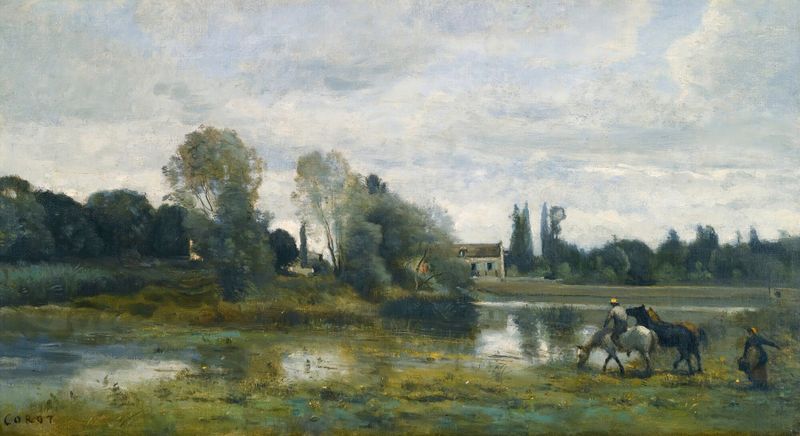
Ville D’avray; L’abreuvoir Des Chevaux
Jean-Baptiste-Camille Corot
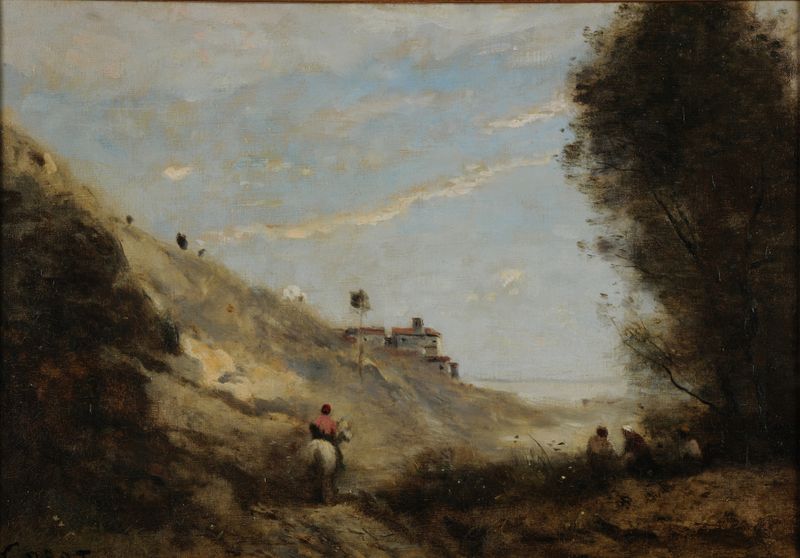
Le vallon au cavalier
Jean-Baptiste-Camille Corot





