
Broeksloot bij Voorburg — History & Facts
Could a single brushstroke hold eternity? In Broeksloot bij Voorburg, the emptiness captured in the landscape invites us to ponder the silence that stretches between colors and forms. Look closely at the delicate interplay of blues and greens that form the waterway at the center. Pay attention to the subtle variations in hue; they create a sense of movement, mirroring the gentle ripples on the surface. Notice how the horizon blurs into the sky, a seamless transition that draws the eye further into the distance.
The soft, wispy clouds seem to cradle the scene, adding depth and a hint of airiness to the composition. As you explore the edges, small details emerge—a solitary tree on the bank, the faint outline of distant hills. These elements, seemingly insignificant, contrast with the vast expanses of water and sky, evoking a feeling of loneliness within the tranquility. The expansive emptiness suggests both freedom and isolation, inviting viewers to reflect on their own place within the quiet landscape. Painted between 1888 and 1934, this work reflects Grondhout's response to the shifting tides of art during this period.
As a member of the Dutch Impressionist movement, he embraced the use of light and color to convey emotion. At the time, his techniques mirrored the greater exploration of landscape painting, as artists sought to capture the fleeting moments of nature’s beauty amidst an ever-changing world.
More Artworks by Willem Adrianus Grondhout
Browse all →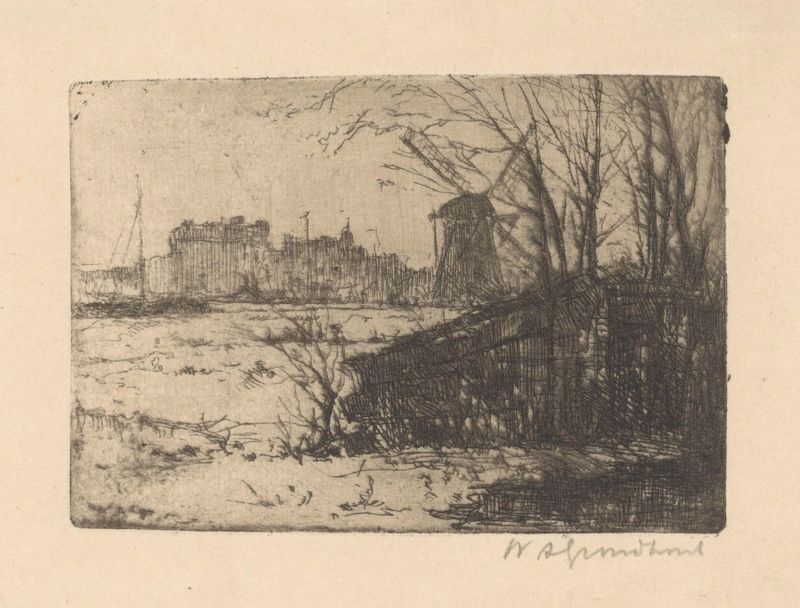
Landschap met molen in de Binckhorst in Den Haag
Willem Adrianus Grondhout
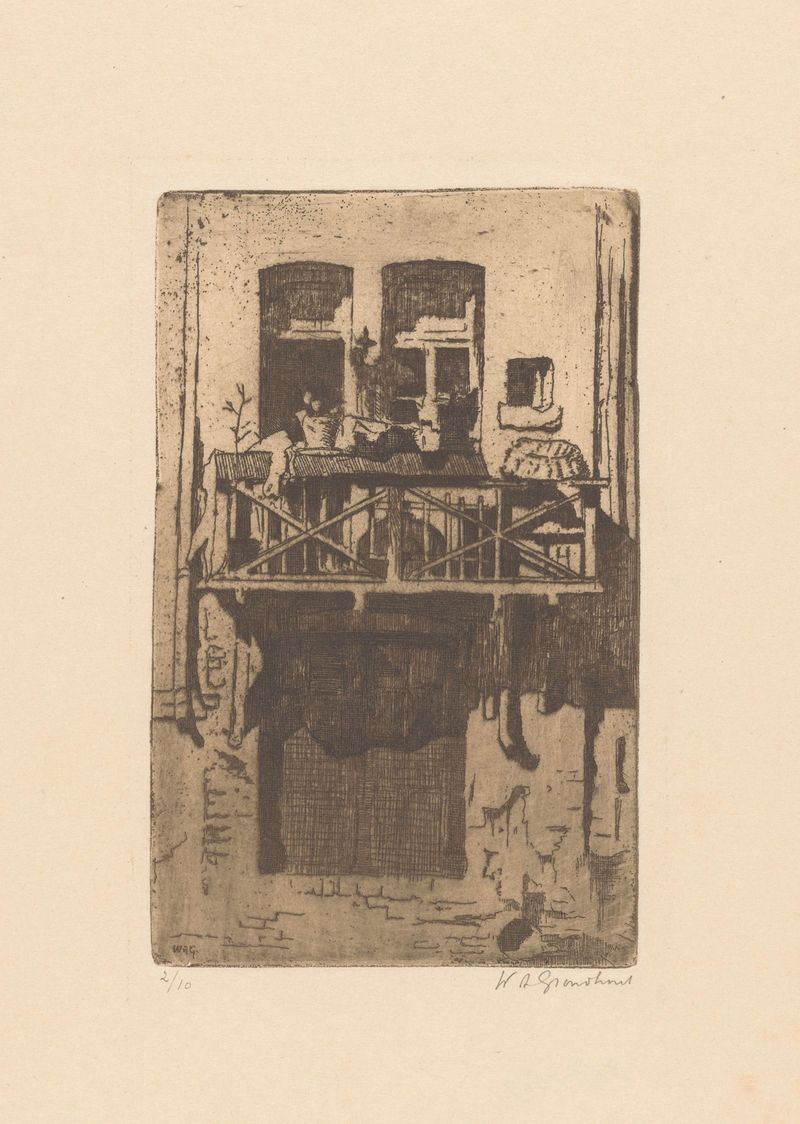
Balkon van een huis aan de Oudezijds Kolk in Amsterdam
Willem Adrianus Grondhout
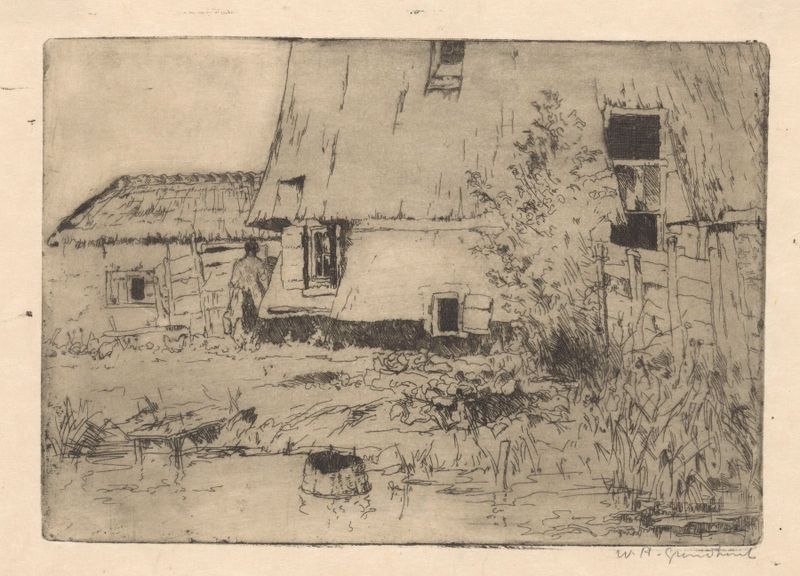
Voet van een molen in Voorburg
Willem Adrianus Grondhout
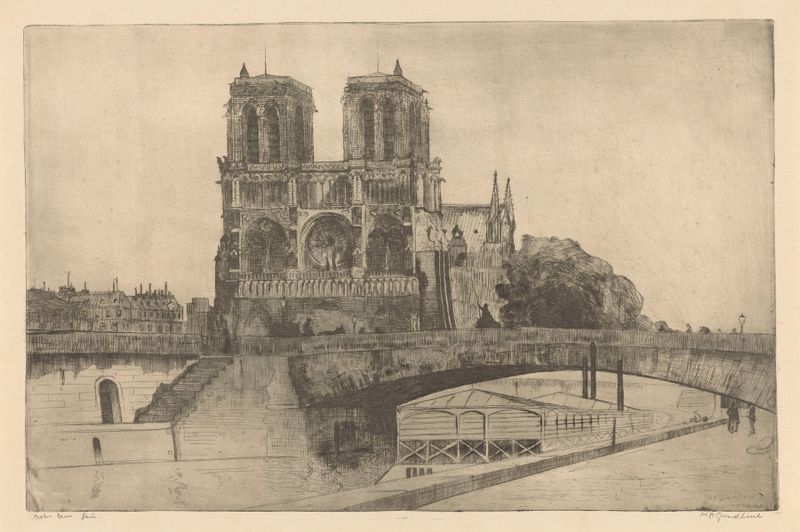
Notre-Dame, Paris
Willem Adrianus Grondhout
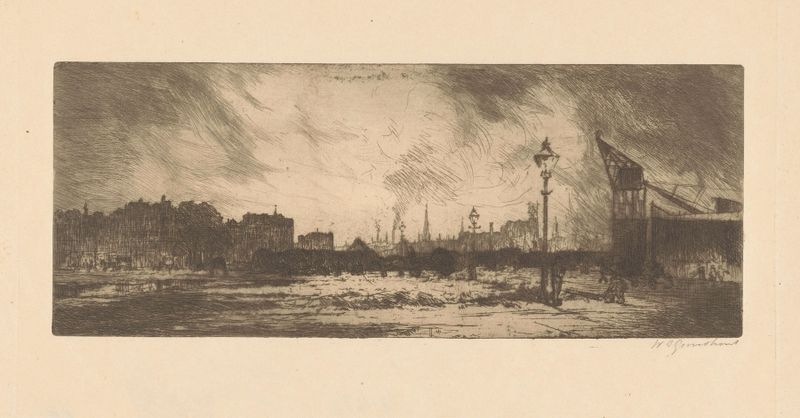
Havenkade met lantaarnpalen in Rotterdam
Willem Adrianus Grondhout
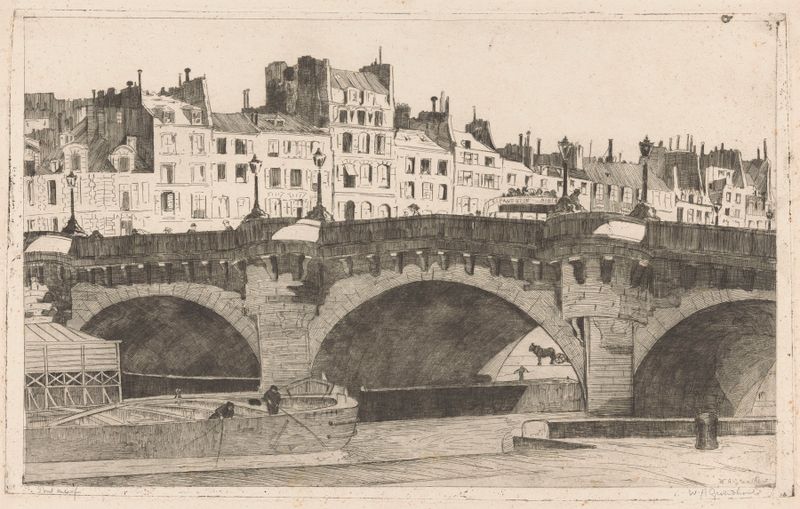
Pont Neuf
Willem Adrianus Grondhout
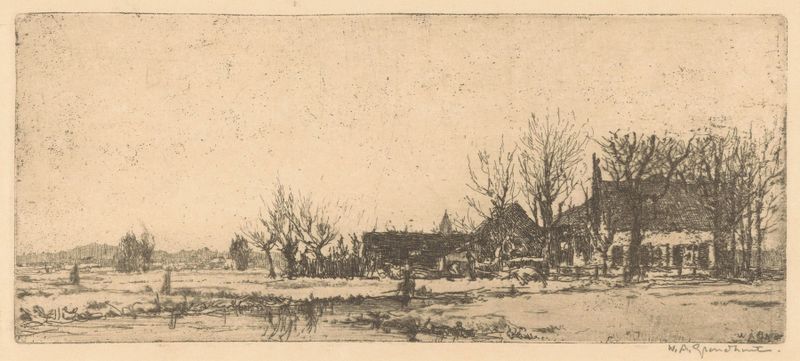
Boerderij bij Voorburg.
Willem Adrianus Grondhout
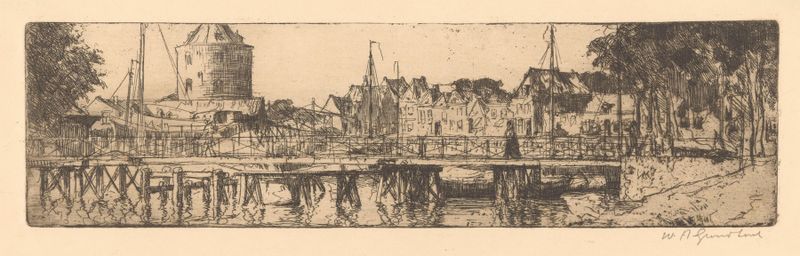
Enkhuizen
Willem Adrianus Grondhout
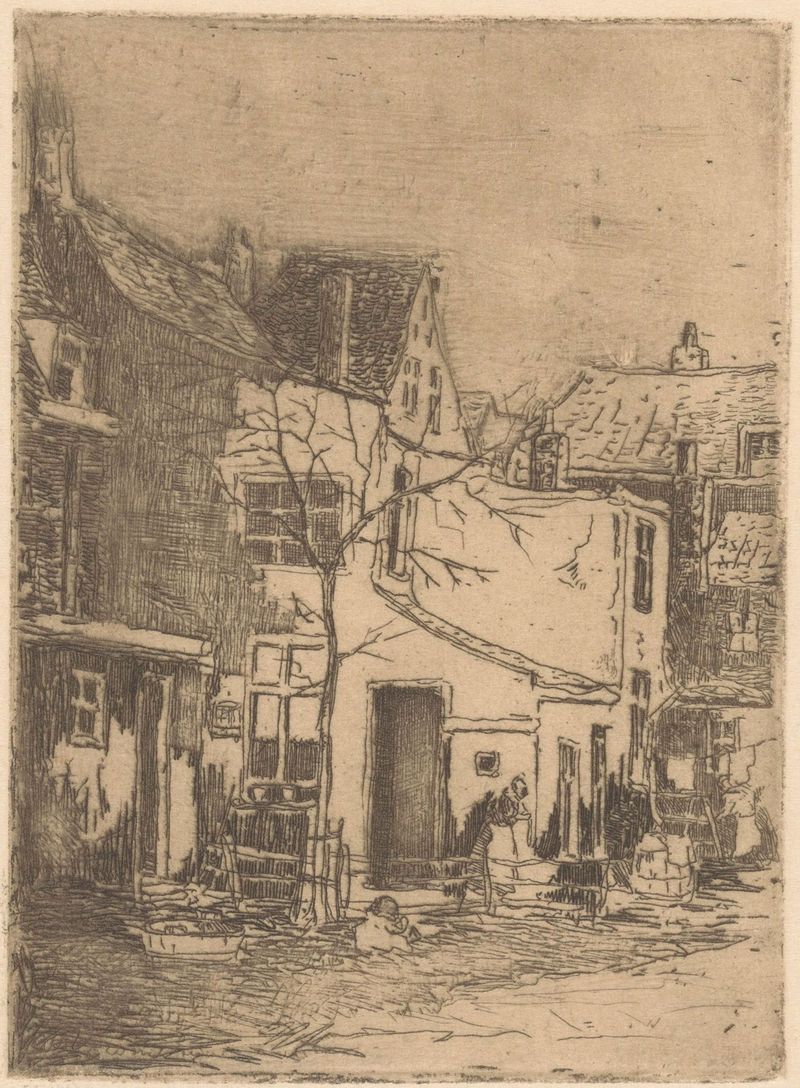
Huizen in Rijswijk
Willem Adrianus Grondhout
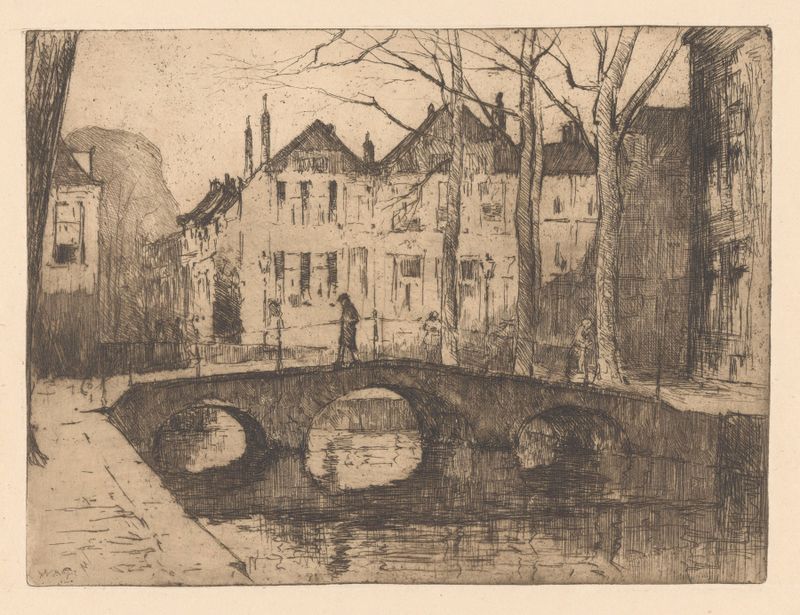
Smidswater in Den Haag
Willem Adrianus Grondhout





