
Notre-Dame, Paris — History & Facts
What secret hides in the quiet of the canvas? A moment suspended between reality and reverie, where the ethereal meets the architectural. Look to the left at the intricate façade of the cathedral, its stonework bathed in soft, golden light that almost pulses with life. The artist’s brushstrokes reveal a meticulous attention to detail, fusing the monumental with the intimate. Notice how the shadows dance beneath the arches, inviting the viewer’s eye to wander into the recesses of the structure, while hints of blue and violet in the sky evoke a dreamlike quality, as if time itself has paused in contemplation. Within this artwork, emotional tensions arise from the contrast between the soaring spires and the tranquil surroundings.
The cathedral stands resolute, yet the quiet streets below seem untouched by the passage of time, creating an ambiance of solitude and reverence. Small figures dot the scene, their gestures capturing a moment of reflection, suggesting both a physical and spiritual journey toward the sacred. This juxtaposition offers profound commentary on the relationship between humanity and its monumental creations. During the years 1888 to 1934, Grondhout painted this captivating vision, a period of remarkable transformation in both Paris and the art world.
As modernism began to challenge traditional forms, he sought to capture the essence of the beloved city in a way that connected the past with new artistic ideals. The world was evolving, yet the grandeur of Notre-Dame remained a timeless symbol of faith and beauty, inspiring both artist and viewer alike.
More Artworks by Willem Adrianus Grondhout
Browse all →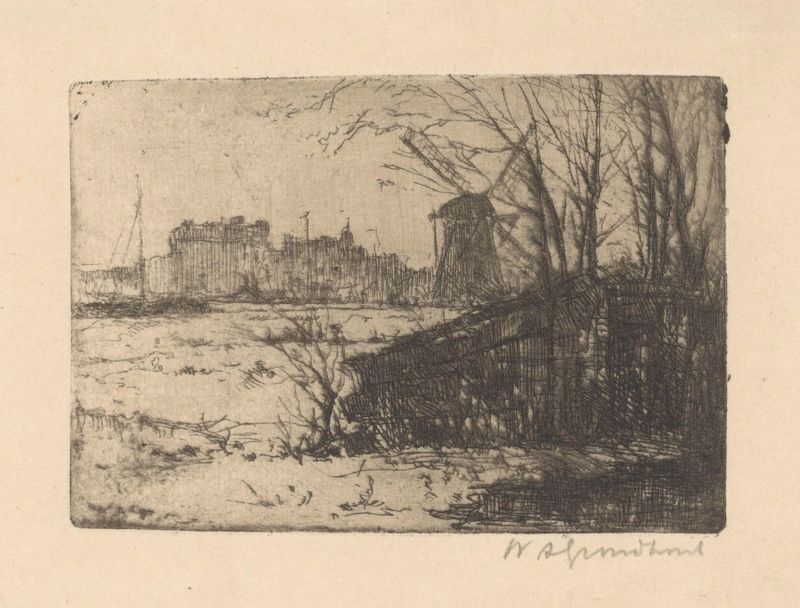
Landschap met molen in de Binckhorst in Den Haag
Willem Adrianus Grondhout
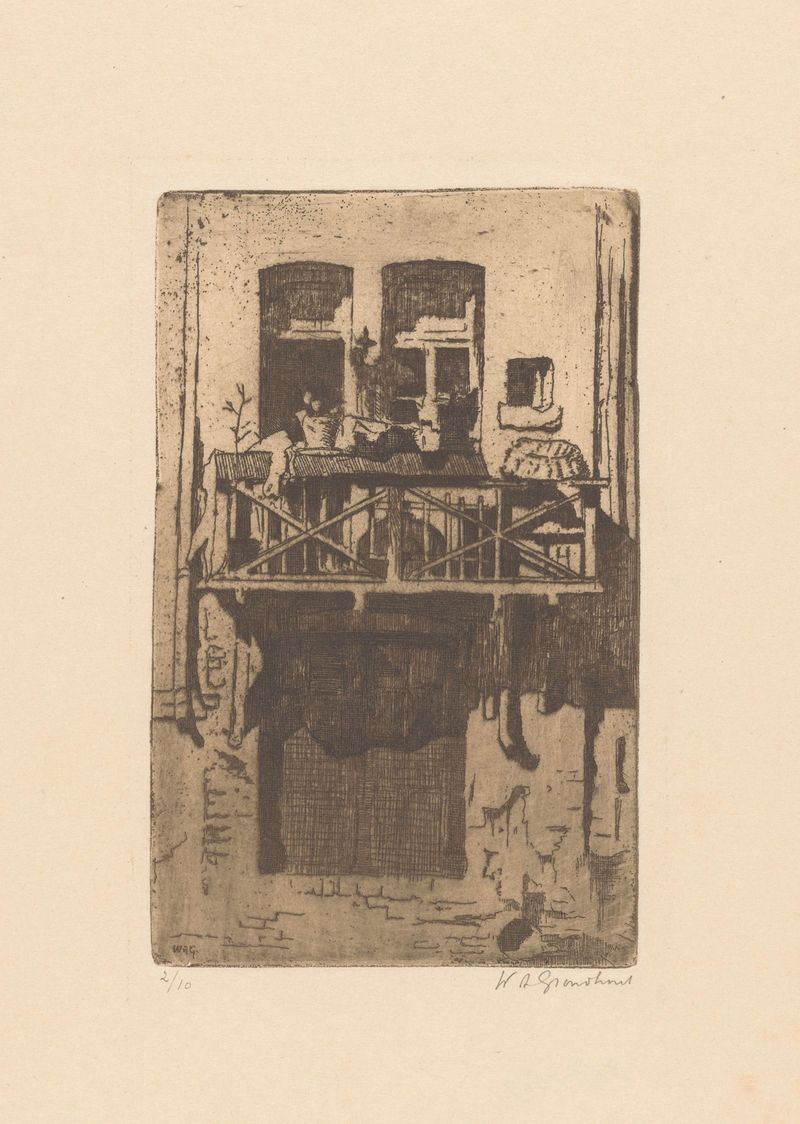
Balkon van een huis aan de Oudezijds Kolk in Amsterdam
Willem Adrianus Grondhout
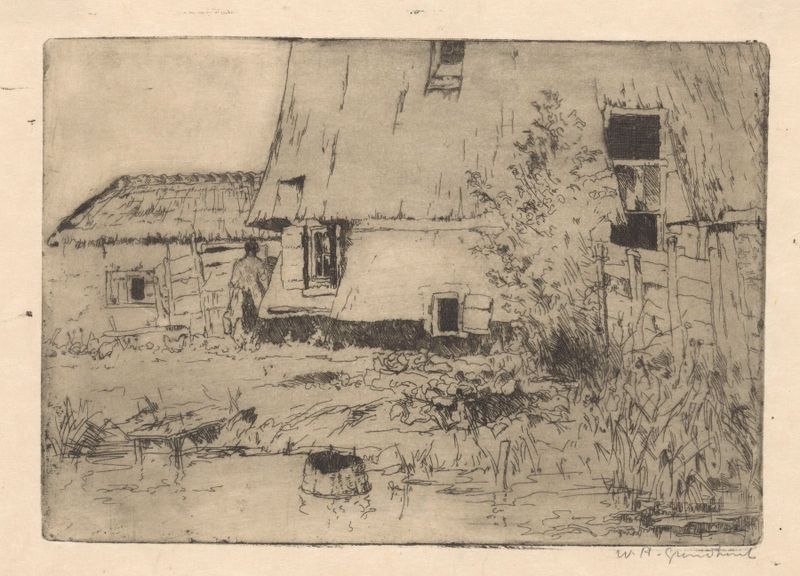
Voet van een molen in Voorburg
Willem Adrianus Grondhout
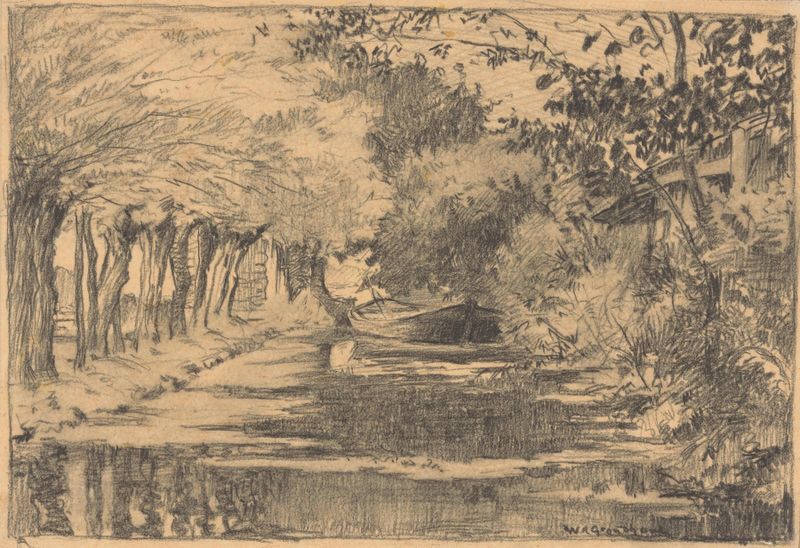
Broeksloot bij Voorburg
Willem Adrianus Grondhout
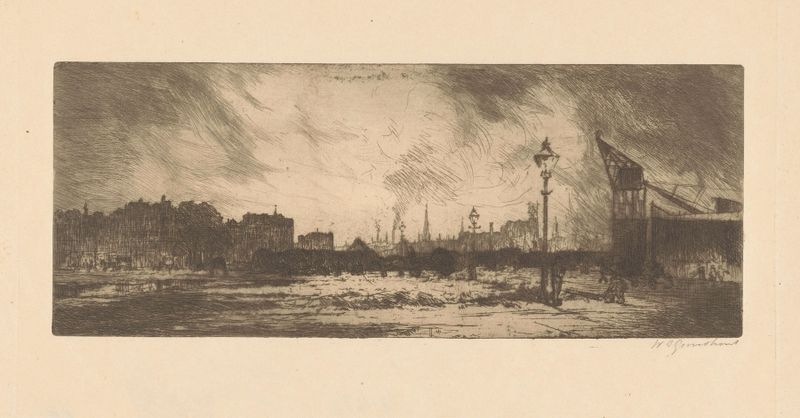
Havenkade met lantaarnpalen in Rotterdam
Willem Adrianus Grondhout
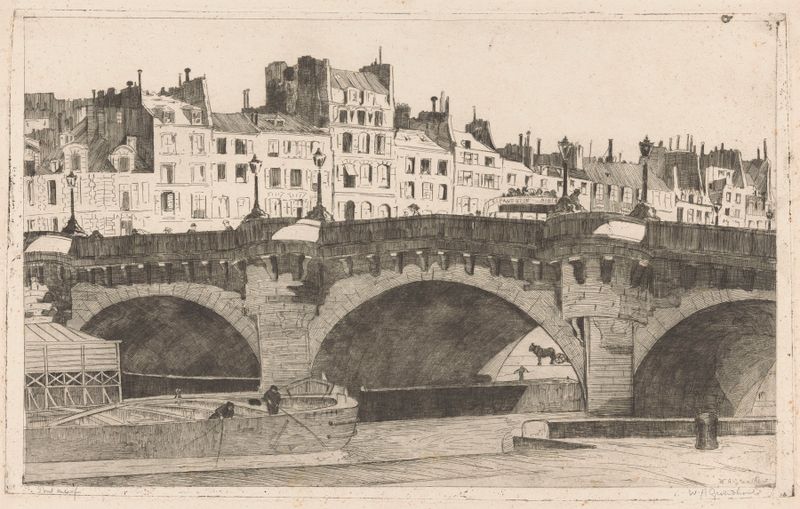
Pont Neuf
Willem Adrianus Grondhout
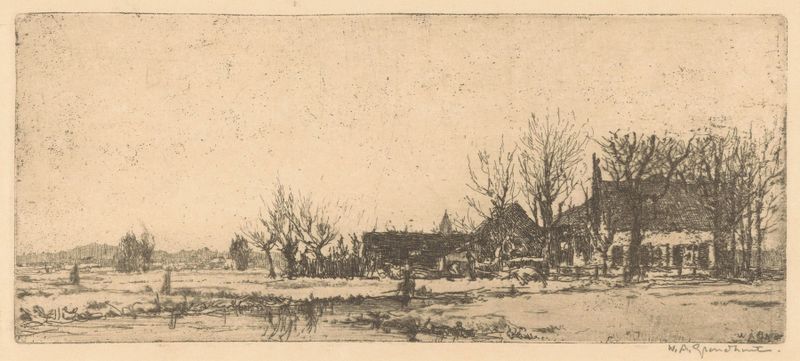
Boerderij bij Voorburg.
Willem Adrianus Grondhout
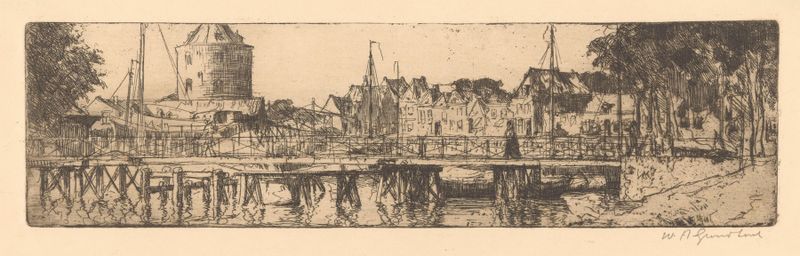
Enkhuizen
Willem Adrianus Grondhout
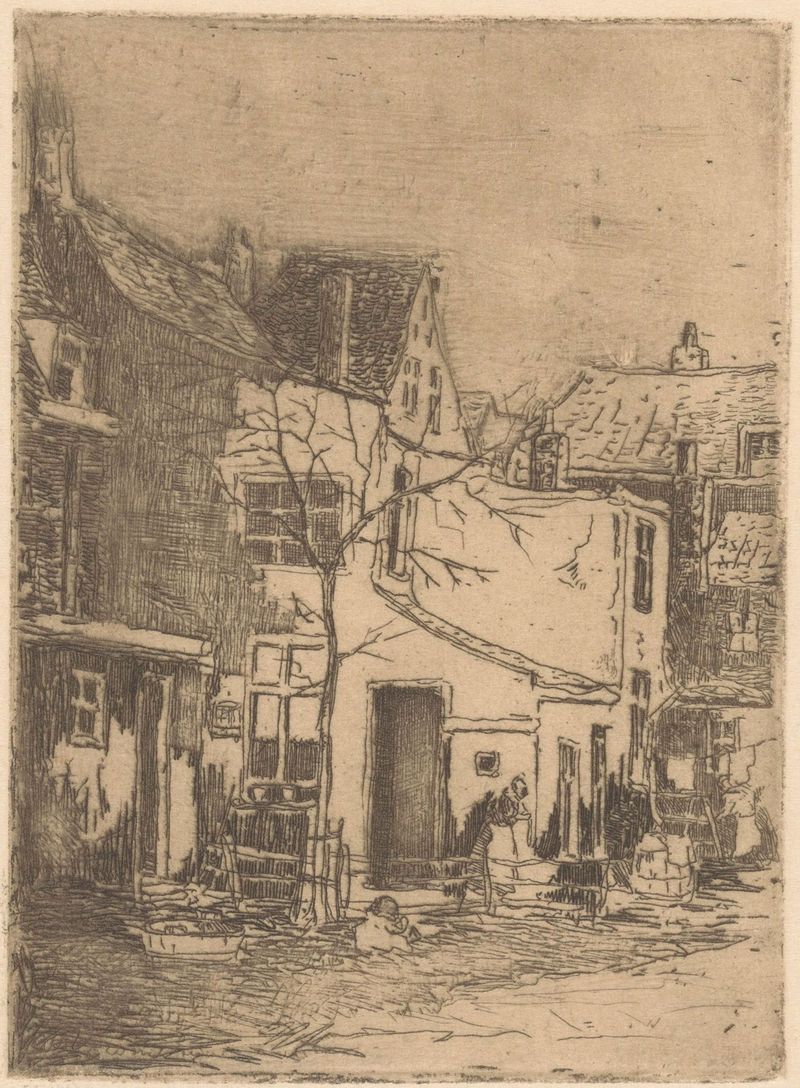
Huizen in Rijswijk
Willem Adrianus Grondhout
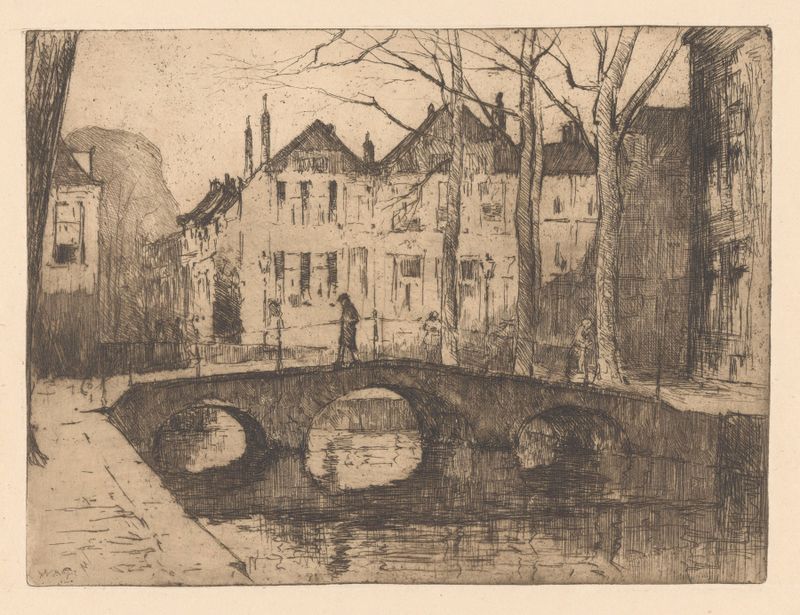
Smidswater in Den Haag
Willem Adrianus Grondhout
More Architecture Art
Browse all →
The statue of Liberty
Frédéric Auguste Bartholdi

View of Houses in Delft, Known as ‘The Little Street’
Johannes Vermeer

View of Houses in Delft, Known as ‘The Little Street’
Johannes Vermeer

The Cathedral in Rouen. The portal, Grey Weather
Claude Monet

The yellow house
Vincent van Gogh

The Church in Auvers-sur-Oise, View from the Chevet
Vincent van Gogh