
Voet van een molen in Voorburg — History & Facts
In the stillness of the painted world, a moment of balance unfolds, inviting contemplation and connection with the essence of existence. Look to the lower left, where the sturdy base of the windmill stands resolute against a backdrop of cloud-streaked blue skies. Notice how the earthy tones of the structure blend harmoniously with the surrounding landscape, creating a sense of unity. The brushwork is deft and deliberate, capturing both the solidity of the mill and the whispering embrace of the nearby grass.
A gentle interplay of light and shadow breathes life into the scene, revealing the artist’s keen eye for detail and compositional mastery. Within this tranquil setting, a tension emerges between the manmade and the natural, hinting at the delicate balance humanity must maintain with the world. The windmill, a symbol of industriousness, stands in contrast to the serene beauty of the landscape, suggesting a dialogue between progress and tranquility. Small elements, such as the fluttering leaves and the softly billowing clouds, further emphasize this harmony, inviting viewers to reflect on the intricate relationship between human endeavor and the environment. Willem Adrianus Grondhout created this work during a period of transformation in Dutch art, navigating the space between tradition and modernity.
Painted between 1888 and 1934, his focus on regional subjects and landscapes mirrored the growing interest in capturing local life. As the art world grappled with new movements, Grondhout's dedication to representational art served as a bridge, preserving the essence of a changing society while enriching the narrative of his time.
More Artworks by Willem Adrianus Grondhout
Browse all →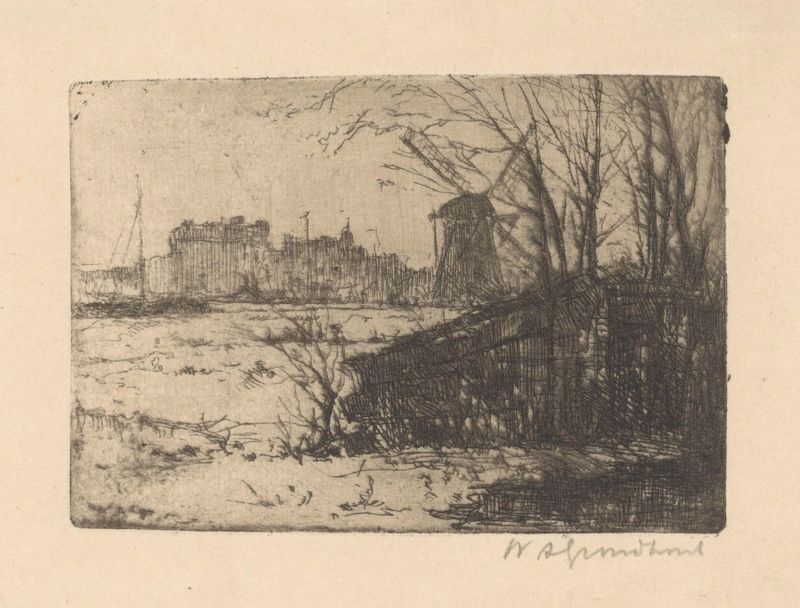
Landschap met molen in de Binckhorst in Den Haag
Willem Adrianus Grondhout
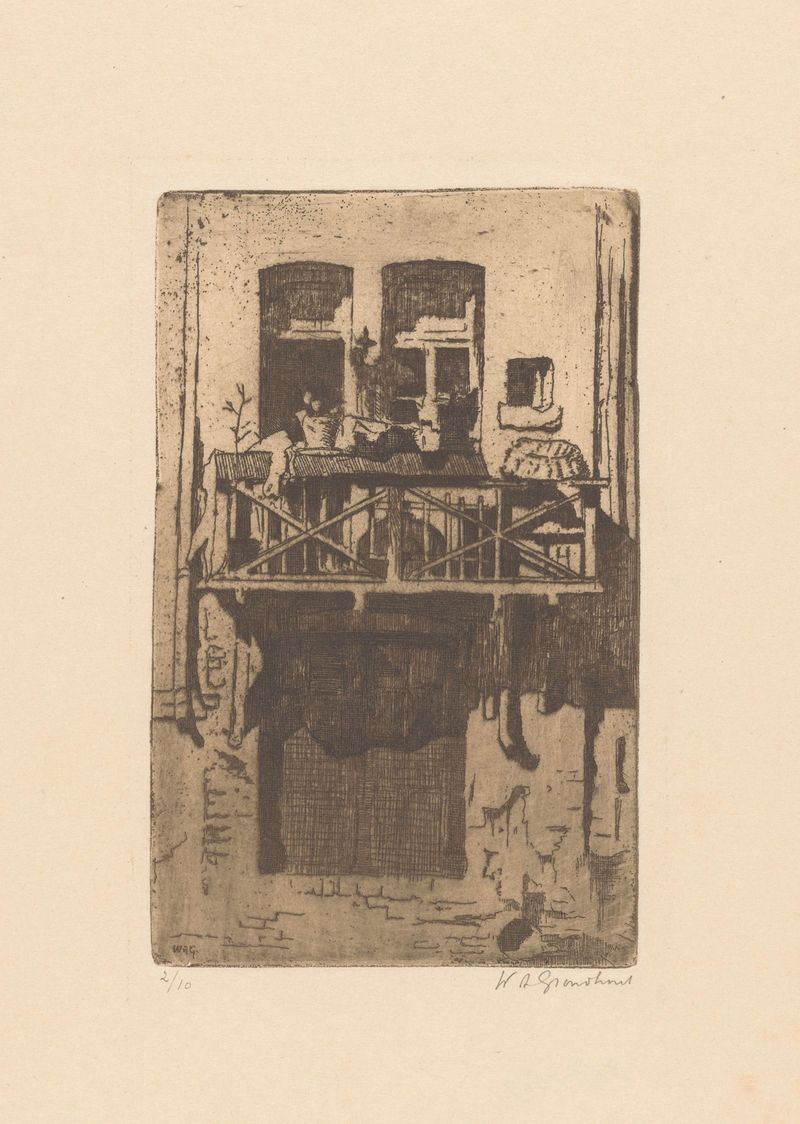
Balkon van een huis aan de Oudezijds Kolk in Amsterdam
Willem Adrianus Grondhout
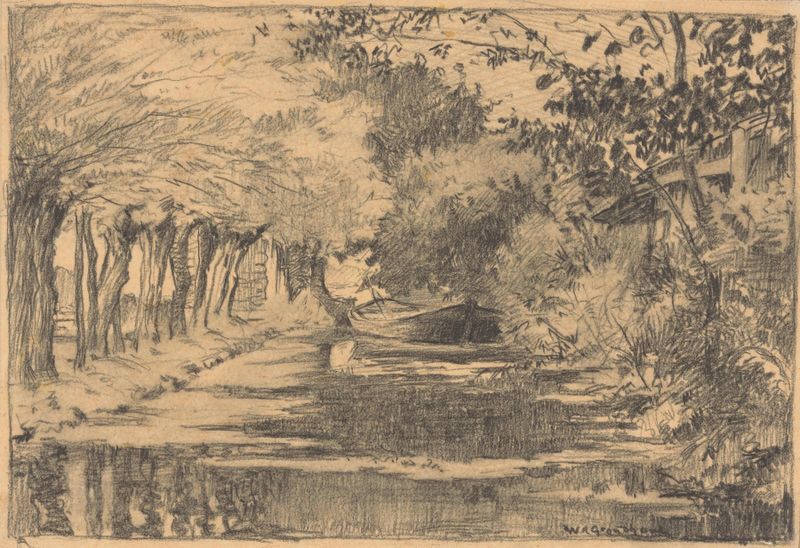
Broeksloot bij Voorburg
Willem Adrianus Grondhout
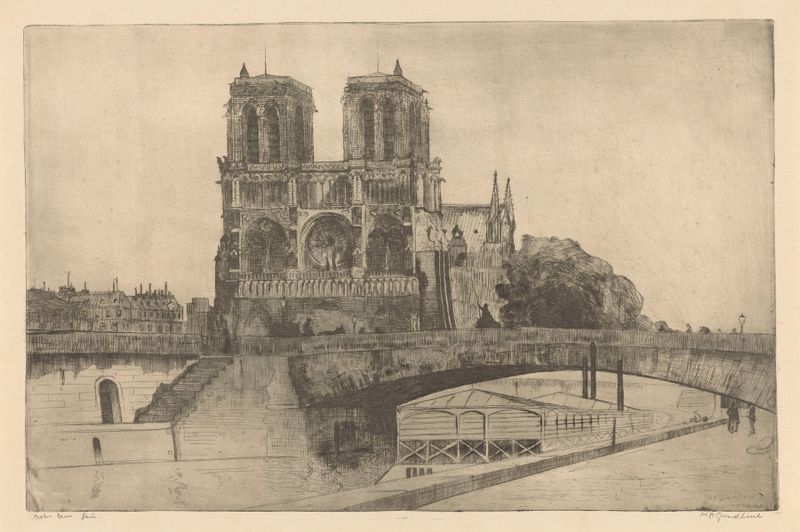
Notre-Dame, Paris
Willem Adrianus Grondhout
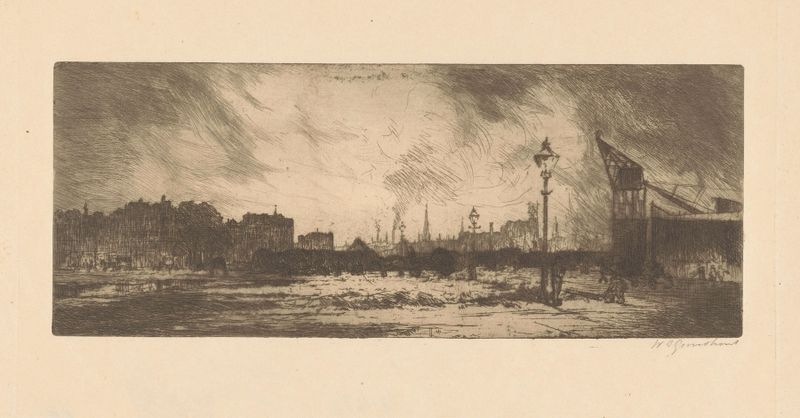
Havenkade met lantaarnpalen in Rotterdam
Willem Adrianus Grondhout
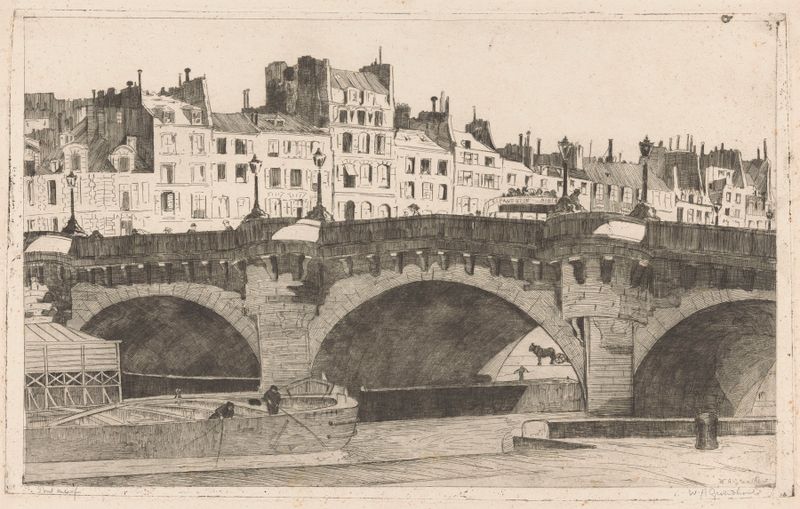
Pont Neuf
Willem Adrianus Grondhout
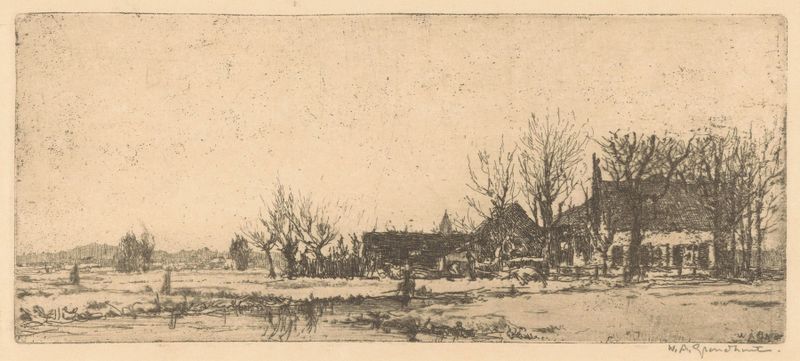
Boerderij bij Voorburg.
Willem Adrianus Grondhout
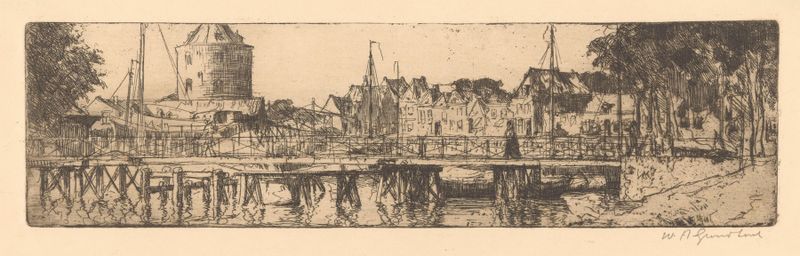
Enkhuizen
Willem Adrianus Grondhout
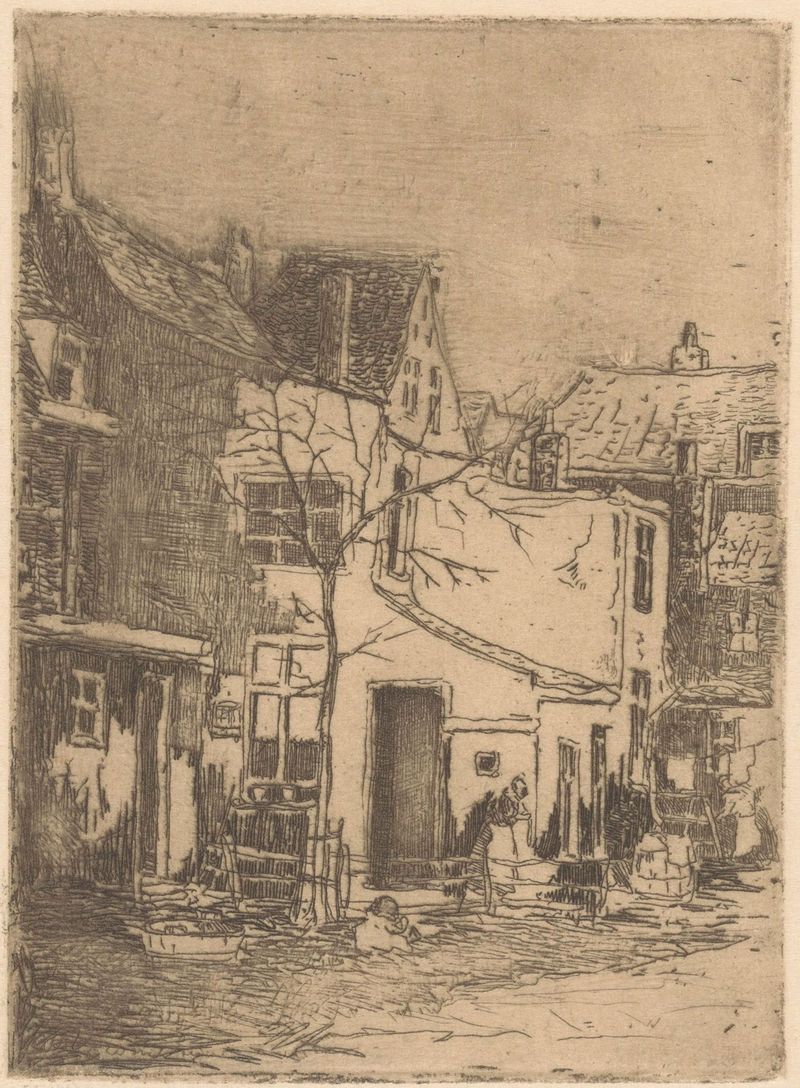
Huizen in Rijswijk
Willem Adrianus Grondhout
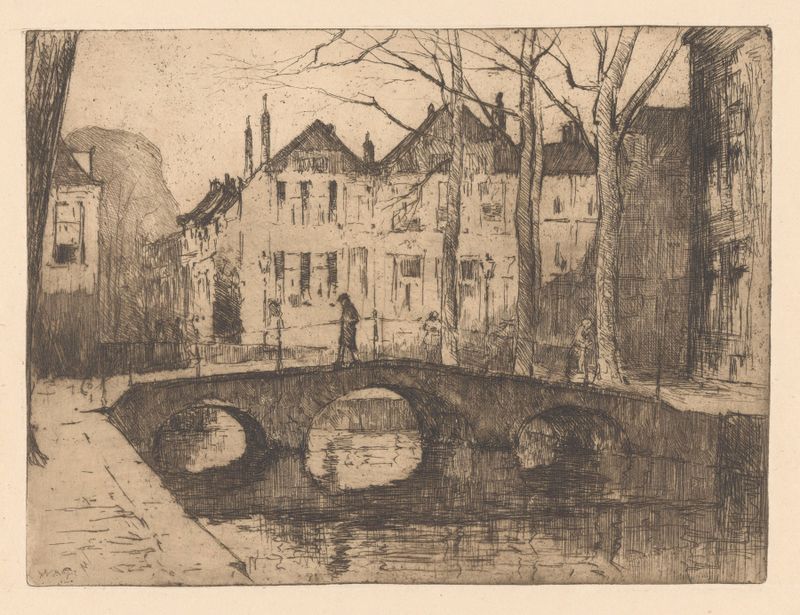
Smidswater in Den Haag
Willem Adrianus Grondhout





