
Enkhuizen — History & Facts
Within the stillness of its surface, a world of innocence and simplicity breathes, beckoning the viewer to pause and reflect. Look to the left at the gentle curve of the shoreline, where muted earth tones blend seamlessly into the soft blues of a tranquil sky. The brushwork captures not just the physical landscape of Enkhuizen, but an emotional resonance — the strokes are fluid and warm, evoking a sense of nostalgia. The composition’s balance invites the eye to wander, creating a harmonious dialogue between land and water, suggesting that what lies beneath the surface is as significant as what meets the gaze. Hidden tensions in this composition reveal layers of meaning.
The serene waters reflect not only the sky but also the unspoken memories of the viewer, inviting contemplation of life’s transience. The subtle play of light and shadow across the boats hints at stories untold — the innocent joys of daily life mingled with the passage of time. Each element, from the delicate ripples to the distant horizon, becomes a metaphor for fleeting moments that shape our understanding of innocence. Willem Adrianus Grondhout created Enkhuizen between 1888 and 1934, during a period marked by personal exploration and artistic evolution.
Living in the Netherlands, he was influenced by the rich heritage of Dutch landscape painting while also absorbing elements of modernism emerging across Europe. This painting reflects a pivotal moment in his life, as he sought to capture the essence of a place imbued with memories, all while navigating the broader artistic movements that defined his era.
More Artworks by Willem Adrianus Grondhout
Browse all →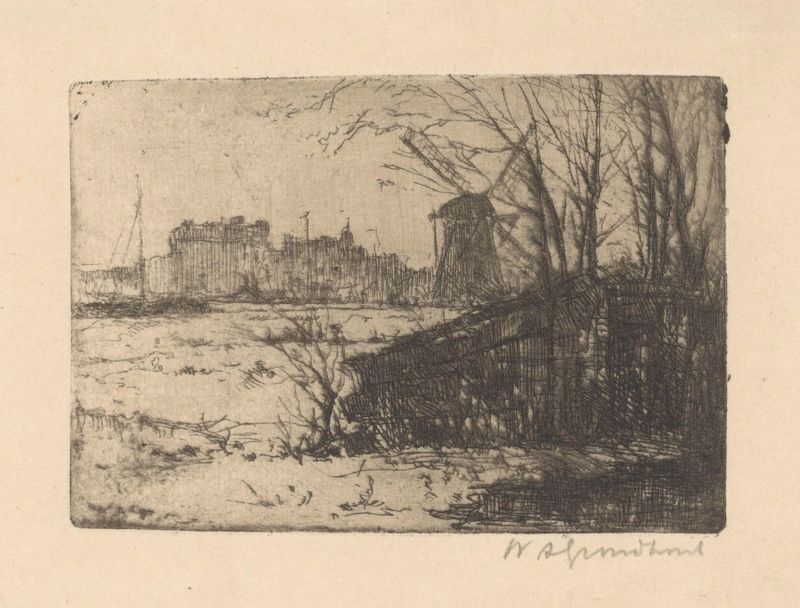
Landschap met molen in de Binckhorst in Den Haag
Willem Adrianus Grondhout
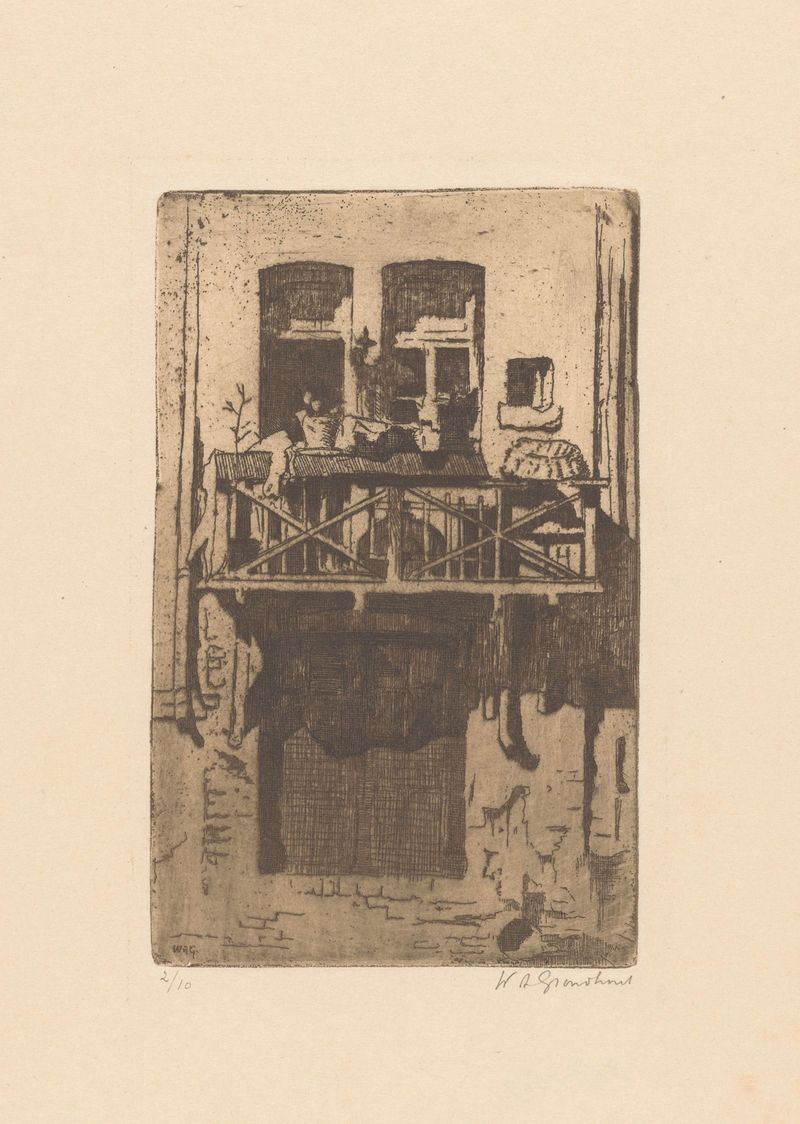
Balkon van een huis aan de Oudezijds Kolk in Amsterdam
Willem Adrianus Grondhout
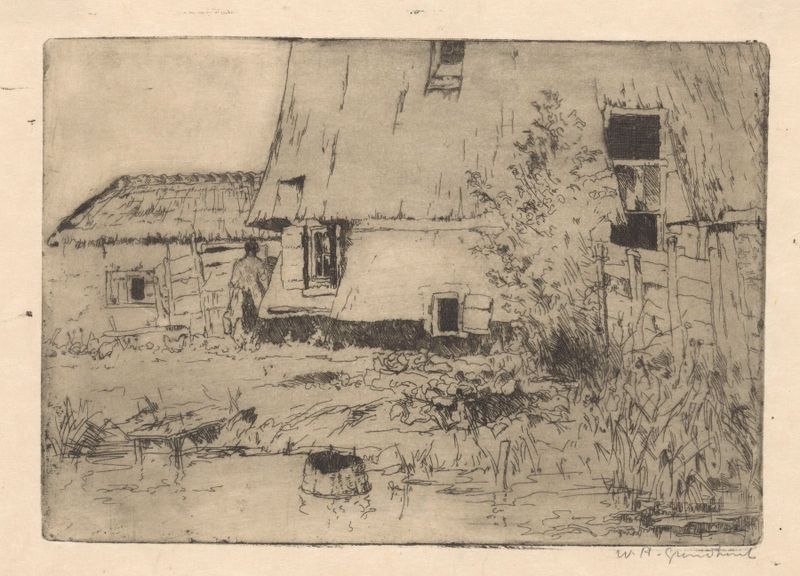
Voet van een molen in Voorburg
Willem Adrianus Grondhout
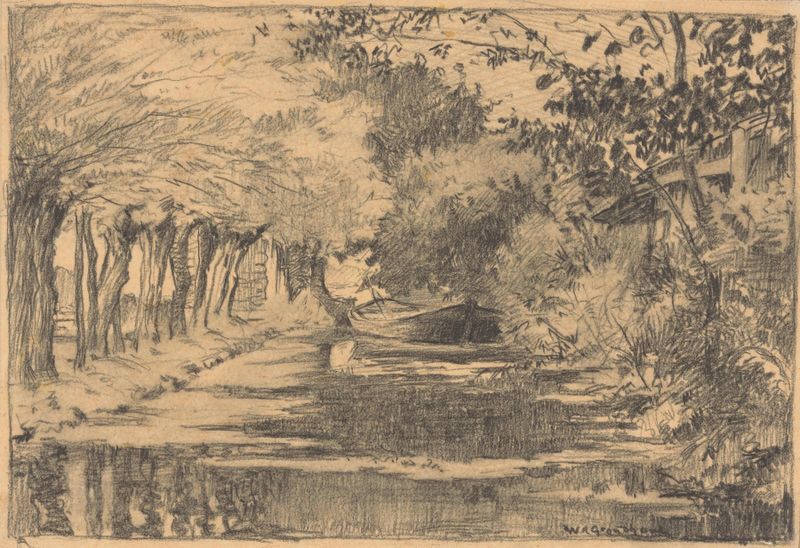
Broeksloot bij Voorburg
Willem Adrianus Grondhout
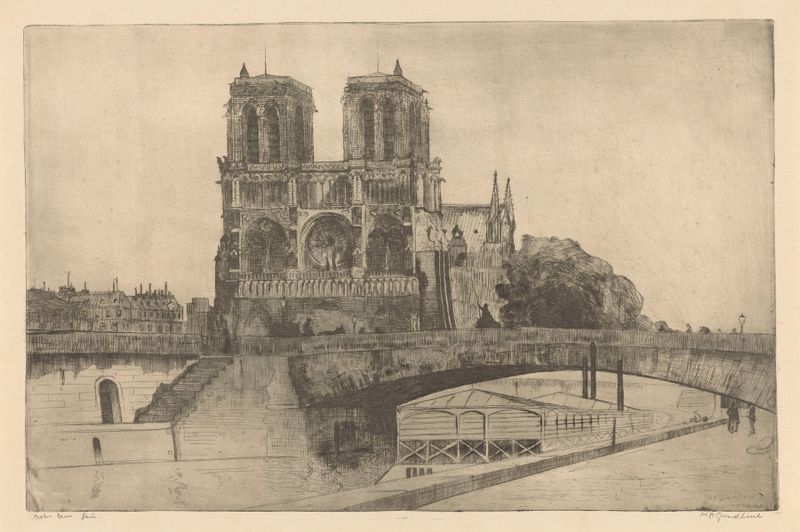
Notre-Dame, Paris
Willem Adrianus Grondhout
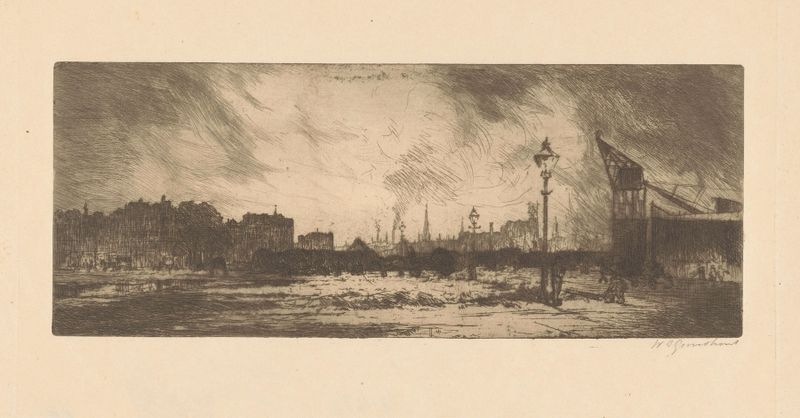
Havenkade met lantaarnpalen in Rotterdam
Willem Adrianus Grondhout
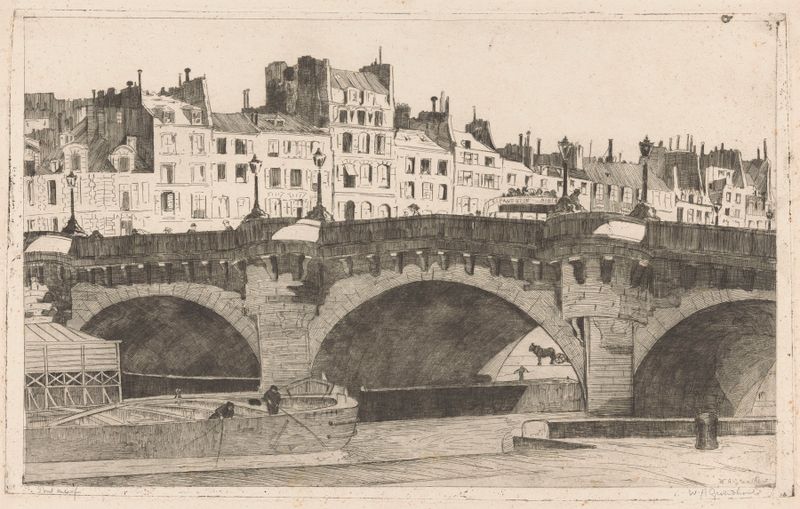
Pont Neuf
Willem Adrianus Grondhout
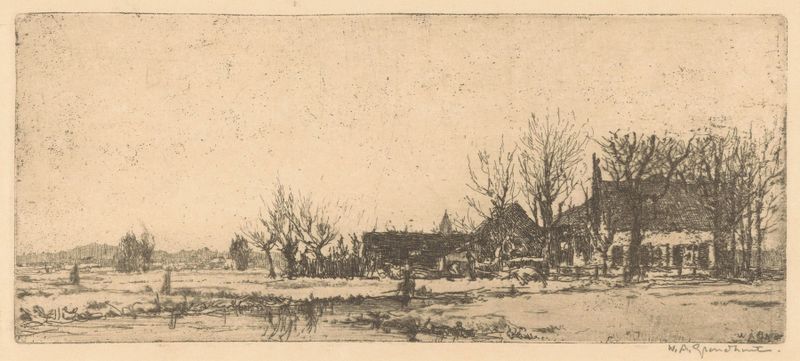
Boerderij bij Voorburg.
Willem Adrianus Grondhout
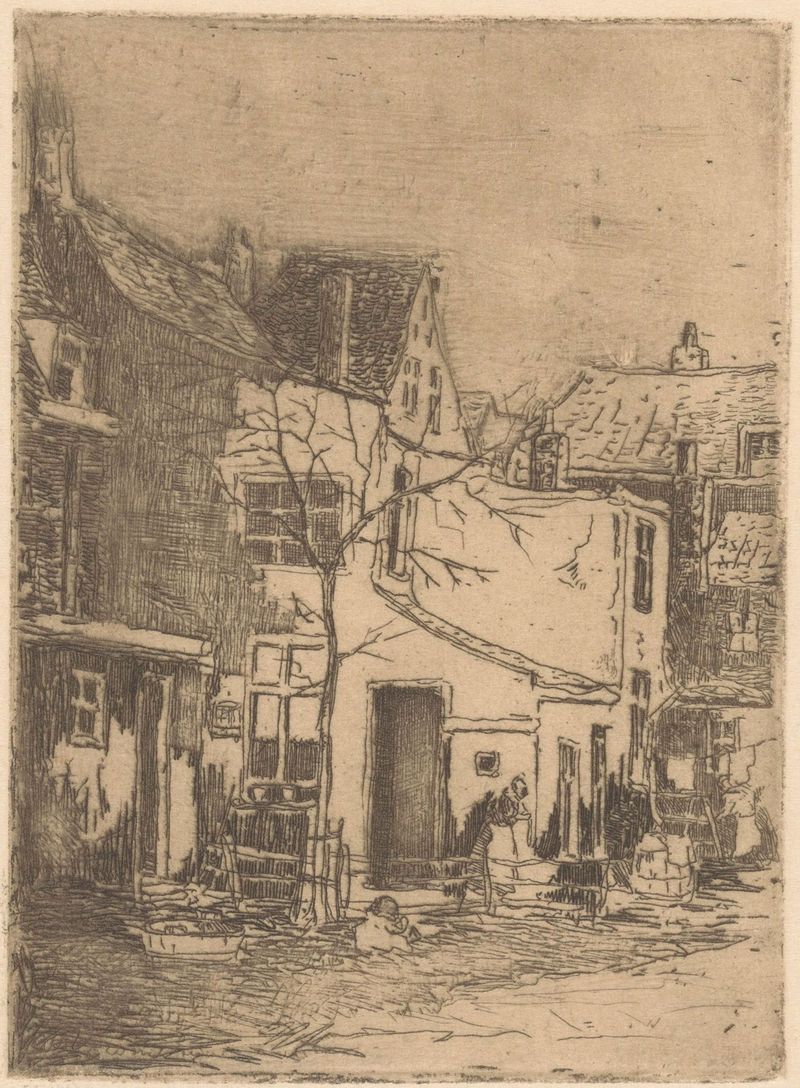
Huizen in Rijswijk
Willem Adrianus Grondhout
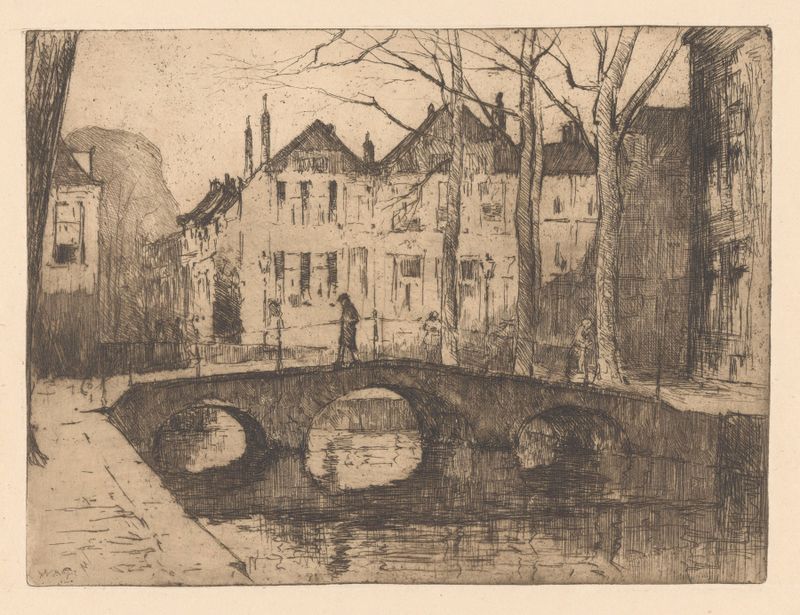
Smidswater in Den Haag
Willem Adrianus Grondhout





