
Brooke House, Hackney, London; Dr Monro’s private Asylum — History & Facts
What if silence could speak through light? In Brooke House, Hackney, London; Dr Monro’s private Asylum, it does, whispering the unspoken stories of time and place through Turner’s masterful brushwork. Look to the center of the canvas, where the facade of Brooke House rises—a solemn structure that seems to absorb the surrounding light. The muted colors of the building contrast with the vibrant hues of the sky, where soft yellows and blues intermingle, suggesting a dawning tranquility amidst an undercurrent of mental unrest. Notice how the interplay of shadows and light not only defines the architecture but also evokes a sense of foreboding, inviting viewers to ponder the lives contained within. Turner interacts with contrasts, the calmness of the radiant sky belying the activities within the asylum’s walls.
This duality captures the tension between the serene external world and the tumultuous lives of its inhabitants. Additionally, the flowing clouds and the hint of movement in the trees evoke the passage of time, as if the landscape itself bears witness to the history of suffering and healing that unfolded here. In 1794, when this piece was created, Turner was emerging as a prominent figure in British art, navigating the tensions between Romanticism and emerging modernity. The late 18th century also witnessed shifts in mental health treatment, with asylums becoming both refuge and confinement.
This context frames the painting as not just a visual representation but as a reflection on society’s evolving understanding of the human mind.
More Artworks by Joseph Mallord William Turner
Browse all →
Dort or Dordrecht- The Dort Packet-Boat from Rotterdam Becalmed
Joseph Mallord William Turner
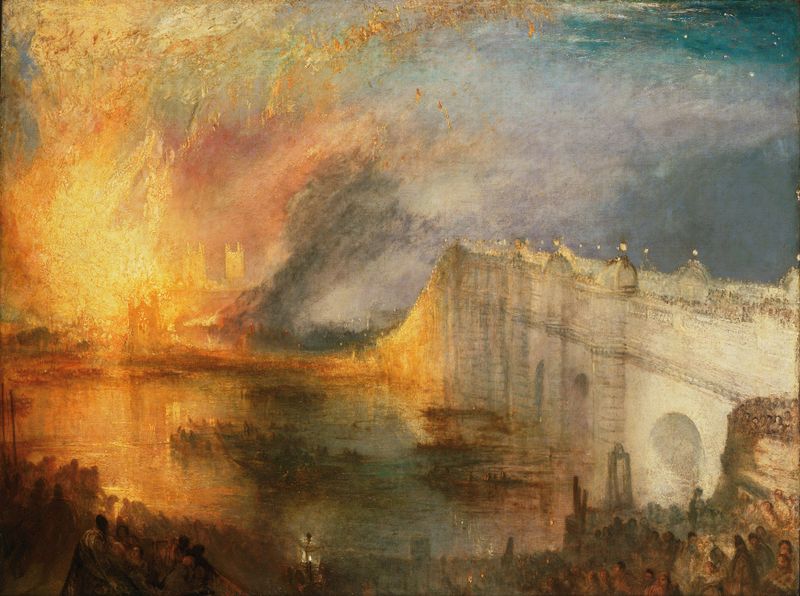
The Burning of the Houses of Lords and Commons, October 16, 1834
Joseph Mallord William Turner
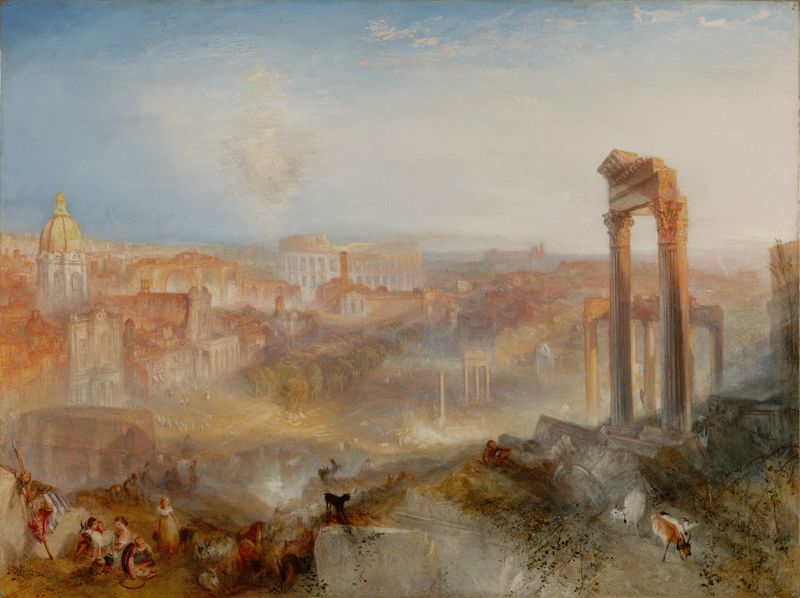
Modern Rome – Campo Vaccino
Joseph Mallord William Turner
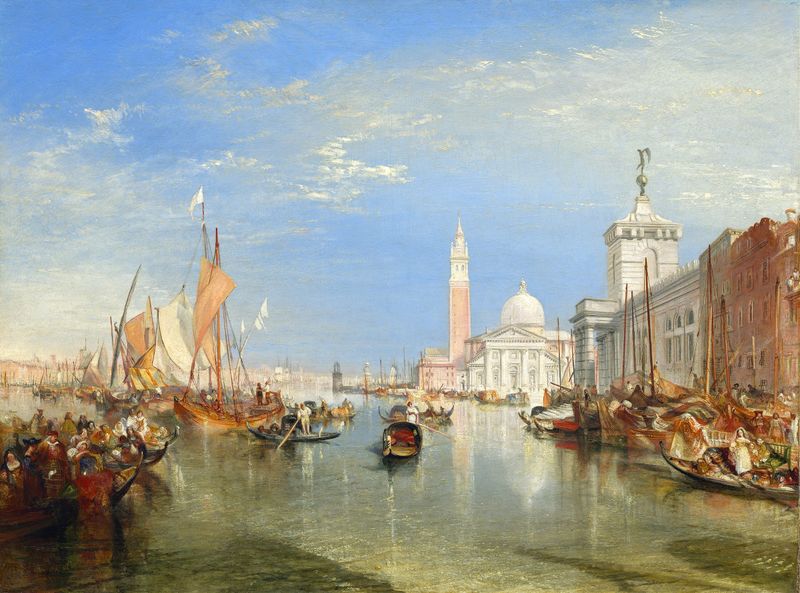
Venice – The Dogana and San Giorgio Maggiore
Joseph Mallord William Turner

The Burning of the Houses of Lords and Commons, 16 October 1834
Joseph Mallord William Turner
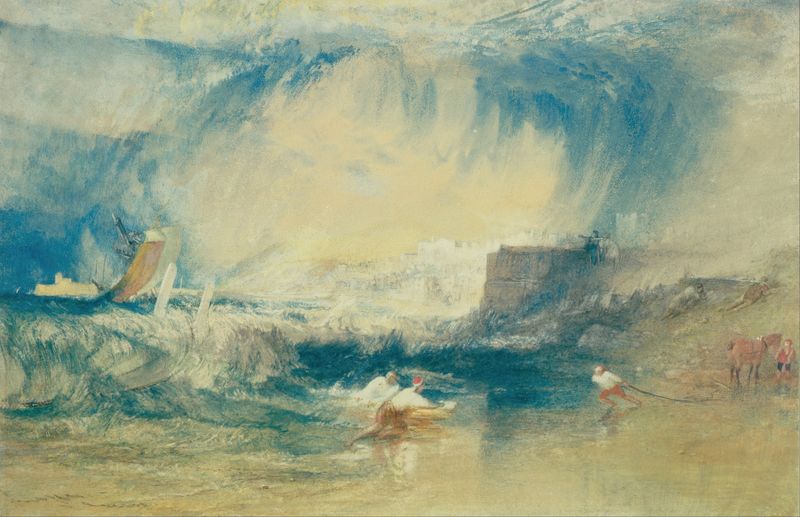
Lyme Regis, Dorsetshire, England
Joseph Mallord William Turner
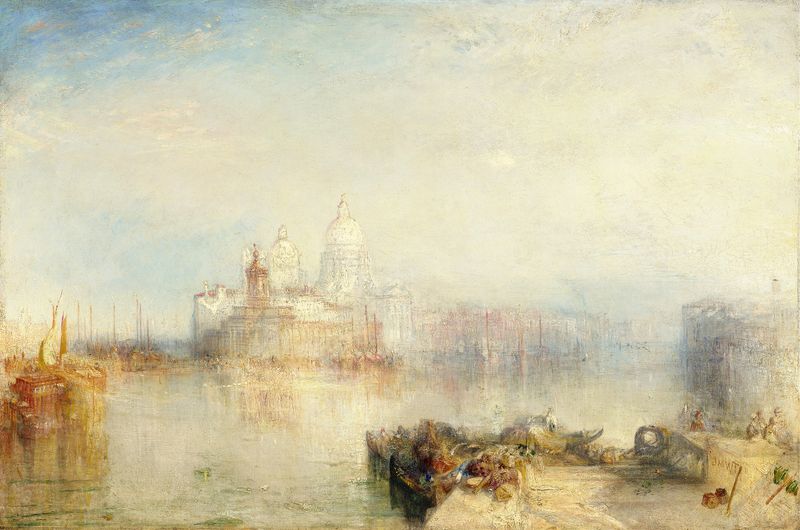
The Dogana and Santa Maria della Salute, Venice
Joseph Mallord William Turner
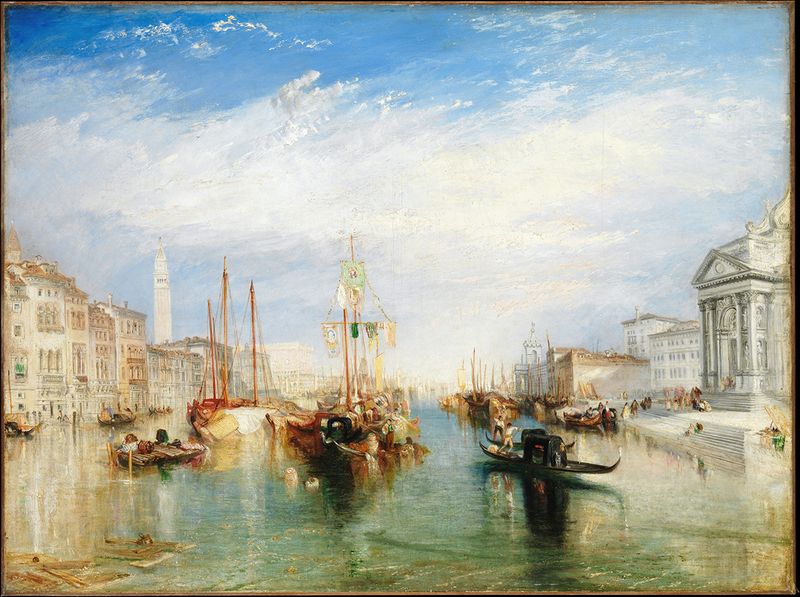
Venice, from the Porch of Madonna della Salute
Joseph Mallord William Turner
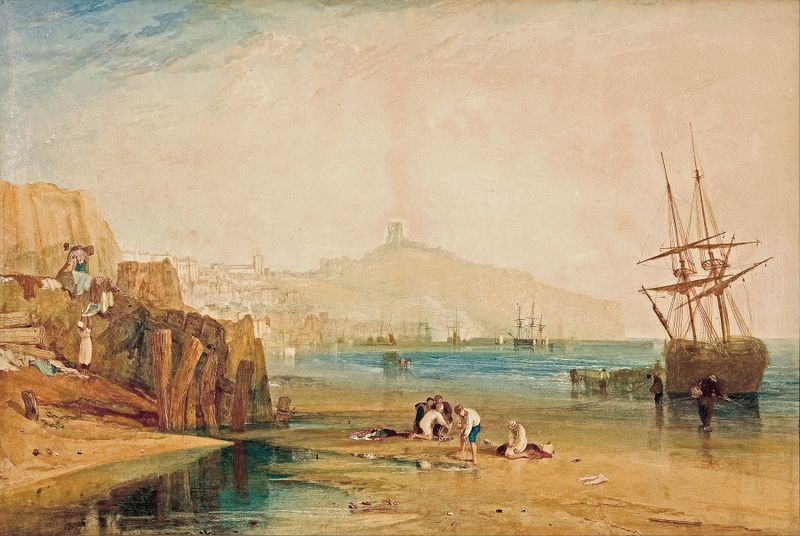
Scarborough town and castle; morning; boys catching crabs
Joseph Mallord William Turner
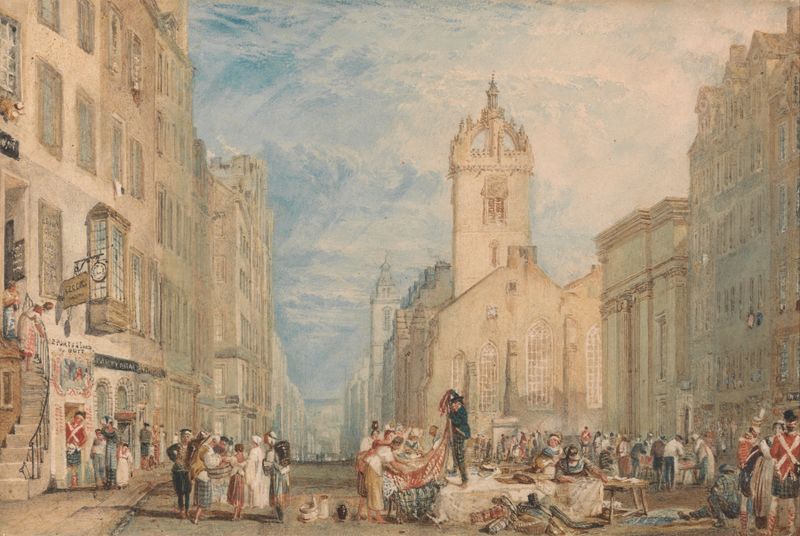
High Street, Edinburgh
Joseph Mallord William Turner
More Architecture Art
Browse all →
The statue of Liberty
Frédéric Auguste Bartholdi

View of Houses in Delft, Known as ‘The Little Street’
Johannes Vermeer

View of Houses in Delft, Known as ‘The Little Street’
Johannes Vermeer

The Cathedral in Rouen. The portal, Grey Weather
Claude Monet

The yellow house
Vincent van Gogh

The Church in Auvers-sur-Oise, View from the Chevet
Vincent van Gogh