
Bruiloft te Kana — History & Facts
In a world where moments are crafted and preserved, the legacy of love and its intricate tapestry unfolds, revealing both joy and sorrow. Begin by focusing on the delicate interplay of light and shadow in Bruiloft te Kana. Notice how the golden hues illuminate the figures gathered around the table, their faces a blend of anticipation and solemnity. The central couple, adorned in lavish garments, draw the eye instantly, surrounded by an array of guests who reflect the social tapestry of their time.
The artist’s meticulous attention to detail invites viewers to explore the richness of each character’s expression, highlighting the profound emotions embedded within the celebration. Yet, beneath the surface of merriment lies a subtle tension. The intricate patterns on the couple's attire contrast with the muted tones of their guests, suggesting a division between the joyful facade of the wedding and the potential for future strife. The ornate decorations, while breathtaking, also evoke a sense of heaviness—each flower and thread carries the weight of expectation and societal pressures.
This duality encapsulates the bittersweet nature of human connections, where celebration and melancholy often coexist. During the early 16th century, Hans Sebald Beham painted Bruiloft te Kana amidst the flourishing of the Northern Renaissance. A member of the Nuremberg school, he sought to depict the everyday lives of people layered with historical significance. In a period marked by political turmoil and shifting social structures, his work stands as a testament to the enduring strength of communal bonds, intricately woven into the fabric of legacy that transcends time.
More Artworks by Hans Sebald Beham
Browse all →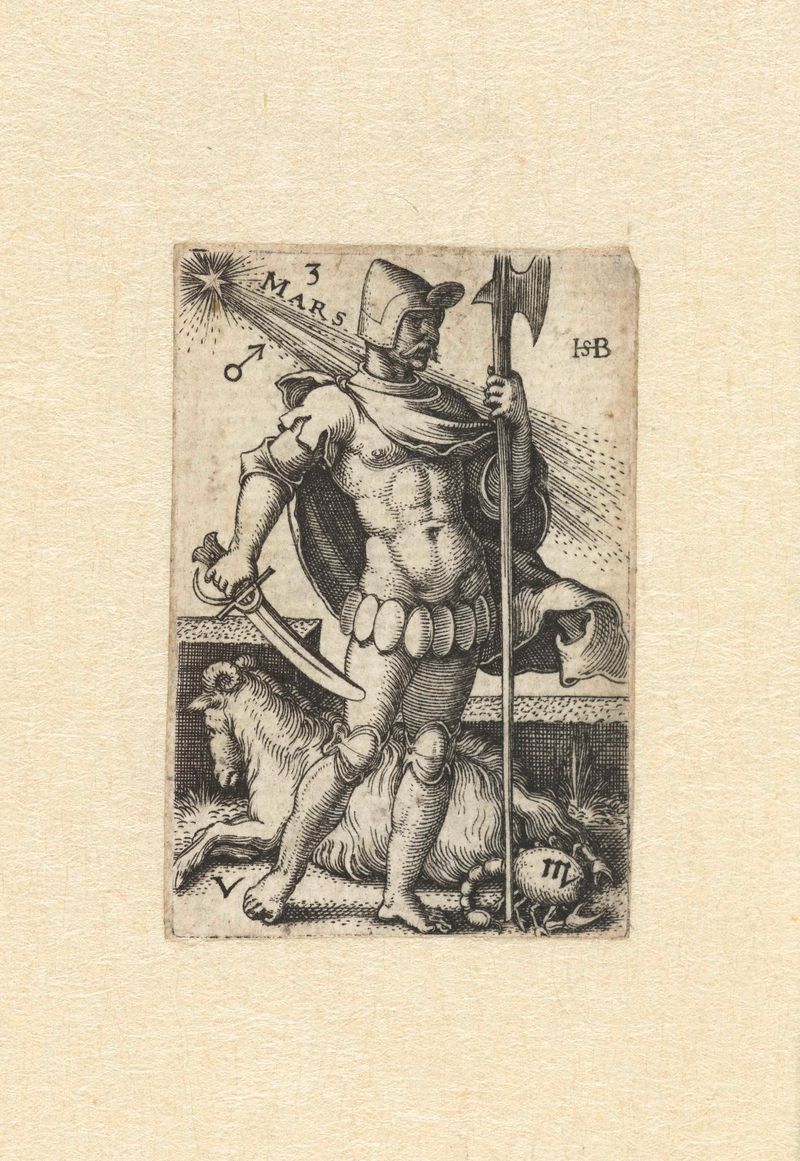
Mars met sterrenbeelden Ram en Schorpioen
Hans Sebald Beham

Achilles in gevecht met Hector
Hans Sebald Beham
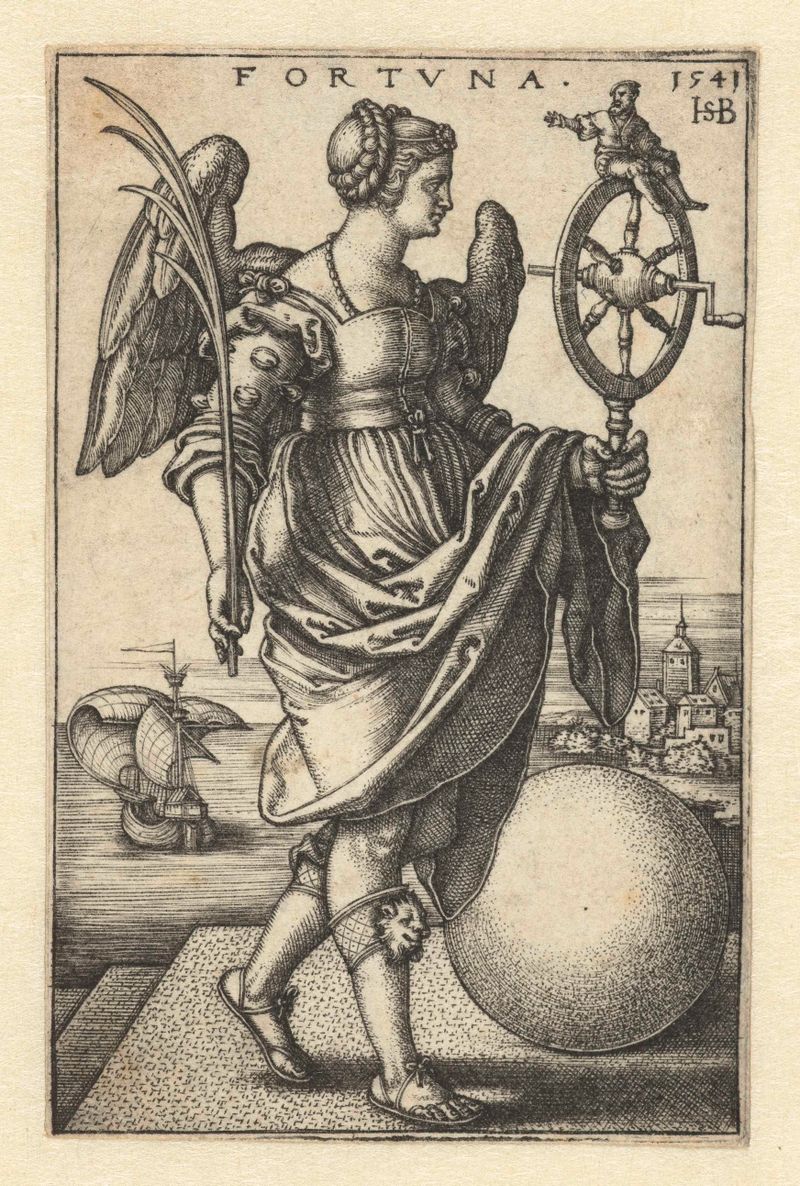
Fortuna
Hans Sebald Beham

Hercules worstelt met Antaeus
Hans Sebald Beham

Twee muzikanten met schalmey en doedelzak
Hans Sebald Beham

Voorzichtigheid (Prudentia)
Hans Sebald Beham

Hercules in gevecht met de Trojanen
Hans Sebald Beham
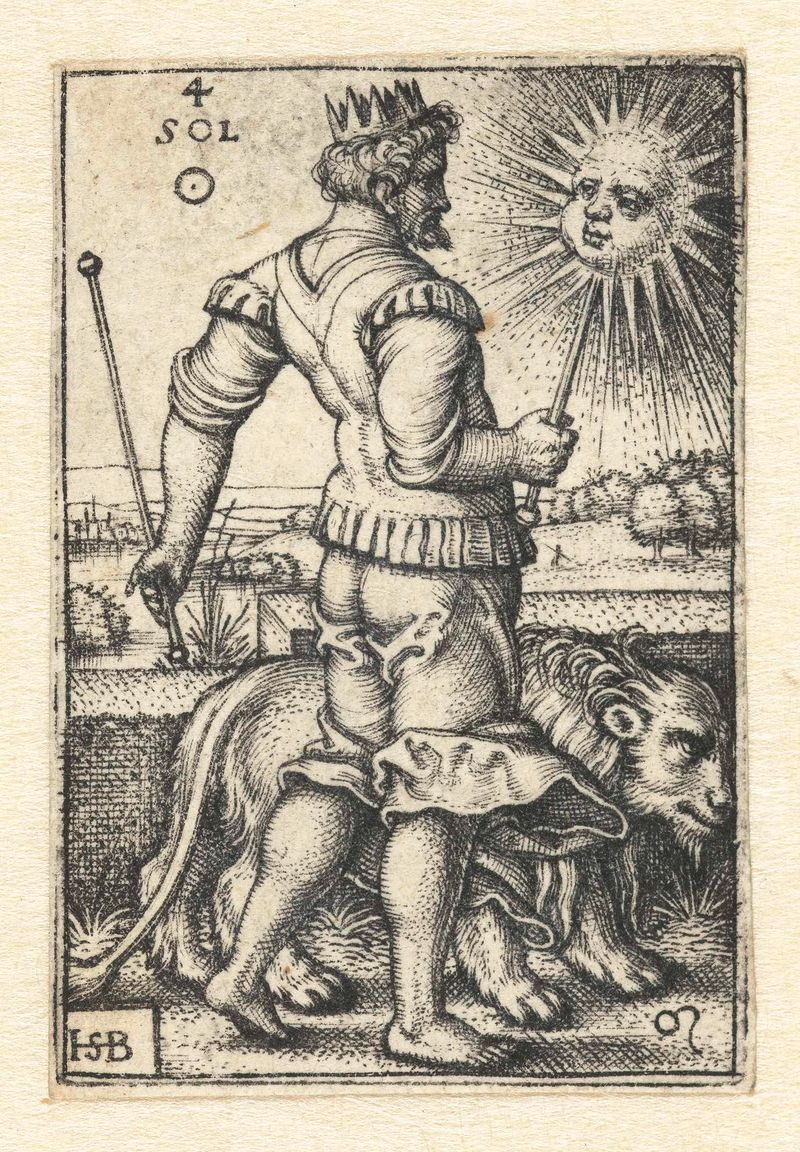
Apollo (Sol) met sterrenbeeld Leeuw
Hans Sebald Beham
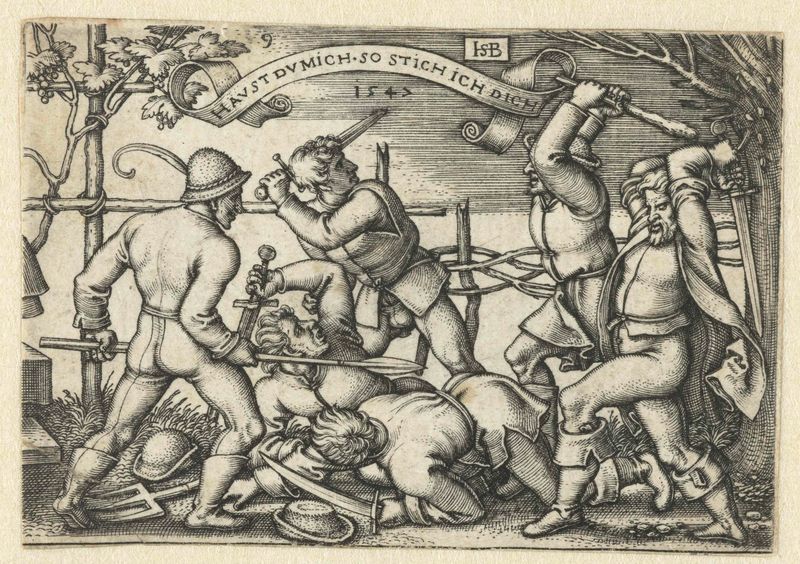
Vechtende boeren met zwaarden
Hans Sebald Beham
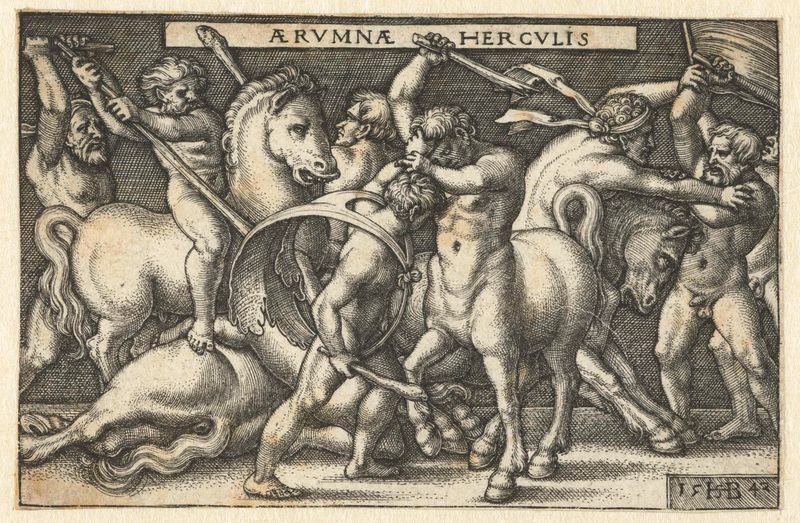
Hercules in gevecht met centaurs
Hans Sebald Beham





