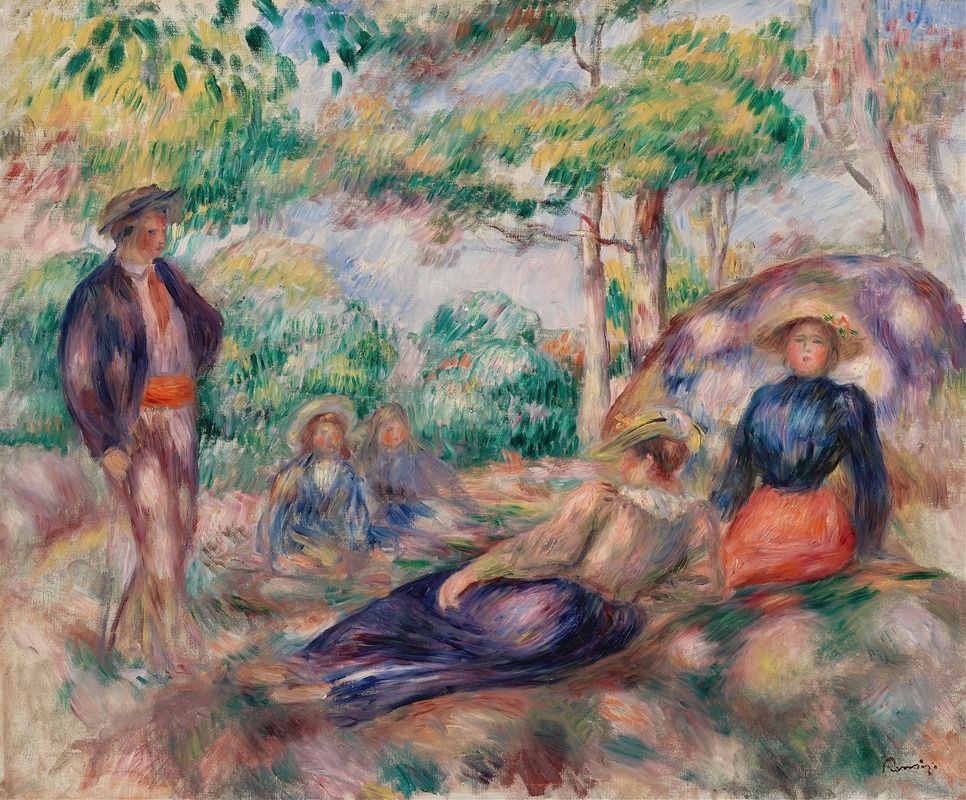
Discover insights about this artwork
Buen Viage. (Bon voyage.) — History & Facts
Buen Viage. (Bon voyage.) by Francisco de Goya captures a lively scene of travelers preparing for their journey. The painting features a group of people, some on horseback and others walking, all filled with anticipation.
The colors are warm and inviting, with shades of brown, yellow, and hints of green that suggest a sunny day. The figures are dressed in traditional Spanish clothing, adding to the cultural context of the scene. If you take a closer look, you can see the expressions on the travelers' faces, ranging from excitement to a touch of nervousness. The way Goya paints the horses gives them a sense of movement, as if they are eager to set off.
Notice how the background is painted with soft brush strokes, creating a sense of depth and distance. The composition draws your eye toward the horizon, inviting you to imagine where the travelers are headed. Francisco de Goya was a prominent Spanish painter known for his ability to capture human emotion and social commentary. He created this work during a time of great change in Spain, reflecting the spirit of exploration and adventure.
Goya is often considered a precursor to modern art due to his innovative techniques and bold themes. An interesting fact is that he was also a court painter, which provided him with a unique perspective on both the elite and the common people.
More Artworks by Francisco de Goya
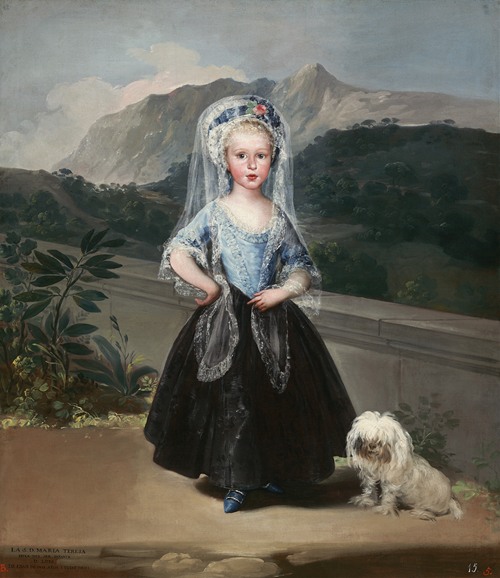
María Teresa de Borbón y Vallabriga,later Condesa de Chinchón
Francisco de Goya
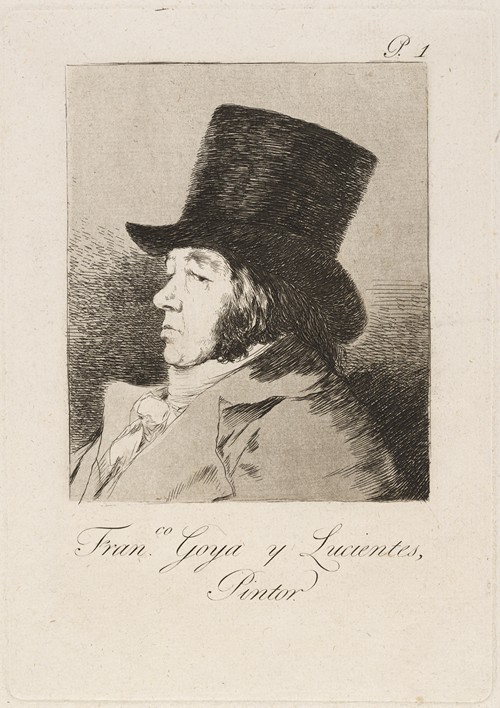
Francisco Goya y Lucientes, Pintor (Francisco Goya y Lucientes, painter)
Francisco de Goya
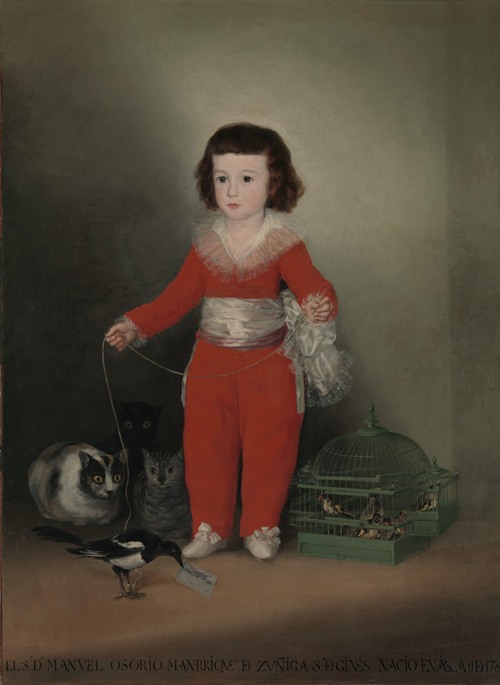
Manuel Osorio Manrique de Zuñiga (1784–1792)
Francisco de Goya
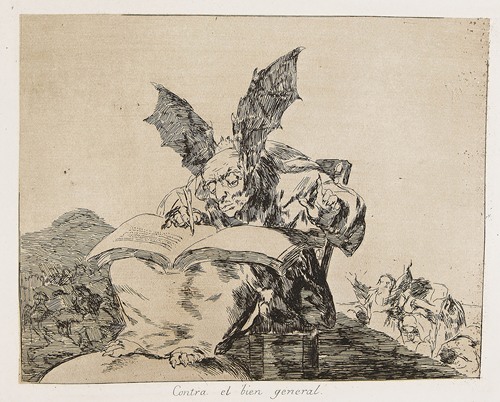
Los desastres de la guerra
Francisco de Goya
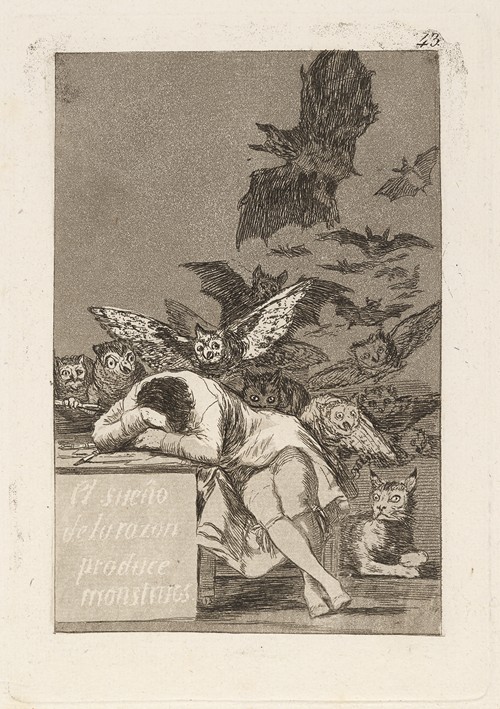
El sueño de la razon produce monstruos. (The sleep of reason produces monsters.)
Francisco de Goya
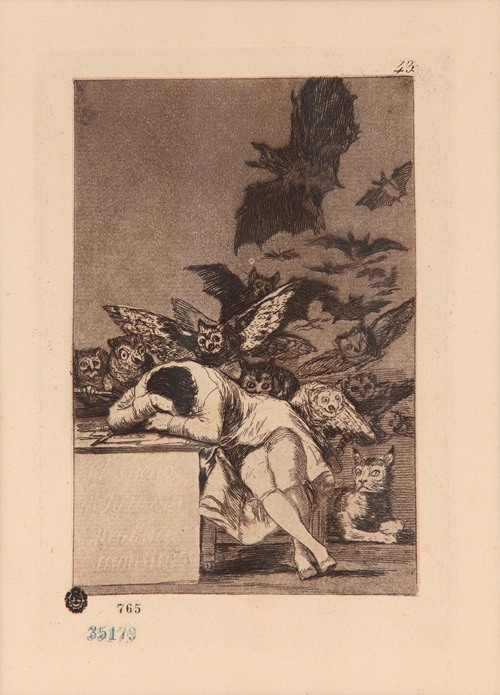
El sueño de la razon produce moustruos (Serie Caprichos)
Francisco de Goya
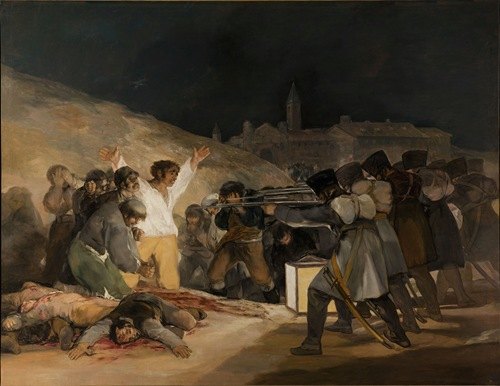
The Third of May
Francisco de Goya
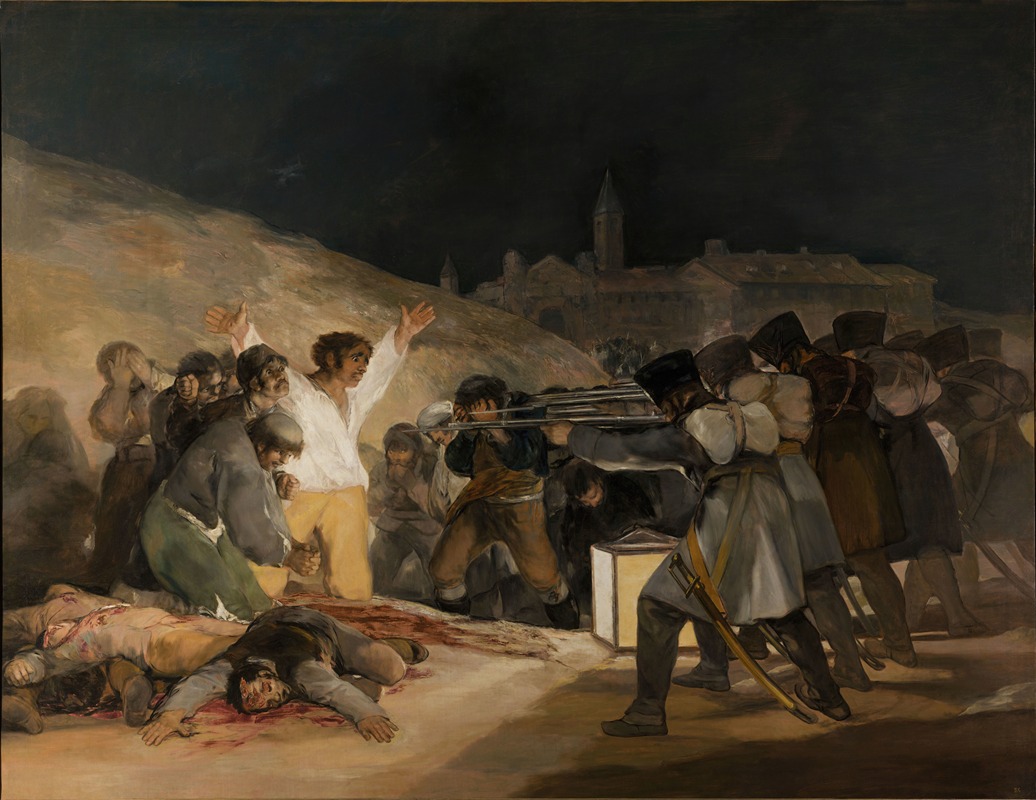
The Third of May 1808
Francisco de Goya
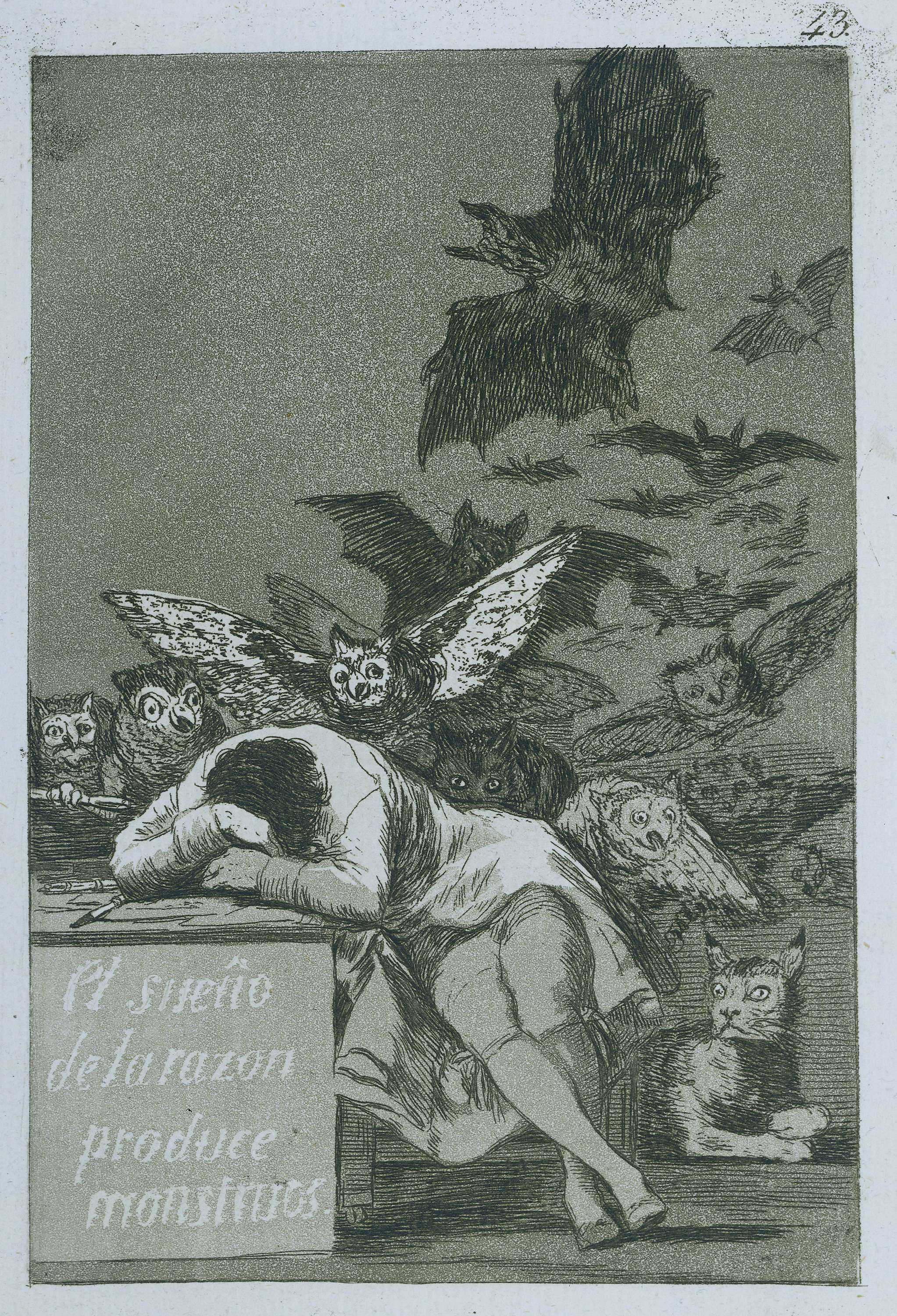
De slaap van de rede brengt monsters voort
Francisco de Goya
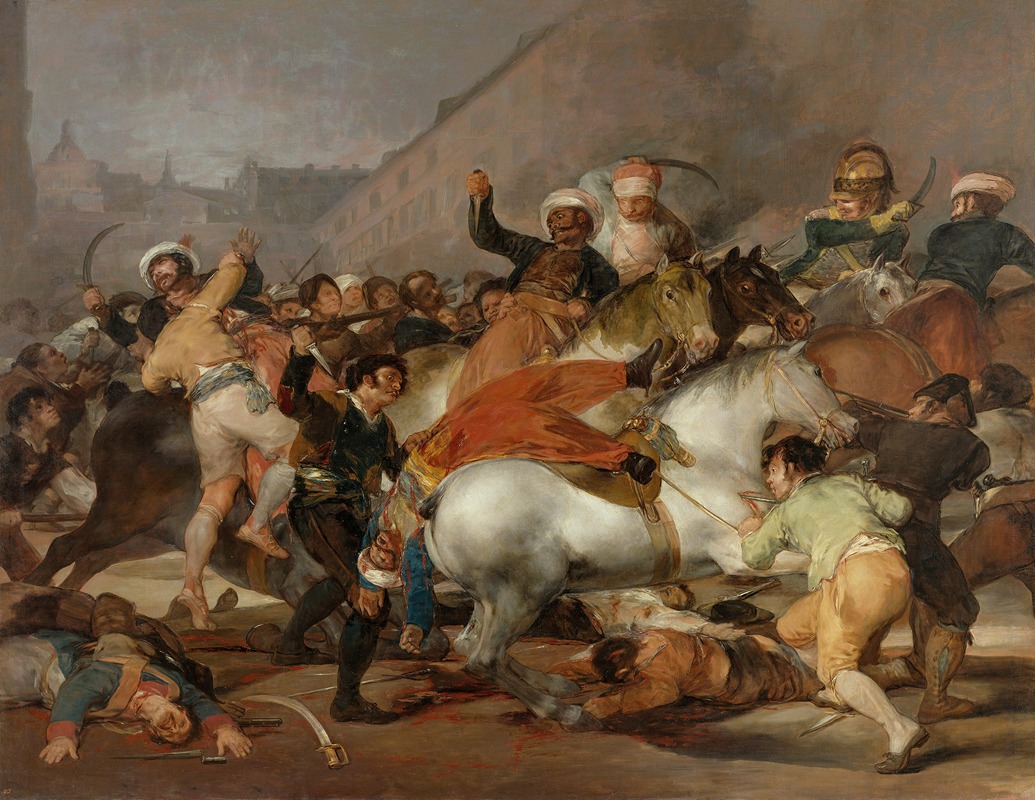
The Charge of the Mamelukes (1814)
Francisco de Goya