Buitenhuis tussen rozen — History & Facts
In this quiet moment, destiny unfolds, inviting us to pause and reflect upon life’s intricate tapestry. Focus on the luminous interplay of colors that envelop the scene. The soft pinks and whites of the blooming roses draw the eye, contrasting against the serene walls of the house. Notice how the light dances gently across the petals, casting delicate shadows that whisper of time’s passage.
The composition is masterful, with the house positioned slightly off-center, creating a sense of intimacy, as if it holds a secret waiting to be discovered. Hidden beneath the surface lies a poignant narrative of solitude and harmony. The roses, emblematic of love and beauty, suggest a longing that resonates with the house’s stillness. This tension between the vibrancy of nature and the calm of human habitation speaks to the fragility of existence and the unyielding pull of fate.
Each brushstroke, intentional yet delicate, encapsulates the balance between personal desire and the inevitability of time’s relentless march. Henri Le Sidaner painted Buitenhuis tussen rozen in 1913 while residing in his native France. At this time, he was deeply immersed in the Symbolist movement, exploring light and atmosphere as integral aspects of his work. The world was abuzz with artistic innovation and societal change, and Le Sidaner’s focus on intimate scenes reflected his belief in the emotional power of everyday moments, as he sought to capture the essence of life amidst a rapidly evolving landscape.
More Artworks by Henri Le Sidaner
Browse all →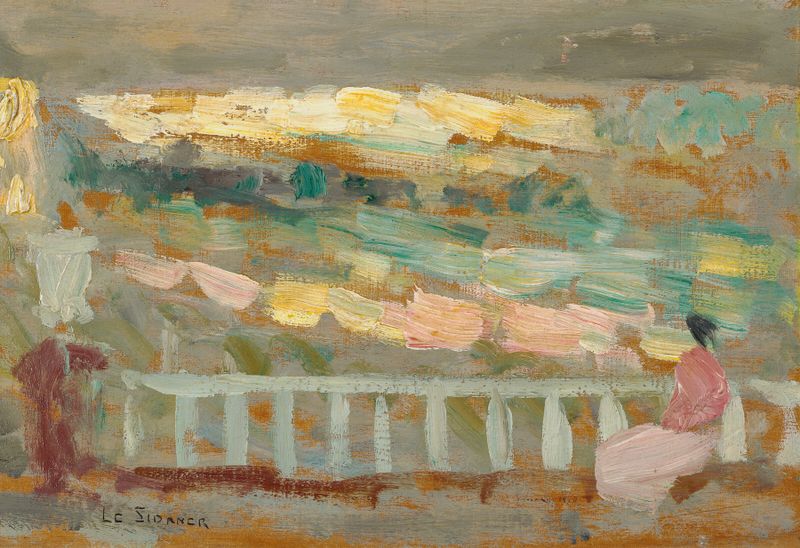
Terrasse à Gerberoy
Henri Le Sidaner
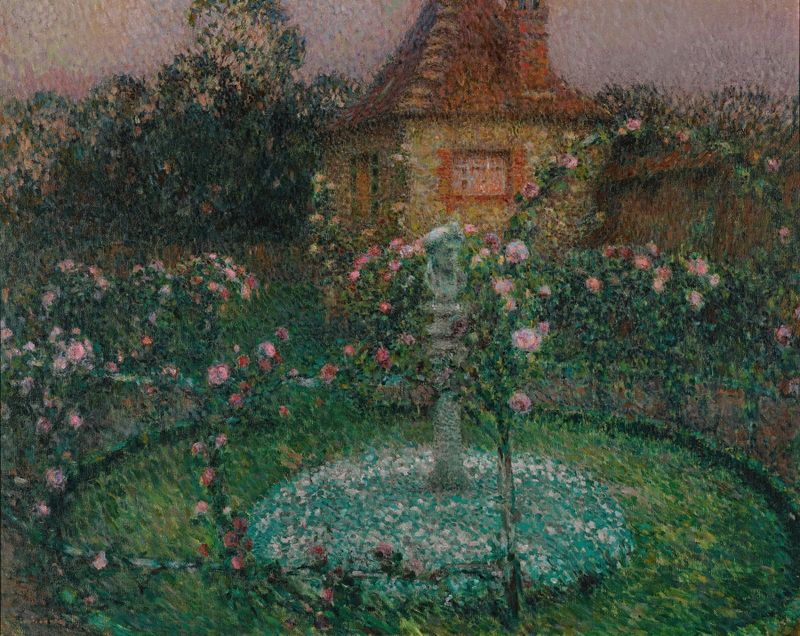
Le Pavillon, Gerberoy
Henri Le Sidaner
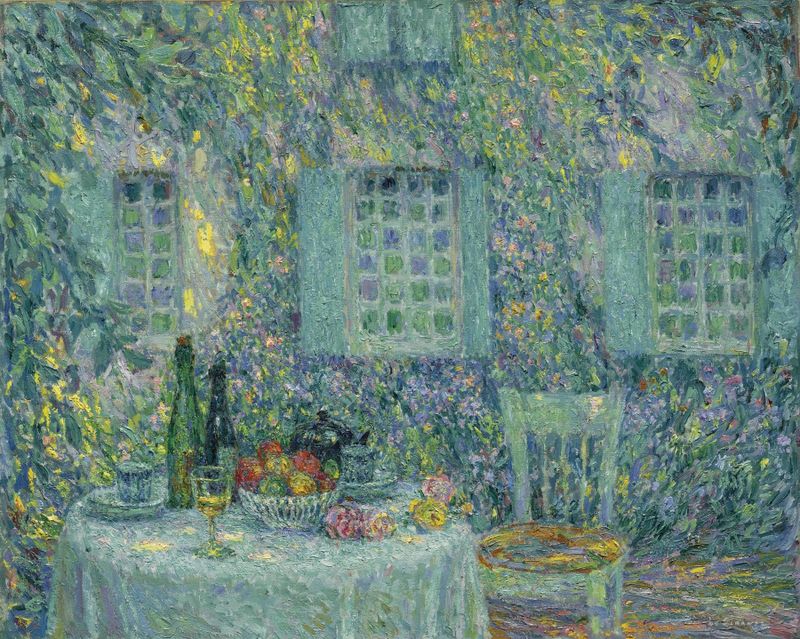
La Table, soleil dans les feuilles, Gerberoy
Henri Le Sidaner
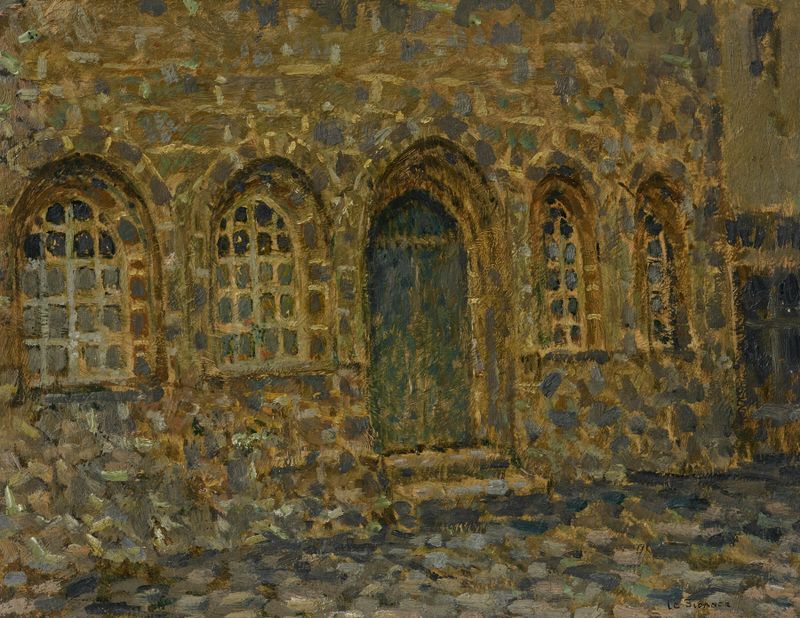
Maison ancienne, Tréguier
Henri Le Sidaner
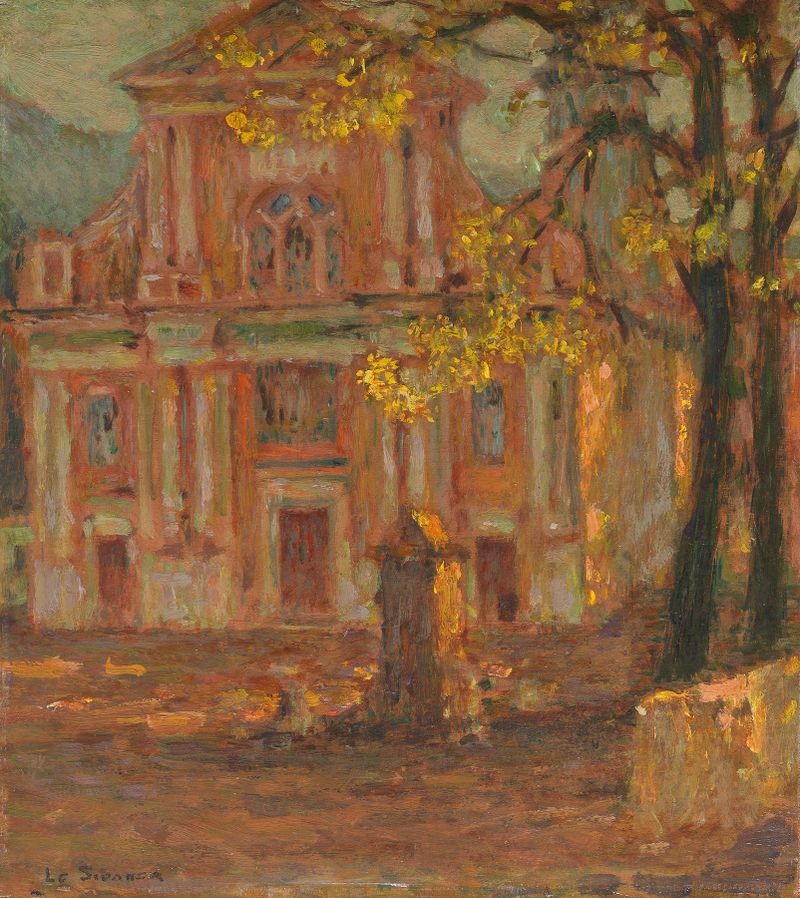
L’église, Dolceacqua
Henri Le Sidaner
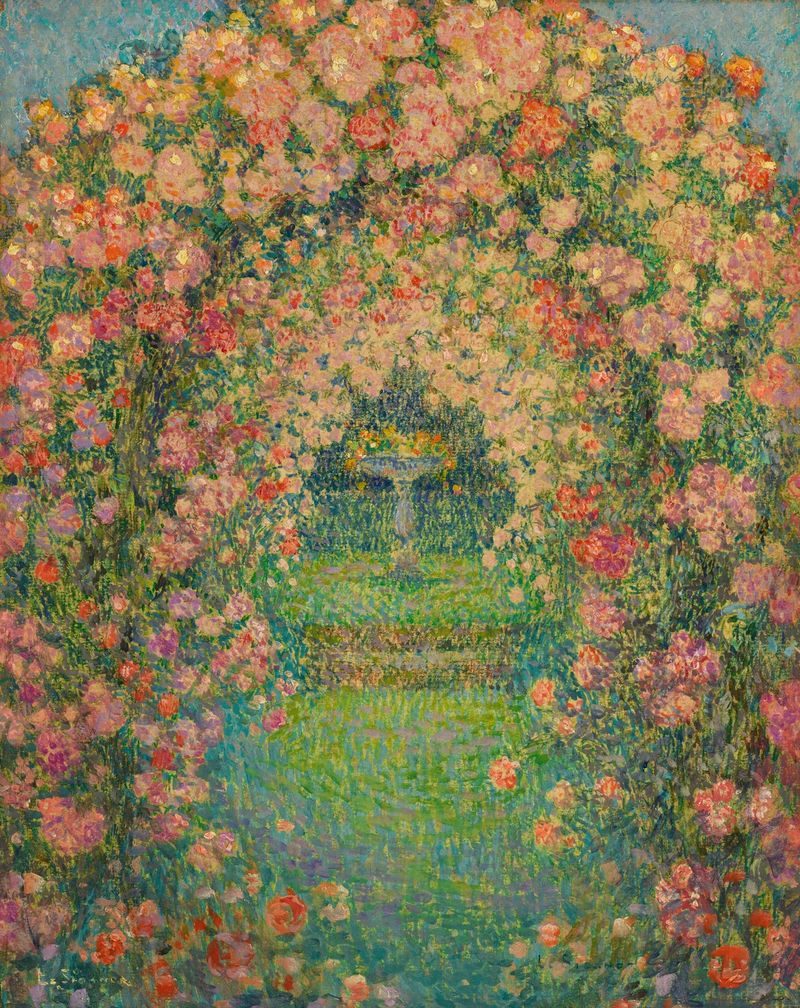
La Roseraie, Gerberoy
Henri Le Sidaner
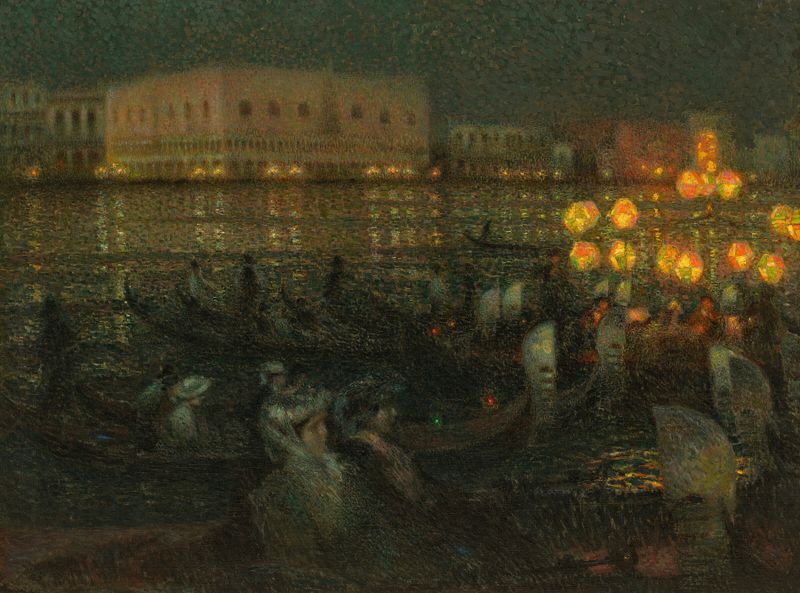
La Sérénade, Venise
Henri Le Sidaner
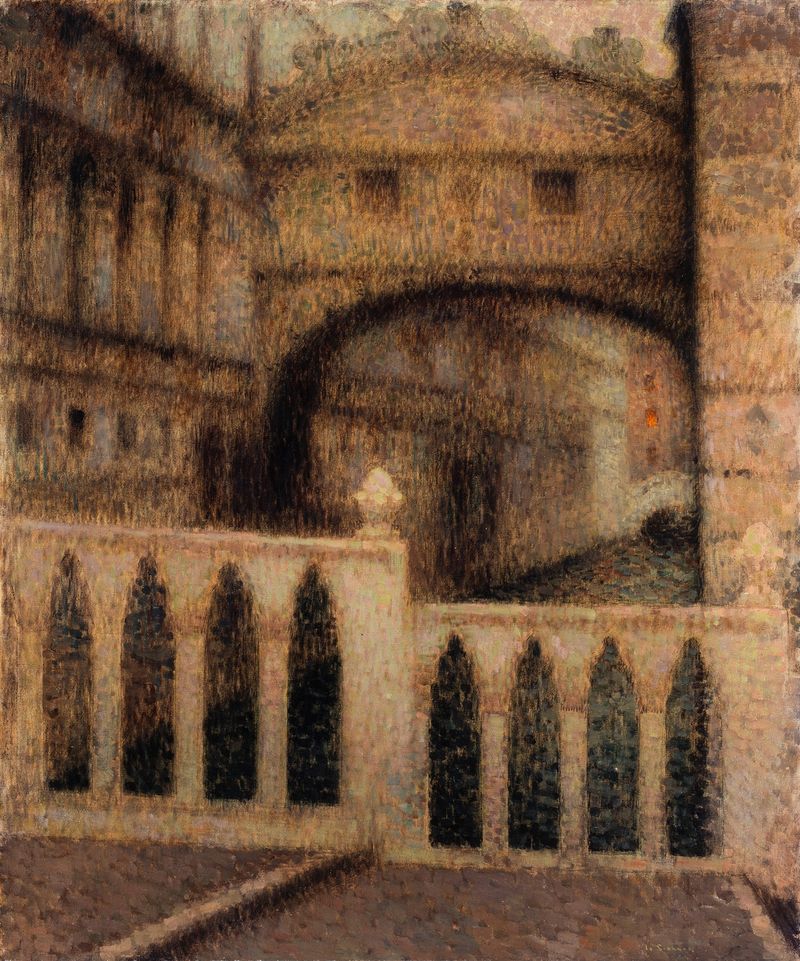
Le pont des Soupirs
Henri Le Sidaner
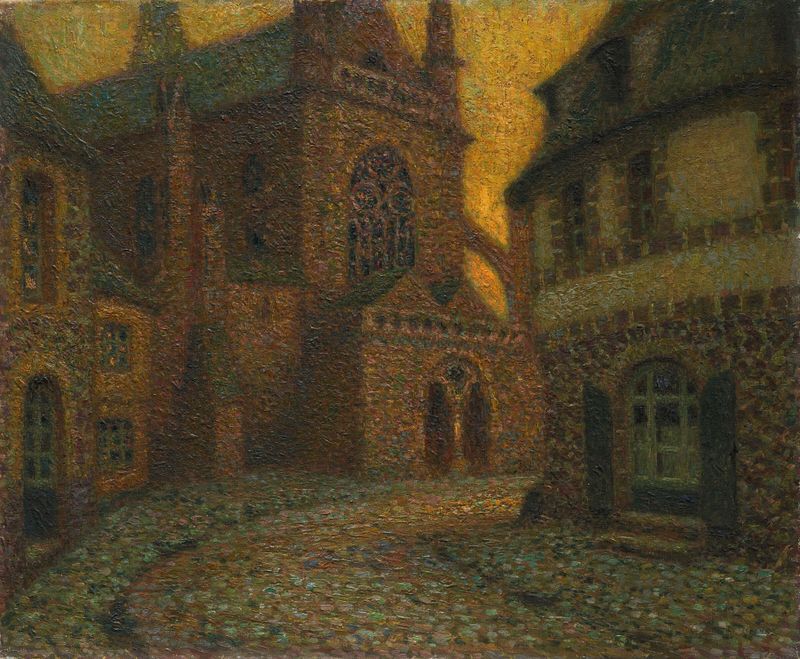
L’Église, Tréguier
Henri Le Sidaner
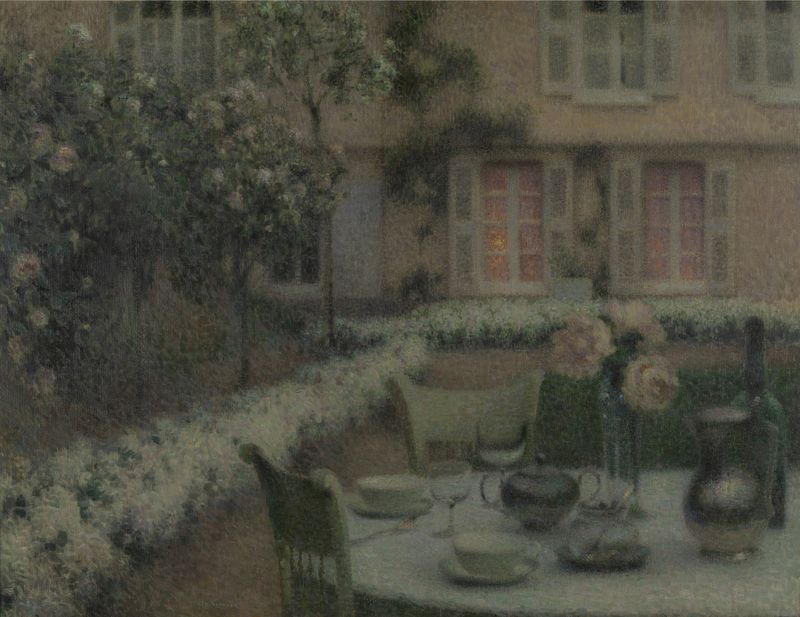
The Table in the White Garden at Gerberoy
Henri Le Sidaner