Bukhara. From the journey to Turkestan — History & Analysis
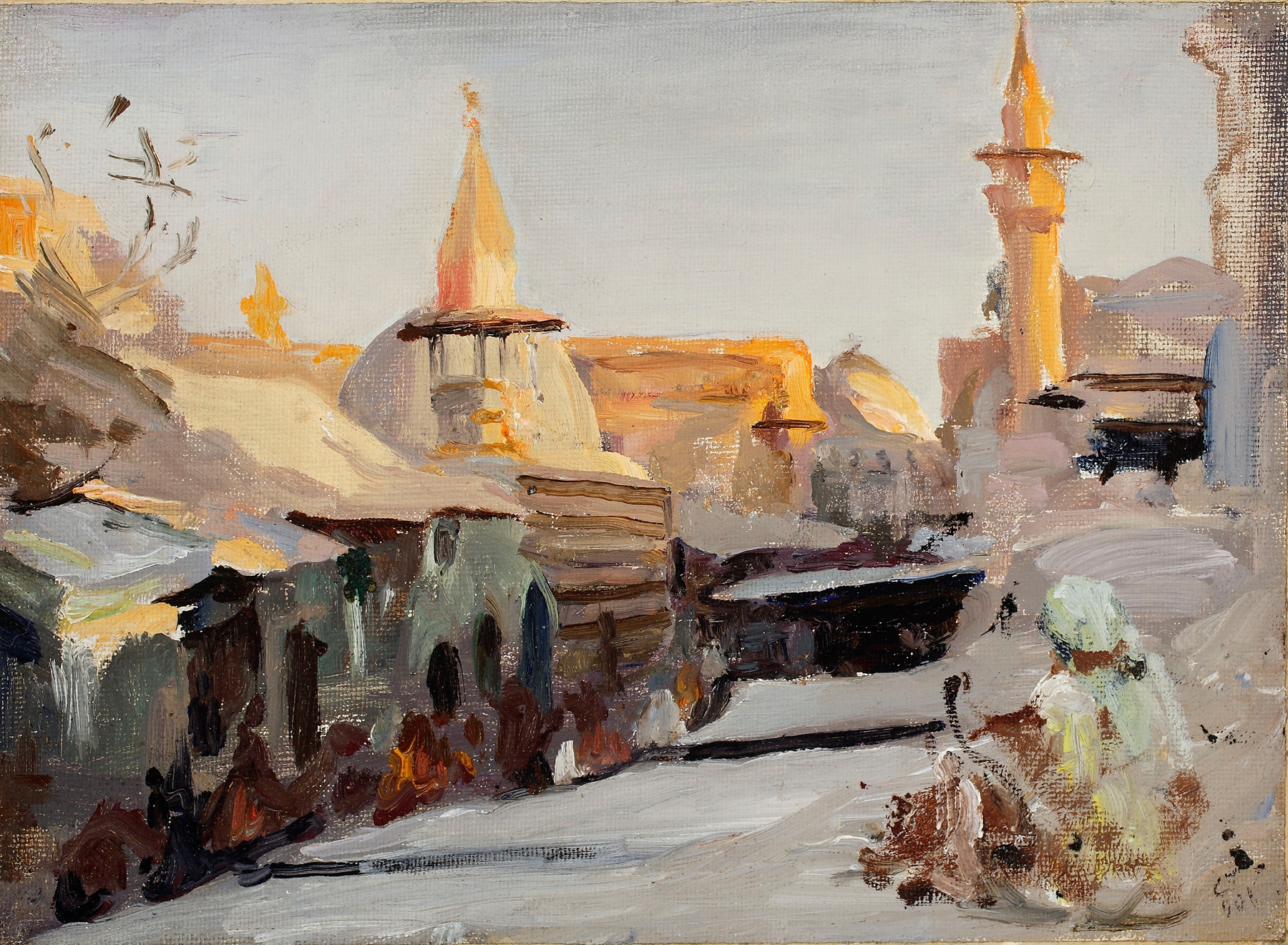
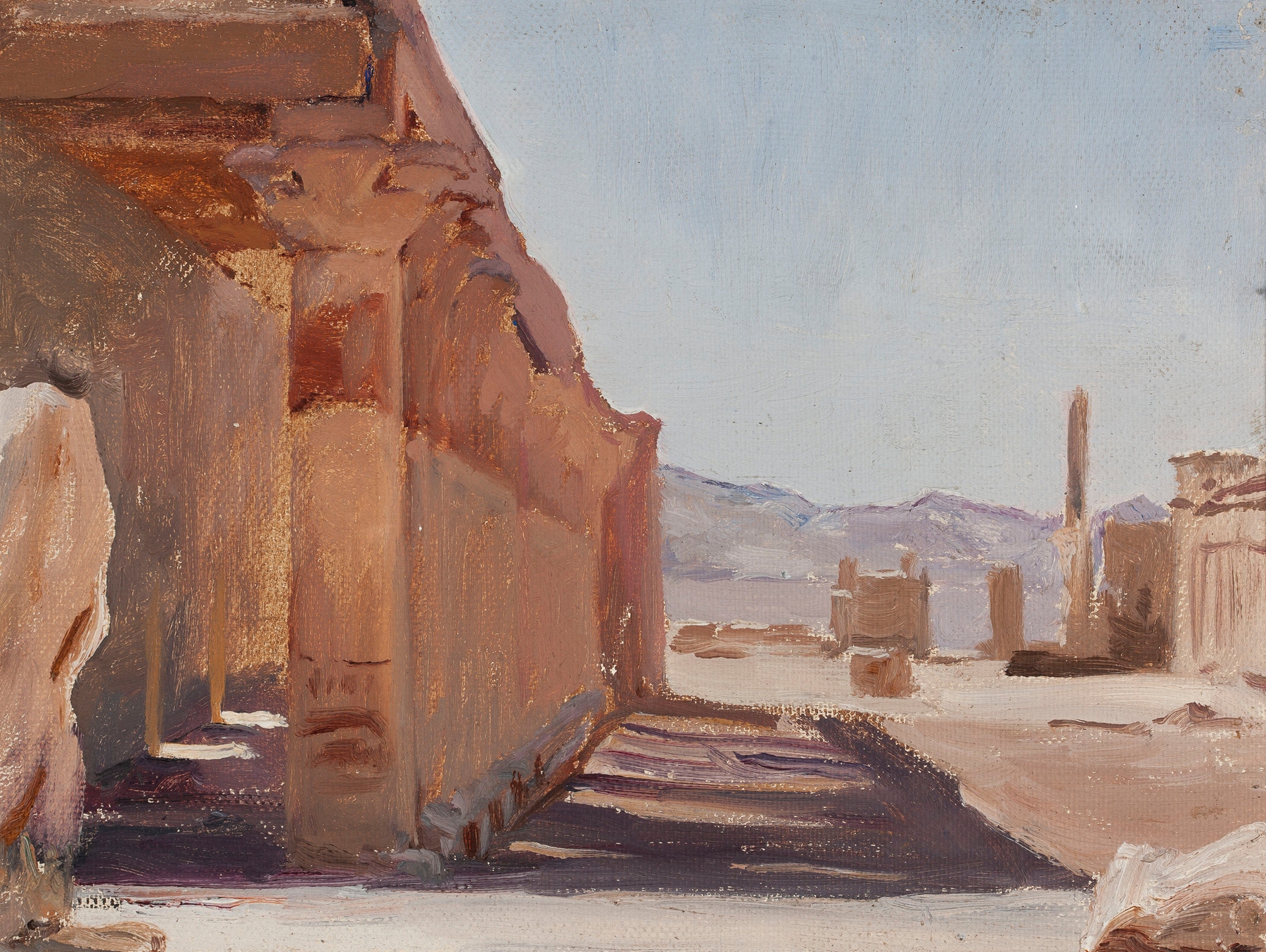
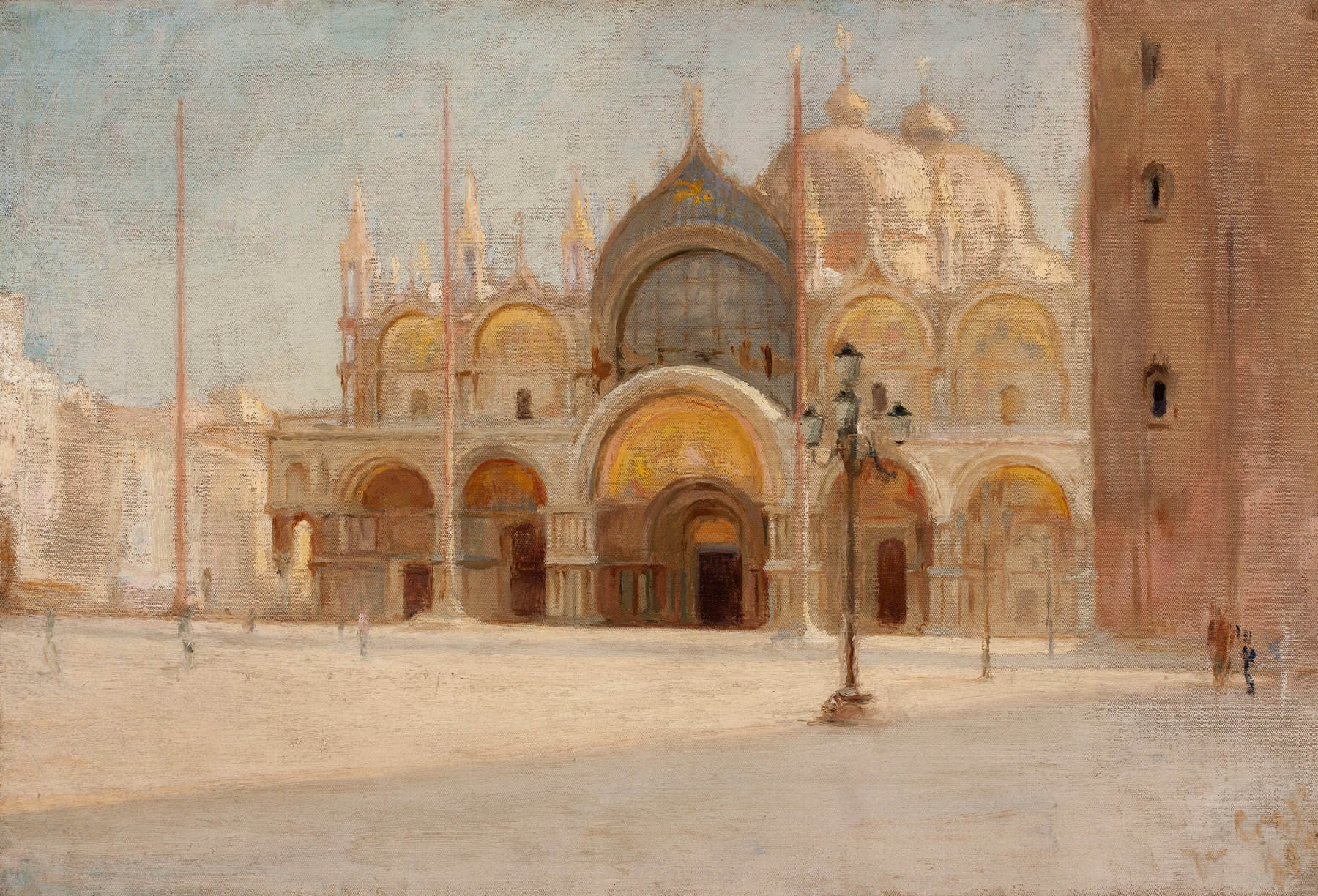
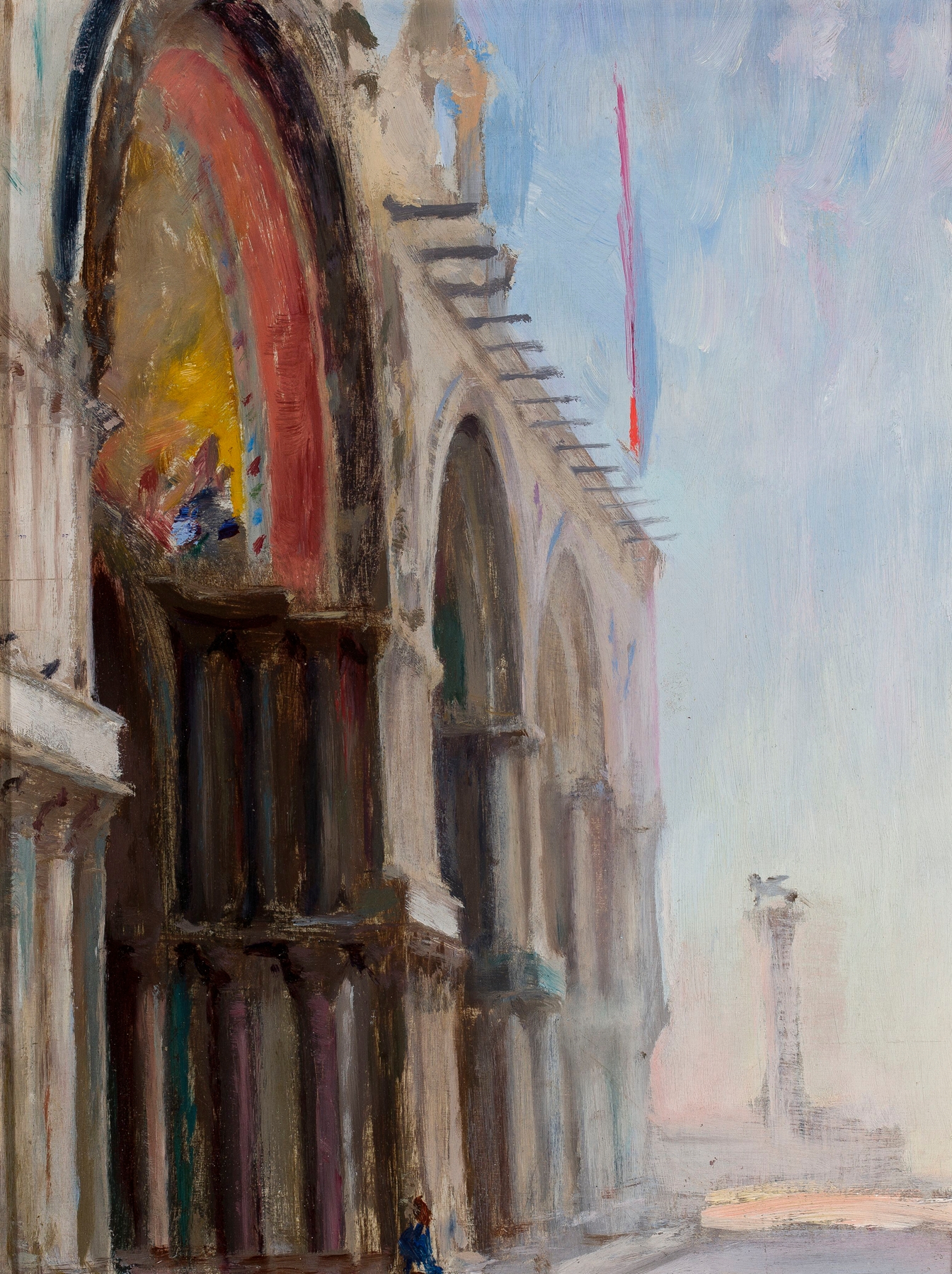
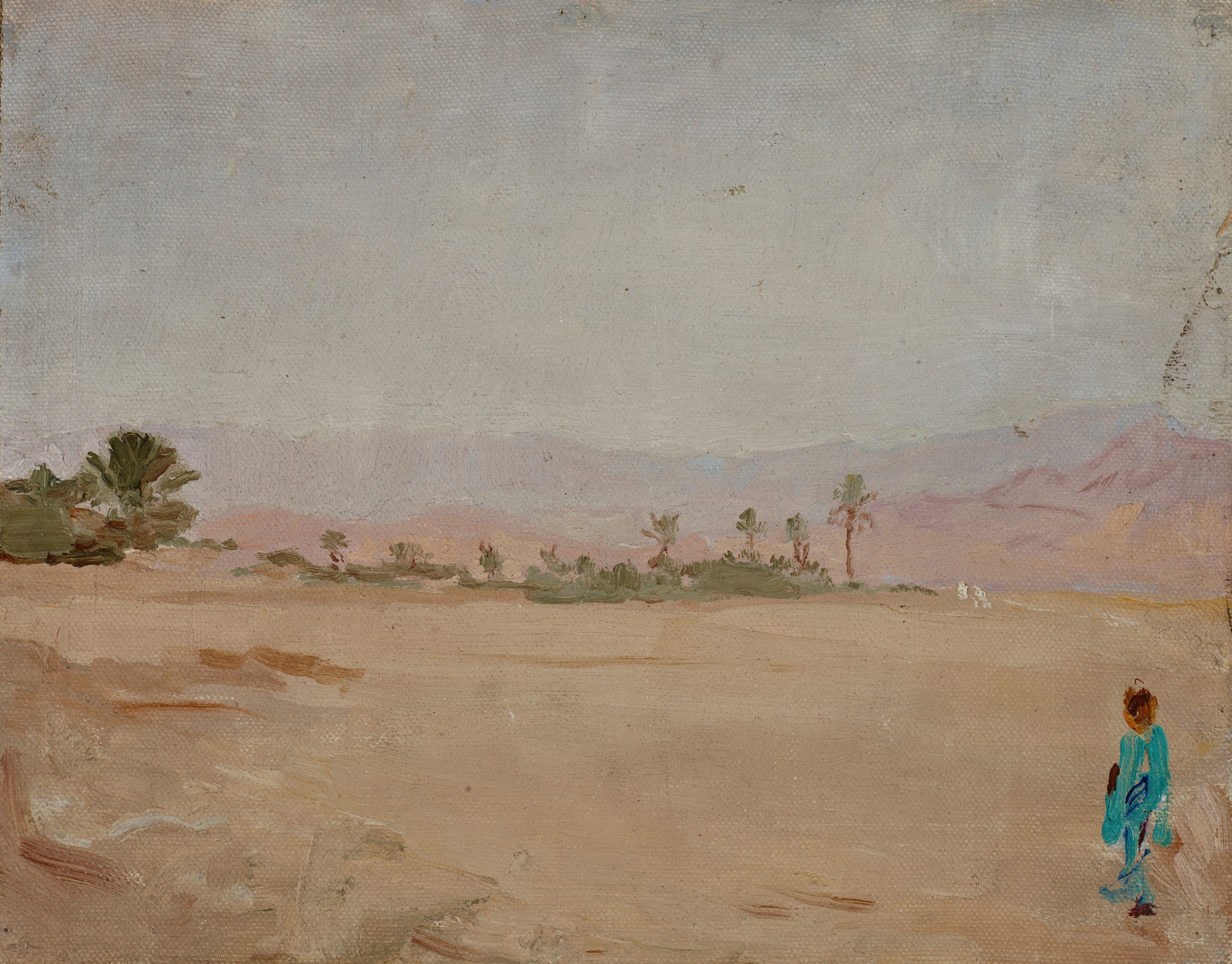
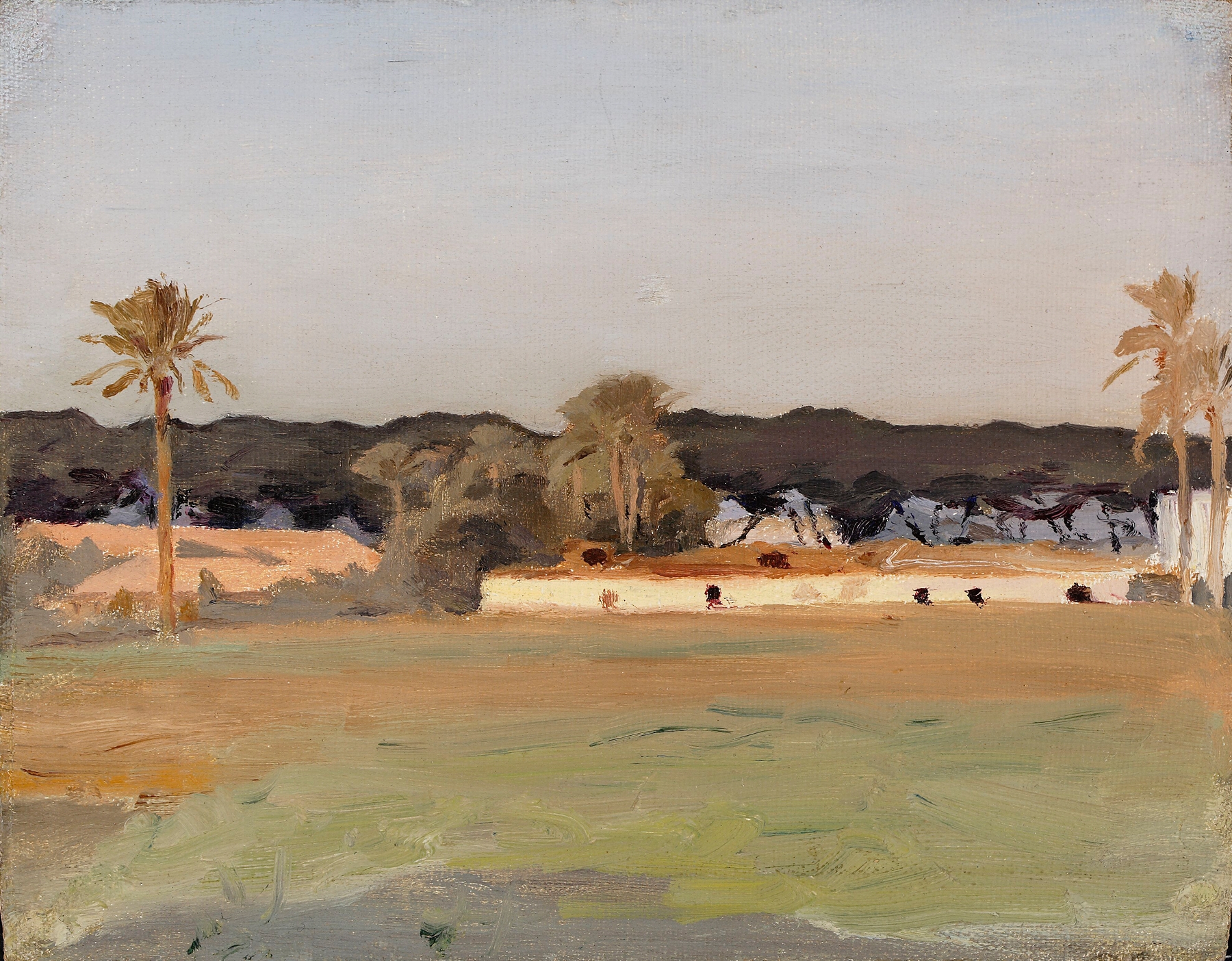
“Every brushstroke is a heartbeat remembered.” In the delicate interplay of color and form, we find an echo of longing that transcends time and space. This painting captures a profound yearning, inviting viewers to explore the depths of their own memories and desires. Look to the center of the canvas where a vibrant tapestry of ochres and earthy reds invites you into the heart of Bukhara. The architectural details emerge as intricate shadows dance upon the surfaces, while luminous highlights reveal the sun's caress on ancient stones.
The artist's choice of warm colors evokes a sense of warmth and nostalgia, leading your gaze to wander between the bustling streets and serene corners, seamlessly blending the vibrancy of life with the quietude of historical resonance. Beneath the surface of this seemingly tranquil scene lies a tension between the present and the past. The juxtaposition of lively figures against the backdrop of steadfast architecture speaks to the impermanence of life and the enduring nature of culture. Small, almost hidden details—an open door, a fluttering curtain—whisper of stories untold, while the rich textures conjure the tactile memories of a journey embarked upon.
This interplay enhances the feeling of nostalgia, as if the landscape itself is a character in the narrative of personal and collective histories. In 1912, Jan Ciągliński painted this piece during a period of significant change in Europe, grappling with the complexities of modernity while seeking inspiration from the East. Living in London but deeply connected to his Polish roots, Ciągliński’s experiences shaped his artistic vision. This work reflects not only his travels to Turkestan but also a broader fascination with landscapes imbued with cultural significance, a theme that resonated deeply during the early 20th century.