
Burnt Village — History & Facts
A single plume of black smoke on the horizon pulls the eye first, curling above a distant village swallowed by flames. In the foreground, the snow is thick and undisturbed, save for the urgent tracks of a sled and the figures huddled behind a boulder. The young woman, pressed close to the rock, peers intently toward the disaster, her hand shielding her eyes from the pale winter glare.
Behind her, an older woman and a child cling to the sled, their faces a mixture of fear and exhaustion. Every gesture in Burnt Village by Albert Edelfelt is taut with the tension of flight and the ache of watching home slip away. Painted in 1879, this work captures not only a moment of crisis but also the cold clarity of winter light on snow, which wraps the fugitives in silence and isolation. The palette is restrained, dominated by whites and greys, with only the red of the women’s headscarves and the flames on the horizon breaking the chill.
Edelfelt’s attention to detail—the pressed-down sled runners, the glint of ice, the careful layering of garments—anchors the scene in lived reality. Such images, created in the late nineteenth century, often spoke to national histories and traumas, serving both as records and as calls to empathy. This painting, documented in the 2001 collection Pinx - maalaustaide Suomessa: Suuria kertomuksia, stands as a testament to the era’s fascination with storytelling through paint, inviting the viewer to imagine the lives caught between past and future, warmth and cold, safety and loss.
More Artworks by Albert Edelfelt

The Day of Rest
Albert Edelfelt
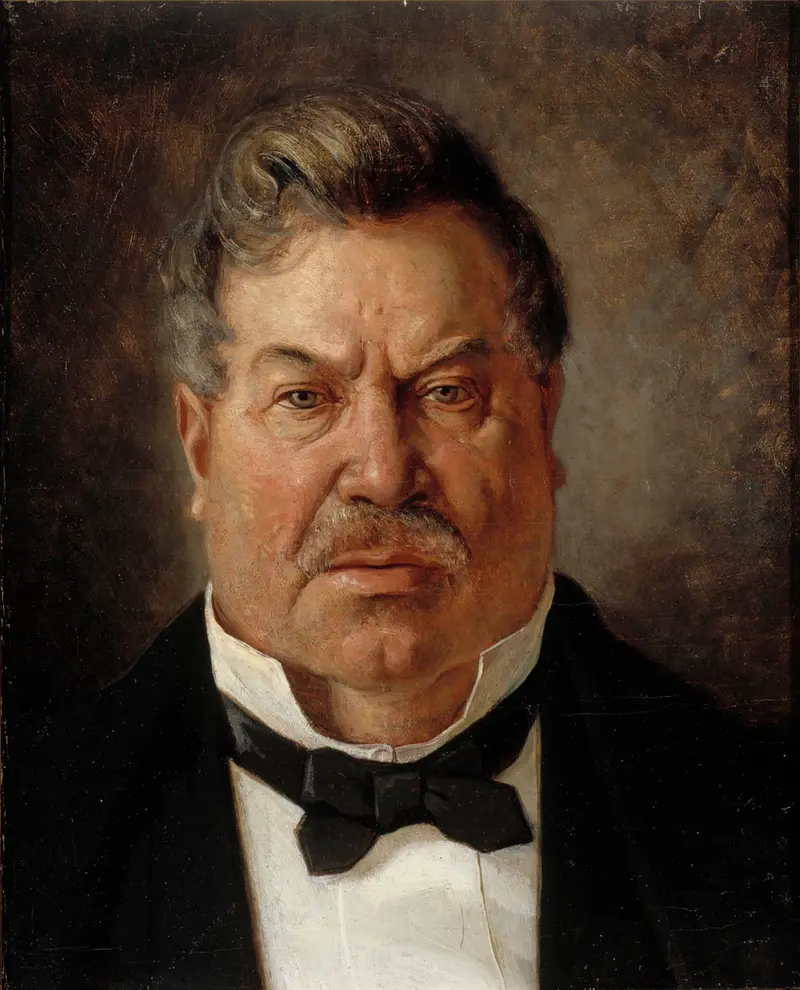
Portrait of August Streng
Albert Edelfelt
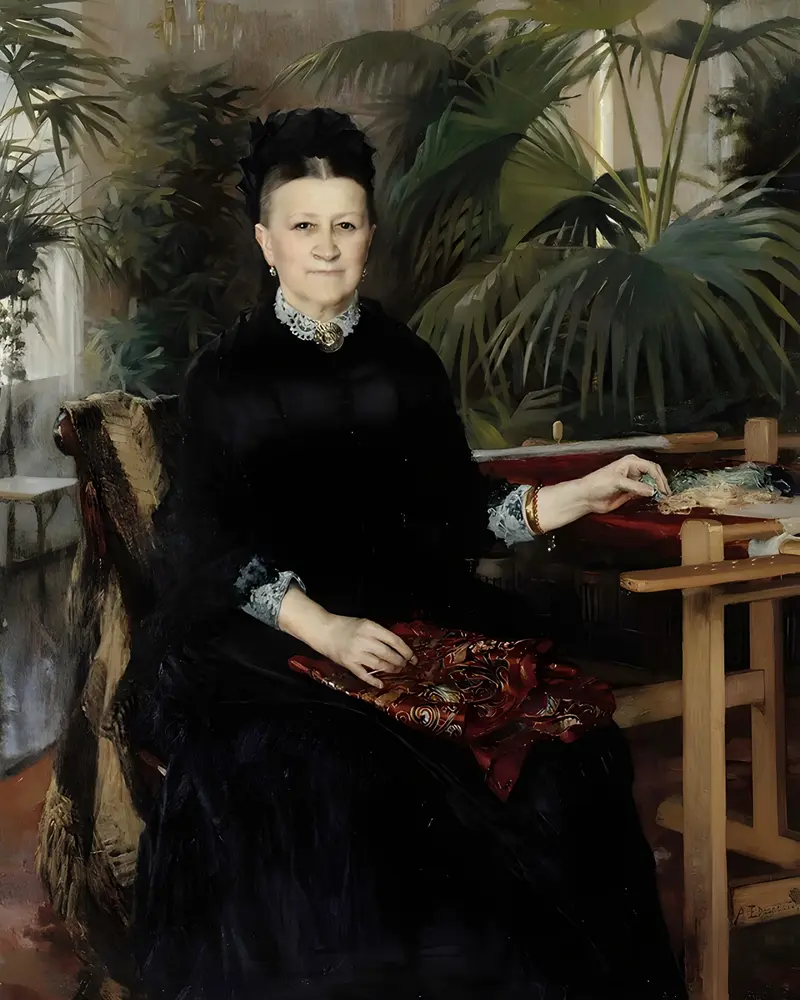
Portrait Of Mrs. Anna Sinebrychoff
Albert Edelfelt

The Poet, Larin Paraske
Albert Edelfelt

Parisian lady in a Peignoir
Albert Edelfelt
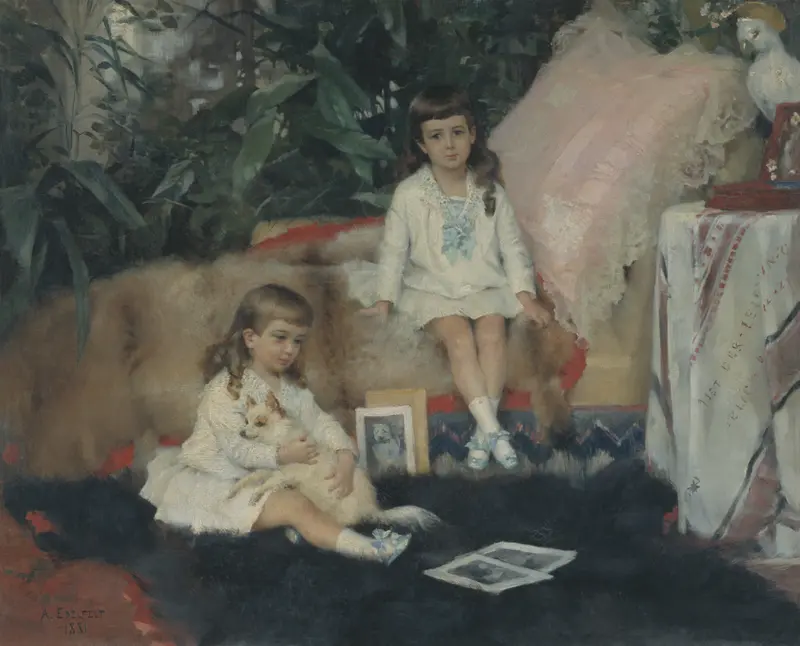
The Grand Dukes Boris and Kirill Vladimirovich as Children
Albert Edelfelt
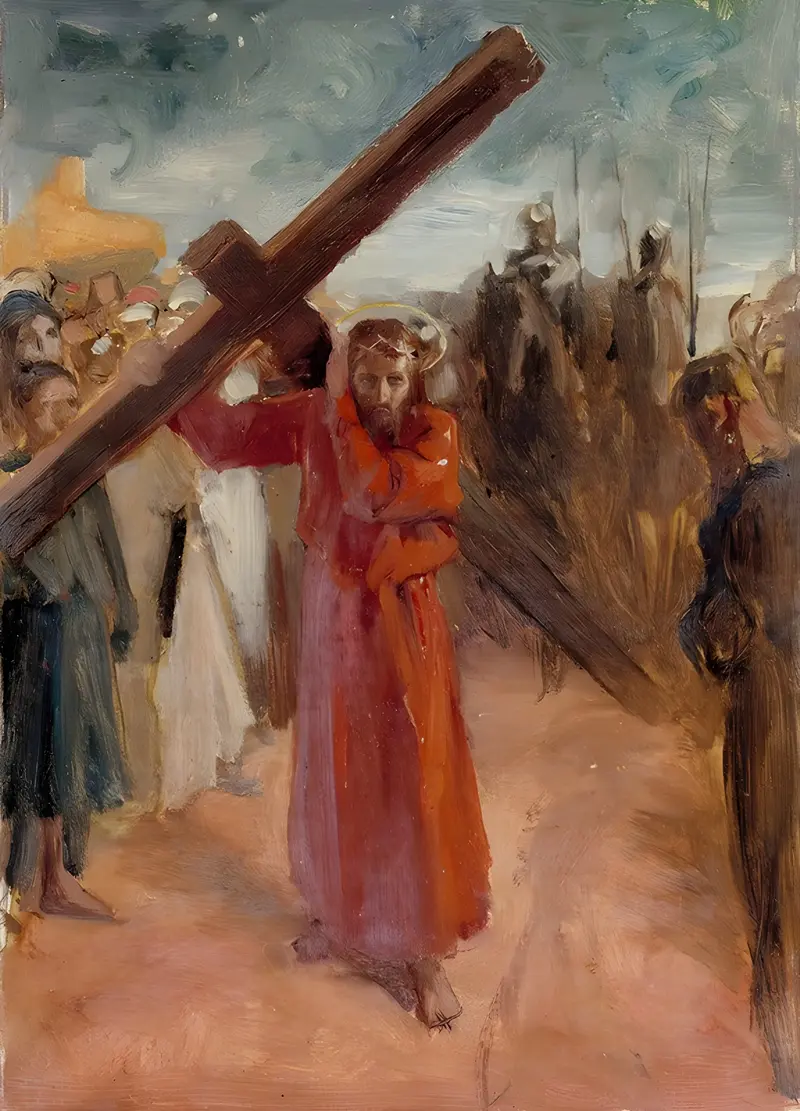
Christ Bears The Cross
Albert Edelfelt
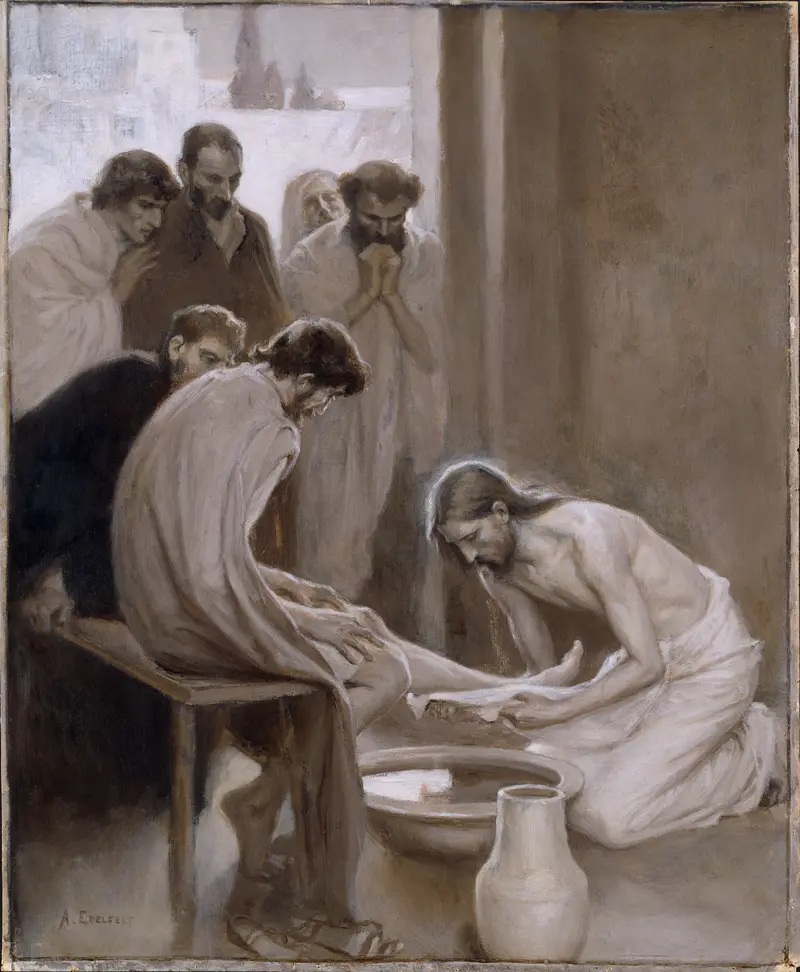
Jesus Washing the Feet of his Disciples
Albert Edelfelt

Larin Paraske with Kantele
Albert Edelfelt
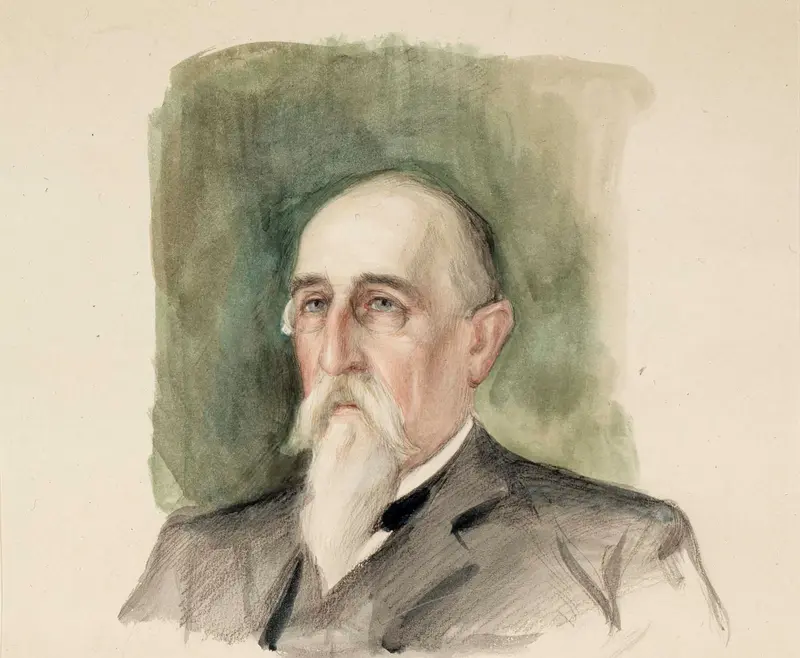
Leo Mechelin, Portrait Study
Albert Edelfelt
More Genre Scene Art

Banquet of the Officers of the St George Civic Guard
Frans Hals

Rembrandt and Saskia in the Scene of the Prodigal Son
Rembrandt van Rijn

Bal du moulin de la Galette
Pierre-Auguste Renoir

Quadrille at the Moulin Rouge
Henri de Toulouse-Lautrec

A Burial at Ornans
Gustave Courbet

When Will You Marry?
Paul Gauguin