Cabbage Patch — History & Facts
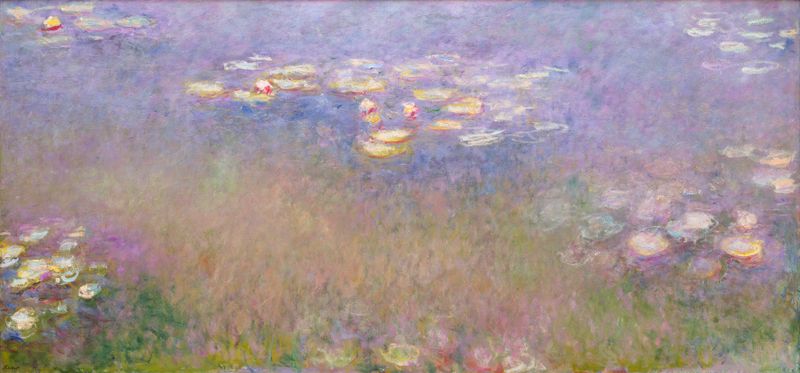
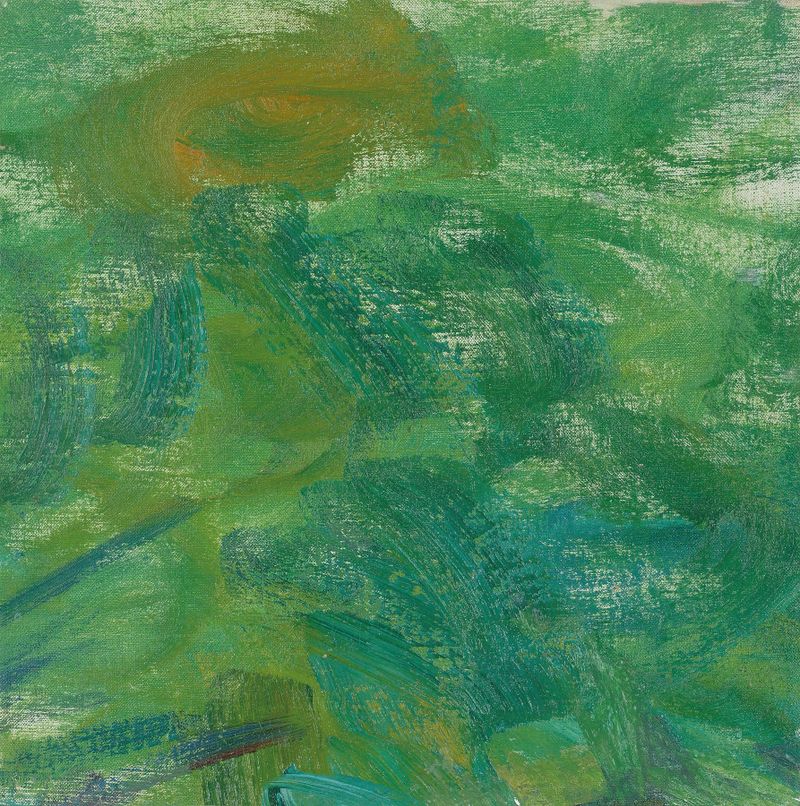
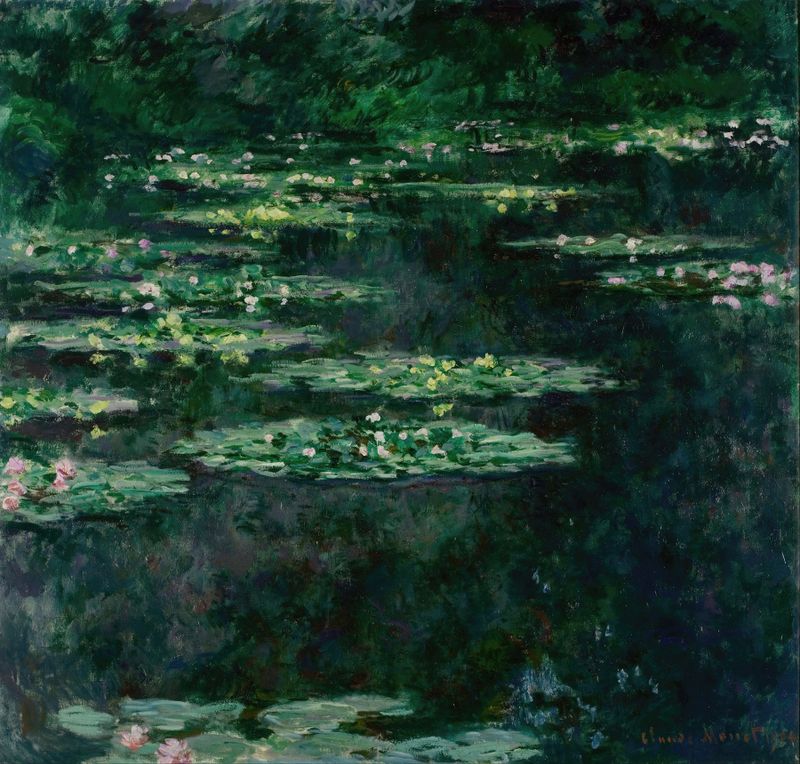
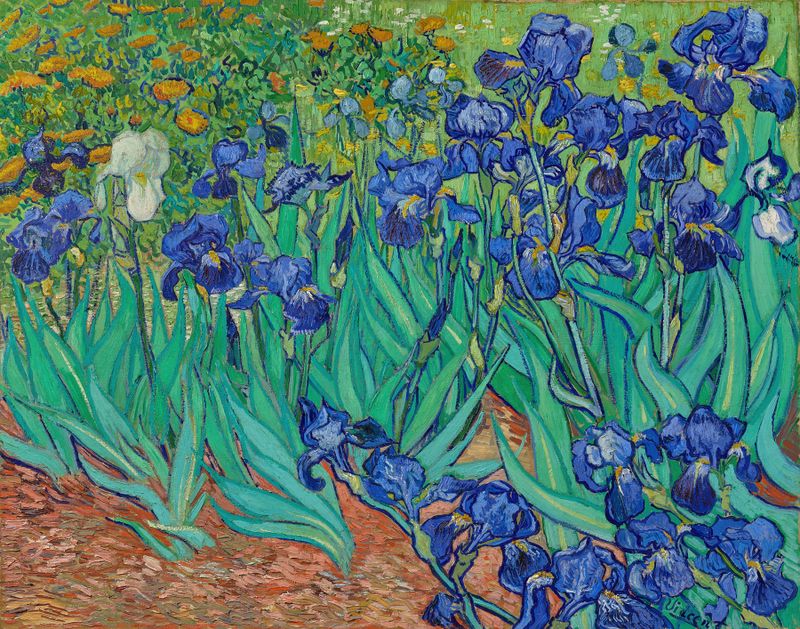
In a world where time moves relentlessly forward, what remnants of the past linger in the quiet corners of our lives? Look to the left at the delicate balance of color — soft greens and muted browns intertwine, creating a harmonious interplay that invites you in. The composition draws your eye toward the vibrant cabbage patch, textured with meticulous brushwork that breathes life into each leaf. Notice how the light dances across the surface, casting subtle shadows that enhance the depth, evoking a sense of nostalgia reminiscent of simpler days. Beneath the surface of this pastoral scene lies a poignant reflection on loss and memory.
The vibrant cabbage represents not merely sustenance but also the fragility of life and the inevitability of change. The careful arrangement of the cabbages hints at the care and attention that once filled this space, while the muted background serves as a quiet reminder of absence, inviting viewers to contemplate what has faded away. Here, nature’s abundance coexists with the ache of longing. In 1894, while painting Cabbage Patch, Cornoyer found himself immersed in a period of change in the American art scene, where realism began to bloom amidst the influence of impressionism.
Working in New York, he focused on everyday subjects, capturing their beauty and emotional resonance. This era, marked by the tension between tradition and innovation, shaped his approach, leading him to find depth in the ordinary and echo the sentiments of a society grappling with both progress and nostalgia.
More Artworks by Paul Cornoyer
Browse all →
The Plaza after the Rain
Paul Cornoyer
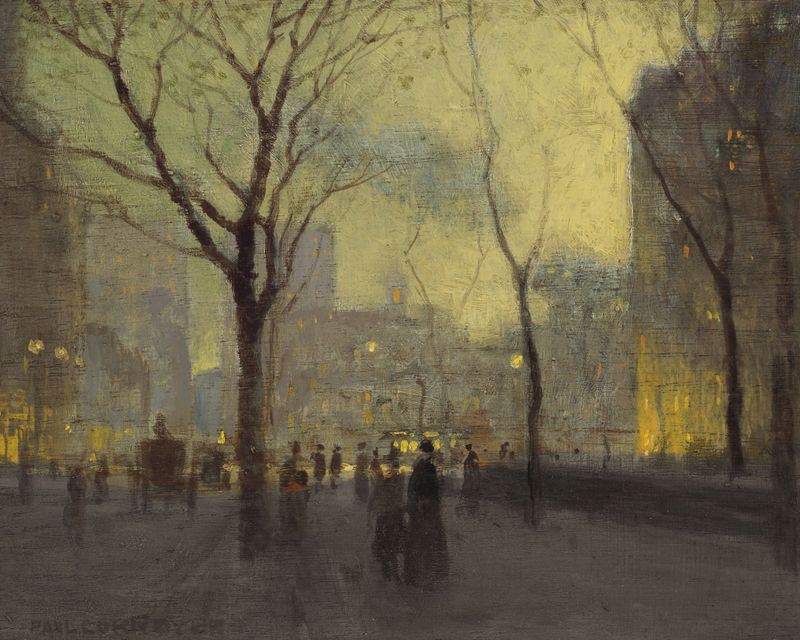
Plaza Hotel in the Rain
Paul Cornoyer
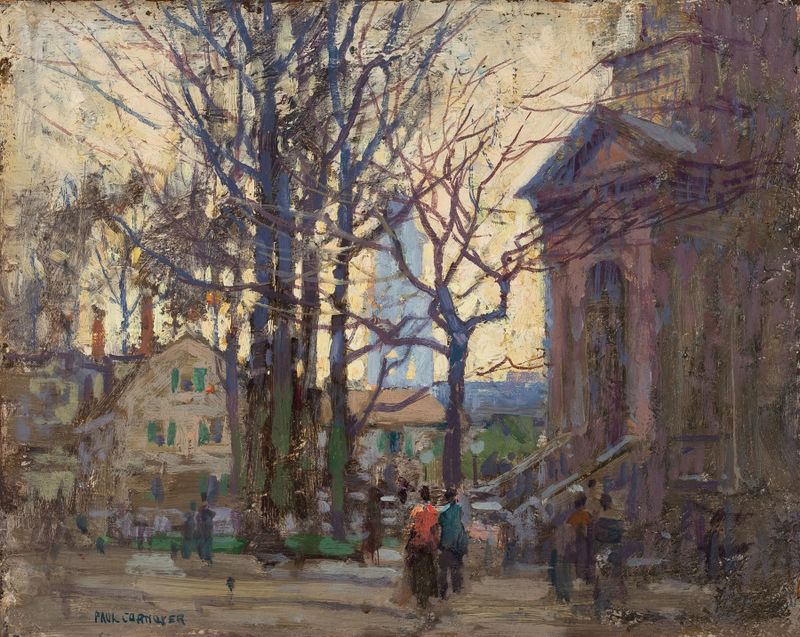
A Gloucester Street
Paul Cornoyer
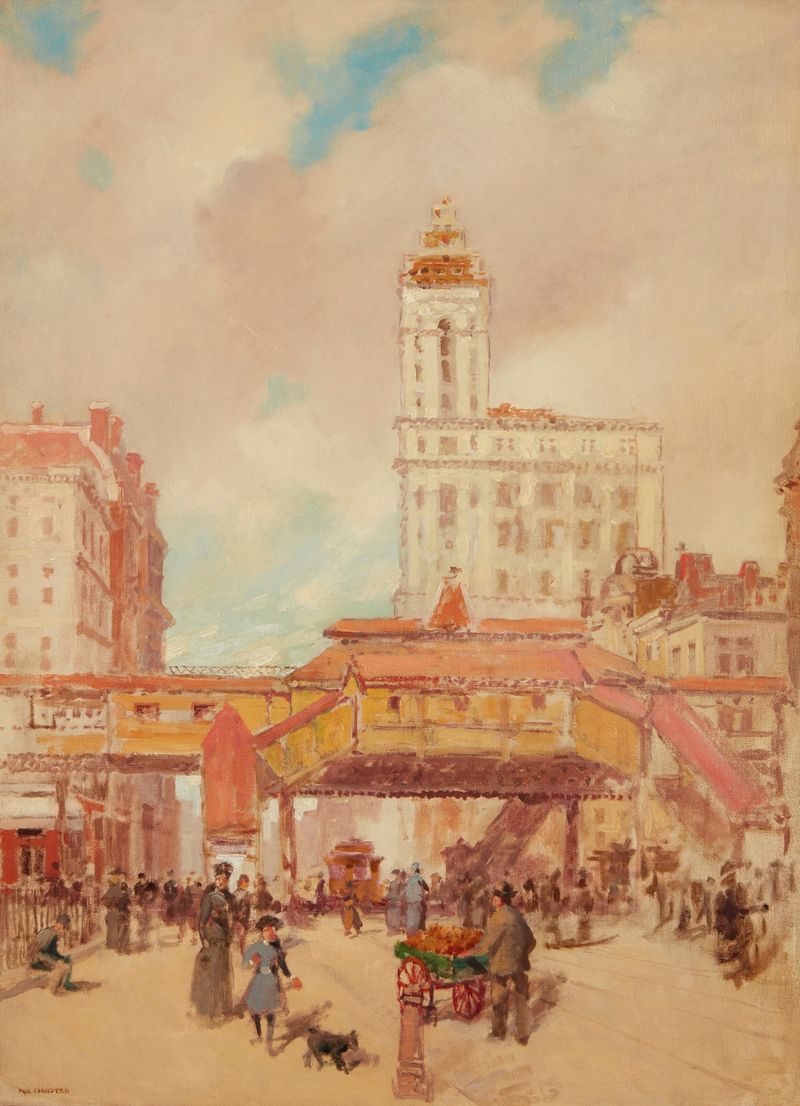
Third Avenue, New York
Paul Cornoyer
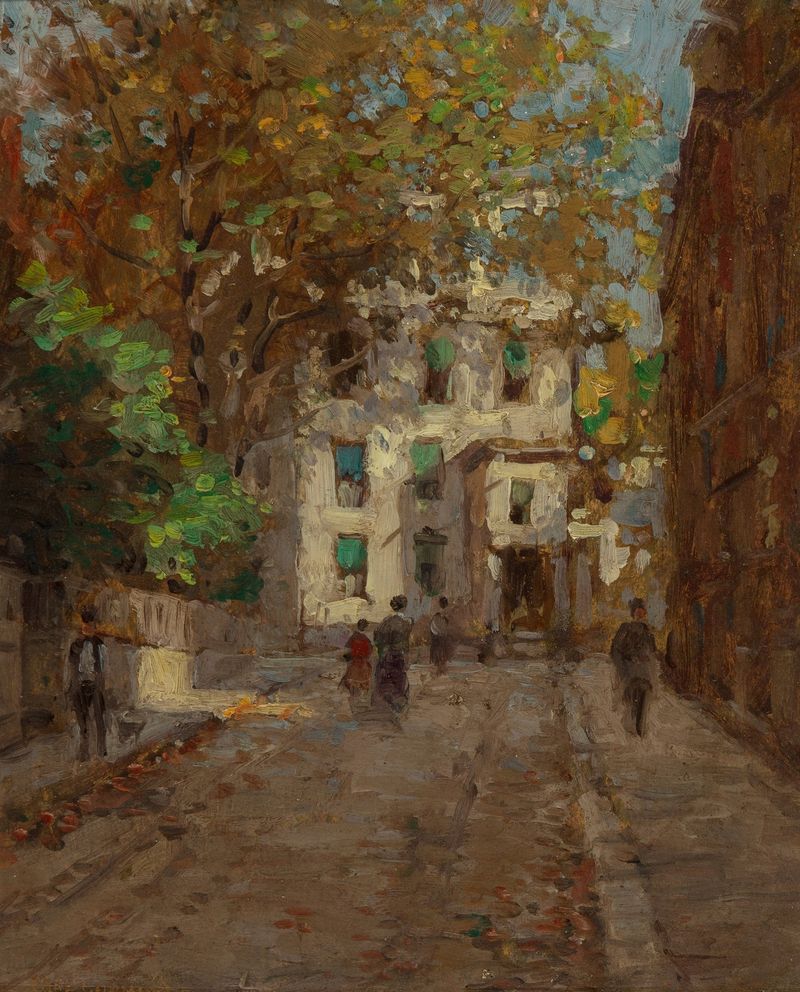
The Village, New York City
Paul Cornoyer

Washington Square, New York
Paul Cornoyer
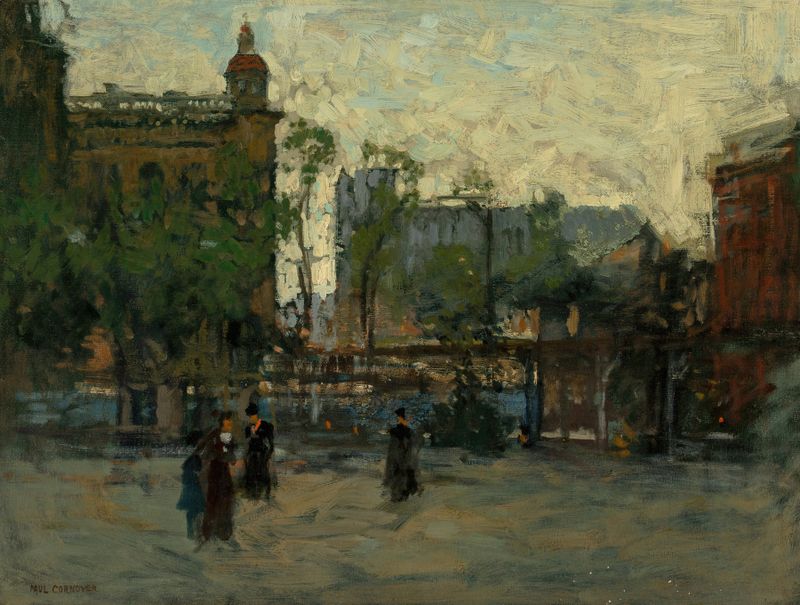
Early Evening, Empire Park, New York
Paul Cornoyer
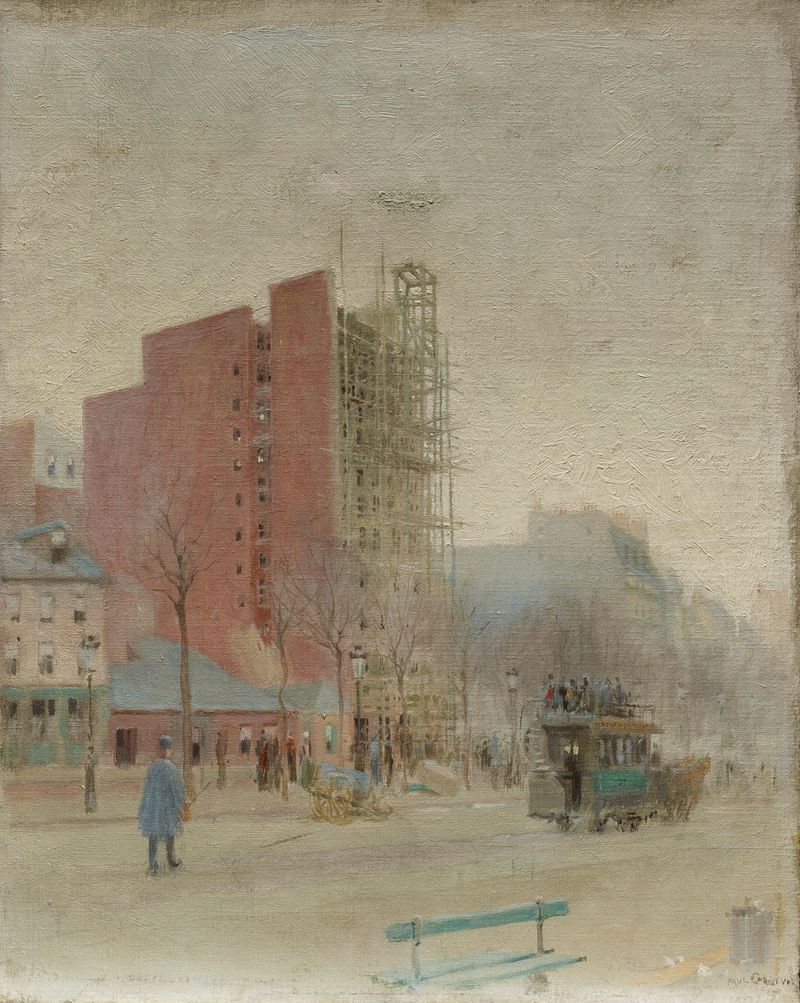
Street Scene
Paul Cornoyer
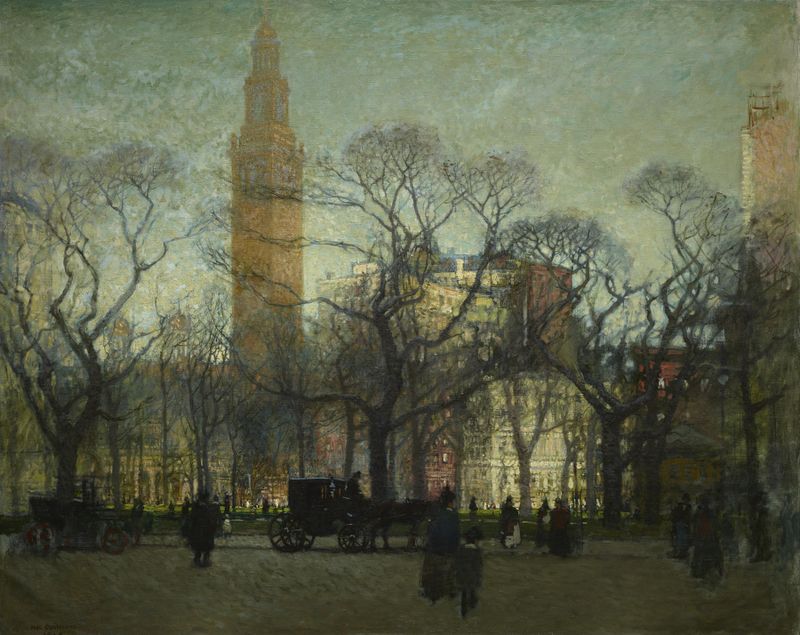
Afternoon Madison Square
Paul Cornoyer
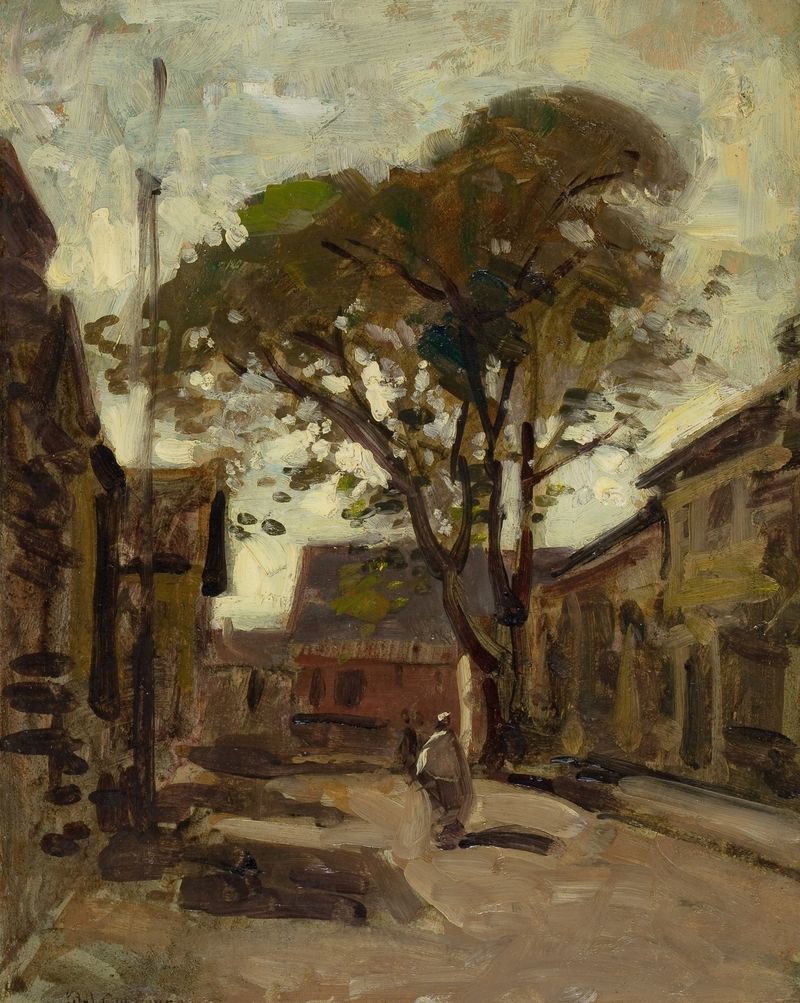
View of a Town Square with a Man
Paul Cornoyer