
Cala Bona — History & Facts
When did color learn to lie? In the delicate interplay of hue and shadow, Cala Bona reveals truths that whisper rather than shout, inviting viewers into a world where perception dances on the edge of reality. Focus on the gentle waves that lap at the shore, where the cerulean blue of the sea melds seamlessly with the golden sands. Notice how the sunlight glistens upon the water's surface, casting a warm glow that hints at a paradise just beyond the frame. The composition is masterfully balanced, leading the eye from the tranquil beach to the distant horizon, where the sky flirts with shades of soft lavender and peach.
Each brushstroke reveals Ciągliński's meticulous attention to detail, creating an almost tangible experience of serenity. Yet beneath this idyllic façade lies a tension between the beauty of nature and the ephemeral nature of human existence. The empty beach speaks of solitude and contemplation, evoking a sense of longing for connection in an increasingly fragmented world. The artist's choice of vibrant colors juxtaposed with quiet spaces hints at the revelation that beauty can often conceal deeper emotional currents, drawing us into a reflective state that challenges our understanding of paradise. In 1899, Jan Ciągliński painted Cala Bona during a period of personal exploration and artistic awakening.
Living in England, he was influenced by the Impressionist movement, which emphasized light and color over strict realism. This work emerged as he sought to capture fleeting moments in nature, reflecting the broader art world’s shift towards emotive expression and the celebration of everyday beauty.
More Artworks by Jan Ciągliński
Browse all →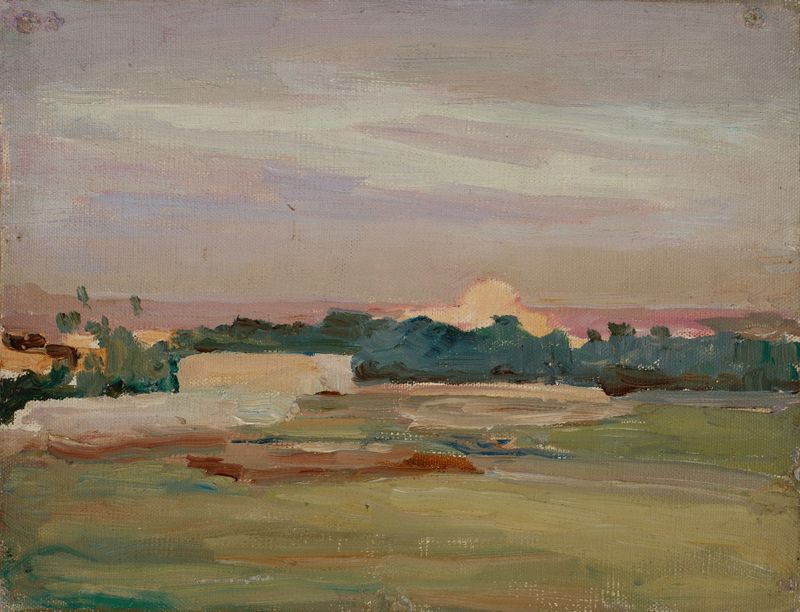
The Sirocco
Jan Ciągliński
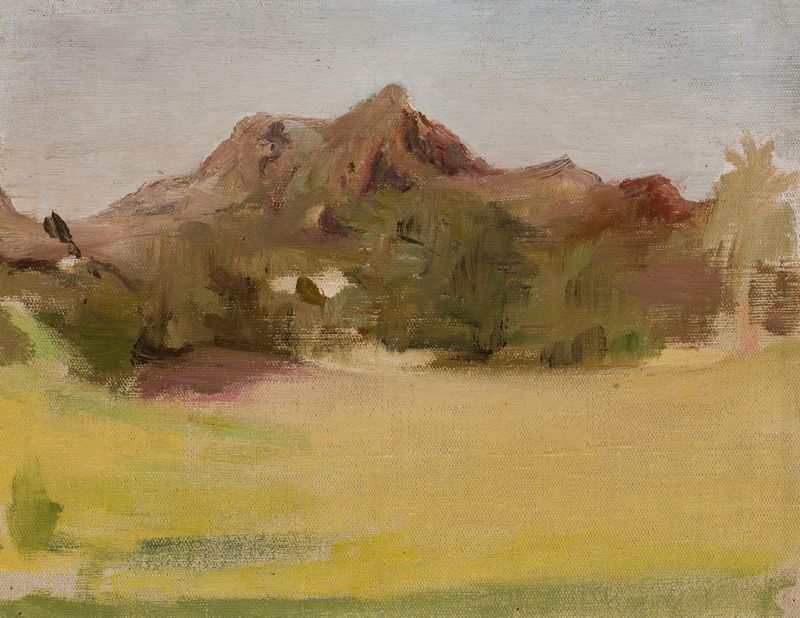
Mountain landscape. From the journey to India
Jan Ciągliński
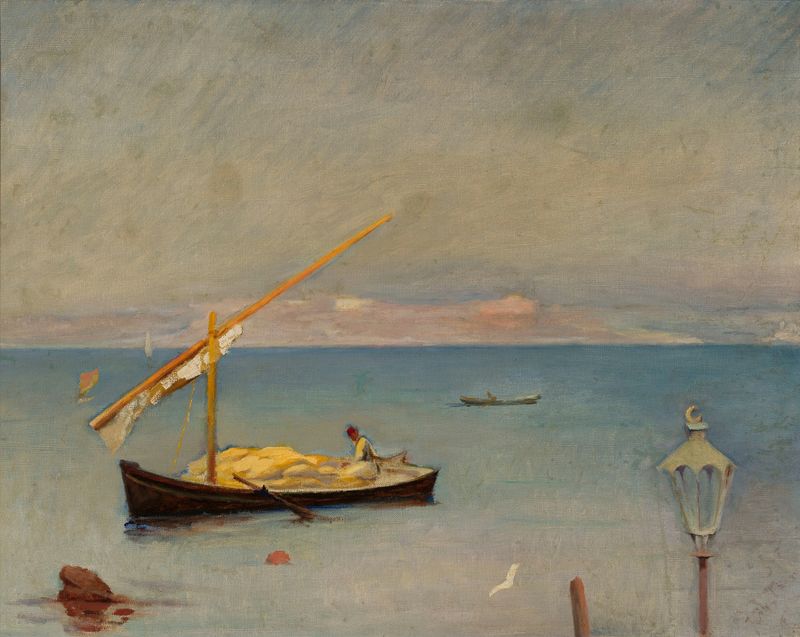
At Bosporus
Jan Ciągliński
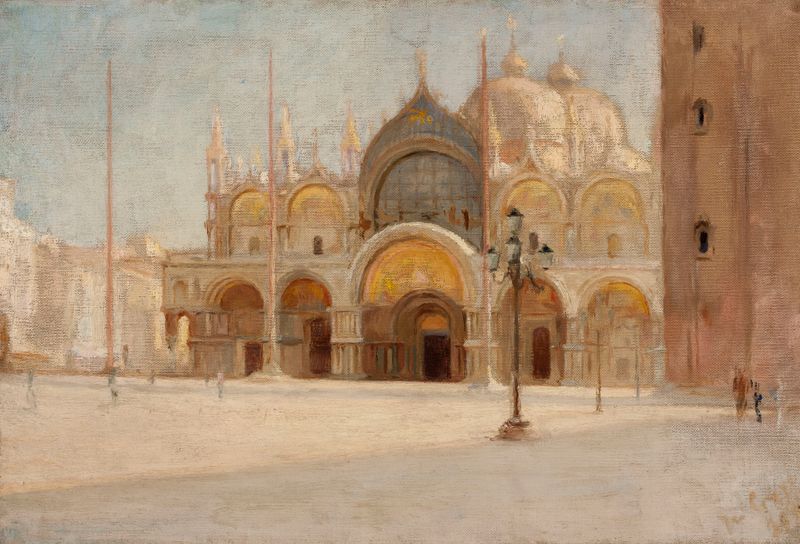
St Mark’s Square in Venice
Jan Ciągliński
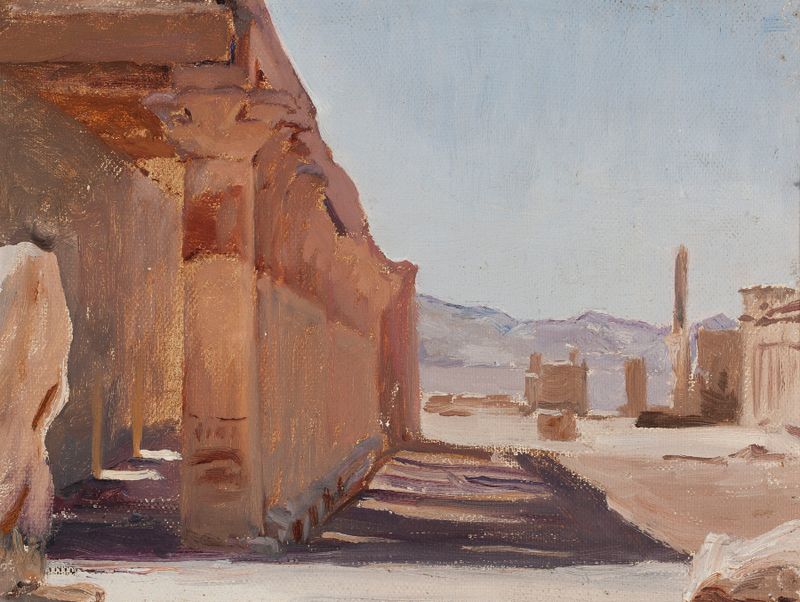
Temple. From the journey to Egypt
Jan Ciągliński
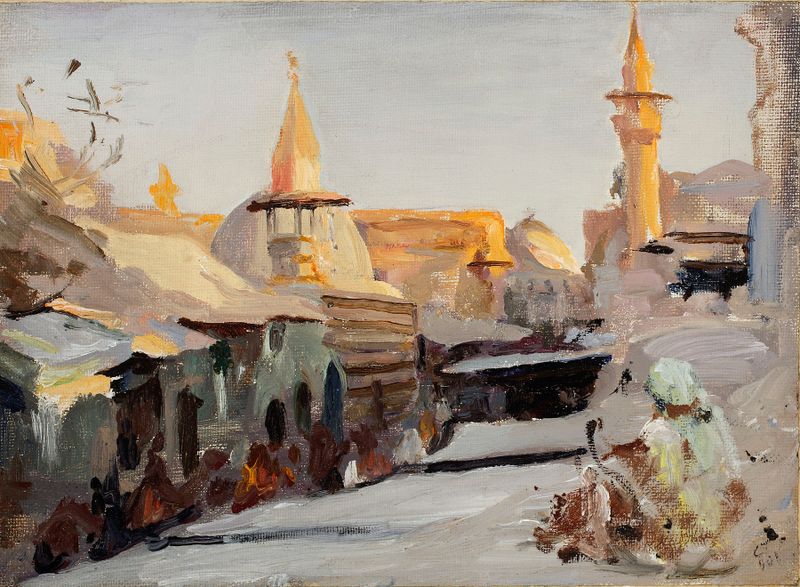
Street in Damascus. From the journey to Palestine
Jan Ciągliński
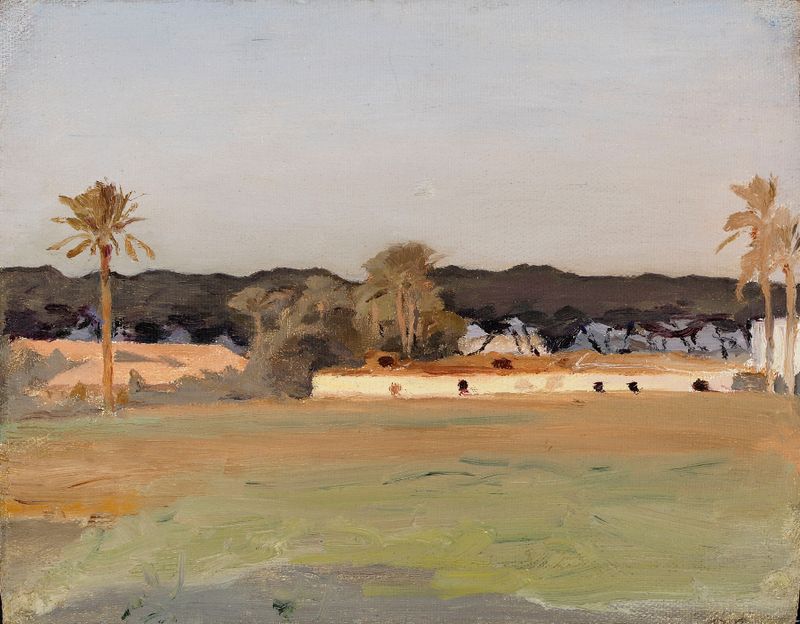
Evening. From the journey to Egypt
Jan Ciągliński
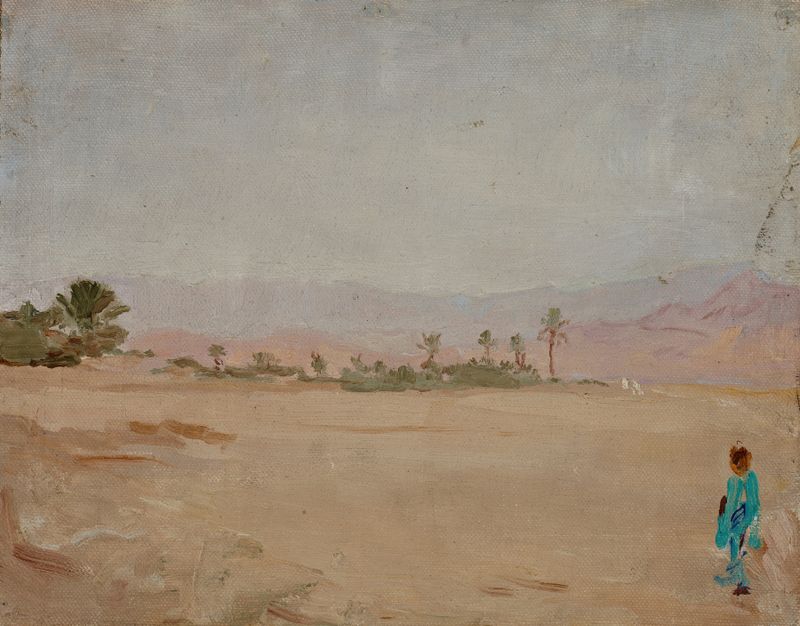
Sahara (Desert)
Jan Ciągliński
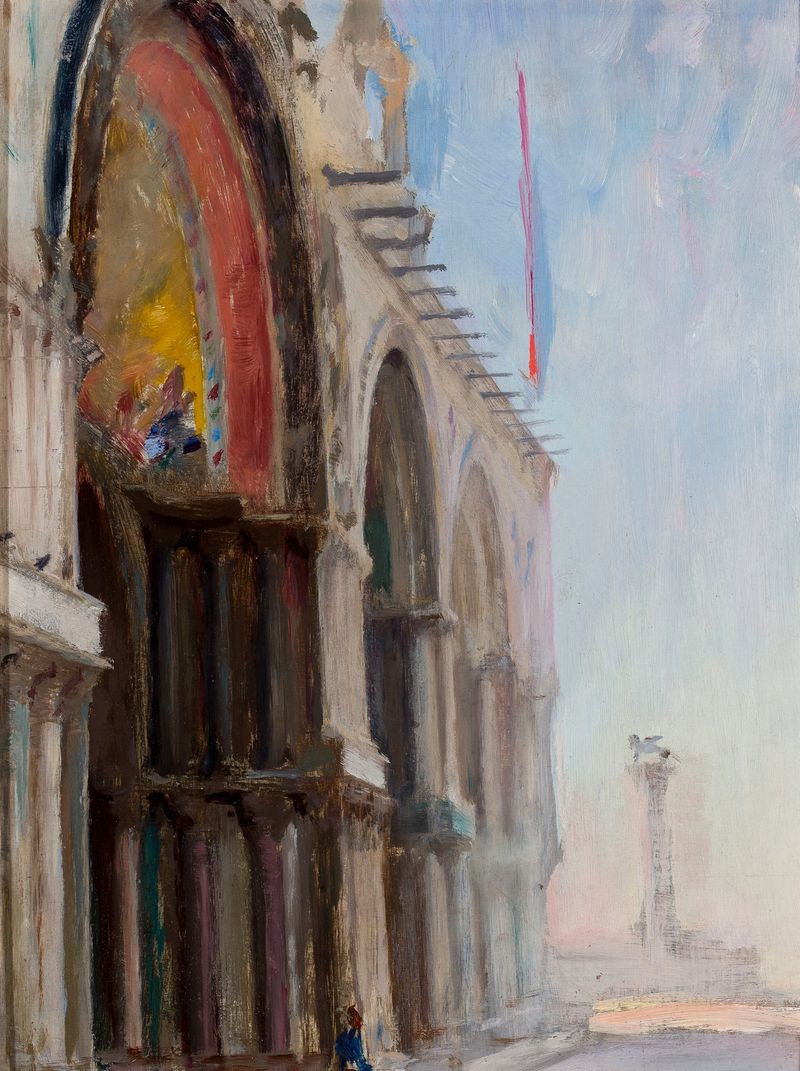
Venice – San Marco. From the journey to Italy
Jan Ciągliński
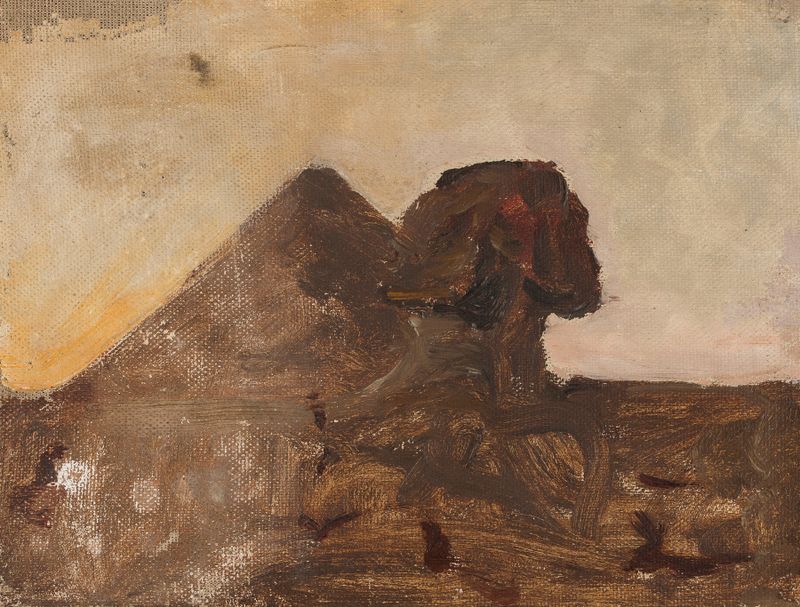
Evening in the desert – Sphinx and pyramid. From the journey to Egypt
Jan Ciągliński





