
Cana of Galilee. From the journey to Palestine — History & Facts
In the delicate intertwining of form and color, the essence of melancholy emerges, inviting contemplation of the human condition. This poignant narrative unfolds through the strokes of the artist, transforming visual chaos into a poignant celebration of life and loss. Focus on the lush greenery that envelops the scene, its rich hues contrasting against the soft, muted tones of the figures gathered by the water. The composition draws your eye to the center, where a moment of shared joy is captured—a wedding feast.
The light dances upon the surface of the water, reflecting the hopes and dreams of those present, while shadows hint at the underlying currents of sorrow and absence that weave through this celebration. Hidden in the detail of the gathering, the artist plays with contrasts; exuberance is tempered by a sense of longing. Notice how the joyous expressions of the wedding guests are juxtaposed with the solitary figure standing apart—perhaps a reflection of the sacrifices made for joy. The delicate interplay between light and shadow enriches the emotional resonance, revealing the bittersweet nature of festivities, where joy is often tinged with the ache of memories and lost opportunities. In 1901, Jan Ciągliński painted this work during a time when art was beginning to shift towards modernism, amidst a world grappling with rapid change.
Living in Paris, he was influenced by both impressionist techniques and the symbolism that sought to convey deeper emotional truths. The period marked a transitional phase in his artistic journey, as he navigated between tradition and the burgeoning modernist ethos, capturing the essence of humanity with every brushstroke.
More Artworks by Jan Ciągliński
Browse all →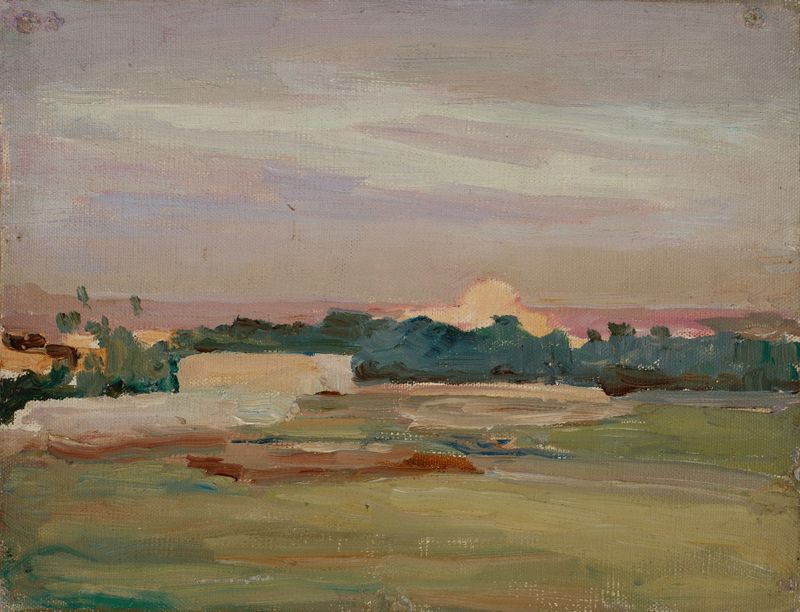
The Sirocco
Jan Ciągliński
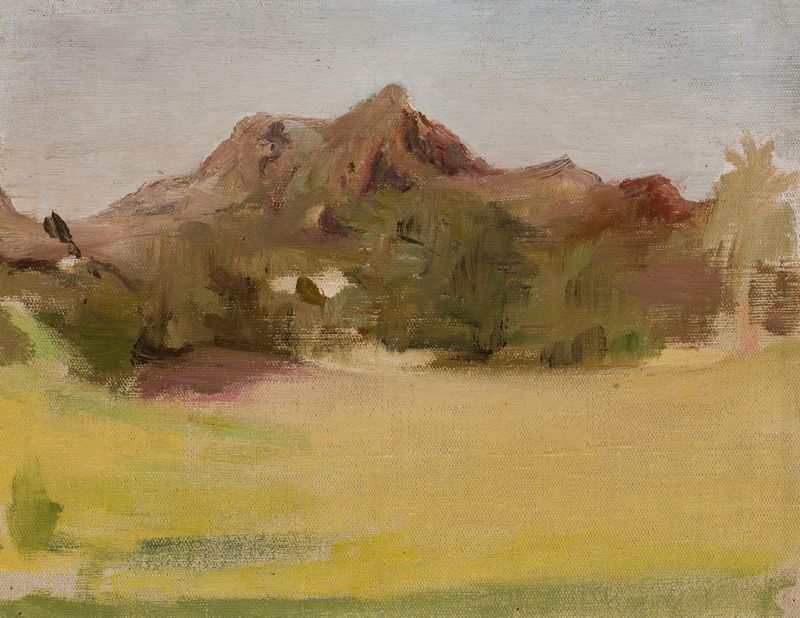
Mountain landscape. From the journey to India
Jan Ciągliński
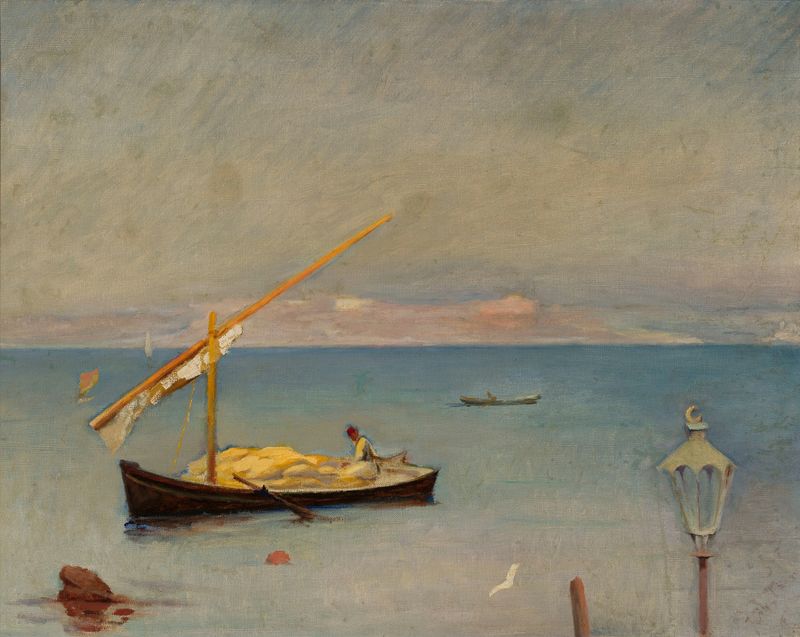
At Bosporus
Jan Ciągliński
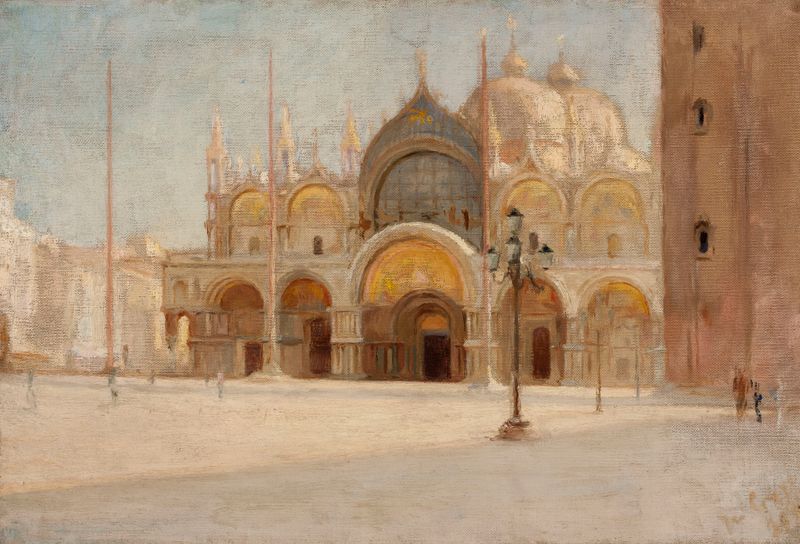
St Mark’s Square in Venice
Jan Ciągliński
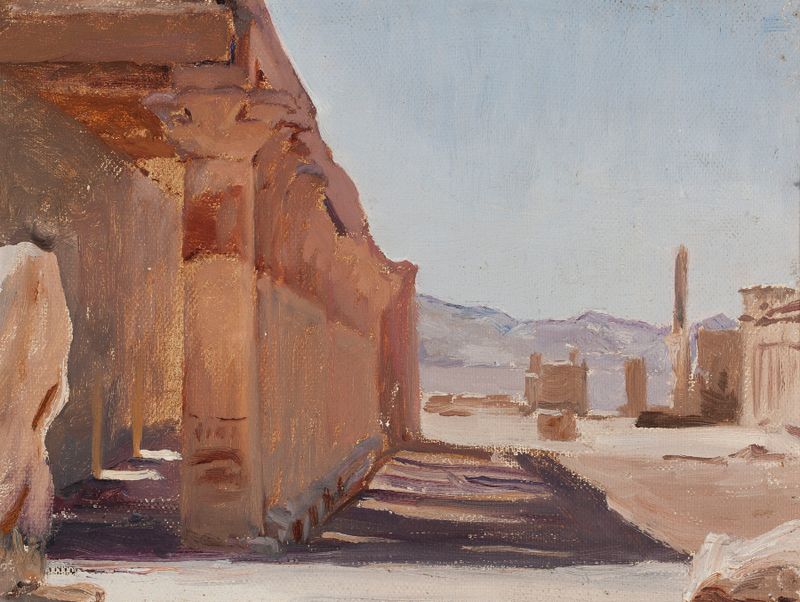
Temple. From the journey to Egypt
Jan Ciągliński
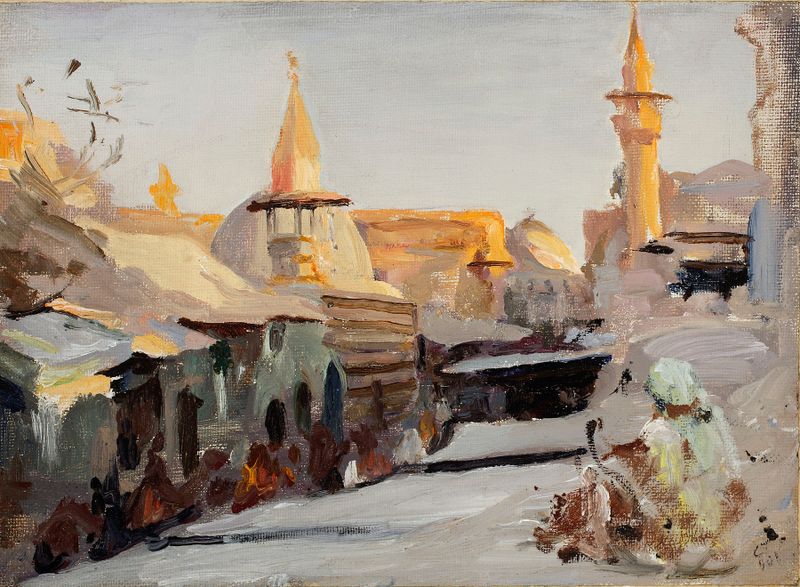
Street in Damascus. From the journey to Palestine
Jan Ciągliński
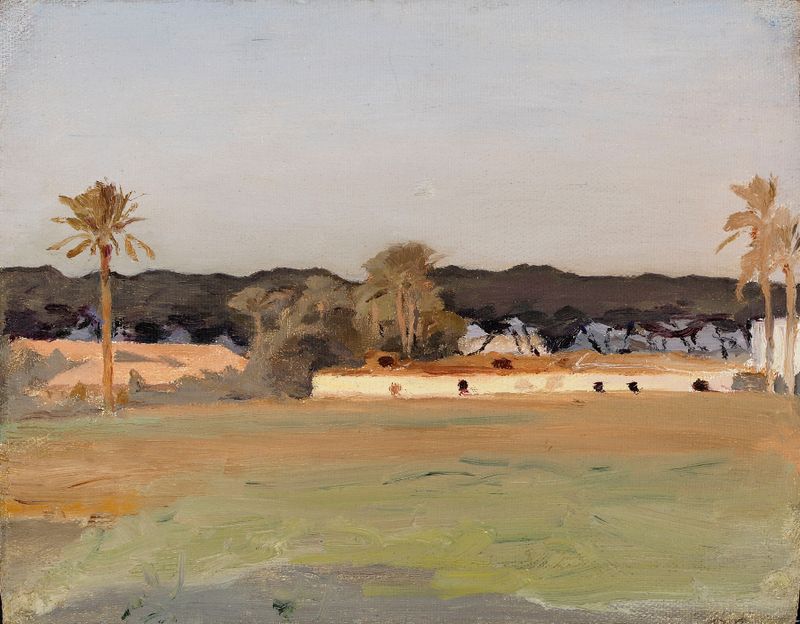
Evening. From the journey to Egypt
Jan Ciągliński
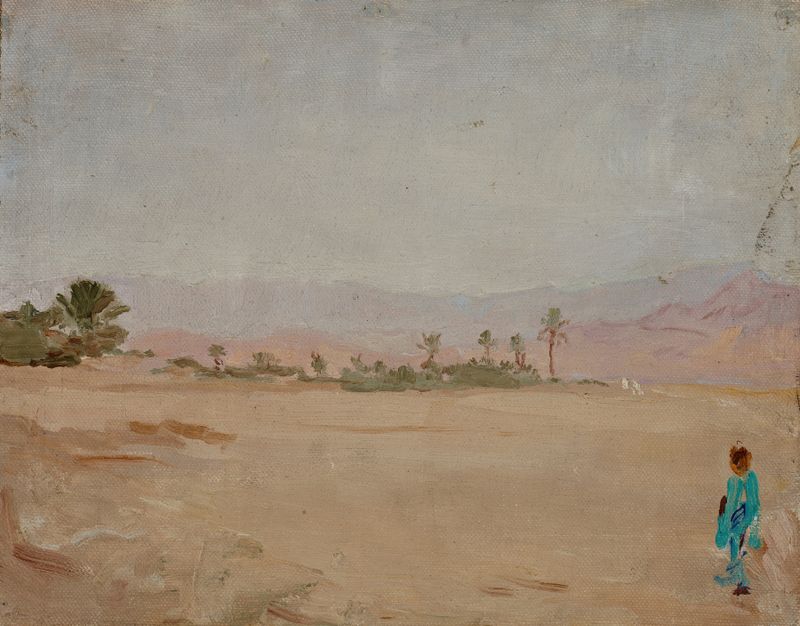
Sahara (Desert)
Jan Ciągliński
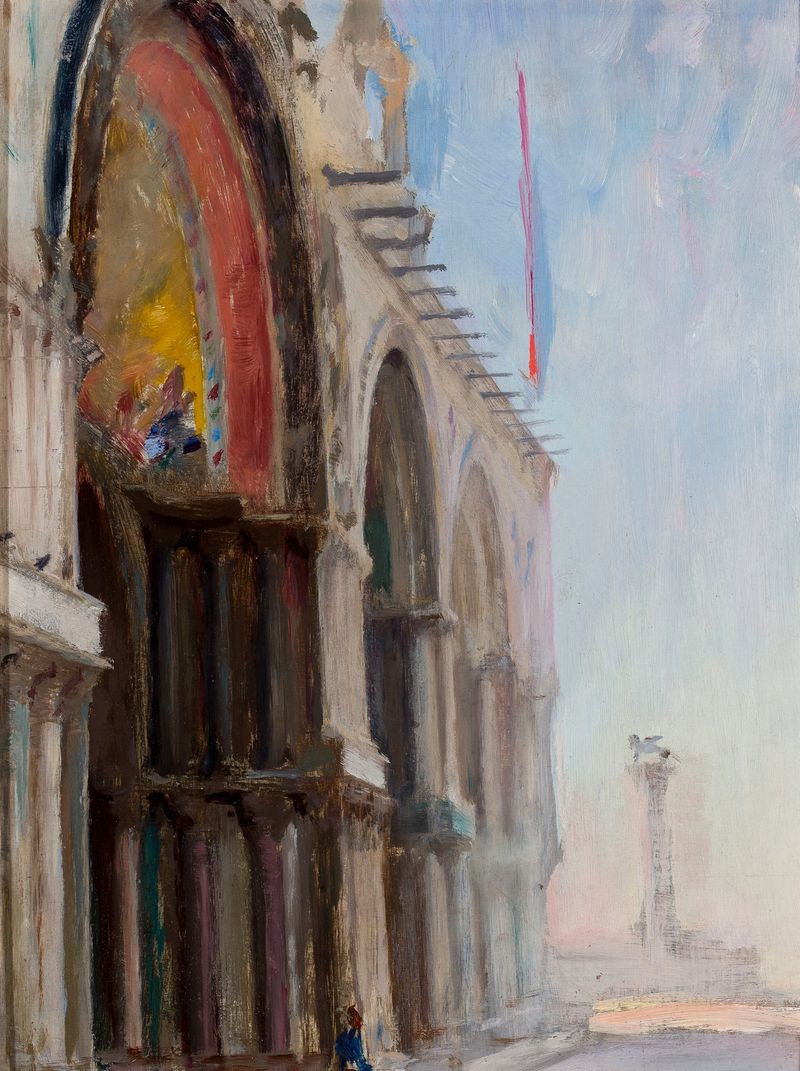
Venice – San Marco. From the journey to Italy
Jan Ciągliński
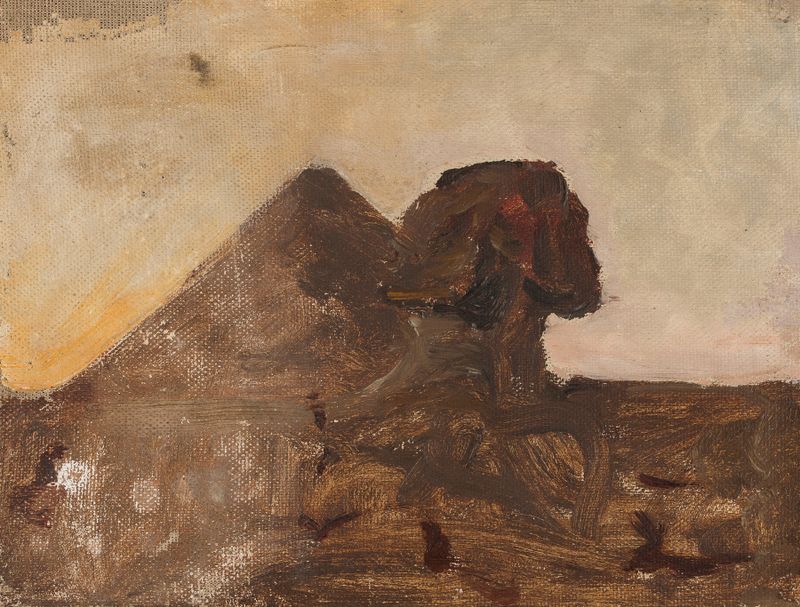
Evening in the desert – Sphinx and pyramid. From the journey to Egypt
Jan Ciągliński





