
Canteleu — History & Facts
In an era defined by the pursuit of emotion and the intimate conversation between nature and the self, Canteleu serves as a testament to the yearning for connection. The canvas whispers to the viewer, inviting them to explore the depths of desire interwoven through landscape and light. Look to the horizon, where the gentle curves of the river embrace the distant banks, drawing your eye toward a peaceful village nestled among the trees. The muted palette of greens and soft blues creates a harmonious atmosphere, while the warm golden glow of sunset bathes the scene in ethereal light.
Notice how the brushstrokes flow effortlessly, capturing the fluidity of nature and the fleeting moments of serenity, inviting contemplation. Yet, within this tranquil beauty lies an undercurrent of longing. The way the clouds hover, heavy with unspoken thoughts, hints at the complexities of desire that linger just beneath the surface. The figures, small and almost lost in the landscape, evoke a sense of isolation, suggesting that even in the embrace of nature, one can still feel profoundly alone.
The delicate balance between the idyllic setting and the shadows of personal yearning speaks to the universal human condition. Created in 1872, Canteleu reflects Jean-Baptiste-Camille Corot’s mature style during a time when he was deeply influenced by the Barbizon School's focus on realism and the effects of light. Living in France, a country undergoing significant societal shifts, Corot's work captures a moment of introspection amid an evolving artistic landscape. This painting embodies his desire to convey emotion through the simplicity and beauty of the natural world, marking a pivotal moment in both his career and the art movement of the time.
More Artworks by Jean-Baptiste-Camille Corot
Browse all →
View of Genoa
Jean-Baptiste-Camille Corot
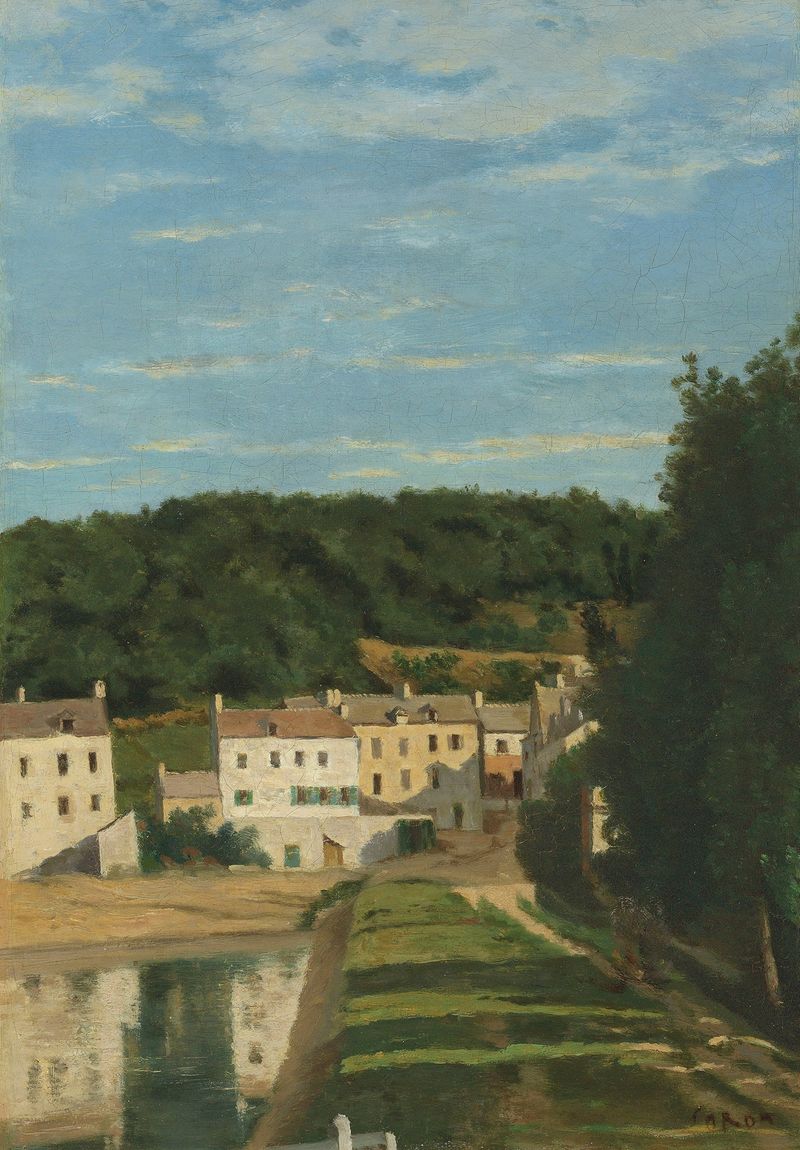
Les Maisons Cabassud À Ville D’avray
Jean-Baptiste-Camille Corot

La solitude. Souvenir de Vigen (Limousin)
Jean-Baptiste-Camille Corot
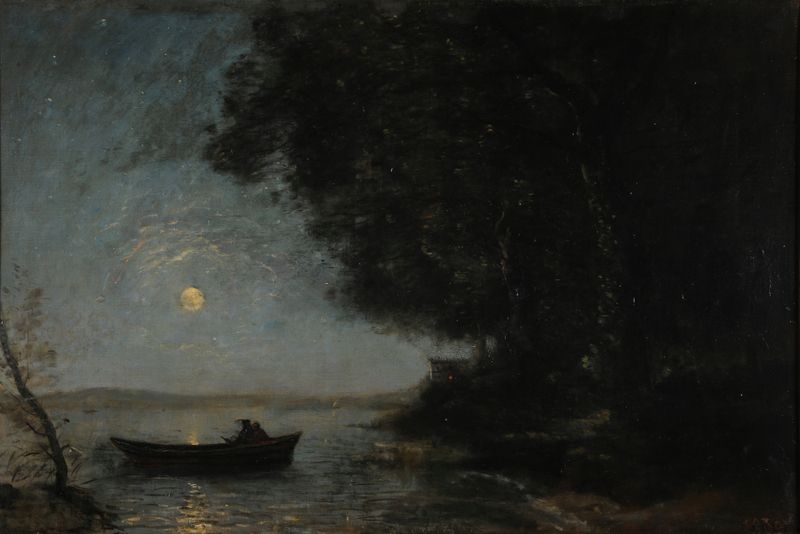
Le lac ; effet de nuit
Jean-Baptiste-Camille Corot
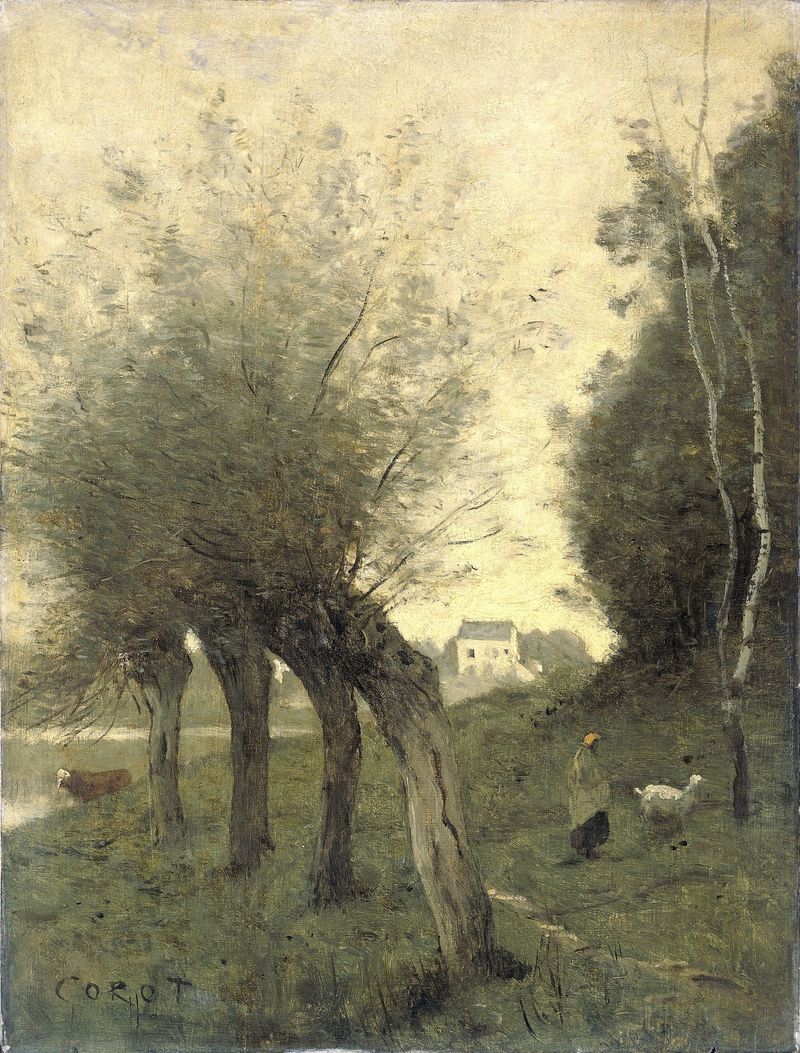
Landscape with Pollard Willows
Jean-Baptiste-Camille Corot
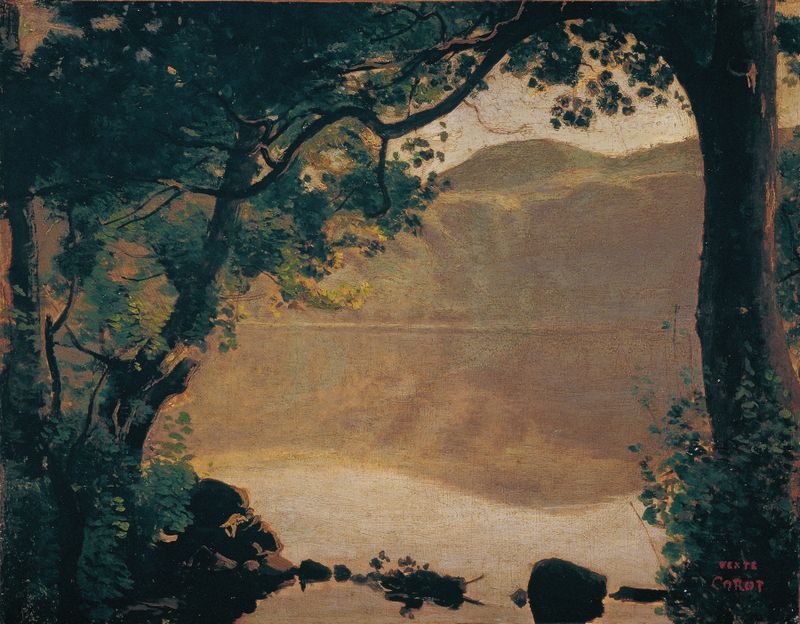
Der Nemisee
Jean-Baptiste-Camille Corot
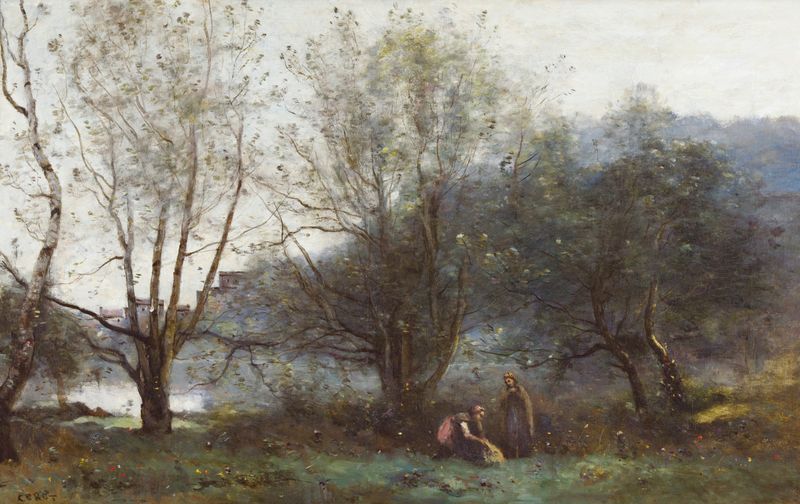
Les Étangs De Ville D’avray
Jean-Baptiste-Camille Corot
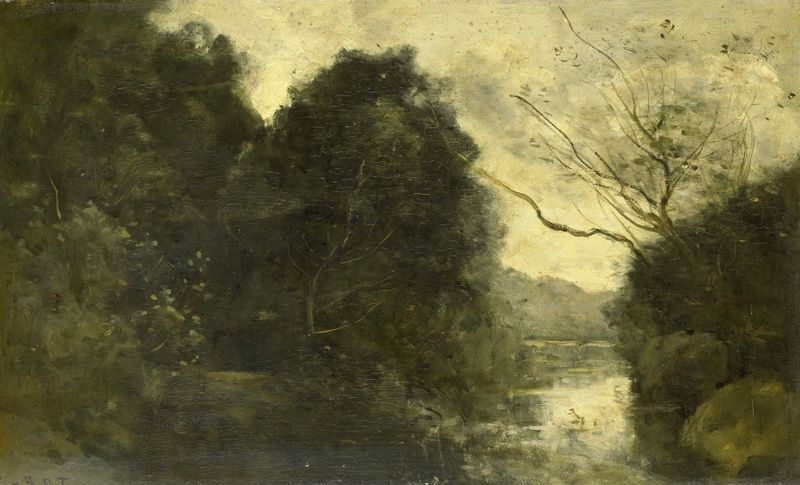
Pond in the Woods
Jean-Baptiste-Camille Corot
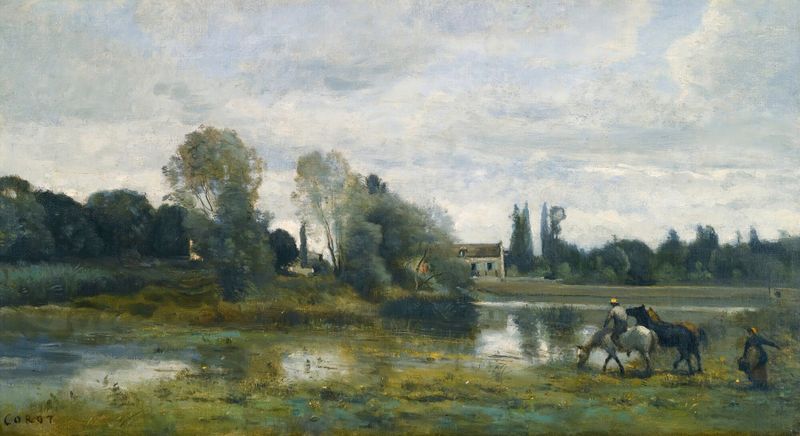
Ville D’avray; L’abreuvoir Des Chevaux
Jean-Baptiste-Camille Corot
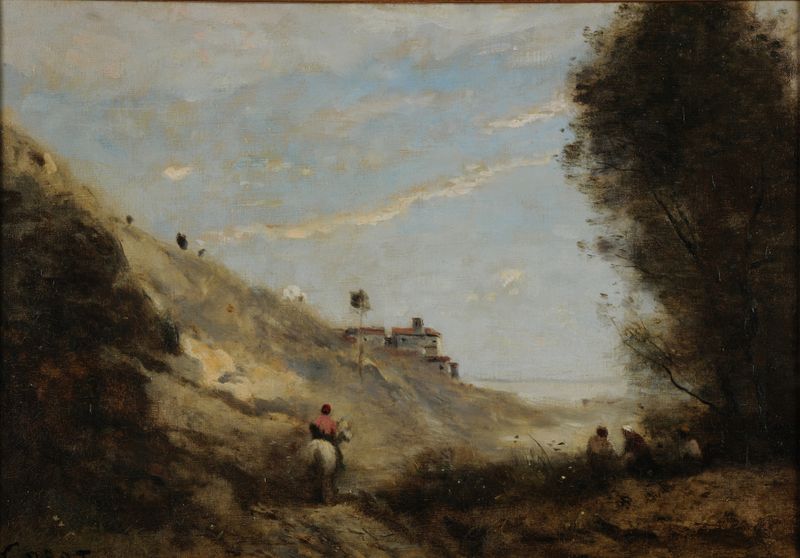
Le vallon au cavalier
Jean-Baptiste-Camille Corot





