
Canyon with Waterfall — History & Facts
Who listens when art speaks of silence? In the stillness of a moment captured on canvas, Canyon with Waterfall invites us to ponder the transformative power of nature and the quietude that envelops it. Look to the left, where the waterfall cascades down the rocky cliff, its fluidity contrasting sharply with the rigid, jagged formations surrounding it. The sunlight filters through the trees, illuminating the lush greenery in vibrant shades of emerald and olive, while the shadows create depth, emphasizing the cavernous space of the canyon. The artist’s brushstrokes reveal a delicate interplay of light and texture, guiding the gaze throughout the composition – from the rushing water to the distant horizon where earth meets sky. Within this tranquil scene, the emotional tension between chaos and serenity emerges.
The waterfall symbolizes transformation and the relentless passage of time, while the solid rock formations evoke permanence and stability. The juxtaposition of these elements suggests a dialogue between the transient and the eternal, prompting viewers to reflect on life's impermanence amidst nature’s enduring beauty. Caspar Wolf created Canyon with Waterfall in 1775 while living in Switzerland, a period marked by the burgeoning Romantic movement that celebrated the sublime in nature. At this time, the artist was deeply influenced by his surroundings, capturing the dramatic Alpine landscape with a focus on its emotional resonance.
Wolf’s work emerged during an era where artists sought to express the profound relationship between humanity and the natural world, paving the way for future explorations of landscape painting.
More Artworks by Caspar Wolf
Browse all →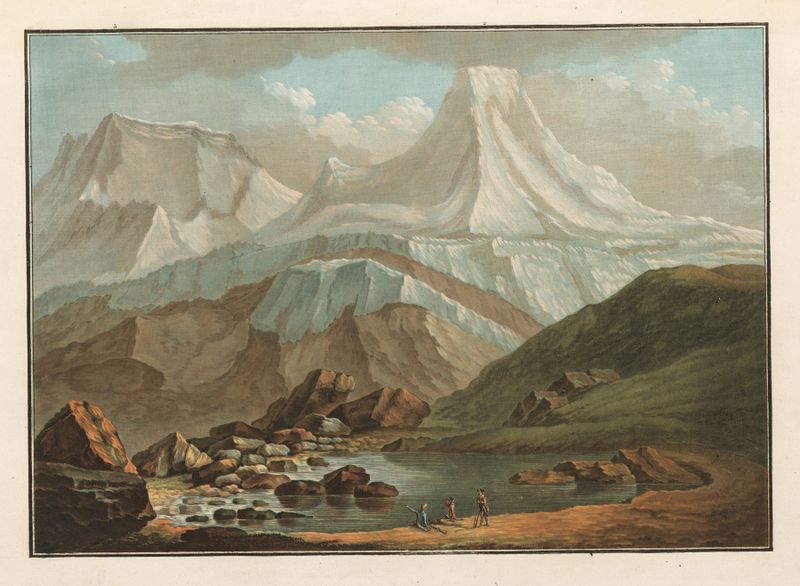
Vue du Gross-Horn et du Breit-Horn avec le petit lac d’Oberhorn
Caspar Wolf
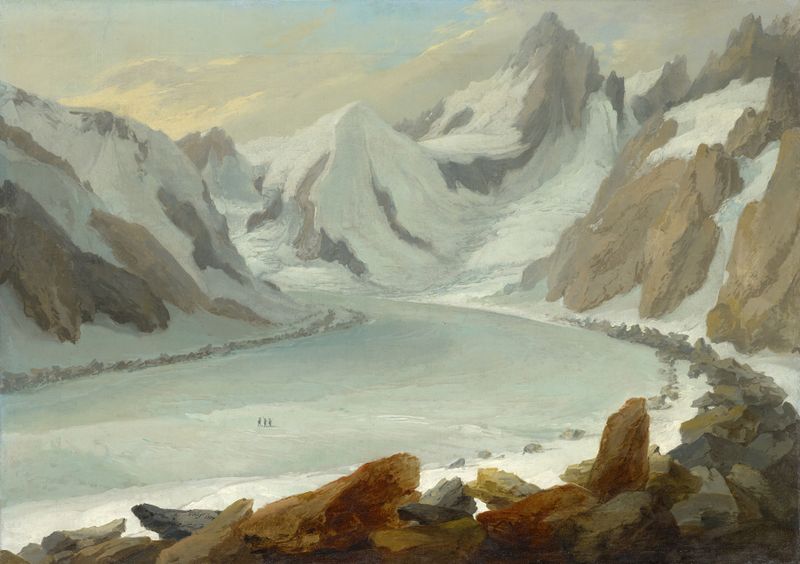
Finsteraargletscher mit Blick auf das Finsteraarhorn
Caspar Wolf
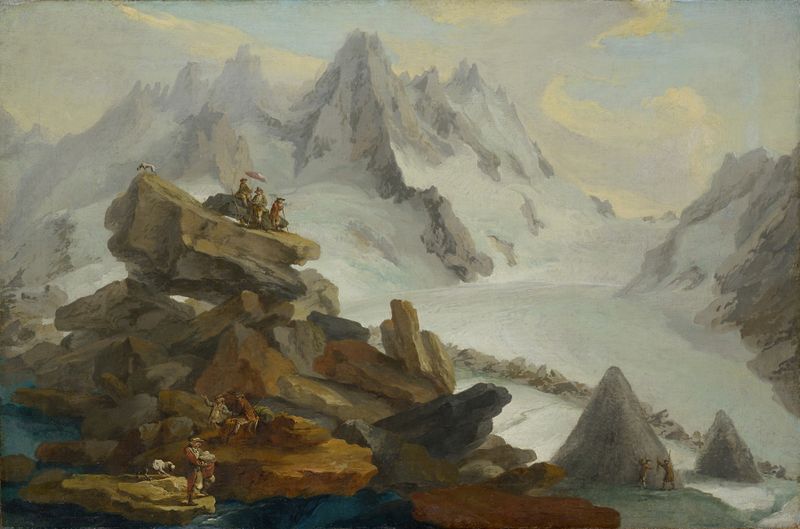
Glacier Lauteraar
Caspar Wolf

Glacier de Lauteraar Canton de Berne Province d’Oberhasli
Caspar Wolf
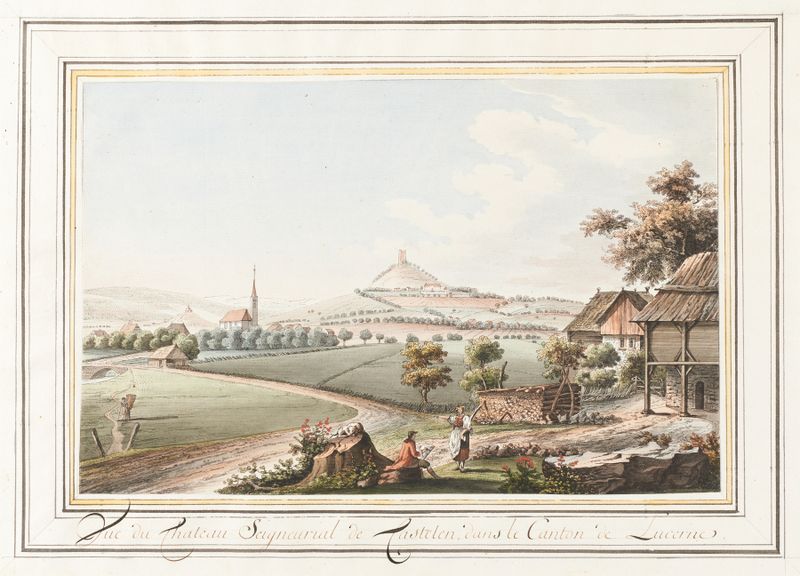
Vue du Chateau Seigneurial de Castelen dans le Canton de Lucerne
Caspar Wolf

Wasserfall im Tobel bei Muri
Caspar Wolf
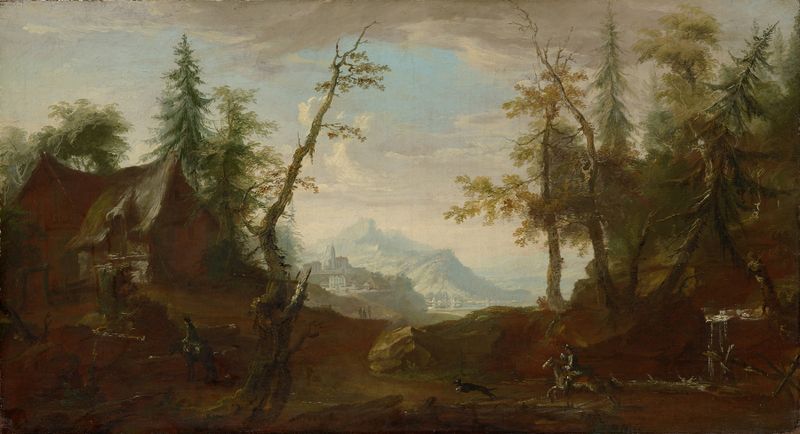
Farmhouse in a Forest Glade with Riders
Caspar Wolf
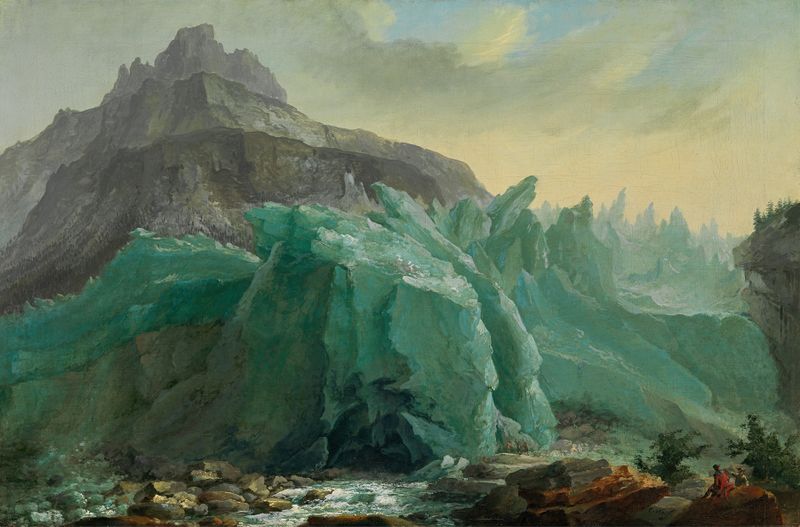
The Lower Grindelwald Glacier with Lütschine and the Mettenberg
Caspar Wolf
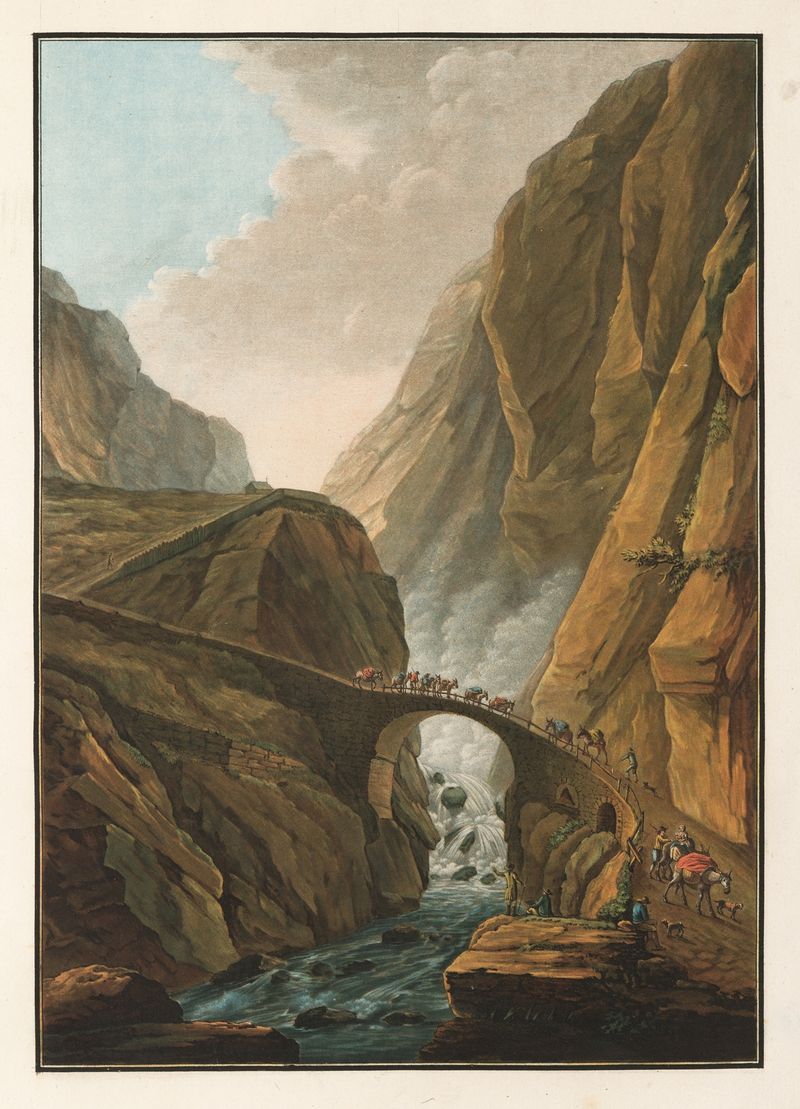
Teufelsbrücke
Caspar Wolf
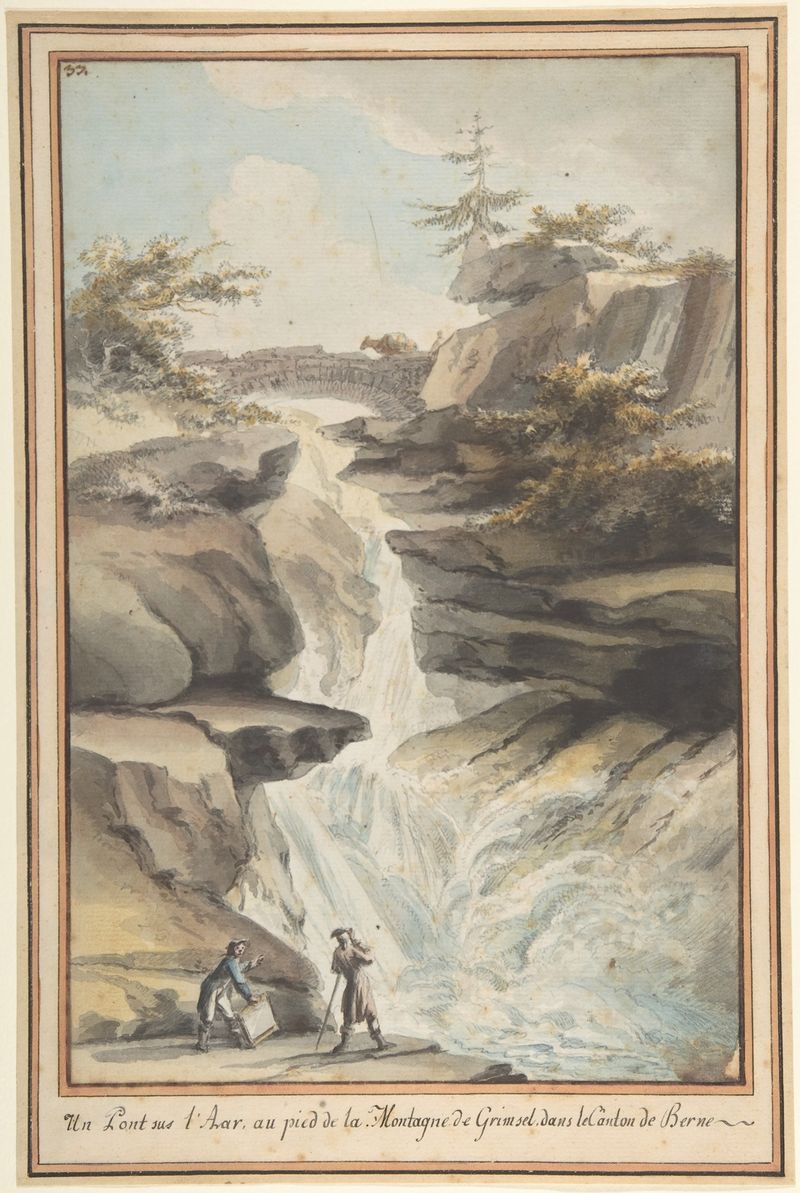
A Bridge on the Aar, at the Foot of the Grimsel, in the Canton of Berne
Caspar Wolf





