
Cape St. Vincent — History & Facts
Can paint confess what words never could? The visceral tension captured in this artwork echoes the violence of nature and humanity, intertwining fate and history in haunting silence. Look to the center, where dark waves crash violently against the jagged rocks, their frothy edges forming a chaotic ballet of movement and energy. Notice how the contrasting palette of deep blues and muted earth tones heightens the sense of impending doom, drawing the eye to the well-defined coastline that stands firm against the relentless sea. The looming clouds, heavy with a storm’s weight, add an ominous atmosphere, their shadows draping over the tumultuous waters below. Delve into the brushwork, where each stroke embodies the struggle between serenity and chaos.
The rugged cliffs symbolize resilience, yet they are set against the backdrop of a tempest that threatens to swallow them whole. This juxtaposition signifies the fragility of human achievement amid nature's fury. The interplay of light and shadow enhances feelings of unease and anticipation, as if the scene teeters on the brink of catastrophe. Charles Hamilton Smith painted this piece during a period of great change in the early 19th century, marked by his keen interest in natural landscapes and marine subjects.
Working in England, he was influenced by the Romantic movement and sought to capture the dramatic forces of nature. This work reflects not only his artistic evolution but also the broader historical context of exploration and conflict, as the world grappled with the violent shifts of the era.
More Artworks by Charles Hamilton Smith
Browse all →
Situation of H.M.S. Hecla & Griper
Charles Hamilton Smith
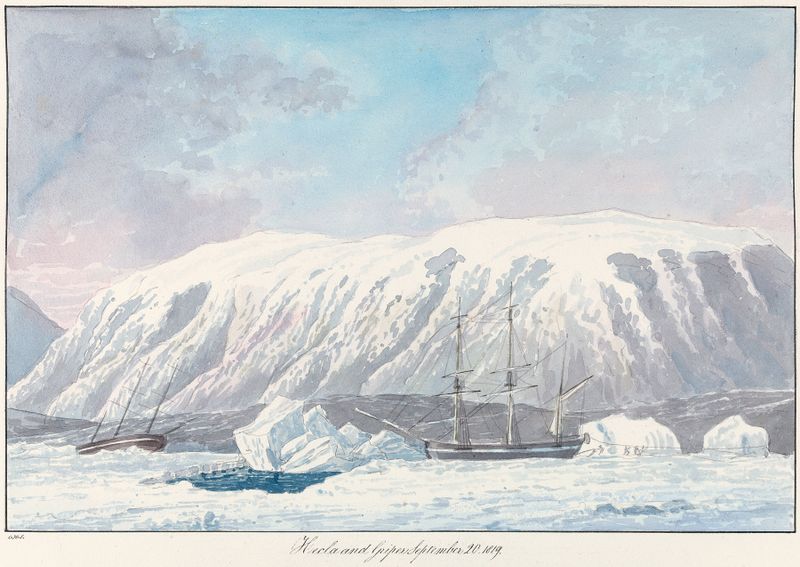
Hecla and Griper
Charles Hamilton Smith

Friendly Cove, Nootka Sound
Charles Hamilton Smith

Iceberg in Baffin’s Bay
Charles Hamilton Smith
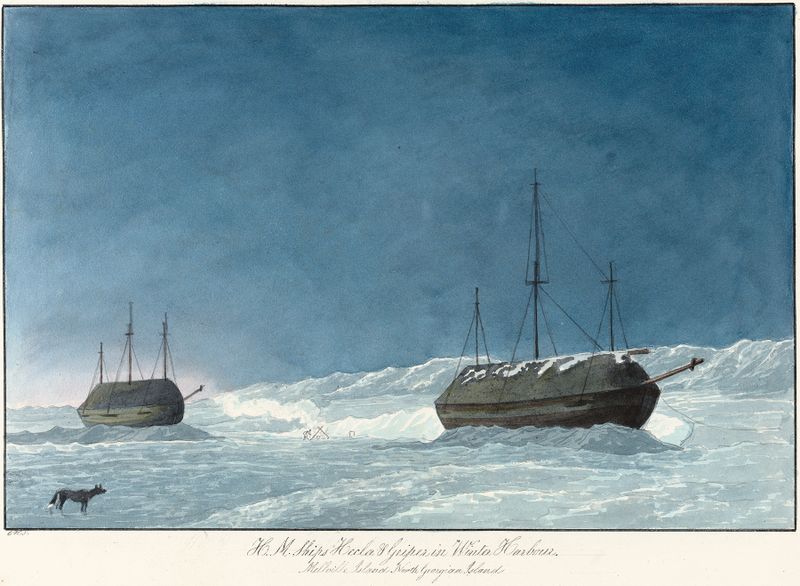
H. M. Ships Hecla and Griper in Winter Harbour
Charles Hamilton Smith

The Erebus & Terror in a Gale in the Pack of the Ice
Charles Hamilton Smith
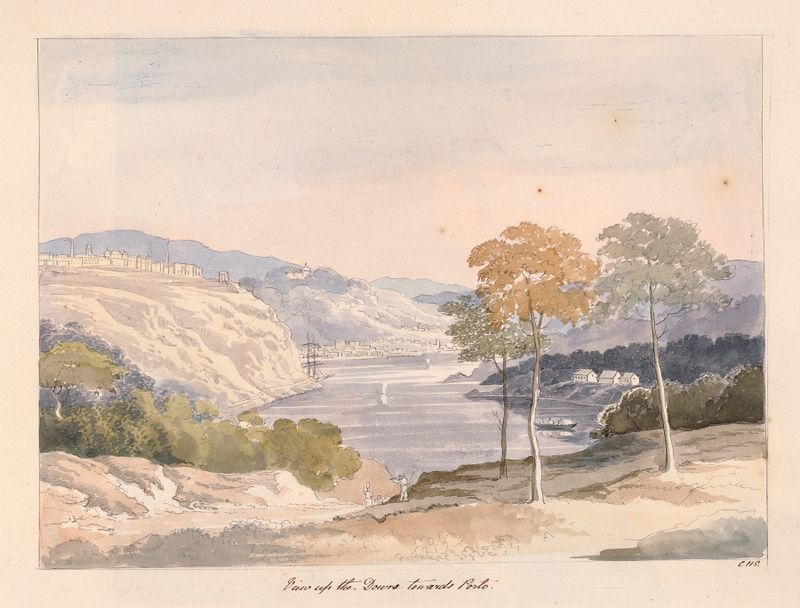
View of the Douro towards Porto
Charles Hamilton Smith
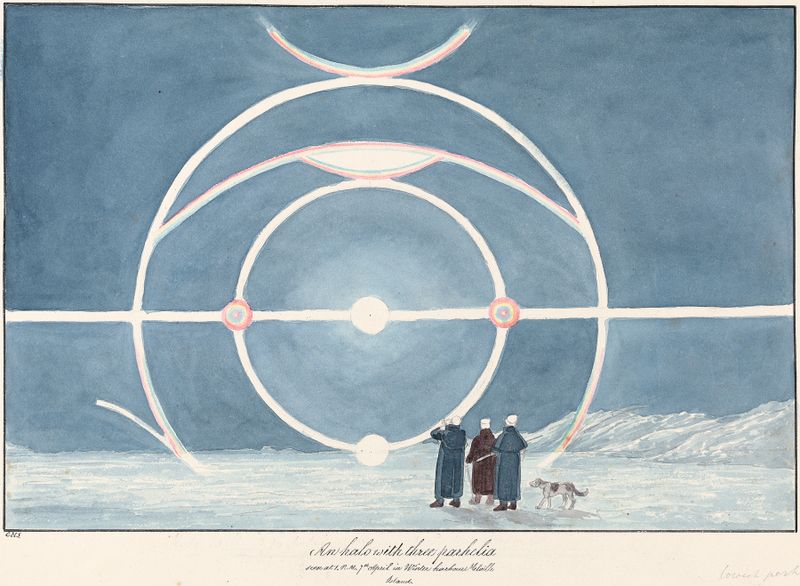
Halo with Three Parhelia, Winter Harbour Melville Island
Charles Hamilton Smith
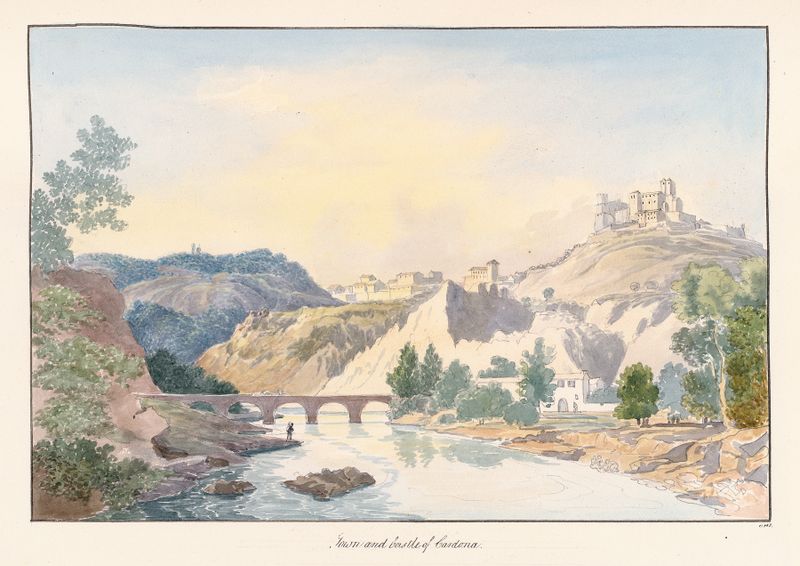
Town and Castle of Cardona
Charles Hamilton Smith
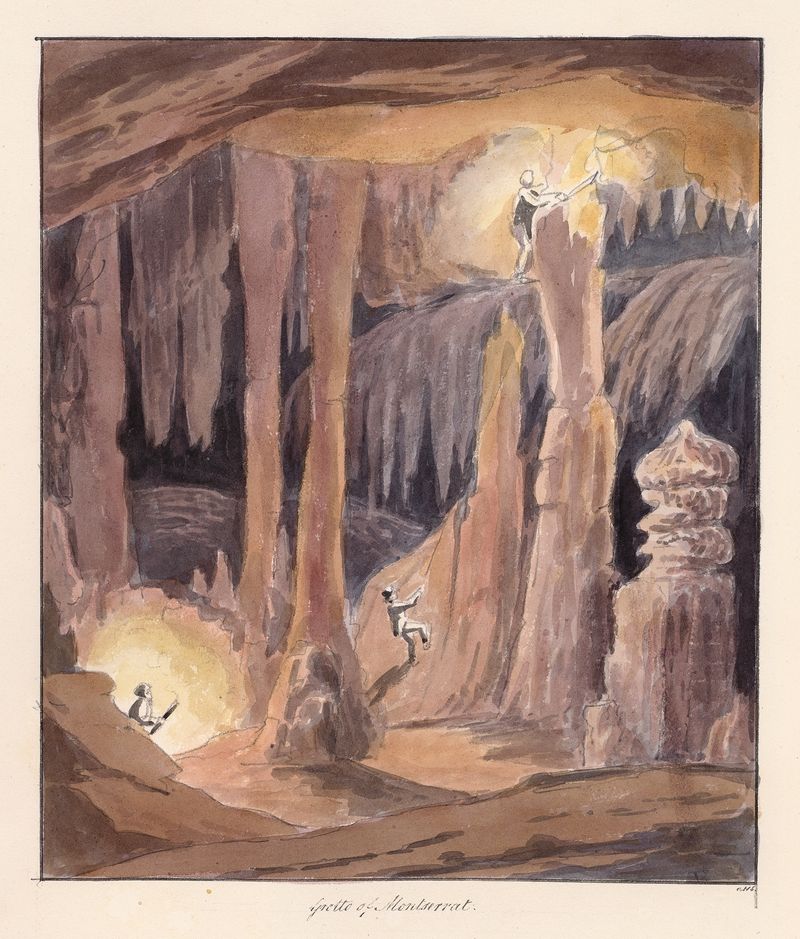
Grotto of Montserrat
Charles Hamilton Smith





