Cappelen — History & Facts
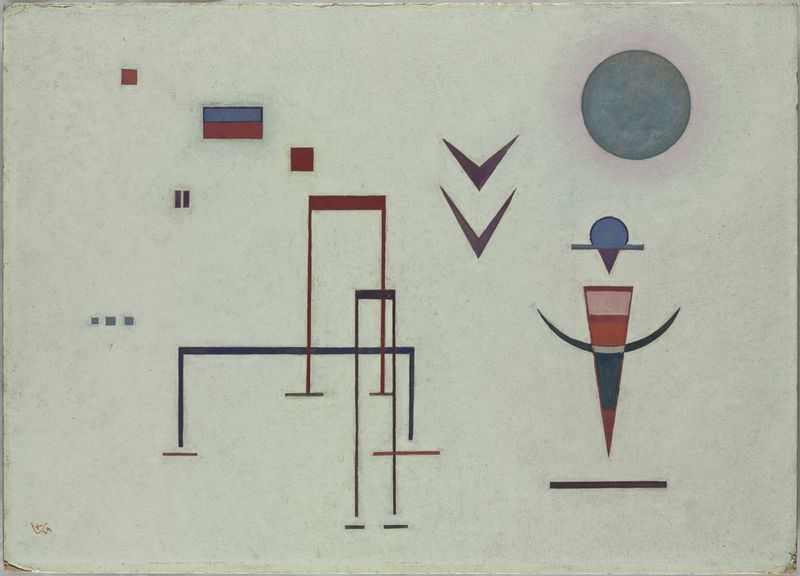
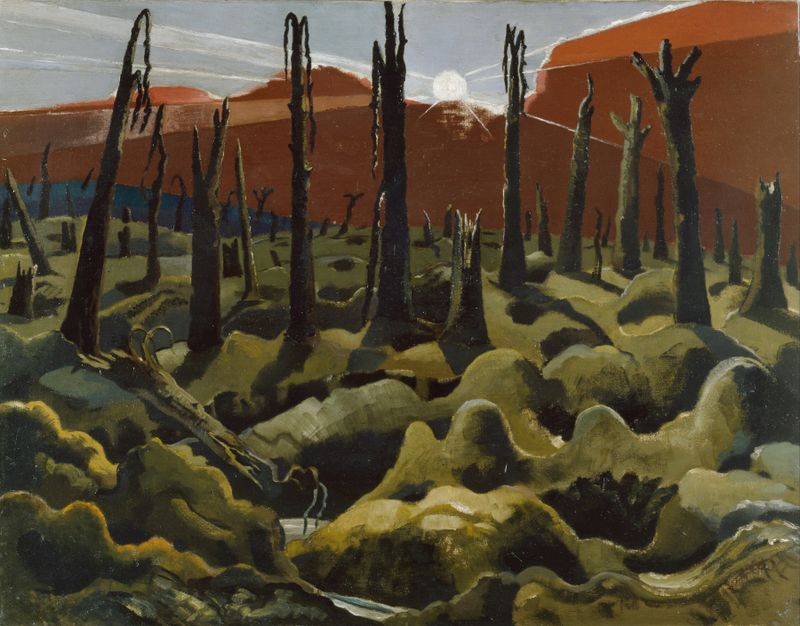
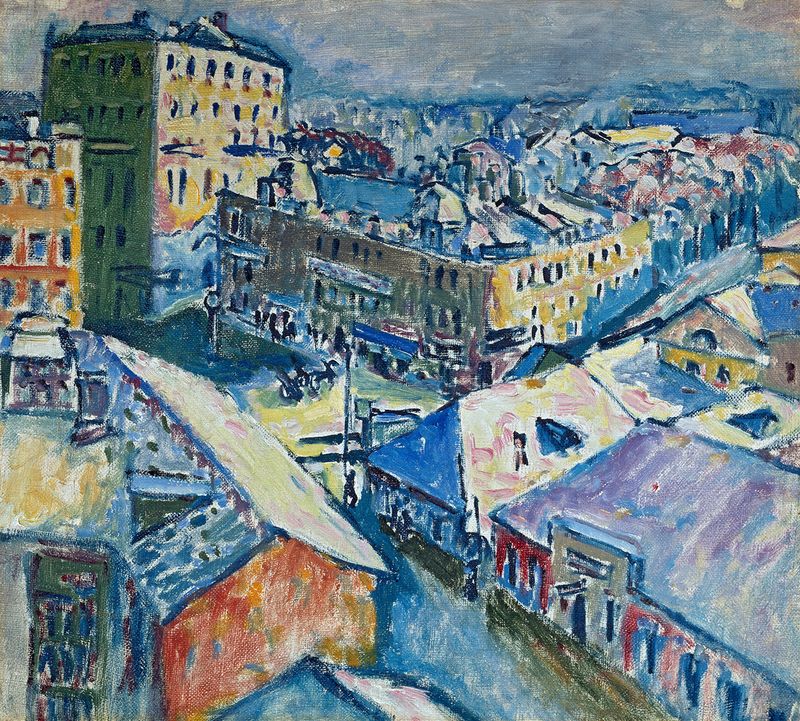
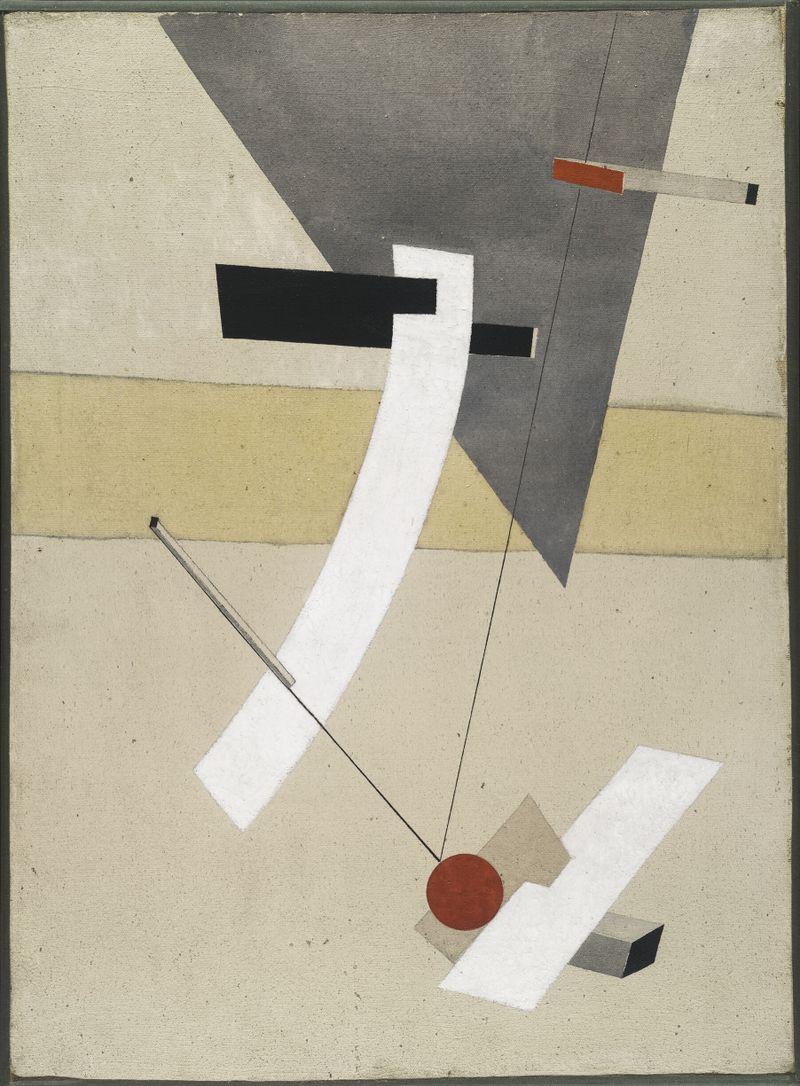
Can paint confess what words never could? In Cappelen, the interplay of color and form captures an illusionary depth that transcends mere representation, inviting the viewer to explore the unspoken complexities of existence. Focus on the intricate layers of texture that dance across the canvas, drawing your eye to the soft, swirling shapes at the center. Notice how the muted, earthy tones harmonize, yet clash in unexpected ways, creating a sense of tension. Subtle highlights emerge from the darker areas, revealing a world beneath the surface — one that speaks of both chaos and beauty.
The composition feels alive, as if the brushstrokes are whispering secrets into the silence. At the heart of this work lies a juxtaposition of clarity and obscurity. The fluid forms allude to fleeting moments, ephemeral yet strangely familiar, while the deep shadows evoke a sense of longing for what remains hidden. The artist masterfully balances these elements, suggesting an emotional depth that resonates with the viewer.
Each glance reveals new interpretations, as the illusion of simplicity becomes more complex with scrutiny. During the year Cappelen was painted, Jakob Samuel Weibel was immersed in the vibrant art scene of Frauen, exploring avant-garde techniques that challenged traditional views. This period marked a significant evolution in his style, as he sought to express the complexities of human experience through abstract forms. The art world was buzzing with new ideas, and Weibel absorbed these influences, allowing his work to reflect a unique blend of innovation and introspection.
More Artworks by Jakob Samuel Weibel
Browse all →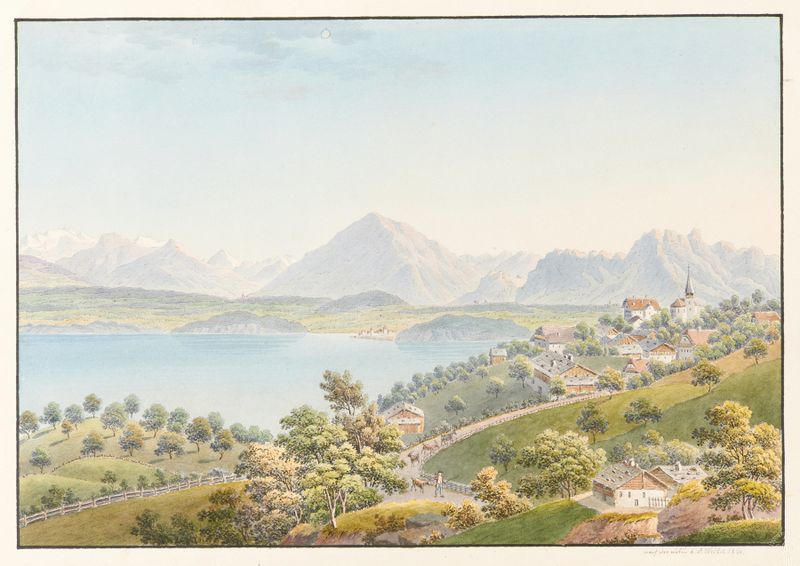
Vue dessiné depuis le Village de Sigriswil, audessus du Lac de Thoune
Jakob Samuel Weibel
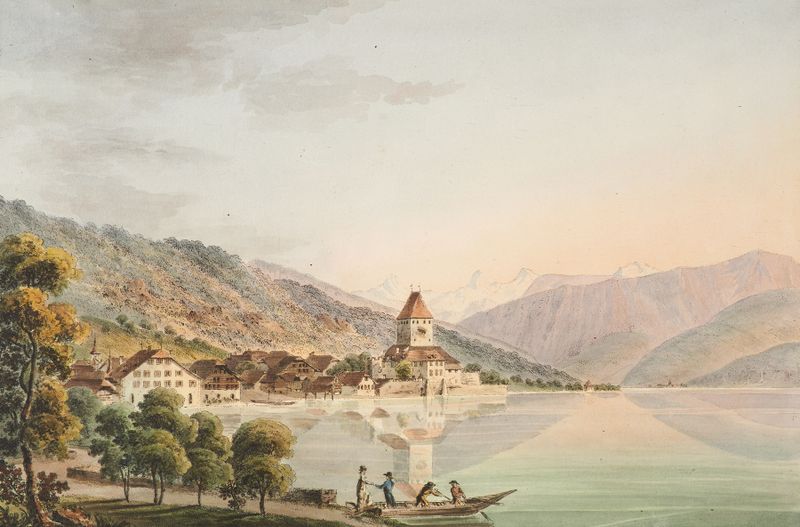
Vûe du Chateau d’Oberhofen au Lac de Thoune
Jakob Samuel Weibel
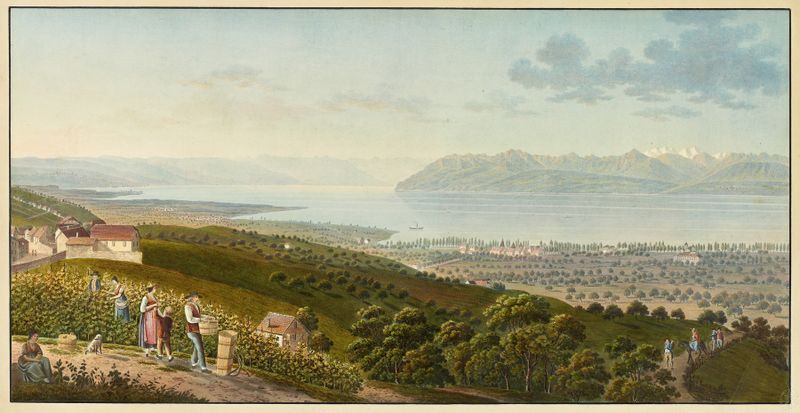
Vue genérale du Lac de Geneve
Jakob Samuel Weibel
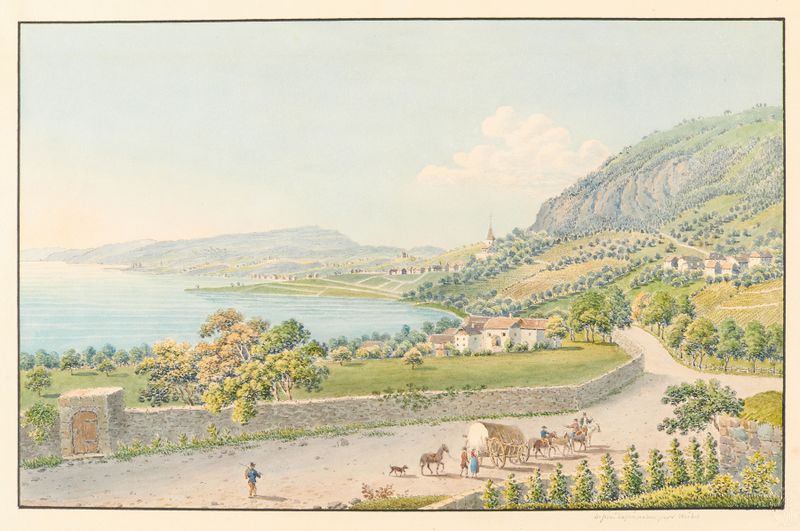
Vue des environs de Montreux et de Clarens
Jakob Samuel Weibel
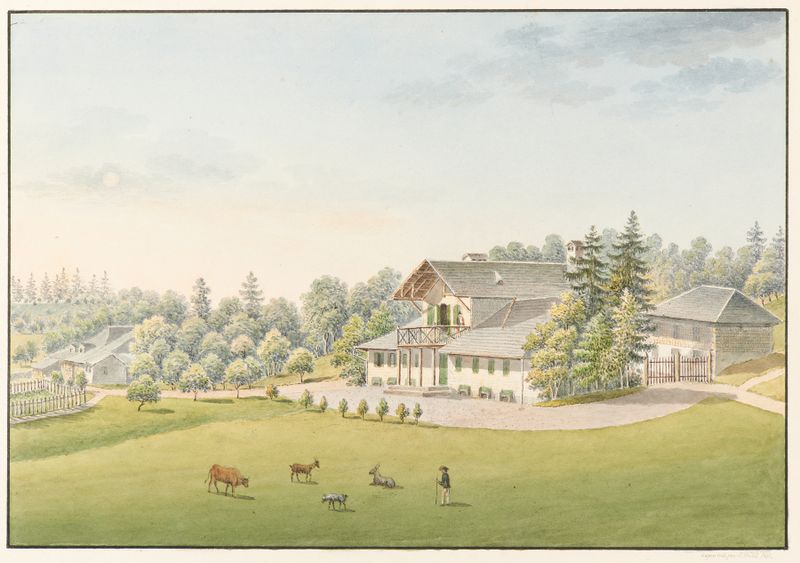
Vue du nouveau Châlet de Vernand
Jakob Samuel Weibel
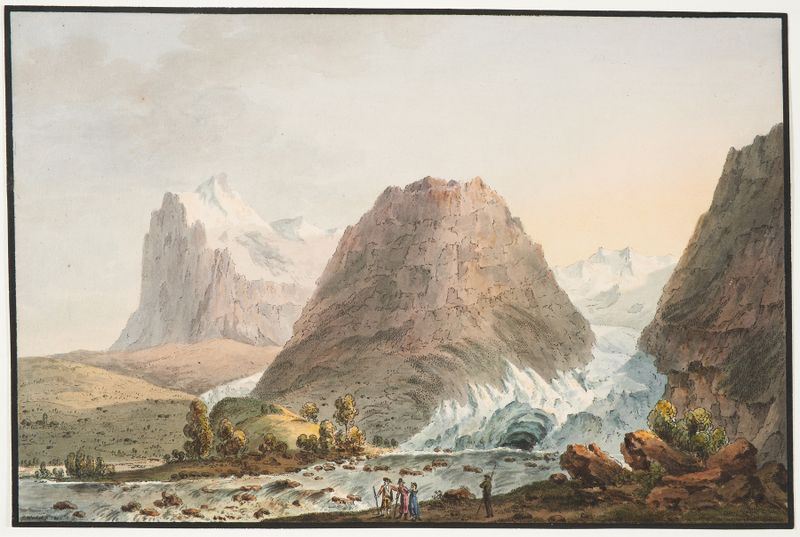
Vûe des Glacieres de Grindelwald
Jakob Samuel Weibel
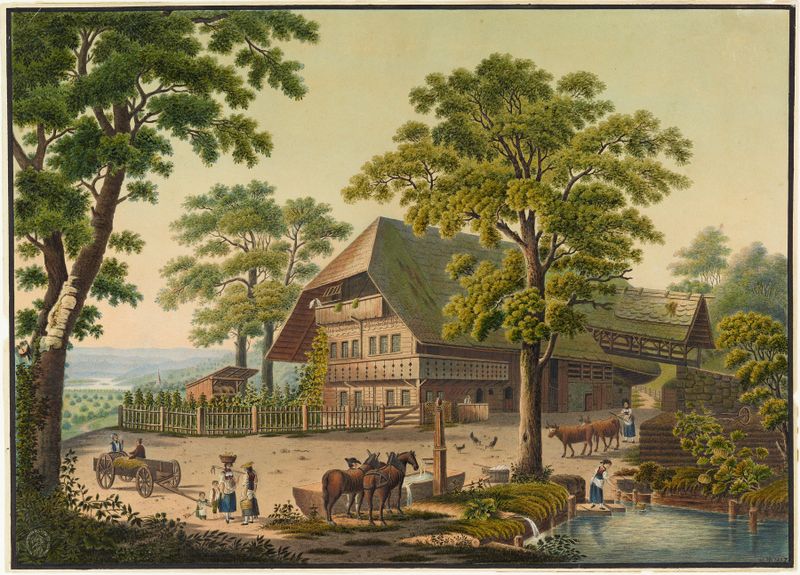
Maison de paysan près Wichtrach
Jakob Samuel Weibel
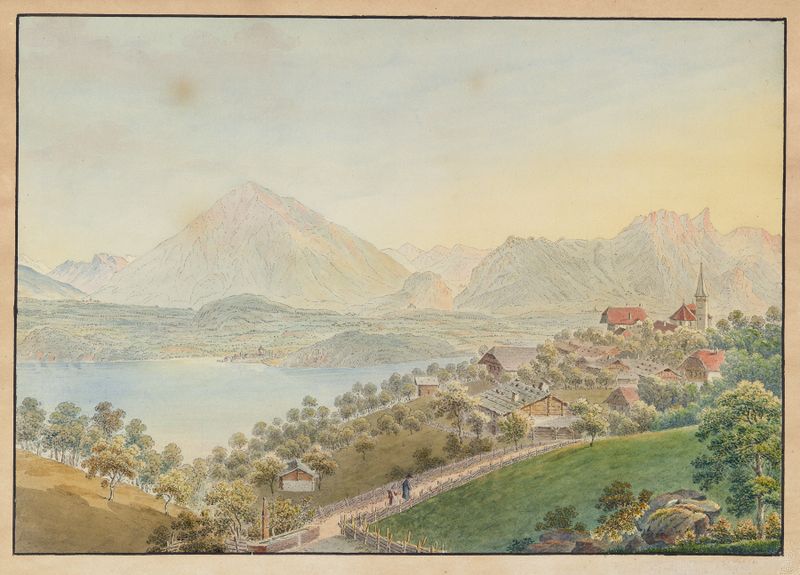
Ansicht von Sigriswil mit Niesen und Thunersee
Jakob Samuel Weibel
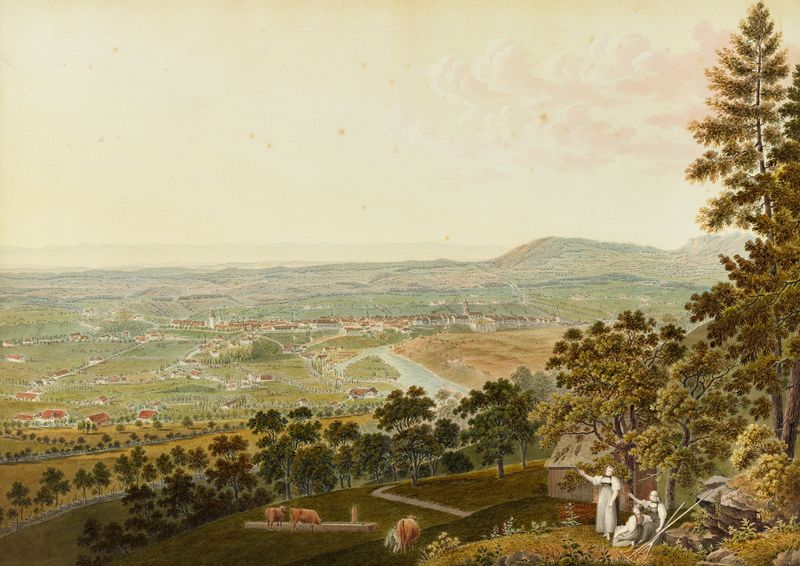
Ansicht Berns und der Aare vom Gurten aus
Jakob Samuel Weibel

Lausanne Ville capitale du Canton de Vaud
Jakob Samuel Weibel