Capri — History & Facts
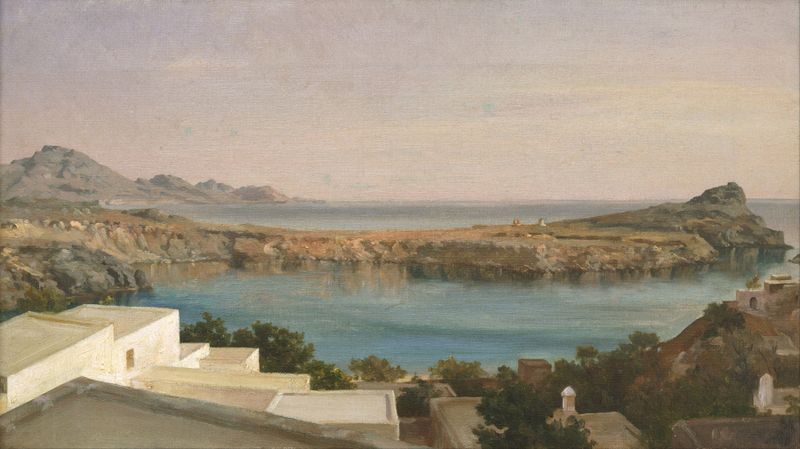
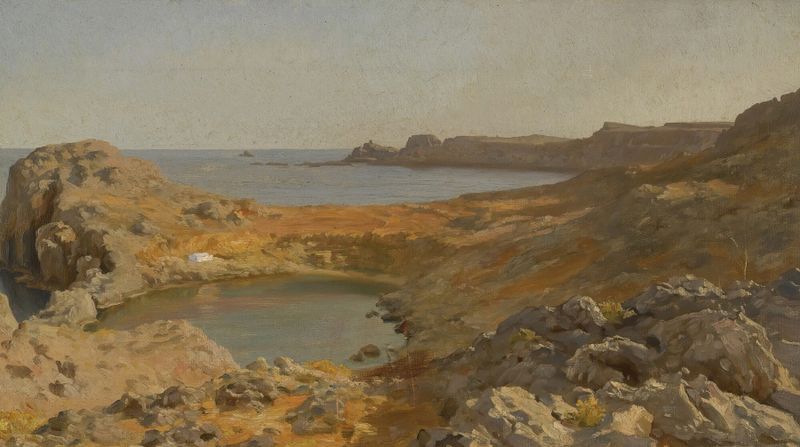
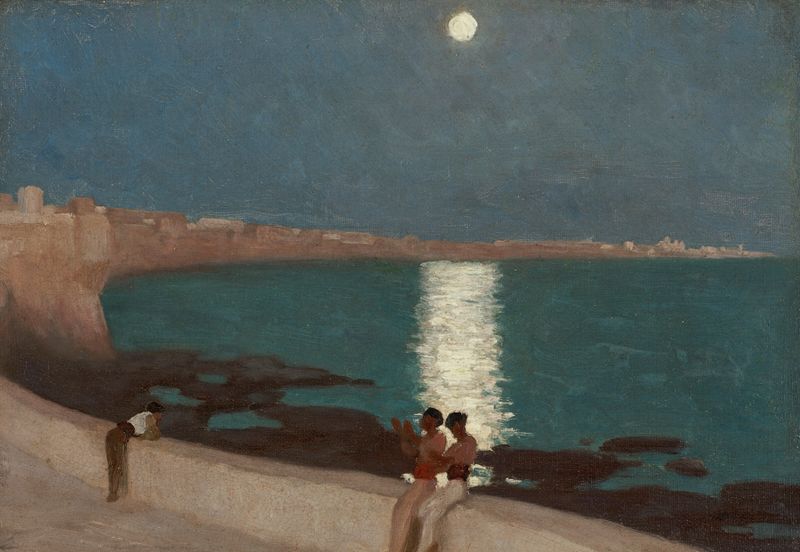
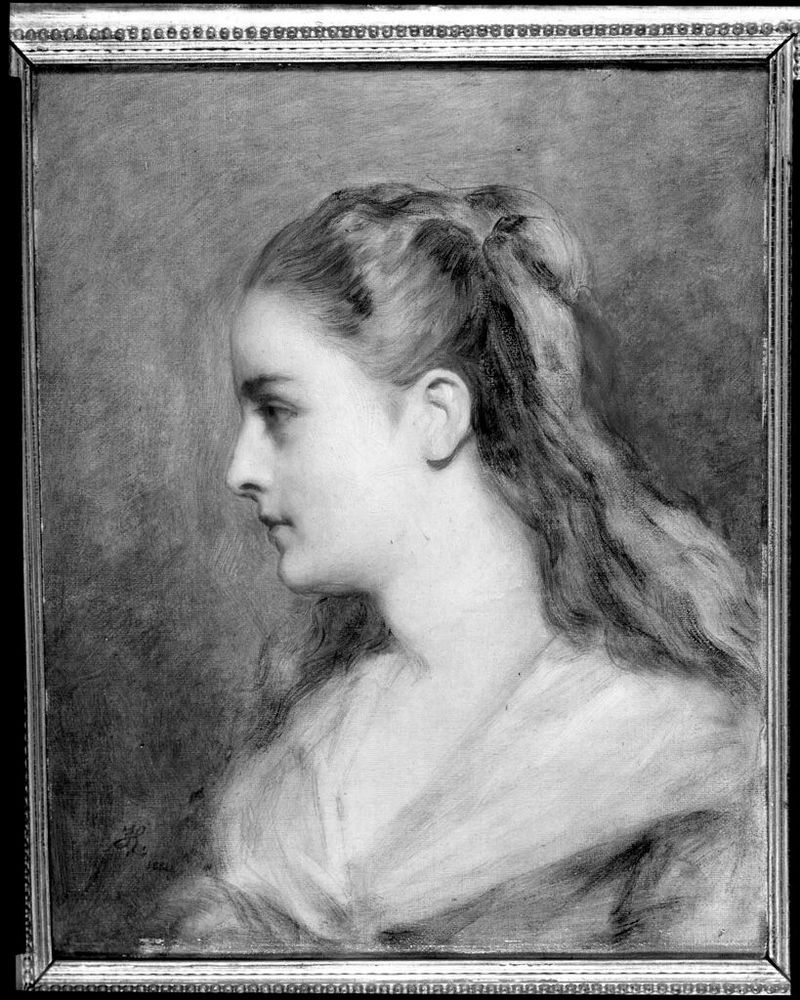
Can beauty exist without sorrow? In Frederic Leighton's Capri, desire dances delicately at the intersection of longing and loss, inviting us to explore the deeper fabric of human emotion. Focus first on the figure at the center, a woman draped in flowing fabrics that cascade around her like waves of water. Her gaze, both distant and contemplative, pulls us into her world while the vibrant blue of the sea behind her mirrors the depths of her thoughts. Notice how the colors harmonize; the warm, golden tones of her skin contrast with the cool blues and greens surrounding her, creating a visual dialogue that speaks of yearning and nostalgia. Hidden meanings flicker in the painting's details.
The soft folds of her garment suggest movement, as if she might rise from her perch and dissolve into the landscape, leaving only the essence of her desire behind. The sun-dappled reflections dance upon the water, symbolizing fleeting moments of happiness that are intertwined with the shadows of her solitude. Each brushstroke is a whisper of the longing that defines her existence, inviting viewers to reflect on their own experiences of desire and the bittersweet nature of beauty. Leighton painted Capri during a period marked by artistic exploration and a romantic idealization of the female form.
Created in his London studio, likely in the late 19th century, this work reflects the artist's fascination with classical themes and the interplay of light and emotion. At this time, he was well established in the art world, drawing inspiration from both his travels and the aesthetic movement, which celebrated beauty in all its forms.