Lindos, Rhodes — History & Facts
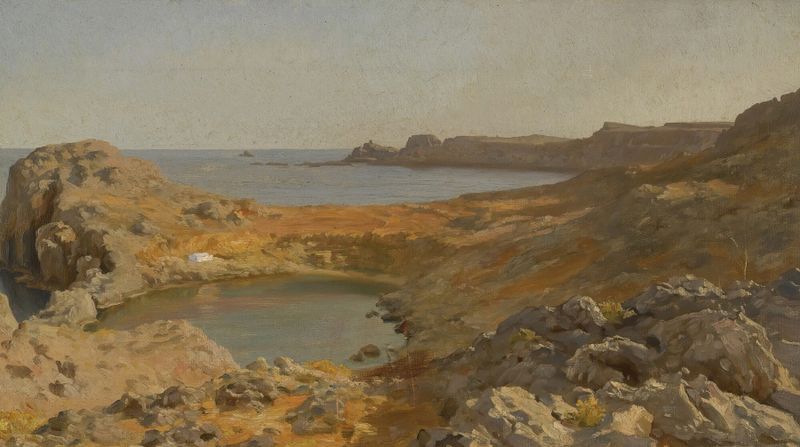
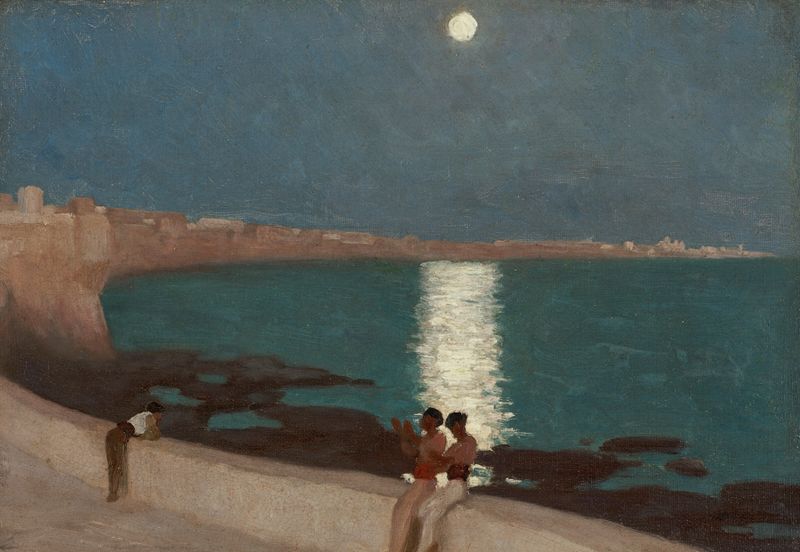
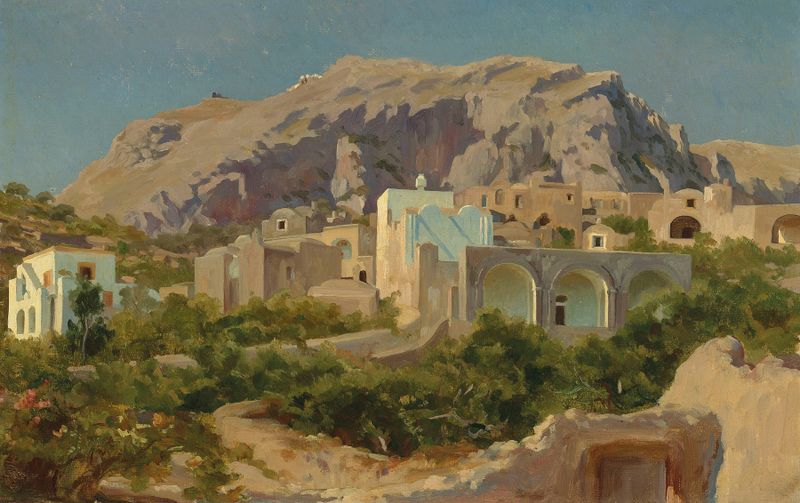
Is this a mirror — or a memory? The shimmering interplay of light and shadow in this work invites contemplation on the divine beauty of nature and the human spirit. Focus on the delicate architecture nestled against the rugged hills in the background. Notice how the warm earth tones of the structures harmonize with the vibrant blues of the surrounding sea and sky, creating a tranquil yet poignant atmosphere. The careful brushwork and dappled light convey both the allure and the impermanence of this idyllic landscape, urging the viewer to linger just a moment longer. Delve deeper into the contrasts presented in the painting, where the ethereal quality of the water evokes a sense of serenity, while the distant cliffs symbolize the passage of time and the weight of history.
The distance between the foreground and background hints at the longing inherent in human experience — a desire to connect with both the past and the sublime. Each element seems to whisper secrets of existence, blurring the lines between reality and reverie. Frederic Leighton painted this piece in 1867 while visiting the island of Rhodes. At this point in his life, he was emerging as a prominent figure in the art world, blending classical themes with his own contemporary interpretations.
The mid-19th century was a time of exploration and fascination with the Mediterranean, as artists sought to capture its timeless beauty, and Leighton's work reflects this spirit, infused with personal and historical significance.