
Capri Landscape — History & Facts
A single cloud, weightless and bright, floats above the sunlit hills, drawing the viewer’s gaze across a sweep of ochre and green. The eye is led from the clustered trees in the foreground—each stroke alive with color—up through rolling slopes to the tiny white houses scattered along the horizon. This is not a landscape of grand monuments or dramatic events, but of quiet, everyday wonder: the kind of view that rewards patient looking, where the rhythm of the hills and the play of light seem to breathe with their own life.
The pastel medium, with its soft edges and vibrant hues, gives the scene a sense of immediacy, as if the artist captured it in a single, attentive sitting. Painted in 1910, Capri Landscape belongs to a moment when artists across Europe were turning away from academic precision and toward the directness of personal vision. Ants Laikmaa—working far from the academies of Paris or Munich—found in the Italian landscape a subject perfectly suited to pastel’s freshness. Such works were often created for private collectors or as souvenirs of travel, prized for their intimacy and spontaneity.
Today, this piece resides in Enn Kunila’s collection, a reminder of a time when even a modest hillside could become a stage for color, light, and the artist’s searching gaze. Look again at those distant houses: each one is a promise of life, quietly enduring beneath the vast, ever-changing sky.
More Artworks by Ants Laikmaa
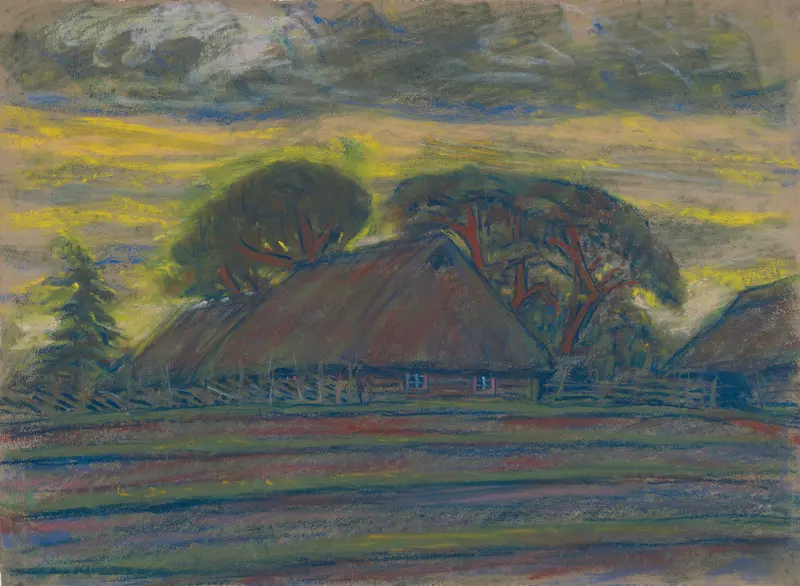
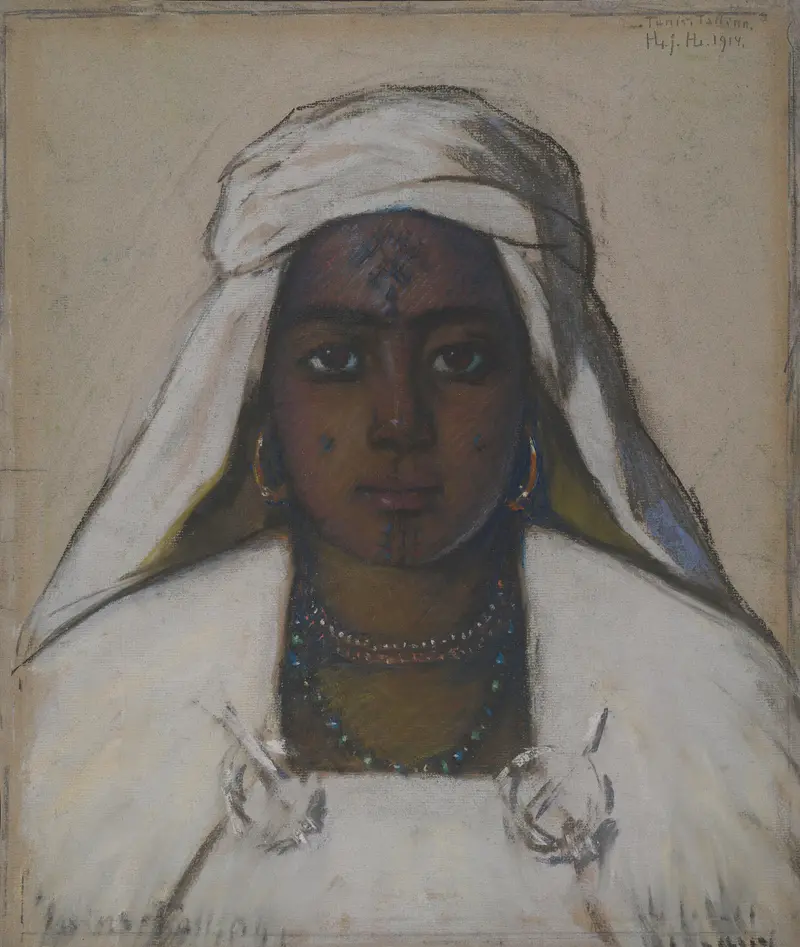
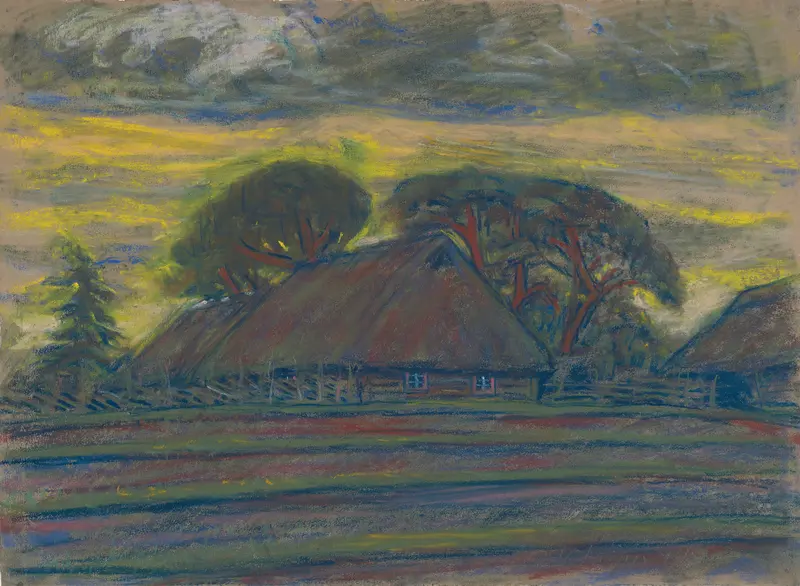
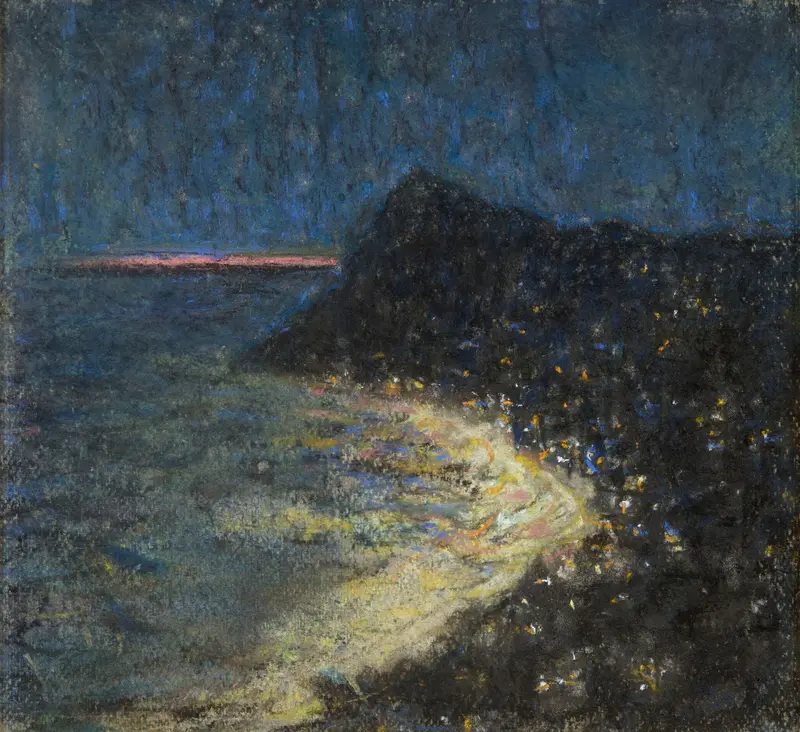
More Landscape Art

The Starry Night
Vincent van Gogh

View of Delft
Johannes Vermeer

Water Lilies
Claude Monet

The Grand Canal, Venice, looking north-west from the Ca' Corner to the Ca' Contarini degli Scrigni, with the campanile of Santa Maria della Carità
Canaletto

Windsor Castle
Canaletto

The Grand Canal looking North-East from the Palazzo Dolfin-Manin to the Rialto Bridge
Canaletto