Capri maastik — History & Facts
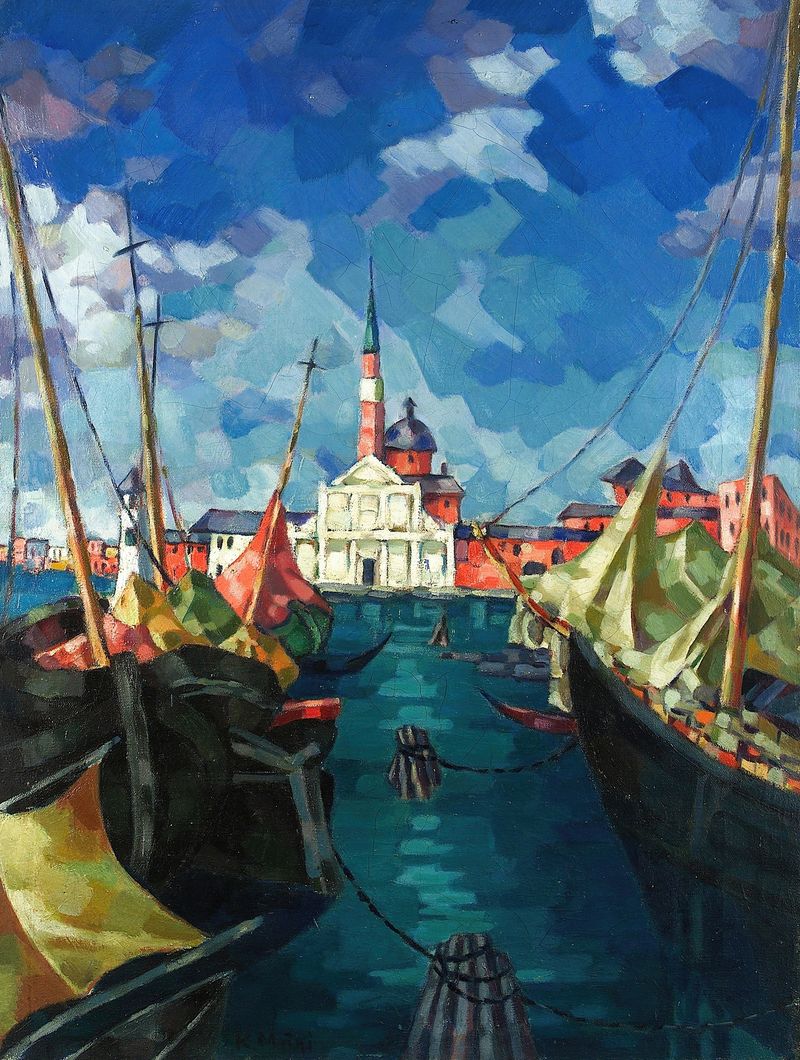
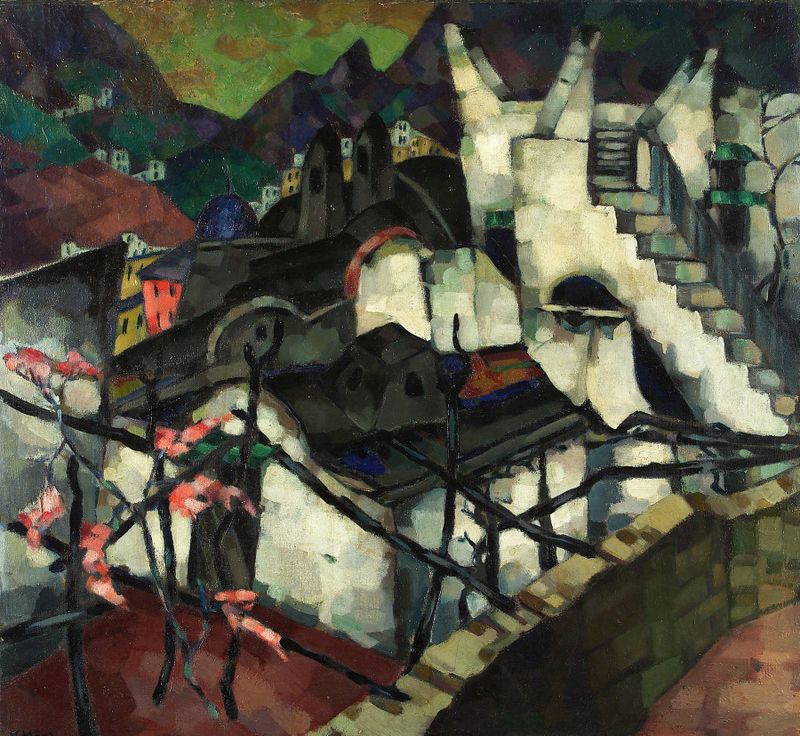
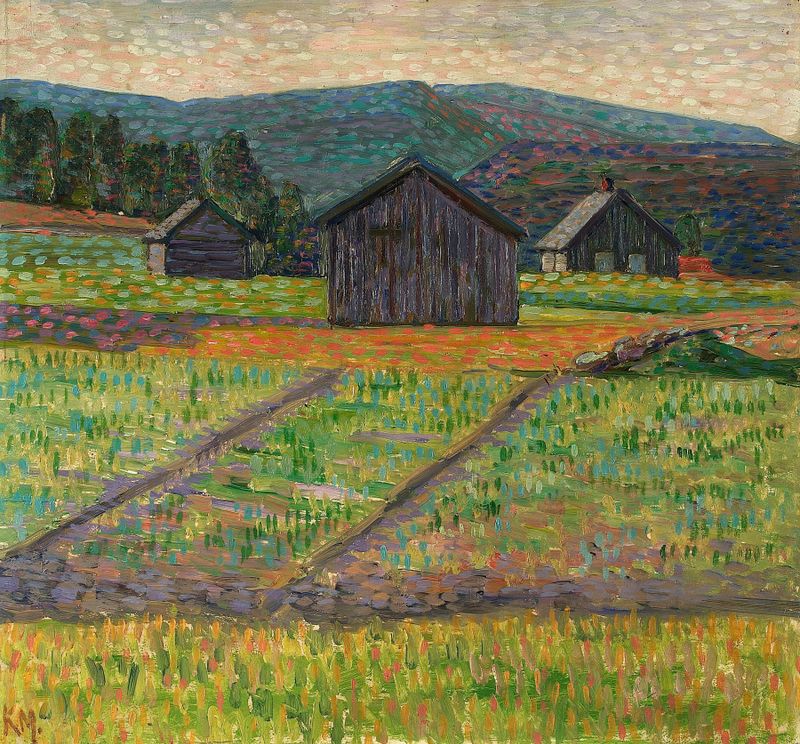
Did the painter know this moment would outlive them? In Capri maastik, a world painted with an abundance of longing, we witness not just a landscape but an echo of emotions that linger beyond time itself. Focus on the vibrant hues of blue and green that swirl together, creating a harmonious dance across the canvas. Look to the left, where the soft, verdant hills gently rise towards a shimmering sea, the brushstrokes capturing both a sense of movement and serenity. The sun's golden rays spill over the landscape, inviting the viewer to lose themselves in this idyllic setting, while the delicate rendering of clouds hints at a fleeting, almost melancholic atmosphere. The juxtaposition of vibrant color and tranquil composition reveals an underlying tension of loss and memory.
The vivid palette suggests life and vitality, yet the absence of human figures speaks to a solitude that permeates the scene, invoking reflections on what has been left behind. Details, like the gentle curve of the shoreline and the stillness of the water, serve as reminders of transience, evoking a longing for something that can never be fully attained. In the early 1920s, as Konrad Mägi painted Capri maastik, he experienced significant shifts in his life, moving frequently between Estonia and various artistic circles in Europe. The interwar years were a period of artistic exploration and uncertainty, as many sought to redefine their identities in the wake of societal changes.
Mägi's engagement with Impressionism, coupled with the warmth of Mediterranean light, provided a rich context for his evocative landscapes.