Sügismaastik — History & Facts
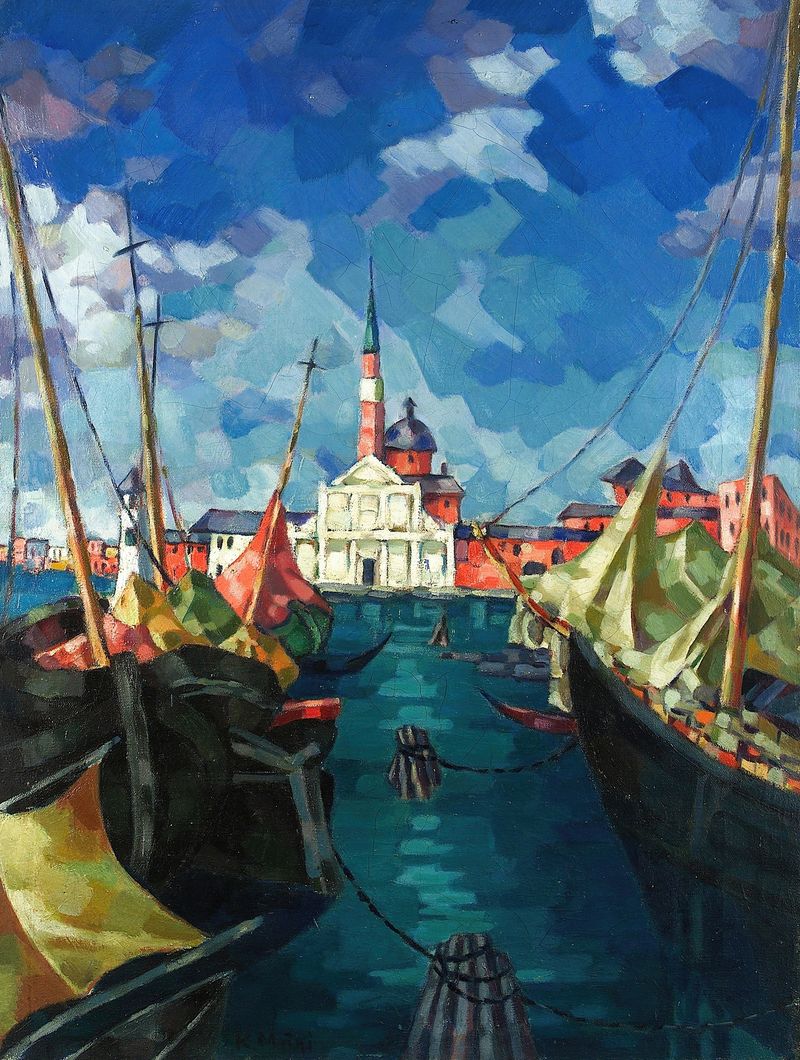
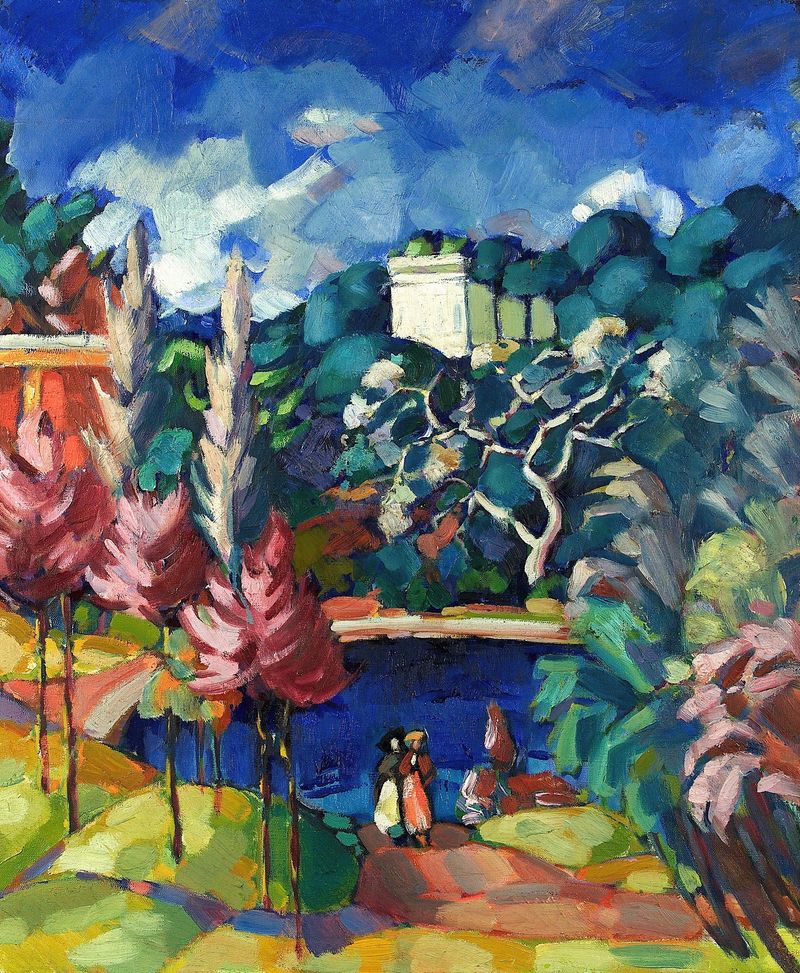
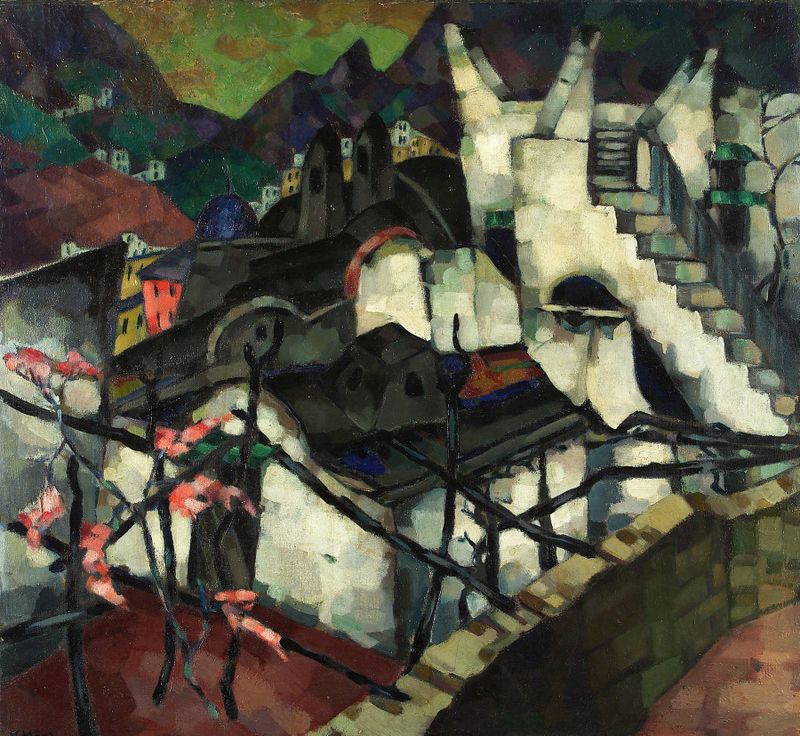
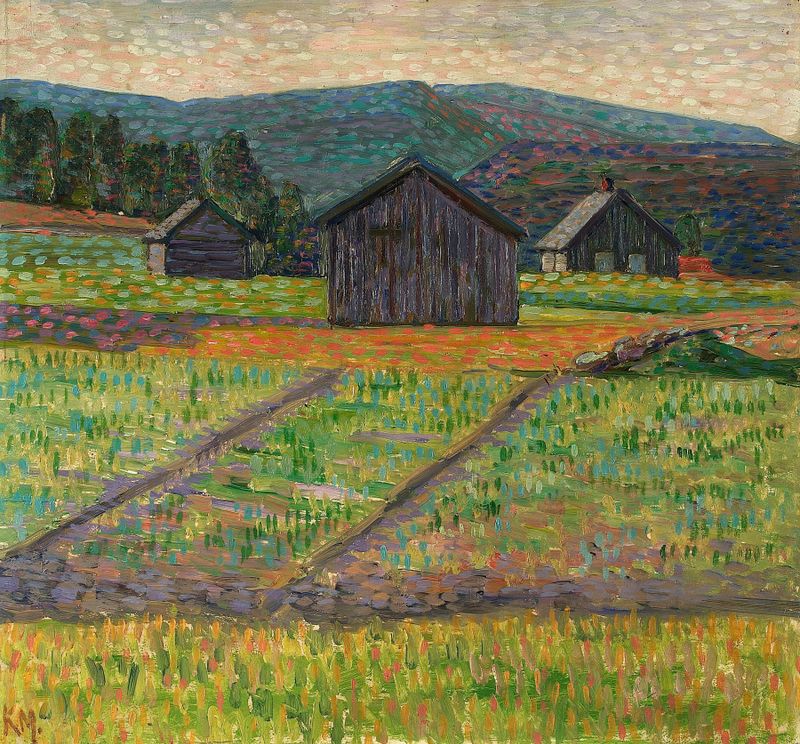
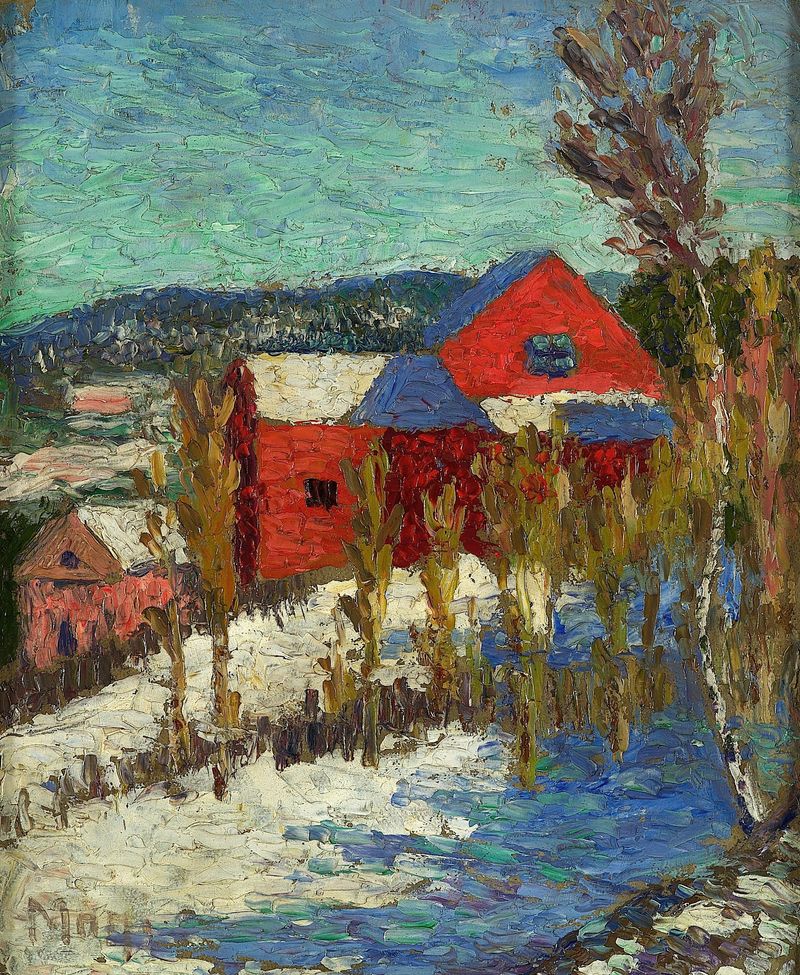
Could a single brushstroke hold eternity? In the depths of emptiness, one can often find the echoes of what once was, a haunting reminder of loss intertwined with beauty. Focus first on the swath of muted earth tones that dominate the canvas, where the horizon meets the sky in a soft embrace. Notice how the layers of ochre and gray weave together, creating a sense of both solidity and transience. The painter’s technique—bold yet deliberate—invites the viewer to explore the tension between the palpable landscape and the ethereal quality of the atmosphere.
Each stroke conveys a quiet urgency, suggesting the inevitability of change and the passage of time. Amid the subdued colors, contrast emerges in the meticulous detailing of a lone tree, its gnarled branches reaching like fingers into the void. This solitary figure becomes a poignant symbol of resilience against the overwhelming backdrop of nature. The interplay of light and shadow evokes a sense of melancholy, suggesting a narrative of survival through loss, where each element holds a memory aching to be shared but lingering in silence. During the early 20th century, Konrad Mägi painted this work while living in Estonia, deeply influenced by the local landscape and its changing seasons.
The world was shifting, shaped by the turbulence of war and national identity, and the artist sought to capture not just what he saw, but the emotional weight of the land. In this search for meaning, Sügismaastik encapsulates a moment of reflection—both personal and universal—amidst the chaos of existence.