
Carceri d’Assise — History & Facts
Is this a mirror — or a memory? The haunting layers of Carceri d’Assise invite us to question the very nature of perception, where reality and illusion entwine in an unsettling dance. Focus on the intricate architecture at the forefront, where shadowy corridors converge into a disorienting depth. Notice how the stark contrasts of light and dark play across the surfaces, creating an atmosphere that both captivates and constrains. The sharp lines and geometric forms lead the eye into a labyrinthine space, evoking a sense of entrapment and bewilderment.
Each detail, from the crumbling stone to the subtle textures, reflects the artist's deliberate hand and contemplative approach. As you explore further, consider the emotional tension between confinement and freedom. The arches above, though grand, seem to close in, embodying the weight of despair. Look closely at the blurred figures, half-formed and indistinct, suggesting a struggle between presence and absence.
These elements together weave a narrative of uncertainty, evoking feelings of nostalgia while making us question what is real and what is a mere shadow of our imagination. In 1898, Charles Marie Dulac was immersed in an era marked by the rise of Symbolism and a fascination with the subconscious. Working in Paris, he explored themes of illusion and existential dread, reflecting the anxieties of a society grappling with rapid change. Carceri d’Assise stands as a testament to both the artist's vision and the broader artistic movements of his time, capturing the complexities of the human experience through the lens of architectural abstraction.
More Artworks by Charles Marie Dulac
Browse all →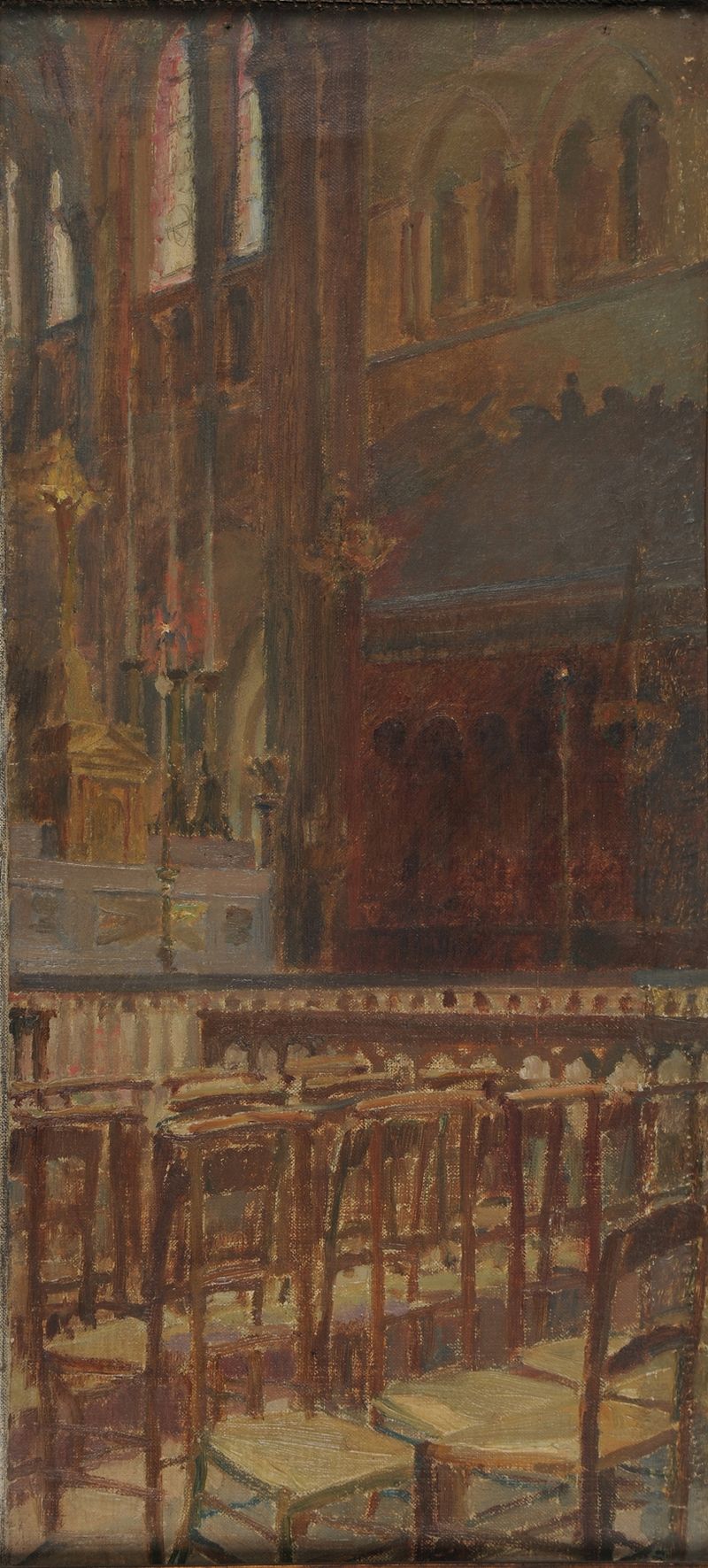
Chapelle à Saint-Germain-des-Prés
Charles Marie Dulac
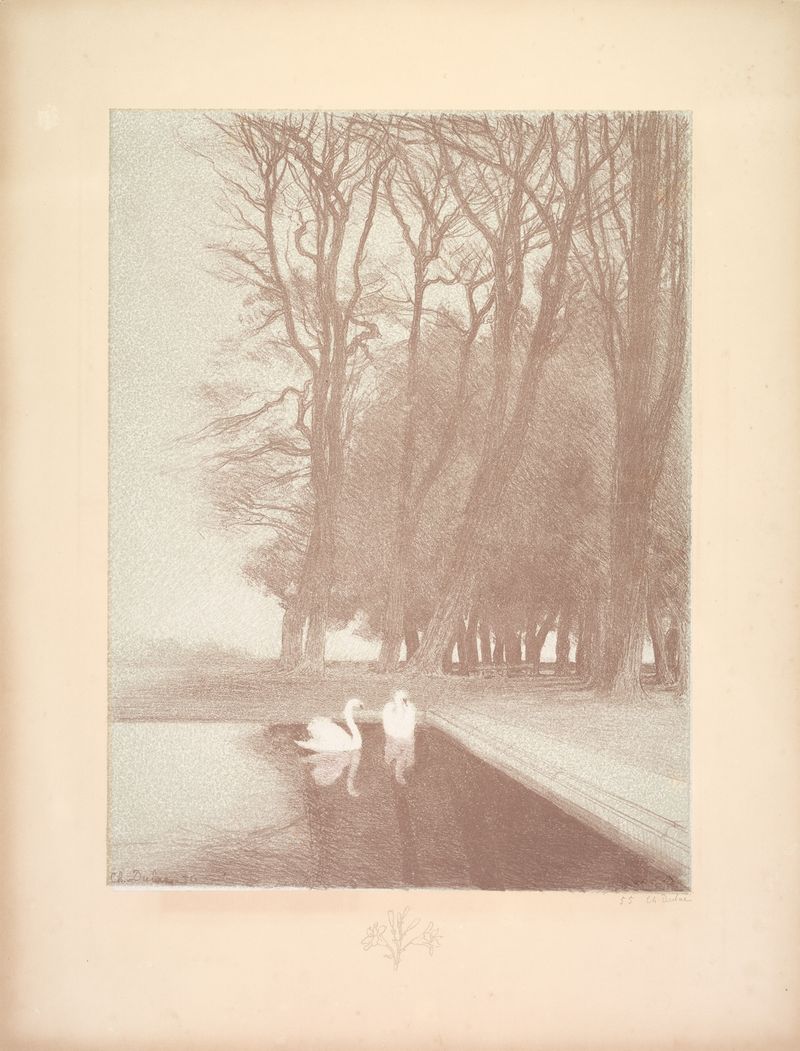
Landscape, Plate 6, Remarque, Lilies
Charles Marie Dulac
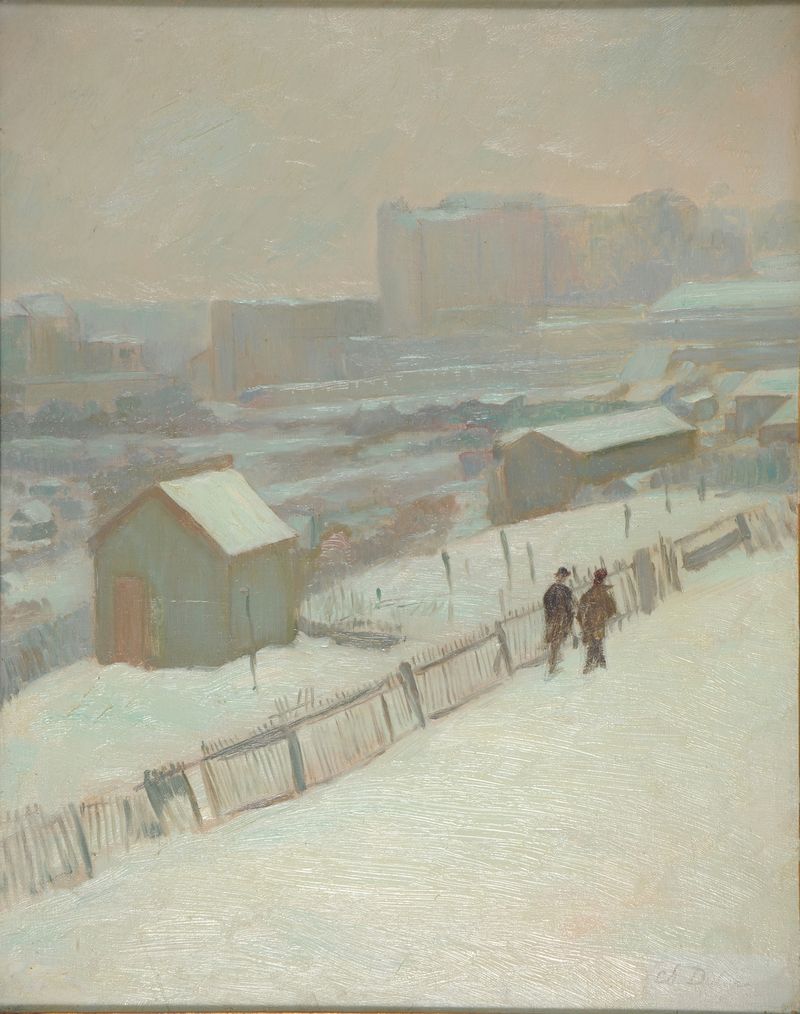
La neige à Montmartre
Charles Marie Dulac
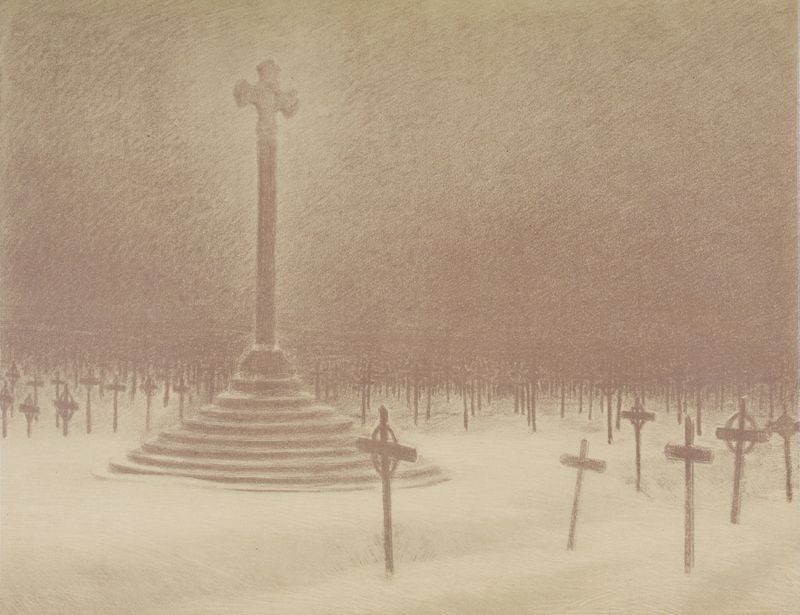
Auxilium Christianorum. Jesu Refugium Nostrum
Charles Marie Dulac
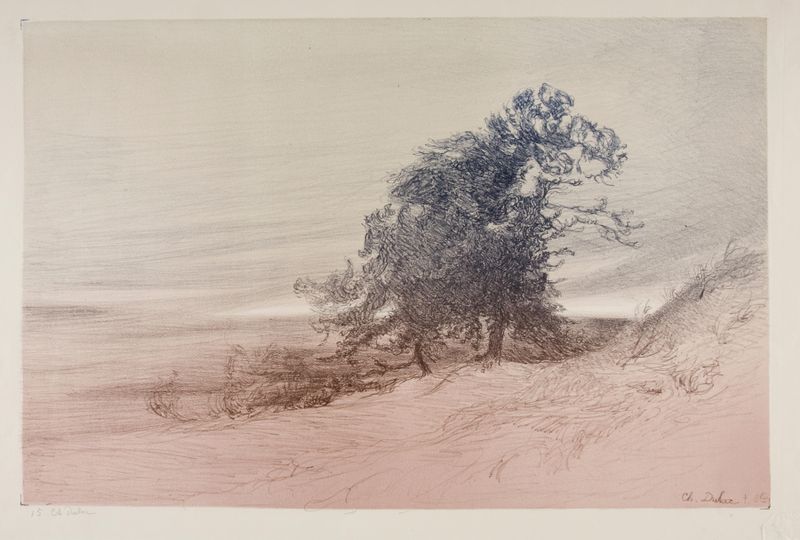
Groupe d’arbres
Charles Marie Dulac
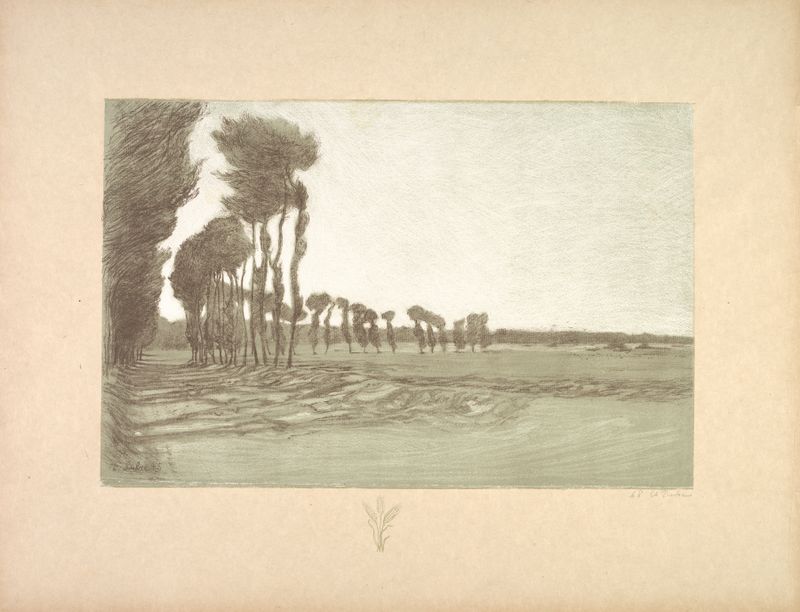
Landscape, Plate 5, Remarque, Three Stalks of Wheat
Charles Marie Dulac
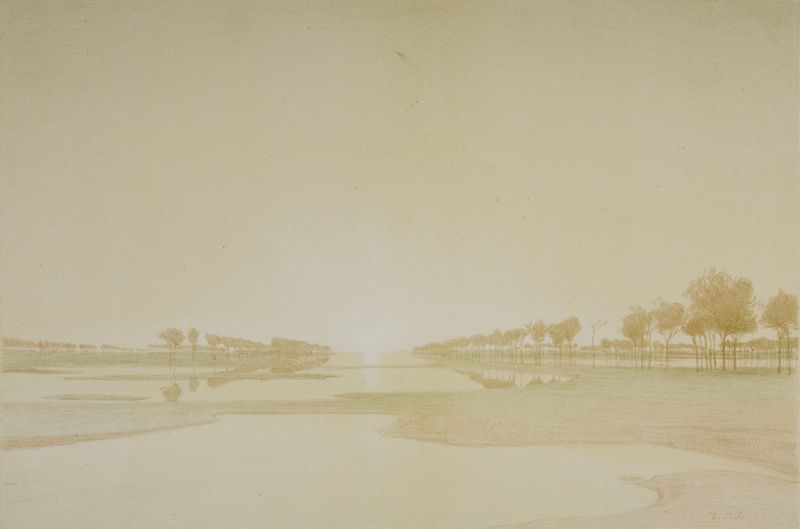
Jesu Sol Justitiae
Charles Marie Dulac
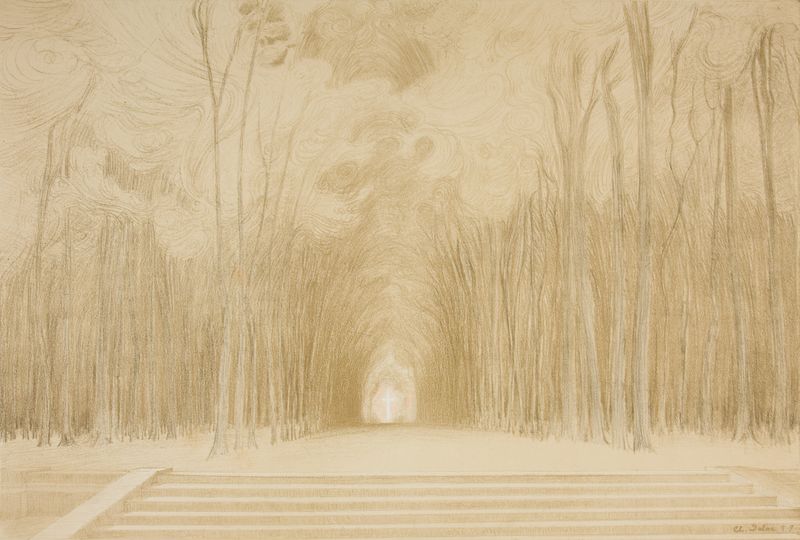
Jesu Corona Sanctorum Omnium. Jesu Sapientia Aeterna
Charles Marie Dulac
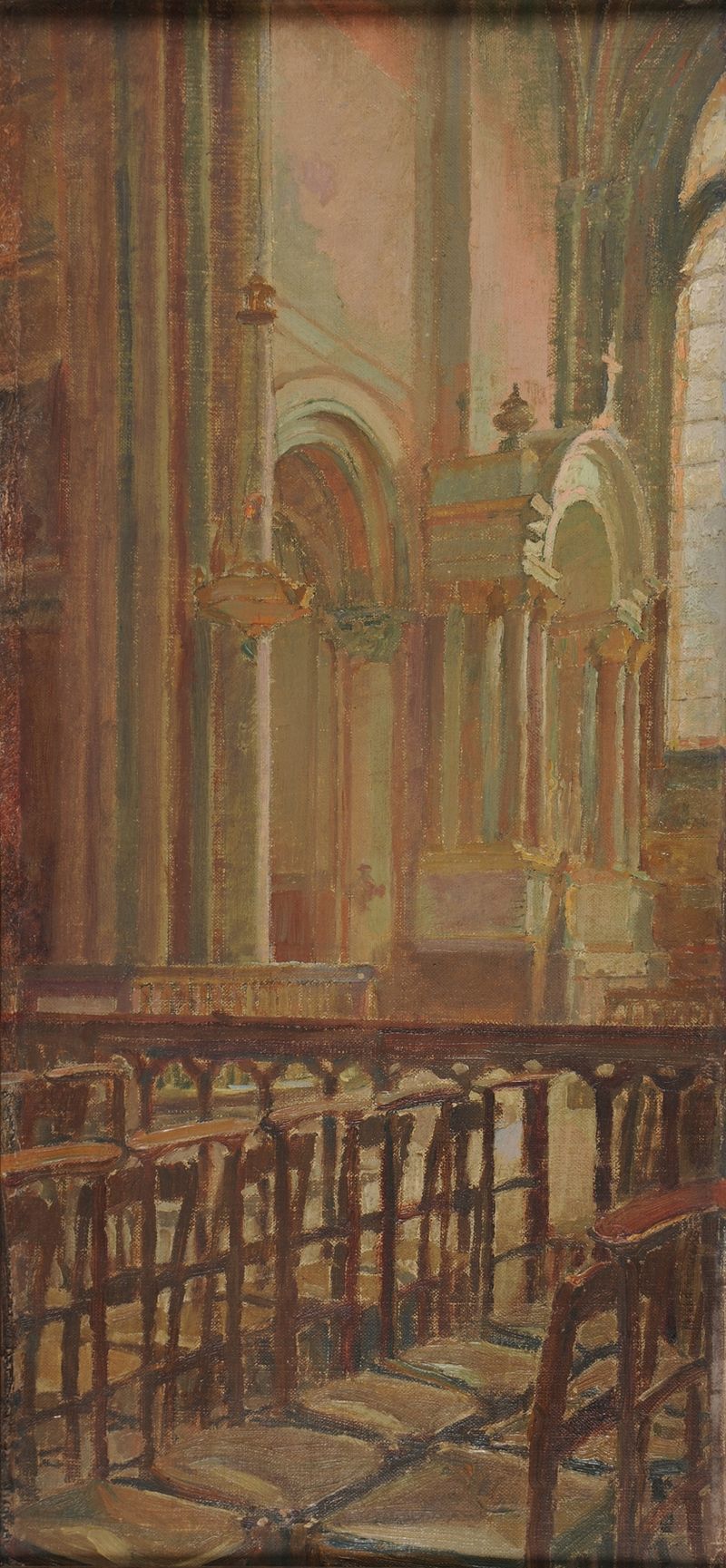
Chapelle à Saint-Germain-des-Prés
Charles Marie Dulac
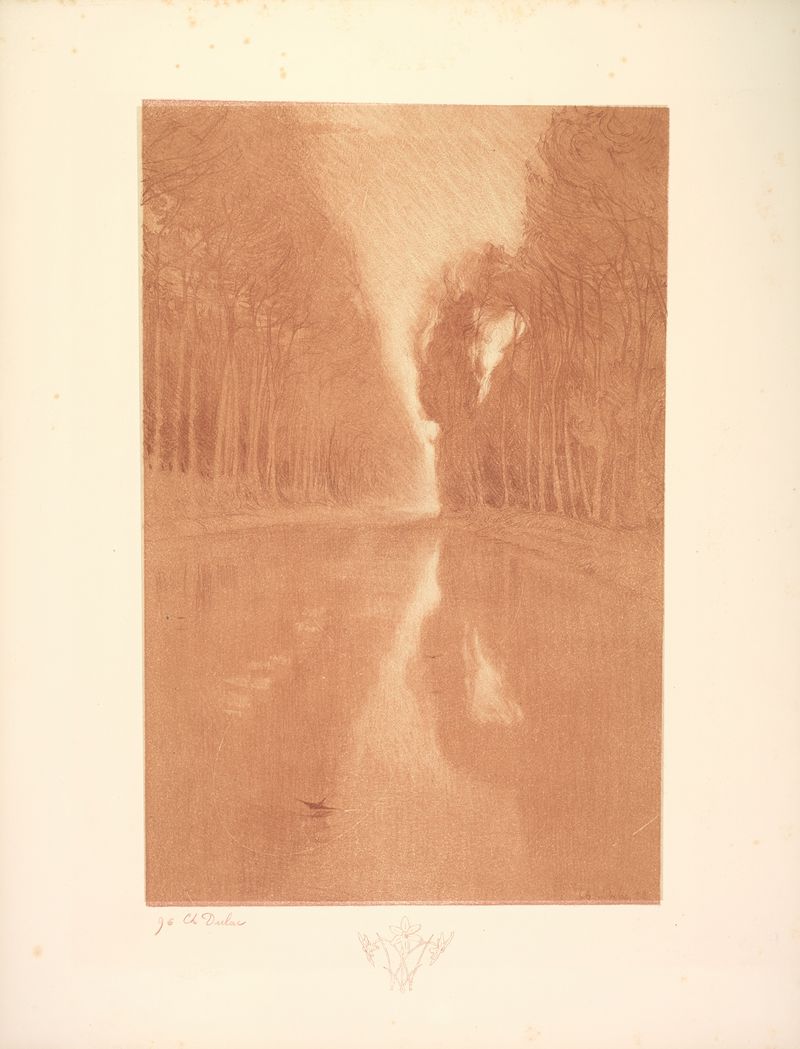
Landscape, Plate 2, Remarque, Starflowers
Charles Marie Dulac
More Architecture Art
Browse all →
The statue of Liberty
Frédéric Auguste Bartholdi

View of Houses in Delft, Known as ‘The Little Street’
Johannes Vermeer

View of Houses in Delft, Known as ‘The Little Street’
Johannes Vermeer

The Cathedral in Rouen. The portal, Grey Weather
Claude Monet

The yellow house
Vincent van Gogh

The Church in Auvers-sur-Oise, View from the Chevet
Vincent van Gogh