
Carlisle — History & Facts
When did color learn to lie? This haunting question lingers in the air as one gazes upon the ethereal landscapes rendered by the artist who was a master of light and hue. In Carlisle, a world unfolds that is both immediate and dreamlike, inviting the viewer to explore the deeper realms of perception and emotion. Focus on the swirling clouds that dominate the upper third of the canvas, where hues of ochre and cerulean collide in a mesmerizing dance of chaos and beauty. The foreground presents a serene river, its surface reflecting the tumultuous sky, drawing the eye toward the hidden depths beneath.
Notice how the interplay of light, captured through delicate brushstrokes, creates a sense of movement, as if the scene itself breathes with life, while the muted yet vibrant colors lead us into a state of quiet introspection. Upon closer inspection, one might sense the contrasting emotions at play: the calmness of the water against the turbulent sky, symbolizing the fragility of human experience. The painting suggests a tension between nature's majesty and man's insignificance, evoking reflections on the passage of time and the inevitability of change. The colors, often described as deceptive, invite contemplation on the nature of reality itself—as if the landscape holds secrets that elude comprehension. In 1832, at the height of his creative prowess, Turner painted Carlisle during a period of personal and artistic evolution.
Living in London, he was grappling with both the challenges of contemporary society and the shifting tides of Romanticism within the art world. This painting reflects his exploration of color as both a medium and a message, embodying the transition from traditional representation to a more emotive expression of the sublime.
More Artworks by Joseph Mallord William Turner
Browse all →
Dort or Dordrecht- The Dort Packet-Boat from Rotterdam Becalmed
Joseph Mallord William Turner
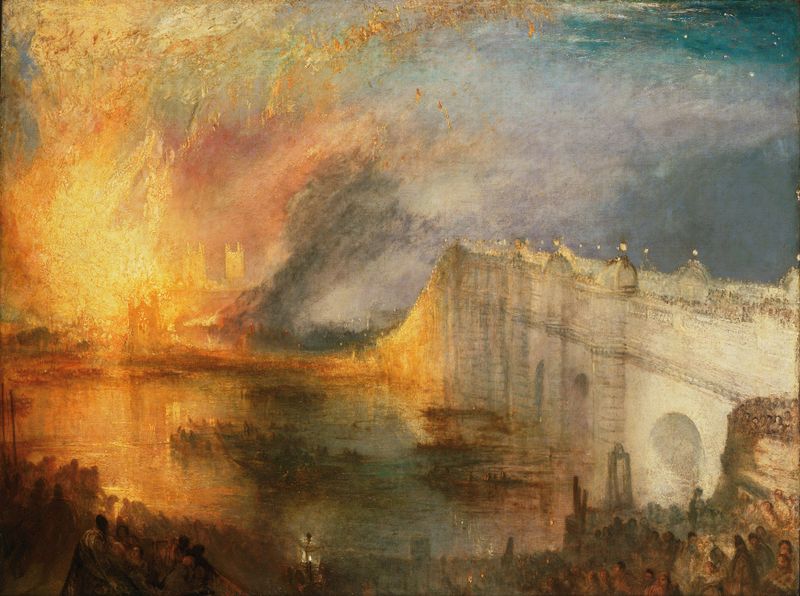
The Burning of the Houses of Lords and Commons, October 16, 1834
Joseph Mallord William Turner
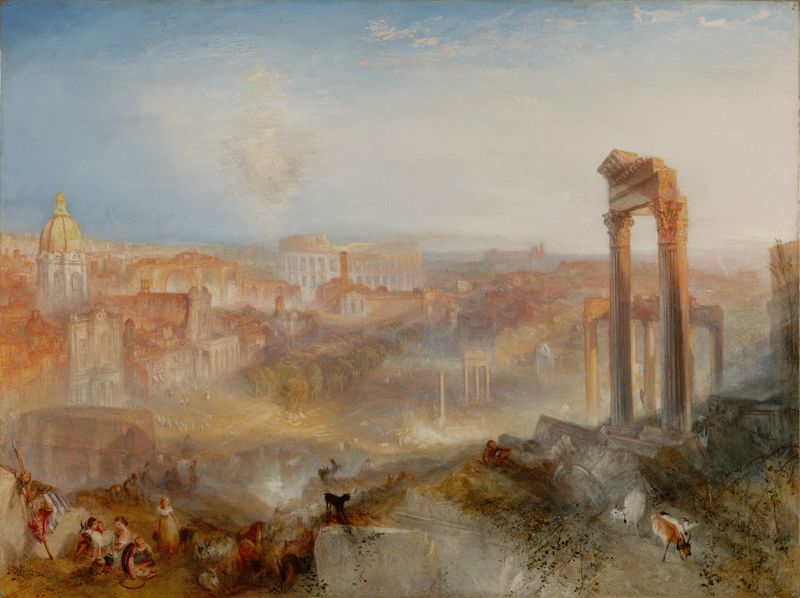
Modern Rome – Campo Vaccino
Joseph Mallord William Turner
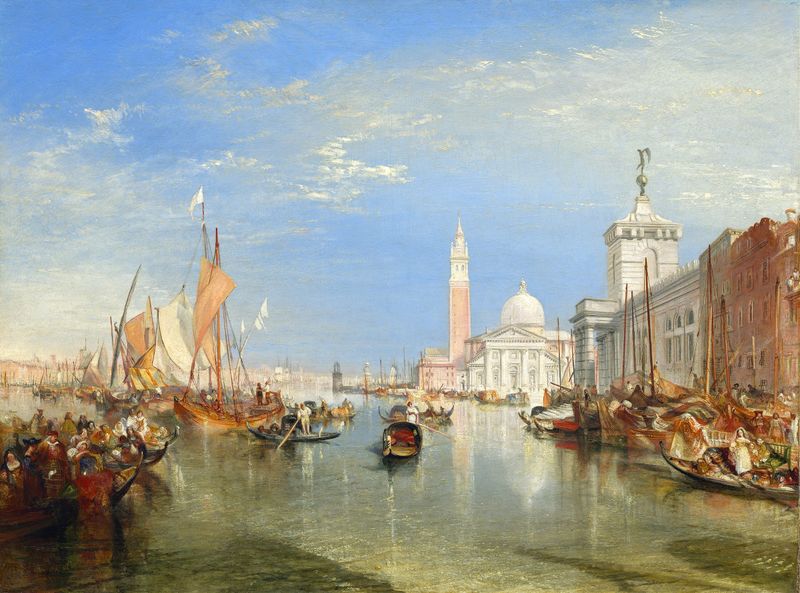
Venice – The Dogana and San Giorgio Maggiore
Joseph Mallord William Turner

The Burning of the Houses of Lords and Commons, 16 October 1834
Joseph Mallord William Turner
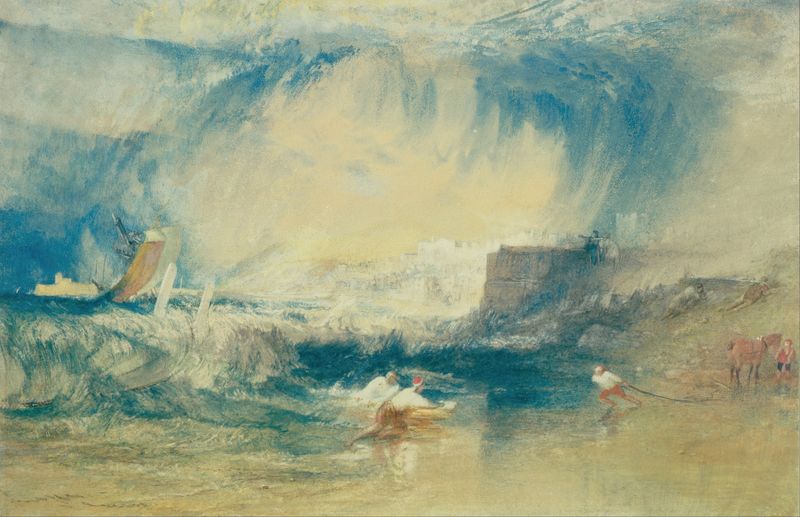
Lyme Regis, Dorsetshire, England
Joseph Mallord William Turner
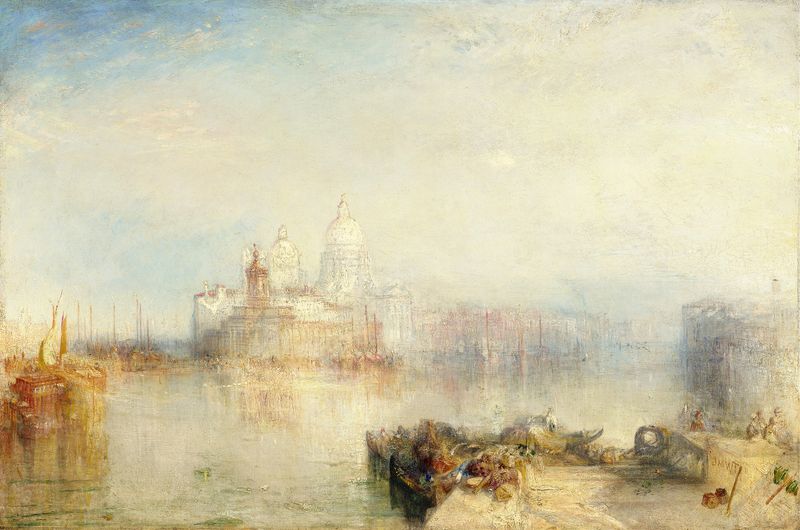
The Dogana and Santa Maria della Salute, Venice
Joseph Mallord William Turner
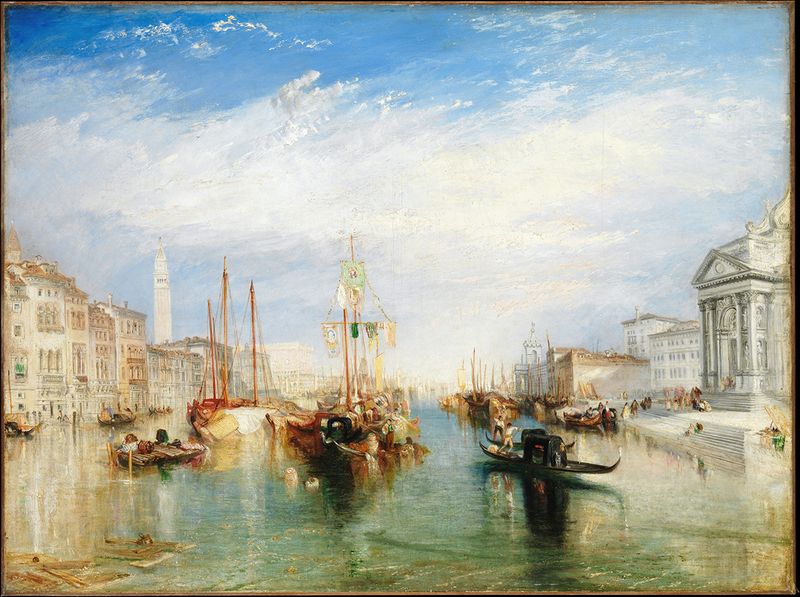
Venice, from the Porch of Madonna della Salute
Joseph Mallord William Turner
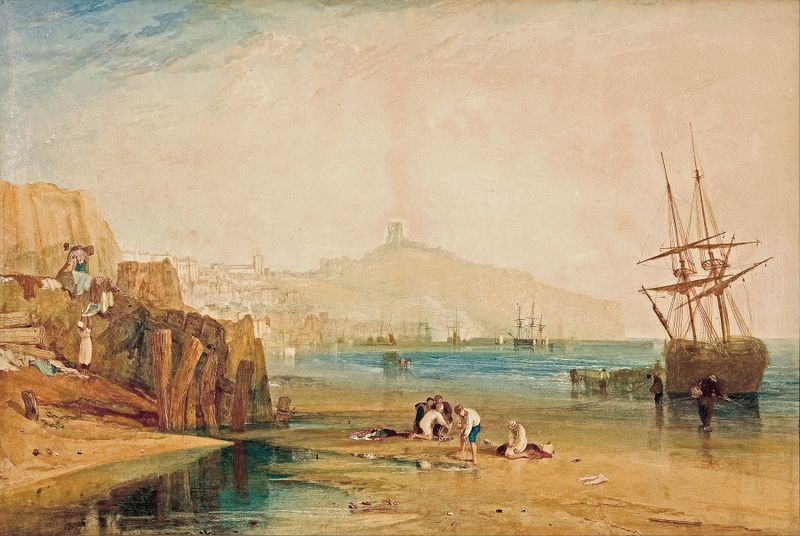
Scarborough town and castle; morning; boys catching crabs
Joseph Mallord William Turner
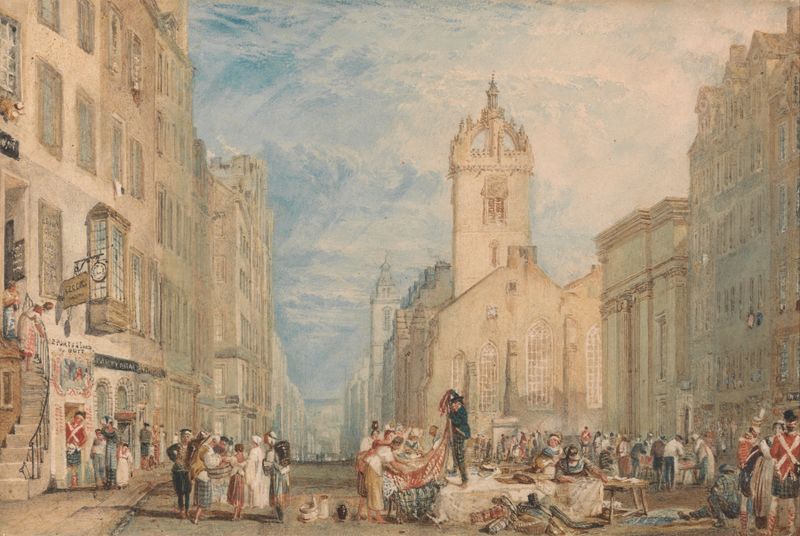
High Street, Edinburgh
Joseph Mallord William Turner





