Cartouche met schelpen — History & Facts
The intricate dance between the natural world and artistic interpretation often reveals profound truths. In the realm of still life, every object holds a story, waiting to whisper its secrets. Look to the center; the cartouche is adorned with exquisitely painted shells, each curve and contour rendered with delicate precision. Notice how the light accentuates the textures, casting gentle shadows that invite you to explore their forms.
The warm palette, rich in golden hues, harmonizes with the cool tones of the shells, creating a visual dialogue that pulls the eye deeper into the composition. Each element feels deliberate, as though the artist is guiding you through a narrative constructed from nature’s bounty. Amidst this lush display, there lies a tension between grandeur and impermanence. The shells, symbols of marine life’s elusive beauty, remind viewers of the fleeting moments that define existence.
Their elegance contrasts sharply with the humble backdrop, provoking contemplation on the relationship between art and reality. This juxtaposition reflects not only the transitory nature of beauty but also the quest for truth within the crafted illusion. During the late 17th century, while creating Cartouche met schelpen, Reinier Nooms was firmly embedded in the flourishing Dutch Golden Age of painting. This period was marked by an increasing interest in naturalism and the meticulous representation of everyday life.
Nooms, influenced by his contemporaries, sought to elevate the ordinary to the extraordinary, capturing both the essence of his subjects and the era's broader artistic ambitions.
More Artworks by Reinier Nooms
Browse all →
Zeegezicht met verschillende zeilschepen
Reinier Nooms
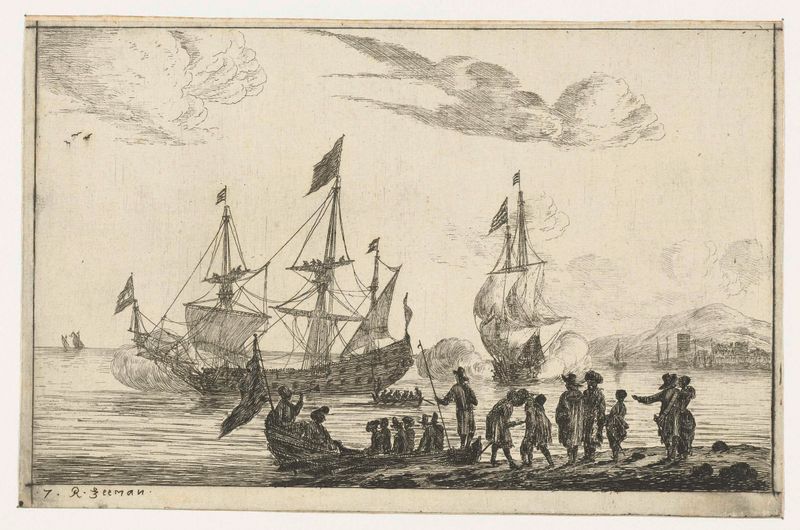
Havenscène met een spiegelsloep
Reinier Nooms
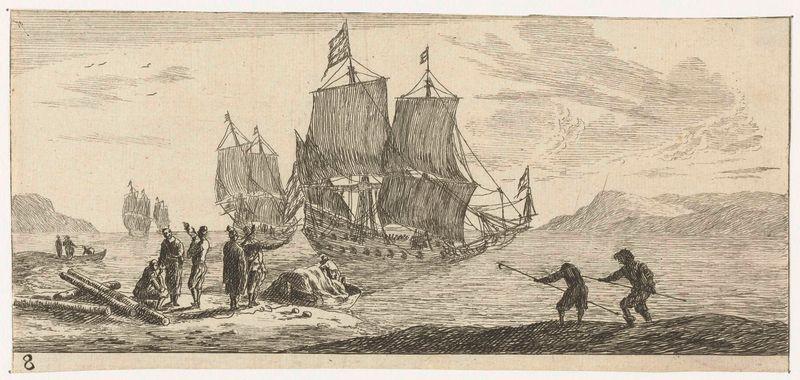
Vier grote zeilschepen in een baai
Reinier Nooms
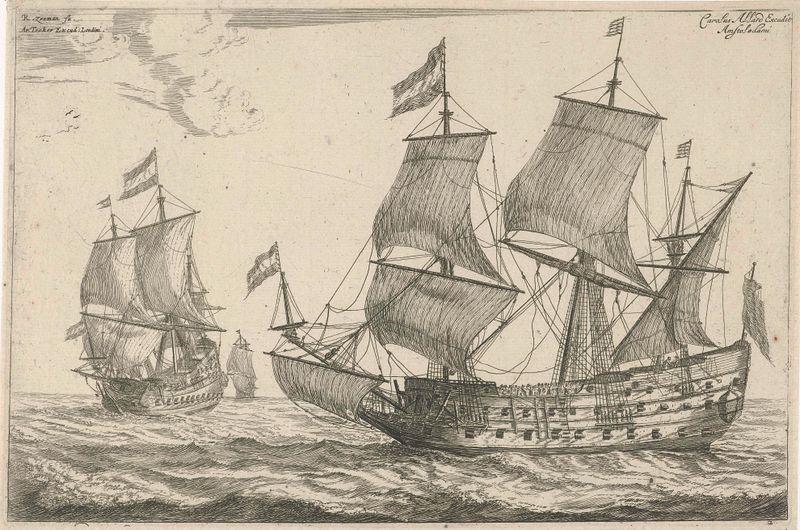
Twee grote oorlogsschepen
Reinier Nooms
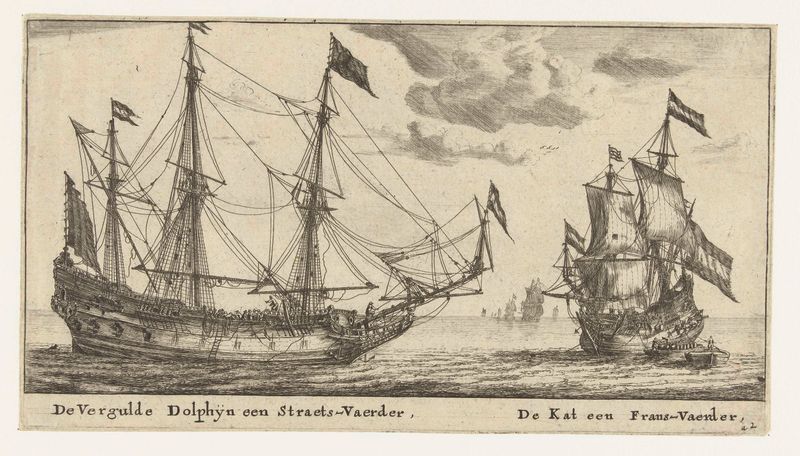
De schepen De Vergulde Dolfijn en De Kat
Reinier Nooms
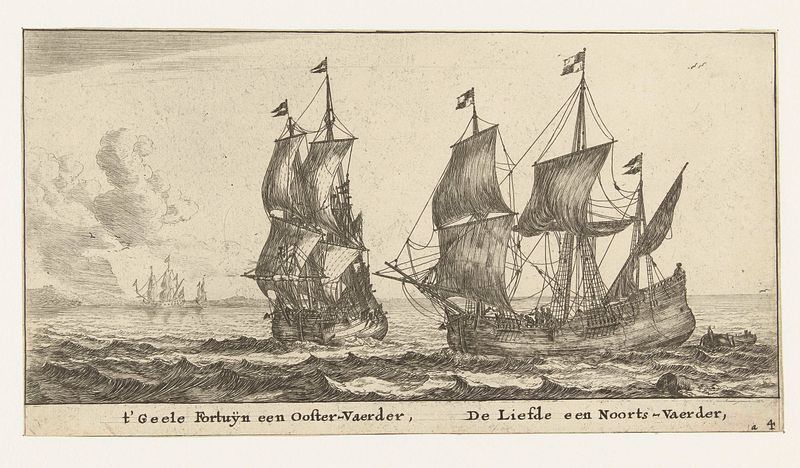
De schepen 't Gele Fortuin en De Liefde
Reinier Nooms
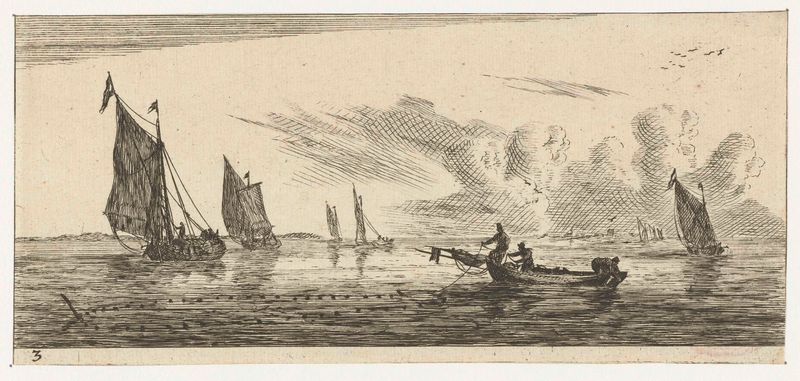
Zeegezicht met verschillende zeilschepen
Reinier Nooms
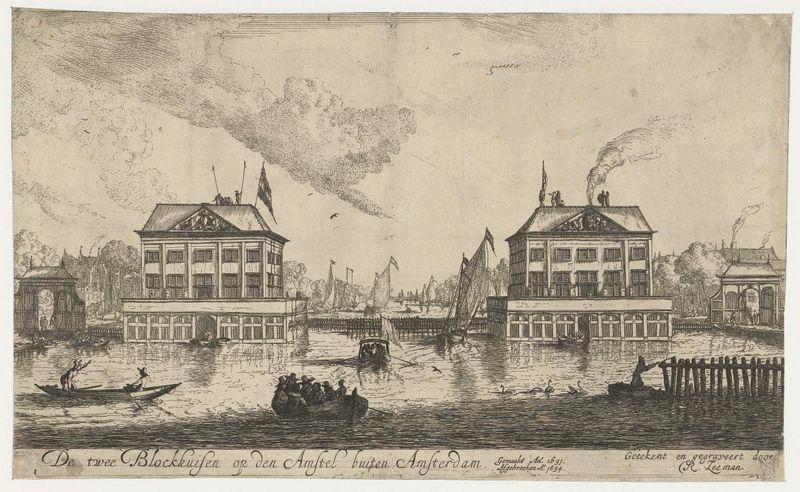
Gezicht op de twee Blokhuizen in de Amstel
Reinier Nooms
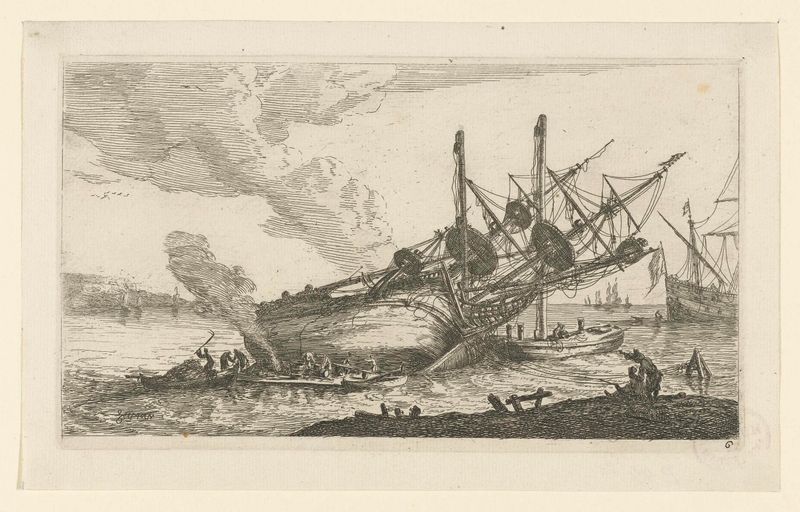
Reparaties aan de romp van een schip
Reinier Nooms
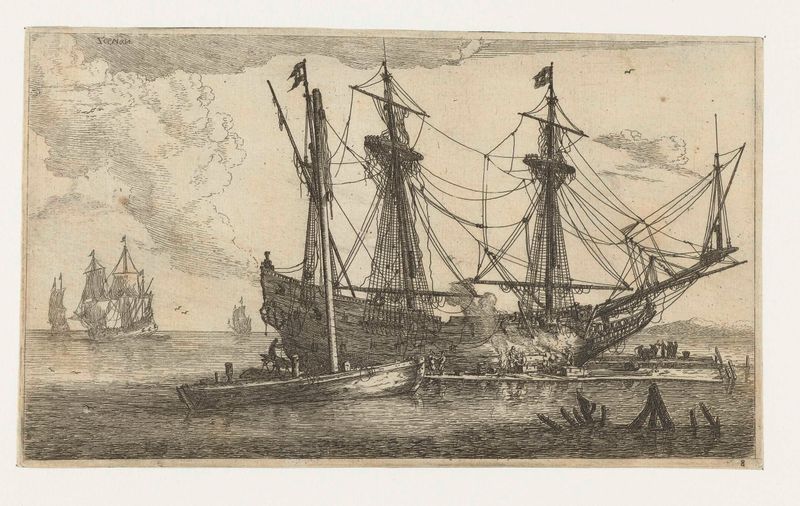
Reparaties aan de romp van een schip
Reinier Nooms