Cartouche met schelpen — History & Facts
In the delicate intricacies of Cartouche met schelpen, a palpable tension simmers beneath the surface, inviting a closer inspection of its ornate details—an exploration of beauty intertwined with an underlying fear of time’s passage. Look closely at the center, where the cartouche emerges, adorned with exquisitely painted shells. The meticulous arrangement of textures and shadows creates a dynamic interplay between light and dark, imbuing the shells with a lifelike quality. Notice how the muted color palette evokes a sense of nostalgia, and the subtle variations in hue hint at the fragile nature of both the artwork and its subjects.
The surrounding decorative elements frame the piece, drawing your eye inward, as if to remind us of the fleeting moments trapped within the confines of the cartouche. Delve deeper, and you will uncover layers of meaning that speak to the human experience. The shells, often associated with the ocean’s vastness, invite contemplation on mortality and the passage of time, reflecting both abundance and loss. The ornate embellishments surrounding the central motif serve not merely as decoration but as a reminder of society's propensity to adorn life despite the underlying fear that lies beneath—fear of decay, impermanence, and the inevitable decline of beauty. Reinier Nooms painted this work between 1651 and 1652, a period marked by both artistic experimentation and the societal upheaval of the Dutch Golden Age.
As he navigated the complexities of a changing world, Nooms found refuge in the tranquility of still life painting, skillfully blending realism with symbolism to capture the dualities of existence—a tradition that would define his artistic legacy.
More Artworks by Reinier Nooms
Browse all →
Zeegezicht met verschillende zeilschepen
Reinier Nooms
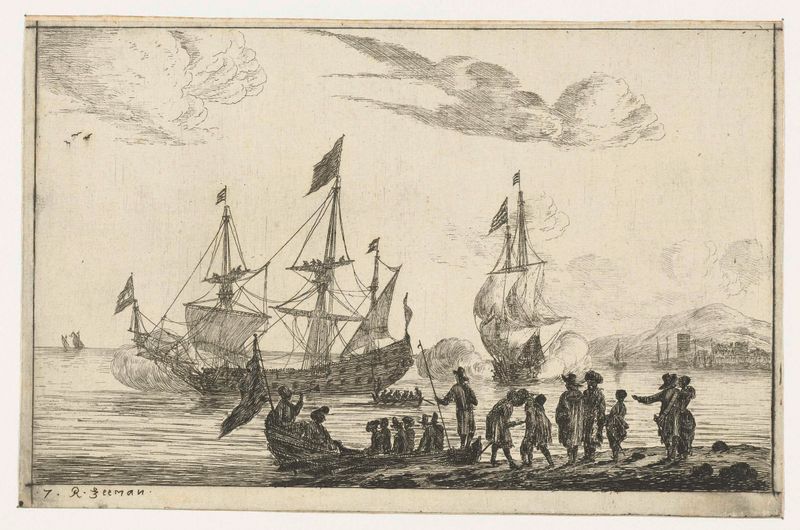
Havenscène met een spiegelsloep
Reinier Nooms
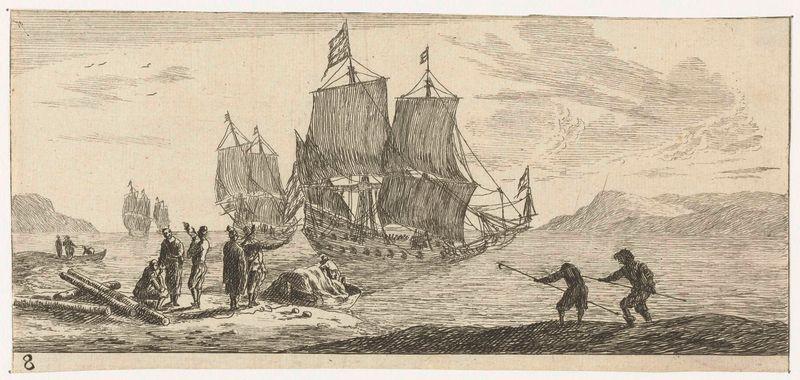
Vier grote zeilschepen in een baai
Reinier Nooms
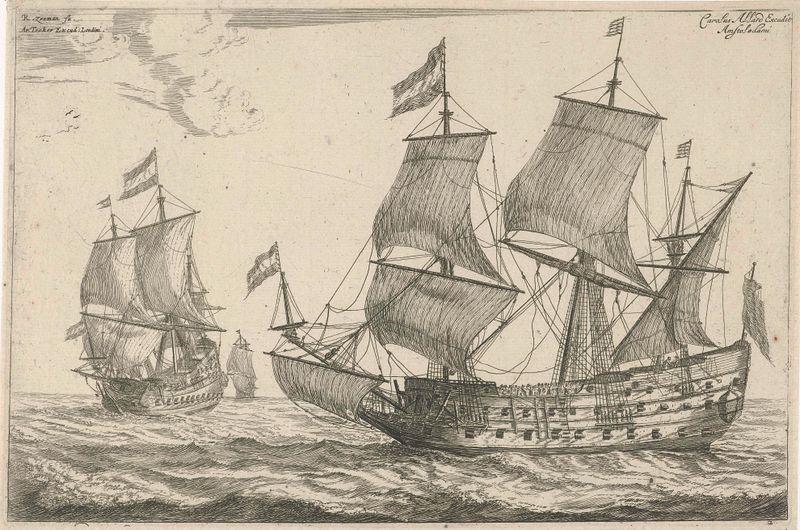
Twee grote oorlogsschepen
Reinier Nooms
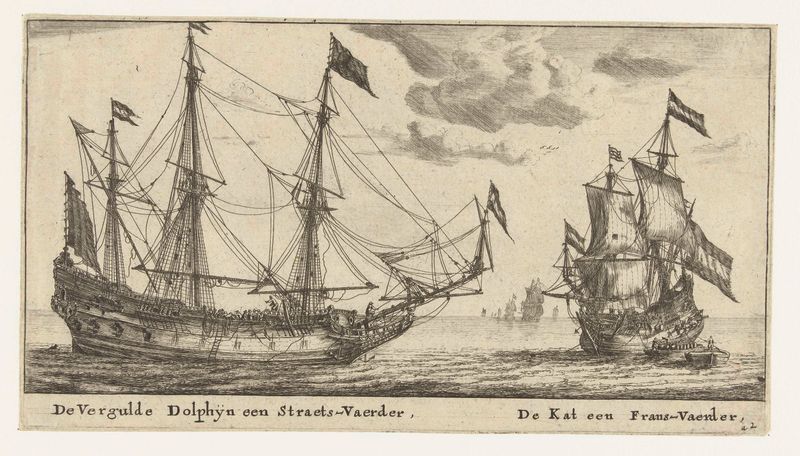
De schepen De Vergulde Dolfijn en De Kat
Reinier Nooms
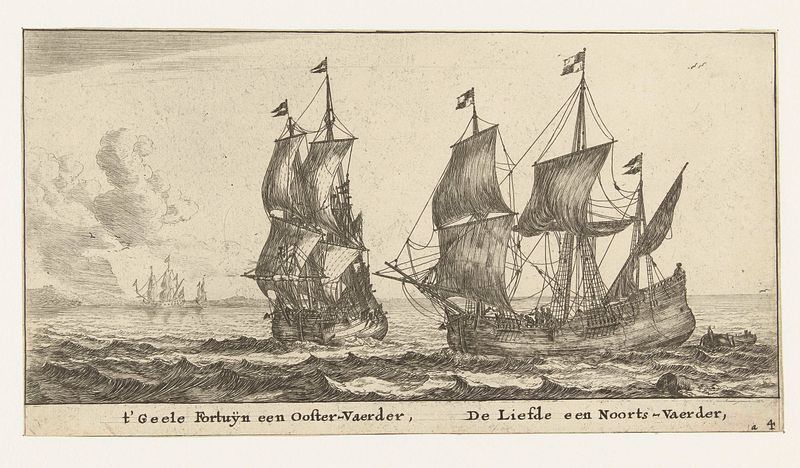
De schepen 't Gele Fortuin en De Liefde
Reinier Nooms
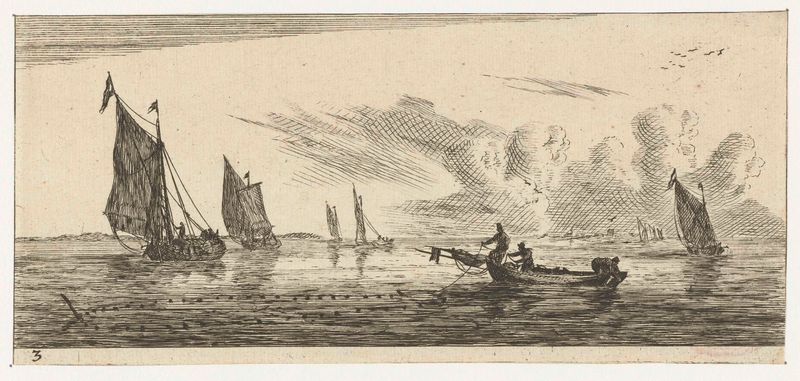
Zeegezicht met verschillende zeilschepen
Reinier Nooms
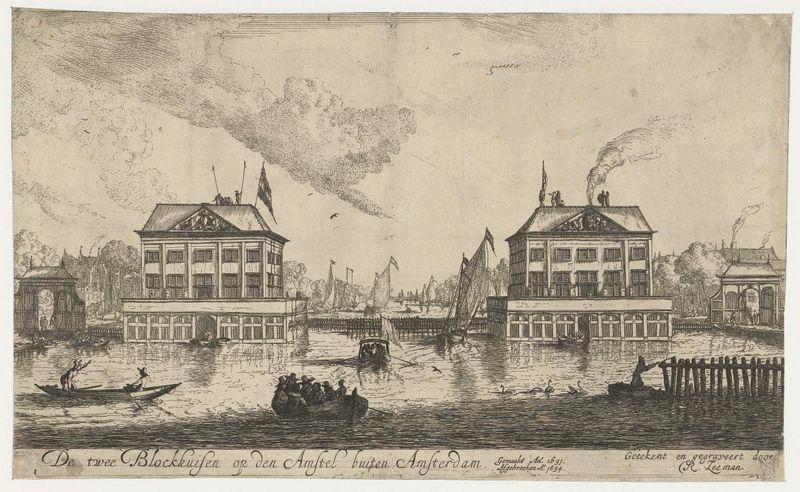
Gezicht op de twee Blokhuizen in de Amstel
Reinier Nooms
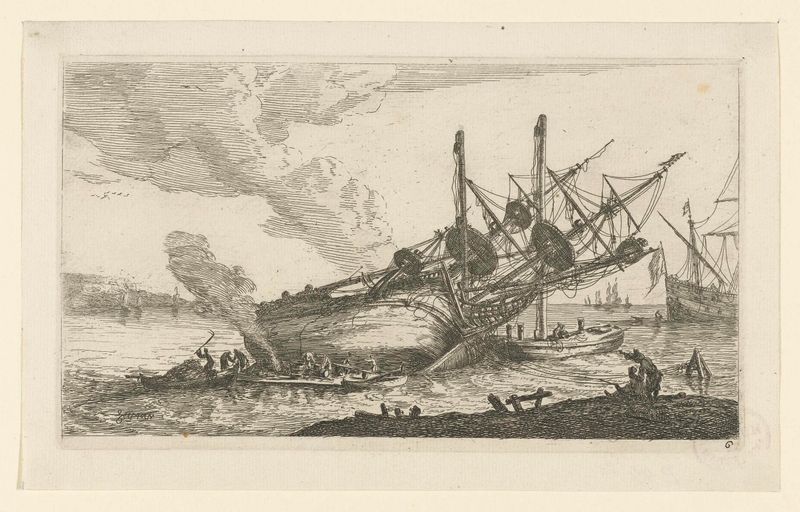
Reparaties aan de romp van een schip
Reinier Nooms
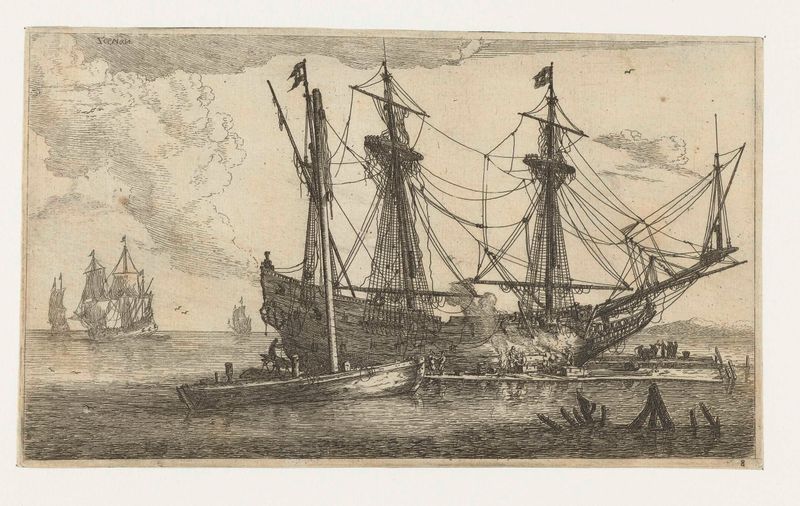
Reparaties aan de romp van een schip
Reinier Nooms